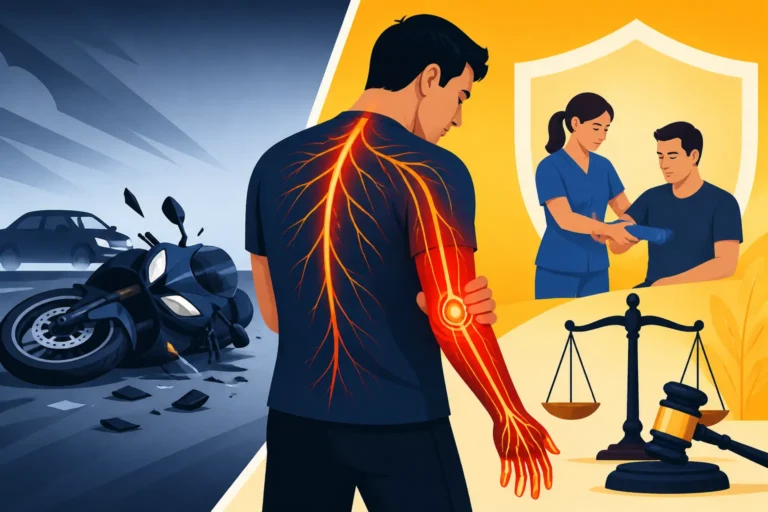
How Much Compensation for Motorcycle Traumatic Brain Injury
Experiencing a traumatic brain injury (TBI) after a motorcycle accident is a life-altering event, often leaving victims and their families overwhelmed by devastating physical, emotional, and financial burdens. The road to recovery is long and fraught with uncertainty, making it incredibly difficult to even consider how to seek fair compensation. This guide aims to break down the complexities of TBI claims, helping you understand what goes into calculating compensation and how to fight for the financial support you truly deserve.
Understanding Traumatic Brain Injuries in Motorcycle Accidents
When you’re out on your bike, you understand the inherent risks, but nothing prepares you for the sheer force of impact in a crash, especially when it involves your head. A traumatic brain injury, or TBI, isn't just a bump on the head; it's a profound disruption to your brain's normal function caused by a sudden blow, jolt, or piercing injury to the head. For motorcyclists, the vulnerability is unfortunately much higher compared to occupants in a car, even with a helmet on, because there’s simply no steel cage protecting you.
What Constitutes a Traumatic Brain Injury?
TBIs range dramatically in severity, from what some might consider a "mild" concussion to a severe injury that can lead to permanent disability or even death. It's a spectrum, and even a mild TBI can have lasting effects that aren't immediately apparent. We're talking about anything that causes the brain to move violently within the skull, or that penetrates the skull and damages brain tissue directly. The consequences can be devastating, impacting everything from cognitive function and memory to motor skills and emotional regulation.
Think about the sheer force involved in a typical motorcycle collision. Even at relatively low speeds, a sudden stop or impact can cause your brain to slosh against the inside of your skull, leading to bruising, swelling, and tearing of delicate brain tissues and blood vessels. This kind of injury, common in motorcycle accidents, can result in diffuse axonal injury (DAI), where the nerve fibers across the brain are stretched and torn. Unlike a broken bone that clearly shows on an X-ray, these microscopic injuries are often invisible on initial scans but can wreak havoc on a person's life.
Why Motorcyclists Are Particularly Vulnerable to TBIs
It's an unfortunate truth that motorcyclists face unique dangers that put them at a higher risk for severe head trauma. Despite wearing helmets, which are crucial for saving lives and reducing injury severity, the exposure to direct impact is far greater than for someone in a car. There's no airbag, no seatbelt, no crumple zone to absorb kinetic energy. The rider is essentially ejected, and while a helmet provides critical protection, it cannot entirely negate the forces that lead to a TBI.
Imagine being thrown from your bike, hitting the pavement or another vehicle. Even if your helmet stays firmly in place, the sudden deceleration can cause your brain to violently hit the inside of your skull. The difference between a helmet that meets DOT standards and a novelty helmet can also be the difference between a concussion and a catastrophic injury. This vulnerability often leads to more severe and complex brain injuries for riders, making their recovery journey and subsequent compensation claims incredibly challenging. To learn more about these severe injuries, check out our detailed guide on Motorcycle Accident Traumatic Brain Injuries.
Types of Damages in a TBI Claim
When you're dealing with a traumatic brain injury, compensation isn't just about covering a single medical bill; it's about accounting for the totality of your losses – past, present, and future. This is where understanding the different types of damages comes in. Essentially, all damages fall into two main categories: economic and non-economic. Both are critical for a TBI claim, as these injuries impact every facet of a person's life, not just their wallet. To get a broader understanding of what you can claim, read our guide on the Types of Damages in a Motorcycle Accident Claim.
Economic Damages: The Tangible Costs
Economic damages are the measurable, out-of-pocket costs you incur as a direct result of your TBI. These are often easier to quantify because they come with receipts, bills, and pay stubs. However, calculating the future economic damages for a TBI can be incredibly complex.
- Medical Expenses: This is usually the largest component of economic damages in a TBI case. It includes everything from the immediate emergency room visit and ambulance ride to extensive hospital stays, neurosurgery, diagnostic imaging (CT scans, MRIs), medications, and ongoing rehabilitation. For a TBI, rehabilitation can be incredibly long-term, involving physical therapy, occupational therapy, speech therapy, cognitive therapy, and even psychological counseling. Many TBI victims require lifelong care, adaptive equipment, and even home modifications. Think about the costs of a specialized rehab facility like the Shepherd Center in Atlanta or the Shirley Ryan AbilityLab in Chicago, which can run into hundreds of thousands of dollars annually. For more insights into these costs, refer to How Medical Bills Affect Your Settlement.
- Lost Wages and Earning Capacity: If your TBI prevents you from working, even temporarily, you can claim compensation for lost income. This isn't just about the paychecks you missed right after the accident. For many TBI survivors, the injury leads to a permanent reduction in their ability to earn money, or even renders them unable to work at all. This is called "loss of earning capacity." Imagine a skilled tradesperson, say an electrician, who can no longer perform complex tasks due to cognitive deficits from a TBI. The difference in their earning potential over their entire career could be astronomical. Calculating this often requires forensic economists and vocational experts. Our article on How Lost Wages Are Calculated delves deeper into this topic.
- Property Damage: While not directly related to your TBI, the damage to your motorcycle and any personal items (helmet, gear) is also an economic loss. This can include repair costs, replacement value, or the cost of a rental vehicle if needed.
Non-Economic Damages: The Intangible Losses
Non-economic damages are often harder to put a specific dollar figure on, but they represent the profound, non-financial losses you suffer. For TBI victims, these damages are usually substantial and can far outweigh economic damages, reflecting the immense impact on quality of life. Understanding these distinctions is crucial, as explained in Economic vs Non-Economic Damages Explained.
- Pain and Suffering: This covers the physical pain and emotional distress caused by your injury. For a TBI, this can be agonizing and chronic. Imagine constant headaches, dizziness, nausea, light sensitivity, and severe fatigue. The emotional toll can include anxiety, depression, mood swings, frustration, and a profound sense of loss for the life you once had. Our detailed discussion on Pain and Suffering in Motorcycle Settlements explores this in depth.
- Loss of Enjoyment of Life: A TBI can strip away your ability to enjoy hobbies, social activities, and everyday pleasures. Perhaps you can no longer ride your motorcycle, play with your kids, or pursue a passion like painting or hiking. This loss of enjoyment is a significant component of non-economic damages.
- Emotional Distress: This goes beyond general suffering and addresses specific psychological impacts like PTSD, severe anxiety, panic attacks, or persistent sadness directly attributable to the accident and injury. Many TBI survivors grapple with significant personality changes, irritability, or social withdrawal, leading to isolation and profound emotional distress for both the injured individual and their loved ones.
- Loss of Consortium: If your TBI severely impacts your relationship with your spouse or partner, they may be able to claim damages for loss of companionship, affection, and intimacy. A TBI can drastically alter family dynamics, putting immense strain on personal relationships.
- Disfigurement and Scarring: While more common with road rash or other physical injuries, severe head trauma can also lead to visible scars or disfigurement, which can cause significant psychological distress.
Factors Influencing TBI Compensation Value
The amount of compensation you can receive for a motorcycle TBI is not a fixed sum; it's a highly individualized figure influenced by a multitude of factors. It's not just about the injury itself, but how that injury impacts your life, how well it's documented, and the legal landscape of where your accident occurred. Understanding these variables is key to setting realistic expectations and fighting for a fair settlement.
Severity and Long-Term Impact of the TBI
This is arguably the most critical factor. A mild concussion, while serious, will typically result in a lower settlement than a severe TBI leading to permanent cognitive impairment or paralysis. The compensation directly correlates with the degree of injury and its lasting consequences.
- Medical Prognosis and Permanent Disability: Doctors' opinions on your long-term prognosis are paramount. If medical experts determine you have a permanent disability, such as chronic seizures, speech impediments, severe memory loss, or motor deficits, the compensation will be significantly higher. These prognoses often require ongoing medical care, medication, and possibly full-time assistance, all of which factor into the settlement. The more extensive and permanent the impact on your physical and mental faculties, the higher the potential value of your claim. This ties into the discussion about Long-Term Effects of Motorcycle Injuries.
- Impact on Daily Life and Quality of Life: Beyond just medical reports, how has the TBI changed your everyday existence? Can you still care for yourself? Do you need help with basic tasks like eating, bathing, or dressing? Have you lost the ability to communicate effectively, recognize loved ones, or engage in meaningful activities? The profound loss of quality of life, independence, and personal relationships heavily influences non-economic damages. Jurors and insurance adjusters often consider how a TBI has transformed a vibrant individual into someone severely limited.
- Age and Pre-Injury Health: Younger victims with severe TBIs often receive higher settlements because they have a longer projected lifespan for ongoing medical care, lost earning capacity, and enduring pain and suffering. Their pre-injury health and active lifestyle also play a role, as a TBI can rob them of decades of potential enjoyment and productivity. Conversely, if you had pre-existing conditions that are exacerbated by the TBI, the legal principle known as the "eggshell skull rule" typically means the at-fault party is still responsible for all injuries, even if you were more susceptible to them.
Financial Damages and Evidence Collection
The more thoroughly and meticulously you document your financial losses, the stronger your claim will be. This is where those economic damages really shine.
- Comprehensive Medical Records: Every doctor's visit, every diagnostic test, every therapy session, and every prescription related to your TBI needs to be documented. These records are the backbone of your claim, proving the extent and cost of your injuries. This evidence also forms the basis of how How Injury Severity Affects Compensation is determined.
- Documentation of Lost Wages and Future Earning Potential: Pay stubs, tax returns, employment contracts, and employer statements prove your past income. For future earning capacity, expert testimony from vocational rehabilitation specialists and forensic economists becomes crucial. They can project how much income you would have earned over your lifetime had the accident not occurred.
- Proof of Other Expenses: Keep receipts for everything: transportation to appointments, assistive devices, home modifications, and even over-the-counter pain relievers. Every dollar spent due to the TBI adds to your claim's value.
Legal and Jurisdictional Factors
The legal environment where your accident happened can significantly sway your compensation.
- State Laws on Damages: Some states cap non-economic damages, meaning there's a limit to how much you can receive for pain and suffering. Others, like California, have no such caps for personal injury cases, allowing for potentially higher awards in severe TBI claims. For example, if your accident happened in Texas, the laws regarding fault and damages might differ from those in New York.
- Comparative Negligence: This is a crucial concept. If you are found partially at fault for the motorcycle accident, your total compensation can be reduced proportionally. For instance, in a state like Florida, which follows pure comparative negligence, if you're deemed 20% at fault for the crash that caused your TBI, your $1,000,000 settlement would be reduced by 20% to $800,000. Many states operate under a modified comparative negligence rule, like Texas, where if you are found 51% or more at fault, you may recover nothing. Understanding this rule is vital, and our article on How Comparative Negligence Reduces Your Payout explains it fully.
- Insurance Policy Limits: The at-fault driver's insurance policy limits often act as a ceiling for your compensation, especially if your damages are very high. If their policy only covers $100,000, it can be challenging to recover more than that from them personally, unless they have significant assets. This is why having your own Underinsured/Uninsured Motorist (UM/UIM) coverage is so important for motorcyclists. This coverage steps in when the at-fault driver's insurance isn't enough to cover your extensive TBI damages.
- Quality of Legal Representation: A skilled motorcycle accident attorney specializing in TBI cases can make an immense difference. They understand the nuances of proving TBI damages, can enlist the necessary medical and financial experts, and are adept at negotiating with insurance companies or taking your case to trial. Their expertise can significantly impact your final settlement amount. If you're wondering about the typical compensation amounts, our article on Average Motorcycle Accident Settlement Amounts provides valuable context.
Documenting and Proving Your TBI Claim
After a motorcycle accident leading to a traumatic brain injury, the journey to proving your claim and securing fair compensation is arduous. It requires meticulous documentation and strategic presentation of evidence. The insurance company for the at-fault driver will not simply take your word for it; they will scrutinize every detail, often looking for reasons to minimize your claim. This is where being incredibly thorough becomes your best defense. For a general overview of documenting injuries, see How to Document Injuries for a Claim.
Comprehensive Medical Documentation is Paramount
Your medical records are the bedrock of your TBI claim. Without them, it's virtually impossible to demonstrate the existence, severity, and long-term impact of your injury.
- Immediate Medical Attention: The absolute first step after any head trauma, no matter how minor it seems, is to seek immediate medical attention. Even if you don't feel "that bad" at the scene, symptoms of a TBI can be delayed. This establishes a clear link between the accident and your injury. Documenting your initial complaints, diagnostic tests (CT scans, MRIs, EEGs), and the precise diagnosis of your TBI is crucial. Avoid any gaps in treatment, as insurance companies will exploit these to argue your injuries aren't severe or weren't caused by the accident.
- Ongoing Treatment Records: Continue all recommended treatments, therapies, and follow-up appointments. This includes physical therapy, occupational therapy, speech therapy, cognitive rehabilitation, neuropsychological evaluations, and consultations with neurologists or other specialists. Each visit generates records, progress notes, and bills that paint a comprehensive picture of your recovery (or lack thereof). These documents help illustrate the profound and ongoing nature of a TBI, showing the sustained effort and financial burden of your treatment.
- Detailed Symptom Tracking: Beyond official medical records, keep a personal journal detailing your daily symptoms, challenges, and how the TBI affects your life. Note every headache, dizzy spell, memory lapse, mood swing, and difficulty with cognitive tasks. Describe how these symptoms prevent you from performing daily activities, working, or enjoying hobbies. This personal account can be incredibly powerful in conveying the true impact of your injury to an adjuster or jury, adding a human element that mere medical jargon might miss.
Expert Testimony and Vocational Assessments
For complex TBI cases, the opinions of various experts are not just helpful; they are essential to fully quantify your damages.
- Neuropsychological Evaluations: These in-depth assessments are specifically designed to measure cognitive function, memory, attention, processing speed, and executive functions. A neuropsychologist can provide objective data demonstrating the extent of your cognitive deficits due to the TBI, separating them from any pre-existing conditions. Their reports are invaluable for proving the long-term cognitive impairment and its impact on your ability to work, learn, and engage in daily life.
- Medical Specialists: Beyond your primary treating physician, expert testimony from neurologists, neurosurgeons, physiatrists (rehabilitation physicians), and other specialists can confirm the nature and severity of your TBI, establish causation, outline your future medical needs, and provide a prognosis regarding recovery and permanent impairment. Their authoritative opinions are critical in countering insurance company arguments that your injuries are not as severe as claimed.
- Vocational Experts and Economic Specialists: If your TBI has impacted your ability to work, a vocational rehabilitation expert can assess your pre-injury earning capacity versus your post-injury capacity. They can evaluate your transferable skills, job market prospects, and the need for retraining or assistive technology. A forensic economist then takes this information, along with your past earnings, to calculate your precise lost wages and loss of future earning capacity over your lifetime. These expert calculations translate the abstract concept of lost potential into concrete, quantifiable dollar figures.
Proving Liability and Maximizing Your Claim
Even with compelling evidence of your TBI, you must still prove that another party's negligence caused your accident. This is fundamental to recovering compensation.
- Accident Reconstruction and Witness Statements: Evidence like police reports, accident scene photos, video surveillance, and eyewitness accounts are crucial for establishing how the crash occurred and who was at fault. An accident reconstruction expert can analyze skid marks, vehicle damage, and other physical evidence to create a scientific recreation of the event, reinforcing the at-fault driver's negligence. This directly informs who is responsible for the damages you suffered.
- Challenging "Rider Bias": Unfortunately, motorcyclists often face unfair stereotypes, with some people (including insurance adjusters) quick to assume the rider was reckless. Your legal team must work diligently to dismantle any such bias by presenting clear, objective evidence of the other driver's fault. This includes demonstrating violations like distracted driving, failure to yield, or unsafe lane changes. Our article, How to Maximize Your Motorcycle Accident Settlement, offers additional strategies.
- Gathering All Relevant Documentation: This goes beyond medical records to include police reports, traffic citations issued to the other driver, photos and videos from the accident scene, and any communications with insurance companies. Every piece of information contributes to building a robust case. The more evidence you have, the harder it is for insurance companies to deny or devalue your claim.
Table: TBI Severity and Potential Compensation Factors
To give you a clearer picture, here's a general table outlining how TBI severity often correlates with the types of damages and the factors that drive compensation. Remember, these are broad generalizations, and every case is unique.
| TBI Severity Level | Common Symptoms/Impact | Key Economic Damages | Key Non-Economic Damages | Driving Factors for Compensation |
|---|---|---|---|---|
| Mild TBI (Concussion) | Headaches, dizziness, confusion, fatigue, memory issues, mood changes. Usually temporary. | ER visits, diagnostics, initial doctor's visits, short-term lost wages. | Moderate pain/suffering, temporary loss of enjoyment. | Full recovery expected, minimal long-term care. |
| Moderate TBI | Prolonged loss of consciousness, confusion, cognitive deficits, motor impairment. Months to years of recovery. | Hospital stays, intensive rehab, ongoing therapy, significant lost wages/earning capacity. | Significant pain/suffering, emotional distress, substantial loss of enjoyment. | Longer recovery period, potential for permanent deficits, extensive rehab needs. |
| Severe TBI | Coma, vegetative state, profound cognitive deficits, severe motor impairment, paralysis, personality changes. | Lifelong medical care, home modifications, assistive devices, 24/7 care, total loss of earning capacity. | Extreme pain/suffering, profound emotional distress, permanent loss of enjoyment/consortium. | Permanent disability, need for lifelong care, impact on family, loss of independence. |
This table provides a glimpse into the complexities. For instance, a moderate TBI might still involve a prolonged recovery at facilities like Methodist Rehabilitation Center in Mississippi, leading to significant ongoing costs and a substantial impact on your life that needs to be fully compensated.
Disclaimer
The information provided in this article is for general informational purposes only and does not constitute legal advice. Every motorcycle accident claim is unique, and the value of a traumatic brain injury claim depends on many specific factors. It is highly recommended to consult with a qualified personal injury attorney experienced in motorcycle accident cases to discuss your individual situation and understand your legal rights and options.