Is a Motorcycle Spinal Cord Injury a Permanent Injury
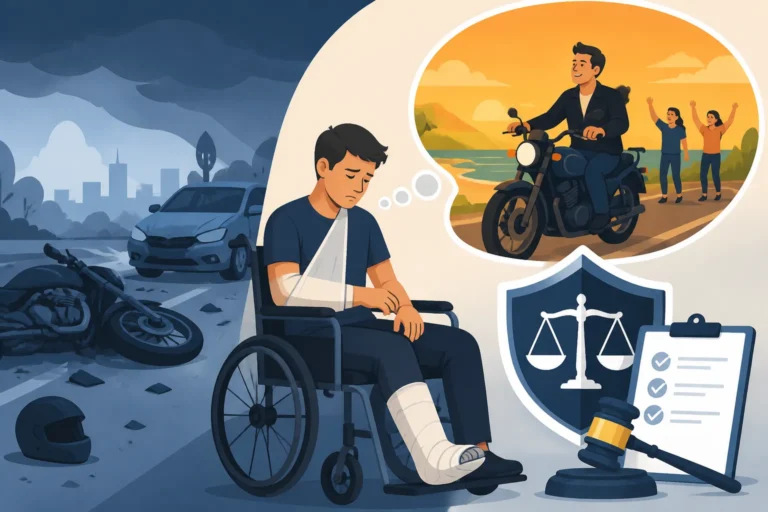
Experiencing a motorcycle accident is terrifying enough, but the fear that one of your most severe injuries, like a spinal cord injury, might leave you permanently changed is a burden no one should have to carry alone. The truth is, spinal cord injuries are incredibly complex, and their long-term impact varies widely. This guide will delve deep into what a spinal cord injury means for a motorcyclist, exploring the spectrum of permanence and what you need to know about its lasting effects and your path forward.
Understanding Spinal Cord Injuries in Motorcycle Accidents
Motorcycle accidents often result in more severe injuries compared to other vehicle collisions, and spinal cord injuries (SCIs) are, unfortunately, a tragically common outcome. The sheer force of impact, combined with the lack of significant structural protection, leaves riders incredibly vulnerable to direct trauma to the spine. Understanding what an SCI entails and why motorcycles are particularly risky for these types of injuries is the first step toward grasping the long-term implications.
Anatomy of the Spine and Spinal Cord
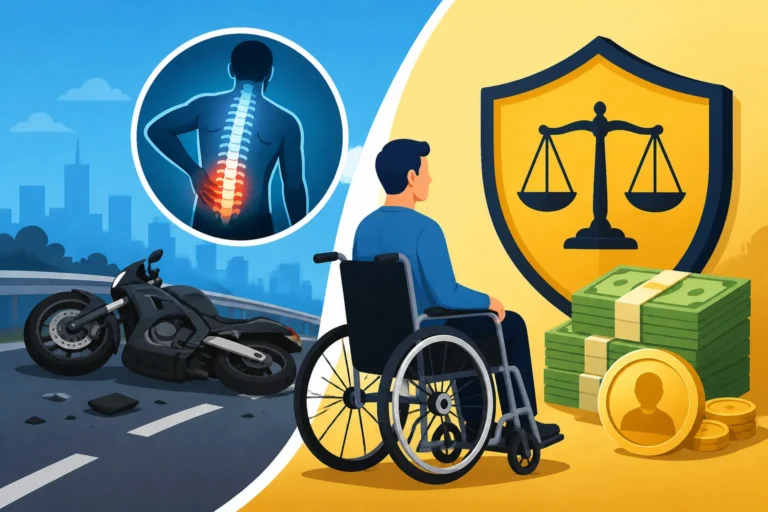
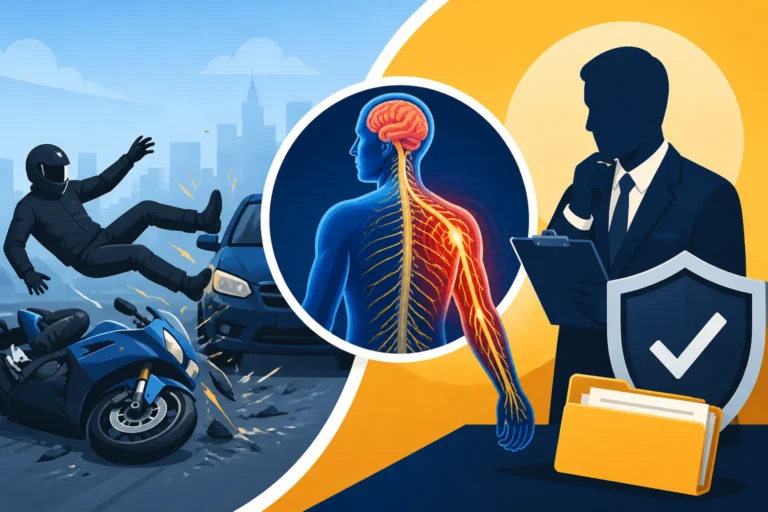
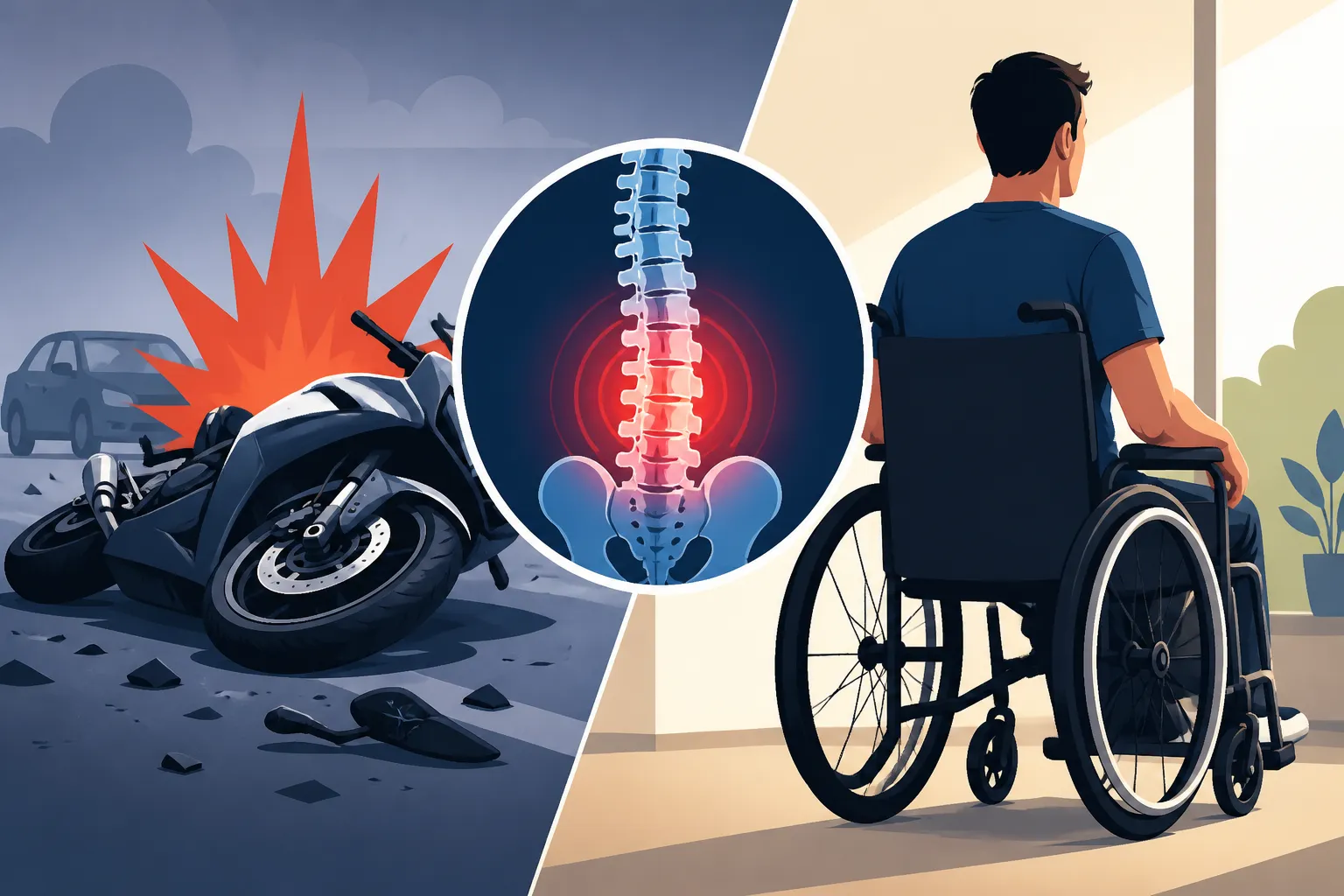
To really understand a spinal cord injury, it helps to know a little about what's being injured. Our spine isn't just a single bone; it's a column of 33 individual bones, called vertebrae, stacked one on top of the other. These vertebrae are divided into regions: cervical (neck), thoracic (upper back), lumbar (lower back), sacrum, and coccyx (tailbone). Nestled safely within this bony fortress is the spinal cord, a critical bundle of nerves that acts as the communication highway between your brain and the rest of your body. Think of it as the main fiber optic cable transmitting all the signals for movement, sensation, and automatic bodily functions. When this delicate cord is damaged, that communication can be interrupted or severed, leading to a host of debilitating symptoms.
Mechanisms of Injury in Motorcycle Crashes
The dynamics of a motorcycle crash put a rider's spine at extreme risk. Unlike being inside a car, where the vehicle's frame absorbs much of the impact, a motorcyclist is often ejected from their bike or directly impacts the ground or another vehicle. This can lead to various injury mechanisms:
- Compression: A direct vertical force, such as landing hard on your feet or head, can compress the vertebrae, potentially crushing the spinal cord.
- Hyperextension/Hyperflexion: Violent forward or backward jerking motions, like those experienced in a rear-end collision, can snap the neck or back beyond its normal range of motion, stretching or tearing the spinal cord. This is similar to whiplash but far more severe.
- Rotation: Twisting forces, especially if the body is pinned while the head or torso rotates, can shear the spinal cord.
- Penetration: Though less common, debris or vehicle parts can directly pierce the spinal column, causing direct damage to the cord.
These forces, even if not immediately apparent, can lead to severe and lasting damage. That's why seeking immediate medical attention after any significant motorcycle accident is critical, even if you feel okay at first. You'll want to address any potential issues right away, as discussed in our guide on what to do immediately after a motorcycle accident.
Classifying Spinal Cord Injuries
Spinal cord injuries aren't a one-size-fits-all diagnosis. Doctors classify them based on two main factors: the level of the injury and its completeness.
The level refers to the lowest point of the spinal cord where normal sensory and motor function remains. For instance, a cervical injury (C1-C8, in the neck) will typically affect more of the body than a lumbar injury (L1-L5, in the lower back). Generally, the higher the injury on the spine, the more widespread and severe the resulting paralysis and loss of function.
The completeness of the injury is perhaps the most crucial factor in determining permanence:
- Complete SCI: This means there's a total loss of motor function and sensation below the injury level. No signals can pass through the damaged section of the spinal cord.
- Incomplete SCI: In this case, there is some preserved motor or sensory function below the injury level. This could mean feeling a light touch, having some muscle movement, or even just perceiving pressure. Any preserved function, however minor, offers a glimmer of hope for greater recovery potential.
The distinction between complete and incomplete injuries dramatically shapes the prognosis and the journey ahead.
The Spectrum of Permanence: From Recovery to Lifelong Impact
The question of whether a spinal cord injury is "permanent" is often the first, most terrifying thought for a rider and their family. The short answer is: often, yes, at least to some degree. However, "permanent" doesn't always mean "unchanging." It refers to the lasting deficits and functional limitations that remain even after the body has healed as much as it possibly can.
Incomplete vs. Complete Spinal Cord Injuries and Permanence
The completeness of an SCI is a massive determinant of its permanence.
- Complete Spinal Cord Injuries: With a complete SCI, the communication between the brain and the body below the injury site is entirely severed. This means that if you've suffered a complete SCI, the paralysis and loss of sensation below that point are generally considered permanent. While intensive rehabilitation can help individuals maximize the function of their remaining abilities and learn compensatory strategies (like using a wheelchair or adaptive equipment), the nerve damage itself is typically irreversible. Modern medicine is constantly advancing, but as of now, there's no way to fully regenerate a completely severed spinal cord and restore all lost function. This leads to profound, lifelong changes, such as those covered in our discussion on Motorcycle Spinal Cord Injury: Claims and Compensation.
- Incomplete Spinal Cord Injuries: This is where the picture becomes more nuanced. Because there's still some connection, however faint, there's a greater potential for recovery. This doesn't mean a full recovery to pre-injury status is guaranteed, or even likely, but significant functional improvements can occur, sometimes for months or even years after the initial injury. The degree of recovery depends on factors like the specific pathways damaged, the severity of the initial trauma, and the effectiveness of rehabilitation. For some, it might mean regaining the ability to walk with assistance; for others, it might be improved dexterity in their hands. While some deficits are likely to be permanent, the extent of those permanent limitations is less predictable and often less severe than with a complete injury.
The Role of Medical Treatment and Rehabilitation
The journey after a spinal cord injury is a marathon, not a sprint, and medical treatment and rehabilitation play a monumental role in shaping a patient's long-term outcome, even if the injury is ultimately deemed permanent.
- Acute Care: Immediately following the accident, the focus is on stabilizing the spine, preventing further damage, and managing secondary complications like swelling or infection. This might involve surgery to decompress the spinal cord, fuse vertebrae, or remove bone fragments. Early intervention can make a crucial difference in limiting the extent of permanent damage.
- Rehabilitation: Once stabilized, intense rehabilitation begins. This multidisciplinary process involves physical therapy to strengthen muscles and improve mobility, occupational therapy to relearn daily living activities, and speech therapy if needed. Psychologists, social workers, and other specialists also play vital roles. The goal isn't to "cure" the injury but to help individuals adapt, maximize their remaining function, and achieve the highest possible quality of life despite their permanent limitations. Regular, consistent therapy can often prevent secondary complications that might otherwise worsen permanent conditions.
Defining "Permanent" in a Medical and Legal Sense
When doctors and legal professionals talk about a "permanent injury," they are typically referring to a state known as Maximum Medical Improvement (MMI).
- Maximum Medical Improvement (MMI): This is the point where a patient's condition has stabilized, and further medical treatment or rehabilitation is unlikely to result in significant functional improvement. It doesn't mean the person is "cured" or fully recovered; it simply means they have reached a plateau in their recovery. For a spinal cord injury, reaching MMI often signifies that the remaining physical and neurological deficits are likely permanent.
- Legal Implications of Permanence: In the context of a motorcycle accident claim, proving a spinal cord injury is permanent is crucial for securing appropriate compensation. Permanent injuries warrant damages for ongoing medical care, future lost wages, and significant pain and suffering, as explored in our article on Pain and Suffering Damages Explained. Insurance companies will often argue that injuries are not permanent to reduce their payout, making expert medical testimony essential to establish MMI and the lasting impact. This is a critical aspect when calculating How Motorcycle Accident Settlements Are Calculated.
Long-Term Consequences and Life-Altering Changes
A permanent spinal cord injury isn't just about paralysis; it's about a complete reorientation of life. The long-term consequences extend far beyond immediate physical limitations, impacting every facet of an individual's existence.
Physical Disabilities and Secondary Complications
The primary physical disability associated with SCI is often paralysis (paraplegia, affecting the lower body, or quadriplegia/tetraplegia, affecting all four limbs and torso). However, the body is an interconnected system, and damaging the spinal cord often leads to a cascade of other physical challenges:
- Loss of Bowel and Bladder Control: Many individuals with SCI lose control over these vital bodily functions, requiring ongoing management, catheters, or other aids. This isn't just inconvenient; it can lead to serious health complications like urinary tract infections or kidney issues.
- Pressure Sores: Because of reduced sensation and immobility, individuals with SCI are highly susceptible to pressure sores (bedsores) which can become severe, infected, and require extensive medical care, including surgery.
- Respiratory Issues: High cervical injuries can affect the muscles controlling breathing, potentially requiring ventilator assistance. Even lower SCIs can weaken respiratory muscles, increasing the risk of pneumonia.
- Spasticity: Involuntary muscle spasms or tightness can be painful and interfere with daily activities.
- Autonomic Dysreflexia: A potentially life-threatening condition for those with high SCIs, where an overreaction of the autonomic nervous system to stimuli (like a full bladder) causes dangerously high blood pressure.
- Chronic Pain: Neuropathic pain, caused by nerve damage, is common and often difficult to manage, significantly impacting quality of life.
Managing these secondary complications requires ongoing medical vigilance and specialized care, highlighting why the Long-Term Effects of Motorcycle Injuries are so significant.
Emotional and Psychological Impact
Beyond the physical, the emotional and psychological toll of a permanent spinal cord injury is immense. Suddenly losing independence, mobility, and often, one's previous career or hobbies, can lead to:
- Depression and Anxiety: It's natural to grieve the life that was lost. Depression, anxiety, and even post-traumatic stress disorder (PTSD) are common, requiring psychological support and sometimes medication.
- Loss of Identity and Self-Esteem: A rider's identity is often intertwined with their ability to ride and be active. Losing this can be devastating, leading to feelings of inadequacy or isolation.
- Relationship Strain: The shift in roles, increased dependency, and the sheer stress of adapting can strain relationships with family and friends.
- Social Isolation: Accessibility issues, changes in social activities, and sometimes a reluctance to be seen can lead to social withdrawal.
Comprehensive support, including therapy and support groups, is essential for navigating these profound changes.
Financial Strain and Care Needs
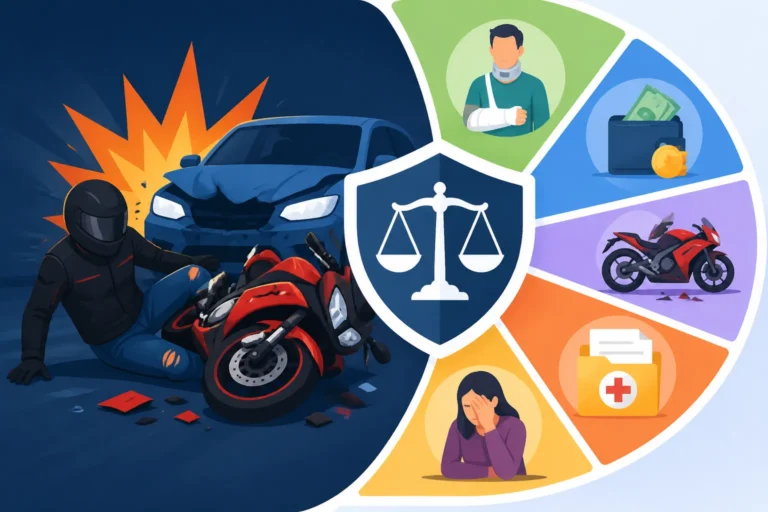
The financial implications of a permanent spinal cord injury are staggering. Lifetime care costs can easily run into the millions of dollars. These costs include:
- Medical Expenses: Surgeries, hospital stays, ongoing doctor visits, medications, specialized equipment (wheelchairs, lifts, adaptive vehicles), and managing secondary complications. Estimating these Future Medical Costs Explained is a complex but vital part of any legal claim.
- Rehabilitation Services: Ongoing physical, occupational, and psychological therapy.
- Home Modifications: Ramps, widened doorways, accessible bathrooms, and smart home technology to accommodate a wheelchair or other mobility aids.
- Personal Care Assistance: Many individuals with SCI require assistance with daily tasks, from bathing and dressing to meal preparation, which can mean hiring caregivers for many hours a day.
- Lost Wages and Earning Capacity: The inability to return to previous employment, or any employment, can lead to a significant Loss of Earning Capacity Explained. Even if some work is possible, it might be in a vastly different capacity with lower pay.
These overwhelming financial realities underscore the absolute necessity of a robust motorcycle accident claim to cover the lifetime needs associated with a permanent SCI.
Navigating a Claim with a Spinal Cord Injury
If you or a loved one has suffered a spinal cord injury in a motorcycle accident, navigating the claims process can feel impossible while also dealing with devastating medical realities. However, securing fair compensation is critical for your long-term well-being and care. This isn't a minor fender bender; it's a life-altering event.
Documenting the Full Extent of Your Injuries
The cornerstone of any successful injury claim, especially one involving a severe and permanent injury like an SCI, is meticulous documentation.
- Medical Records: Every single doctor's visit, hospital stay, surgery report, therapy session, prescription, and medical bill must be kept. These records are the objective evidence of your injury, treatment, and prognosis. Our article on How to Document Injuries for a Claim offers more in-depth advice on this crucial step.
- Expert Medical Opinions: You'll need reports from neurologists, orthopedists, physiatrists (rehabilitation doctors), and other specialists detailing the nature of your SCI, its permanence, and the anticipated future medical needs. These experts can definitively establish that you've reached MMI and the extent of your permanent deficits.
- Personal Impact Statements: While medical records cover the physical, your own words, and those of your family, can convey the non-economic damages. Keep a detailed pain journal, noting your daily struggles, limitations, and emotional impact. Photos and videos of your recovery journey and adaptations can also be powerful evidence.
Insurance companies are notorious for downplaying the severity of motorcycle accidents and their resulting injuries. Strong, well-documented evidence is your best defense against their tactics.
Estimating Future Medical and Care Costs
One of the most challenging, yet vital, aspects of an SCI claim is accurately projecting future costs. This isn't just about current bills; it's about a lifetime of care.
- Life Care Plans: A life care planner is a specialist who evaluates your specific injuries, current and future medical needs, and lifestyle requirements to create a comprehensive report detailing all anticipated costs for the rest of your life. This includes everything from future surgeries and medications to adaptive equipment, home modifications, and in-home care.
- Economic Experts: An economist can then take the life care plan and calculate its present-day value, accounting for inflation, future earnings potential, and other financial factors. This ensures that the compensation you receive is sufficient to cover your needs for decades to come. These calculations are critical when negotiating for a fair settlement.
Without these expert projections, you risk accepting a settlement that will quickly be depleted, leaving you without the funds needed for vital care.
Seeking Expert Legal Guidance
Given the complexity, severity, and astronomical costs associated with a permanent spinal cord injury, trying to handle a claim yourself is almost always a mistake. Insurance companies have vast resources and strategies to minimize payouts.
- Specialized Legal Experience: You need an attorney who specifically understands motorcycle accident claims and, even more critically, has extensive experience with catastrophic injuries like SCIs. They know the medical complexities, how to work with life care planners and economists, and how to effectively combat the "rider bias" that often surfaces in these cases. Our article Do You Need a Motorcycle Accident Lawyer discusses why this expertise is so vital.
- Protecting Your Rights: An attorney will handle all communication with insurance companies, gather necessary evidence, negotiate on your behalf, and if necessary, take your case to trial. They will also understand the various types of damages in a motorcycle accident claim, including economic and non-economic, and ensure they are all accounted for.
- Maximizing Your Settlement: Studies show that victims represented by a personal injury lawyer typically receive significantly higher settlements than those who represent themselves. A skilled attorney will fight to ensure your settlement reflects the true, lifetime cost of your permanent injury and helps you to Maximize Your Motorcycle Accident Settlement. They can navigate complex issues like multiple insurance policies and umbrella coverages to ensure you receive the fullest possible compensation. This is especially important when considering How Insurance Policy Limits Affect Your Payout.
Here's a quick comparison of the permanence and impact of complete versus incomplete SCIs:
| Feature | Complete Spinal Cord Injury | Incomplete Spinal Cord Injury |
|---|---|---|
| Sensation | Total loss below injury level | Some sensation preserved below injury level |
| Motor Function | Total paralysis below injury level | Some motor function preserved below injury level |
| Recovery | Very limited to none; focus on adaptation and managing secondary issues | Potential for significant recovery, though often with lasting deficits |
| Permanence | Generally considered permanent in terms of lost function and sensation below injury level | Permanent deficits are likely, but the extent is less predictable and potentially less severe |
| Care Needs | High, often requiring extensive assistance, specialized equipment, and home modifications | Variable, potentially less intensive than complete SCI but still substantial long-term needs |
| Quality of Life | Profoundly altered, but adaptable with proper support and rehabilitation | Significantly altered, but often with greater independence and functional capacity than complete SCI |
A spinal cord injury from a motorcycle accident is almost always a permanent, life-altering event. While the degree of permanence can vary depending on whether the injury is complete or incomplete, the reality is that such an injury brings with it a lifetime of physical, emotional, and financial challenges. Understanding these challenges and proactively seeking expert medical and legal support is paramount to securing the care and compensation you'll need to navigate this journey.
Disclaimer
The information provided in this article is for general informational purposes only and does not constitute legal or medical advice. Every motorcycle accident and spinal cord injury is unique, and you should consult with qualified medical professionals and a personal injury attorney specializing in motorcycle accidents for advice tailored to your specific situation.