How Nerve Damage Claims Work
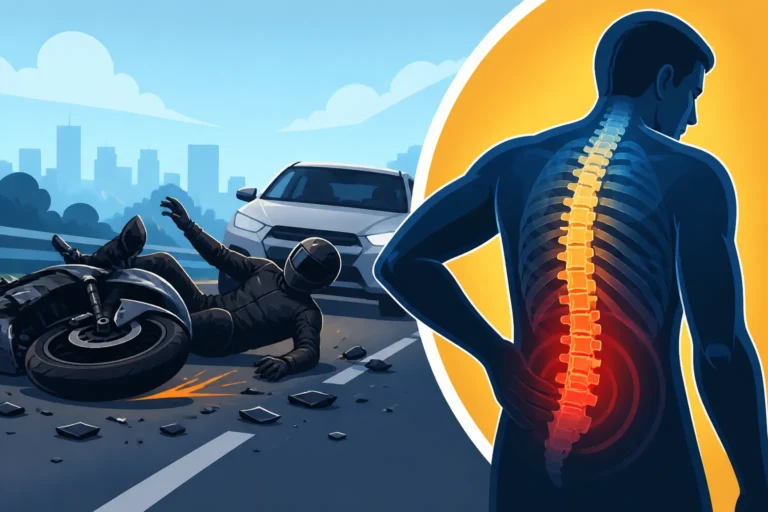
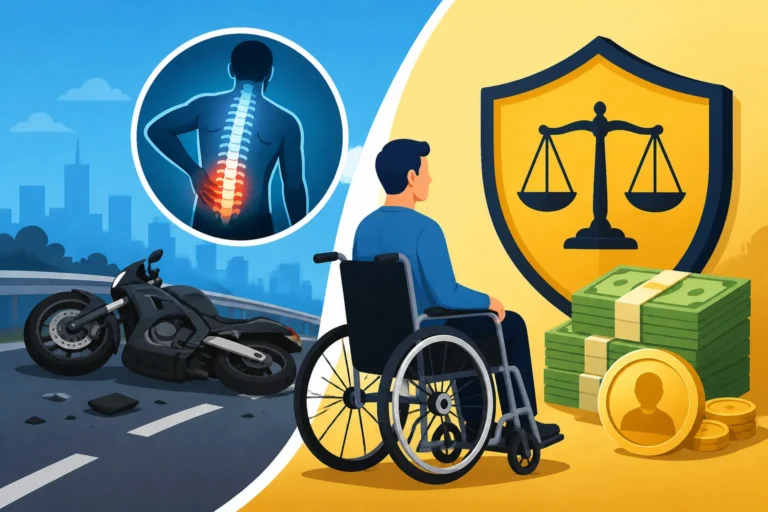
When you're a motorcycle rider, you understand the risks, but nothing prepares you for the sheer devastation and long-term struggle that nerve damage can inflict after a crash. The constant pain, numbness, weakness, or even paralysis can turn your life upside down, making simple tasks impossible and enjoyment a distant memory. This guide aims to thoroughly explain how nerve damage claims work in the aftermath of a motorcycle accident, detailing what you need to know to protect your rights and pursue the compensation you deserve for this debilitating injury.
Understanding Nerve Damage from Motorcycle Accidents
Nerve damage isn't just "soreness" or a "tweak"; it's a serious, often life-altering injury that frequently occurs in motorcycle accidents due to the intense forces involved. Unlike other vehicle occupants, riders lack the protective shell of a car, leaving them vulnerable to direct impact and violent movements that can stretch, compress, or tear delicate nerve tissues. The impact can be so sudden and severe that it doesn't just bruise the skin; it can disrupt the electrical signals that your brain uses to communicate with the rest of your body, leading to a cascade of painful and debilitating symptoms.
Common Types of Nerve Injuries in Motorcycle Crashes
Motorcycle accidents can lead to a variety of nerve injuries, each with its own specific challenges for diagnosis and recovery. Understanding these types is crucial because they often dictate the complexity of your claim and the kind of medical evidence you'll need.
One of the most devastating is a brachial plexus injury, often referred to as a "stinger" or "burner" in milder forms, but much more severe after a motorcycle crash. The brachial plexus is a network of nerves that originates in the spinal cord in the neck and extends down into the arm, controlling movement and sensation in the shoulder, arm, and hand. These injuries frequently occur when a rider's head and shoulder are violently pulled apart from each other, like in a high-speed ejection or direct impact to the shoulder, causing the nerves to stretch, tear, or even avulse (rip from the spinal cord). Imagine the sheer force required to inflict such damage, often leaving an arm completely or partially paralyzed, a condition sometimes called "rider's arm" or "motorcycle palsy."
Beyond the brachial plexus, peripheral nerve damage is also very common. This refers to injury to any nerve outside of the brain and spinal cord. For example, direct trauma to a limb can compress or sever nerves, leading to conditions like ulnar nerve damage (often from elbow impact), radial nerve damage (from impacts to the upper arm or wrist), or common peroneal nerve damage (from knee or lower leg impacts). You might experience tingling, burning, shooting pains, muscle weakness, or even complete loss of sensation and motor function in the affected area. Think about a simple fall that lands you awkwardly on your elbow, and then multiply that force tenfold; the nerve is simply not designed to withstand such trauma.
Then there are injuries like sciatica, which, while often associated with disc issues, can be exacerbated or directly caused by the spinal trauma common in motorcycle accidents. The jarring impact can compress or irritate the sciatic nerve, leading to excruciating pain that radiates from the lower back down the leg. Similarly, nerve root impingement in the neck or back, often due to herniated discs or spinal fractures sustained in a crash, can lead to chronic pain, numbness, and weakness in the extremities, fundamentally changing how you move and live. Proving these injuries is critical, and a thorough medical evaluation is paramount.
The Devastating Impact of Nerve Damage
The immediate aftermath of a motorcycle accident is often chaotic, but the long-term impact of nerve damage can be a silent, persistent torment. It's not just about the physical pain; it's about the entire fabric of your life unraveling piece by piece. The initial shock might wear off, but the neurological consequences can linger for years, if not a lifetime.
Physically, nerve damage often means enduring chronic pain that might be described as burning, shooting, electric, or an unrelenting ache. This pain can be constant, or it can flare up with movement, weather changes, or even stress. Beyond pain, you might experience debilitating numbness or tingling, making it difficult to feel textures, judge temperatures, or maintain your balance. In severe cases, partial or complete paralysis can occur, robbing you of the ability to use a limb, necessitating assistive devices, home modifications, and extensive rehabilitation. Imagine not being able to grasp a wrench, feel the throttle, or even hold your child's hand. This isn't just inconvenience; it's a fundamental loss of capability and enjoyment.
The emotional and psychological toll is equally heavy. Dealing with chronic pain and physical limitations can lead to depression, anxiety, and PTSD. Many riders report a profound sense of loss – loss of independence, loss of their livelihood, and loss of the joy they once found in riding or other hobbies. The financial strain can be immense, too. Beyond immediate medical bills, nerve damage often requires long-term care, including physical therapy, occupational therapy, pain management clinics, specialist consultations, and potentially even surgery. Adaptive equipment, home health aides, and modifications to your home or vehicle can add up to staggering costs, making it nearly impossible to maintain your previous quality of life without proper compensation. This complex array of physical, emotional, and financial burdens makes establishing the true extent of your damages crucial for any motorcycle accident settlement.
Documenting Your Nerve Damage for a Claim
One of the biggest hurdles in any personal injury claim, especially one involving nerve damage, is proving the injury itself. Unlike a broken bone that clearly shows on an X-ray, nerve damage can be insidious and sometimes invisible to the naked eye or even standard imaging. Insurance companies are notorious for downplaying or outright denying such injuries, claiming they are subjective or pre-existing. This is why meticulous documentation is not just helpful; it's absolutely essential.
The Critical Role of Medical Diagnosis
From the moment an accident happens, seeking immediate and comprehensive medical attention is non-negotiable. Even if you feel okay at the scene, symptoms of nerve damage can be delayed. Adrenaline often masks pain, and some nerve issues only become apparent hours or days later. Don't fall into the trap of thinking you can "tough it out" or simply wait to see if things improve. Any delay in treatment can be used by the insurance company to argue that your injuries weren't severe or weren't directly caused by the accident. This is why you should always Why You Should Seek Immediate Treatment immediately after a crash.
Your journey to a solid claim starts with a proper diagnosis from a neurologist or a specialist in spinal cord injuries. They will perform a thorough physical examination, testing your reflexes, muscle strength, and sensation. Beyond that, objective diagnostic tests are critical. These can include:
- Nerve Conduction Studies (NCS): These tests measure how fast electrical signals travel along a nerve. Slowed conduction or blockages can indicate nerve damage.
- Electromyography (EMG): Often performed alongside an NCS, an EMG assesses the electrical activity of muscles, which can reveal nerve dysfunction.
- Magnetic Resonance Imaging (MRI): While nerves themselves don't always show up clearly, an MRI can reveal spinal cord compression, herniated discs, or other structural issues that are impinging on nerves.
- CT Scans: Useful for identifying bone fractures or significant soft tissue trauma that might be pressing on nerves.
- Diagnostic Nerve Blocks: In some cases, a doctor might inject anesthetic near a suspected nerve to see if it temporarily relieves pain, helping to pinpoint the source of the nerve damage.
Every single one of these tests, along with the detailed reports and findings from your neurologist or orthopedic surgeon, forms the bedrock of your claim. These are the objective pieces of evidence that combat the insurance company's attempts to discredit your suffering. Ensure all medical records, from emergency room visits to specialist consultations, are meticulously kept and accessible.
Maintaining a Detailed Record of Your Recovery
Medical diagnoses are powerful, but the day-to-day reality of living with nerve damage is equally compelling. Insurance adjusters and juries need to understand not just what happened to your nerves, but how it impacts your life. This is where your personal documentation becomes invaluable.
Start a pain journal or diary immediately. In this journal, detail your daily symptoms: where the pain is, what it feels like (burning, tingling, throbbing, shooting), its intensity on a scale of 1-10, and how long it lasts. Note any numbness, weakness, or loss of function you experience. Crucially, also document how these symptoms affect your daily activities. Can you no longer ride your motorcycle? Have you stopped going to the gym? Is it painful to sit at a desk for work? Do you struggle with simple tasks like dressing, cooking, or even sleeping? Are you experiencing PTSD After a Motorcycle Accident or other mental health struggles? These real-life examples paint a vivid picture of your suffering and loss, directly supporting your claim for non-economic damages like pain and suffering.
Don't forget to keep a record of all your medical appointments, therapies, medications, and any adaptive equipment you might need (like special braces, ergonomic devices, or mobility aids). Take photos and videos of any visible symptoms, such as muscle atrophy or difficulty performing certain movements. The more detailed and consistent your documentation, the harder it will be for the insurance company to argue that your injuries are not as severe as you claim. This personal narrative, combined with your official medical records, provides a comprehensive overview of your condition and its profound effect on your life, helping you to How to Document Injuries for a Claim.
Proving Liability and Damages in Nerve Damage Claims
Nerve damage claims are typically high-stakes. The long-term nature of these injuries means significant financial and emotional costs, making it absolutely crucial to prove both who was at fault for the accident and the full extent of your damages. Without a clear understanding of these two pillars, your claim could crumble.
Establishing Fault in Motorcycle Accidents
Before you can recover compensation for your nerve damage, you must first establish that another party's negligence caused your motorcycle accident. This can often be an uphill battle, as there's an unfortunate bias against motorcyclists in many accidents, with insurers sometimes quick to assign blame to the rider. However, if the other driver was distracted, speeding, failed to yield, or committed another traffic violation, they can be held liable. Understanding How Fault Is Determined in Motorcycle Accidents is a foundational step in any successful claim.
For instance, if a driver made a sudden left turn directly into your path without seeing you, their failure to yield would be a clear contributing factor. Similarly, if another vehicle rear-ended you while you were stopped at a light, their distracted driving or following too closely would likely establish their fault. Gathering evidence at the scene is paramount: police reports, witness statements, photographs of the accident scene, vehicle damage, and even dashcam footage from other vehicles can all help reconstruct what happened. Even if you were partially at fault, many states operate under comparative negligence laws, which means you might still be able to recover damages, albeit a reduced amount. This is a complex area, and understanding Comparative Negligence in Motorcycle Accidents can significantly impact your potential recovery.
Calculating the True Cost of Nerve Damage
This is where the rubber meets the road. Nerve damage isn't cheap. It demands a thorough calculation of both economic and non-economic damages to ensure you're fully compensated for everything you've endured and will continue to endure. The goal is to return you, as much as possible, to the position you were in before the accident.
Economic damages are the quantifiable financial losses directly resulting from your nerve injury. These are often the easiest to calculate because they come with bills, invoices, and pay stubs.
- Medical Expenses: This includes everything from emergency room visits, ambulance rides, and diagnostic tests (NCS, EMG, MRI) to consultations with neurologists, orthopedic surgeons, and pain management specialists. It also encompasses physical therapy, occupational therapy, prescription medications, future surgeries, and any adaptive equipment you might need, like braces, wheelchairs, or modifications to your home or vehicle. How Future Medical Costs Are Calculated in a Motorcycle Claim can be a complex but vital part of this.
- Lost Wages and Earning Capacity: If your nerve damage prevents you from working, or reduces your ability to earn at your previous level, you can claim these losses. This includes past lost wages, as well as future lost earning capacity, which considers how your injury will impact your career trajectory and income over your lifetime.
- Property Damage: While not directly related to nerve damage, the cost to repair or replace your motorcycle and damaged gear (helmet, jacket, gloves, etc.) is also part of your economic damages.
Non-economic damages are trickier to quantify but are often a significant portion of nerve damage claims, reflecting the subjective impact on your quality of life.
- Pain and Suffering: This is compensation for the physical pain, discomfort, and agony caused by your nerve injury. The chronic nature of nerve pain means this can be a very substantial component. Learning How to Prove Pain and Suffering is essential here.
- Emotional Distress: Living with nerve damage often leads to anxiety, depression, fear, frustration, and other psychological impacts.
- Loss of Enjoyment of Life: This accounts for your inability to participate in hobbies, recreational activities, or social events you once enjoyed, such as riding your motorcycle, playing sports, or spending time with family in ways you used to.
- Loss of Consortium: If your nerve damage impacts your relationship with your spouse, they may be able to claim for the loss of companionship, intimacy, and support.
To illustrate, here's a table breaking down typical damages in a nerve damage claim:
| Type of Damage | Description | Examples |
|---|---|---|
| Economic Damages | Tangible, quantifiable financial losses. | Medical Bills: ER, hospital stays, doctor visits, surgery, medication, physical/occupational therapy, chiropractic care, diagnostic tests (NCS, EMG, MRI). Lost Wages: Income lost from time off work, reduced hours, or inability to perform previous job. Future Medical Care: Projected costs for ongoing treatment, rehabilitation, assistive devices, home modifications, long-term care. Lost Earning Capacity: Reduction in future income potential due to permanent disability or limitations. Property Damage: Repair/replacement of motorcycle and gear. |
| Non-Economic Damages | Intangible losses related to suffering and reduced quality of life. | Pain and Suffering: Physical discomfort, chronic pain, nerve pain (burning, shooting, tingling), numbness. Emotional Distress: Anxiety, depression, PTSD, fear, frustration, anger, sleeplessness. Loss of Enjoyment of Life: Inability to participate in hobbies (e.g., riding, sports), social activities, travel. Loss of Consortium: Impact on spousal relationship, loss of companionship, intimacy, support. |
Collecting comprehensive evidence of all these damages, including detailed medical bills, employment records, and personal journals, is key to building a strong claim. Remember, a nerve damage claim is an injury claim, and it falls under the umbrella of Types of Damages in a Motorcycle Accident Claim.
Navigating the Insurance Company's Tactics
Dealing with insurance companies after a motorcycle accident, especially one involving severe nerve damage, can feel like you're fighting an uphill battle. Their primary goal is to minimize payouts, not to ensure your well-being. They have teams of adjusters and lawyers whose job it is to scrutinize every aspect of your claim, often looking for reasons to deny or significantly reduce your compensation. This can be incredibly frustrating and demoralizing when you're already grappling with the physical and emotional toll of your injuries.
Why Insurers Fight Nerve Damage Claims
Insurance companies employ a range of tactics to dispute nerve damage claims, often because these injuries can be complex, subjective, and expensive to treat long-term. They're not just being difficult; they're acting on established protocols designed to protect their bottom line.
One of their favorite arguments is that your nerve damage is a pre-existing condition. They might dig into your medical history, looking for any past complaints of back pain, tingling, or numbness, no matter how minor or unrelated. They'll try to assert that your current severe nerve damage isn't a direct result of the motorcycle accident but rather a worsening of an old issue or something entirely unrelated. This is particularly challenging for older riders or those with a history of physical labor. For example, if you once mentioned occasional lower back stiffness to your doctor years ago, they might try to attribute your current post-accident sciatica to that past complaint, even if the new injury is far more severe and localized.
Another common tactic is to claim a lack of objective evidence. While tests like EMGs and NCS are excellent, some nerve damage, especially early on, might not show up clearly on all diagnostic scans. Insurers might argue that if an MRI doesn't show a clear compression, then the pain and symptoms are subjective or exaggerated. They might also suggest that your symptoms don't align perfectly with textbook nerve injury patterns. They may also send you to their own "independent medical examiner" (IME), who is often chosen for their tendency to downplay injuries, further muddying the waters.
They may also try to blame the rider for the accident or for contributing to their injuries. This ties back to the concept of comparative negligence. They might allege you were speeding, lane splitting illegally, or simply not paying enough attention, even if another driver was clearly at fault. Furthermore, they might argue that you didn't seek treatment quickly enough or that you missed appointments, implying your injuries weren't serious or that you're not committed to your recovery. These arguments are designed to introduce doubt and reduce the value of your claim, no matter how legitimate your injuries are.
Strategies to Protect Your Claim
Given the insurance company's aggressive tactics, it's vital to be proactive and strategic in protecting your nerve damage claim. Your actions in the days, weeks, and months following the accident can significantly impact your ability to recover fair compensation.
Firstly, never settle too early. Insurance adjusters might offer a quick, lowball settlement, especially if you're facing mounting medical bills and lost wages. This initial offer is almost always a fraction of what your claim is truly worth, particularly with nerve damage, which often requires long-term care and has a significant impact on your quality of life. Accepting an early settlement means you waive your right to pursue further compensation, even if your condition worsens or new complications arise years down the line. It's impossible to know the full extent of nerve damage and its future implications until you've reached Maximum Medical Improvement (MMI), which can take months or even years. Be aware of their attempts to How to Handle a Lowball Settlement Offer.
Secondly, gather and preserve strong evidence. As discussed, meticulous medical documentation is paramount. Keep every bill, every report, every prescription. Maintain your pain journal religiously, documenting not just pain levels but also the impact on your daily life, your mood, and your ability to engage in activities you once loved. Take photos of your injuries, any assistive devices, and even the damage to your motorcycle and gear, which can corroborate the force of the impact. If you can, get witness statements from anyone who saw the accident or who can attest to how your injuries have affected you. Remember, Motorcycle Accident Evidence for Proving Fault is key.
Finally, and perhaps most importantly, seek legal representation from an experienced motorcycle accident attorney. A lawyer specializing in motorcycle accidents understands the unique challenges riders face, including the inherent bias and the severity of common injuries like nerve damage. They know how to counter insurance company tactics, navigate complex medical evidence, and build a compelling case that accurately reflects the full extent of your damages. They can arrange for expert witnesses, such as accident reconstructionists or vocational experts, to strengthen your claim. They also handle all communication with the insurance company, allowing you to focus on your recovery. While you might wonder Do You Need a Motorcycle Accident Lawyer, for an injury as serious as nerve damage, their expertise is almost indispensable to How to Maximize Your Motorcycle Accident Settlement. They will fight to ensure you receive compensation not just for your immediate medical costs but for the lifetime impact your nerve damage will have.
Disclaimer
Please remember that this article provides general information and does not constitute legal advice. Every motorcycle accident claim is unique, and the information presented here may not apply to your specific situation. It is highly recommended to consult with a qualified legal professional for advice tailored to your circumstances.