How Loss of Enjoyment of Life Is Valued
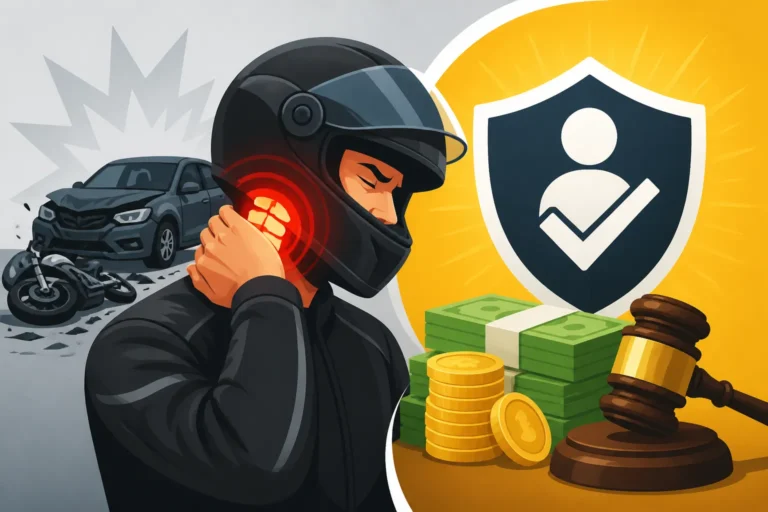
When you've been in a motorcycle accident, the immediate aftermath is often consumed by physical pain, endless doctor's appointments, and the crushing weight of medical bills and lost wages. But beyond these very real and tangible losses, there's another kind of suffering that often gets overlooked, yet cuts just as deep: the profound impact on your ability to enjoy life. This guide is here to help you understand how that intangible, yet incredibly significant, "loss of enjoyment of life" is valued in a motorcycle accident claim, and how you can fight to get what you truly deserve.
Understanding Loss of Enjoyment of Life
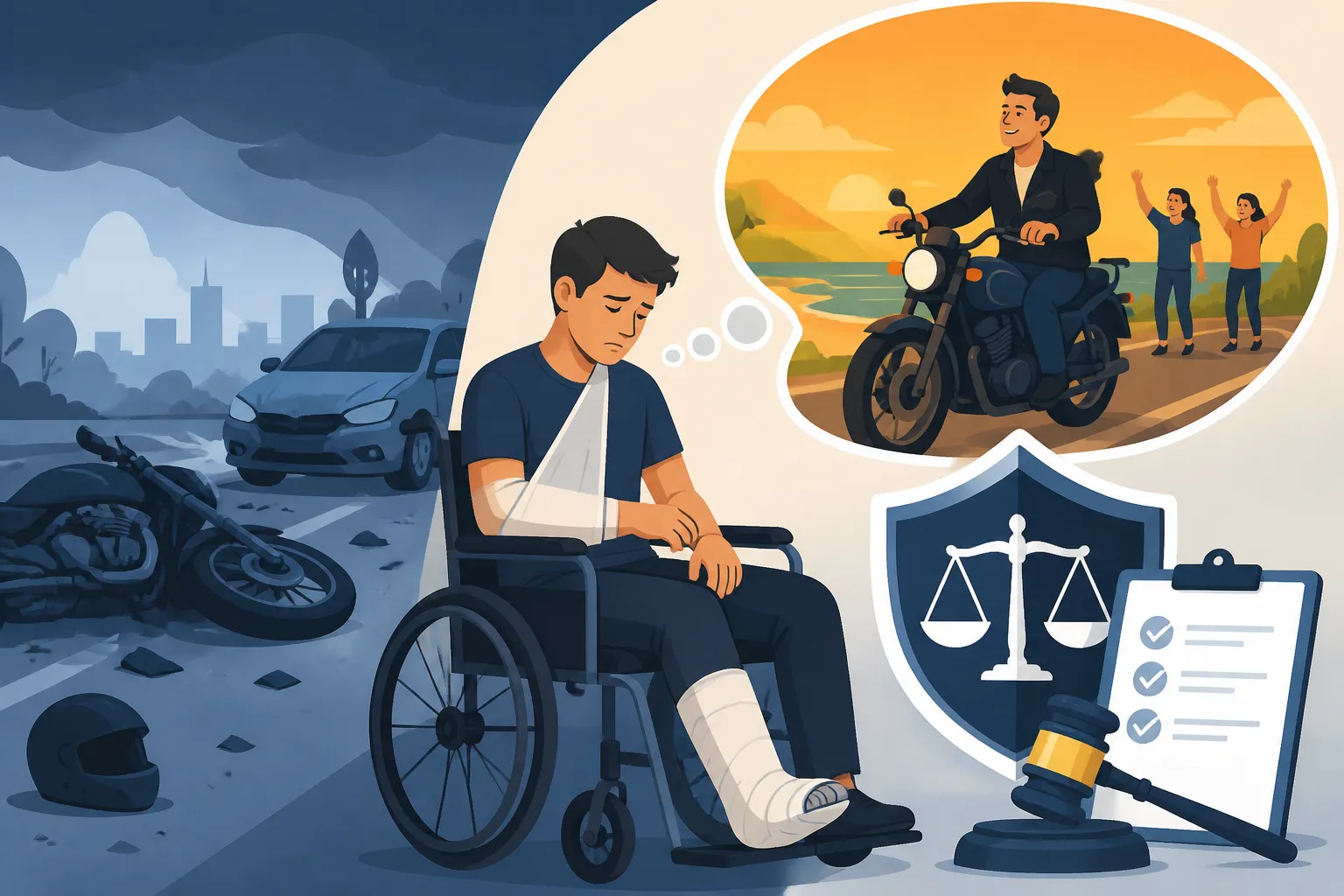
It’s easy to focus on the broken bones, the stitches, the lingering aches, and the sheer financial drain after a motorcycle crash. These are what we call "economic damages" – things that have a clear dollar amount attached to them. But what about the things that don't come with a receipt? What about the joy you once found in cruising down the coast, playing with your grandkids, or even just working on your bike in the garage? When a collision rips those simple pleasures away, that's what we're talking about when we refer to "loss of enjoyment of life." It’s a component of "non-economic damages," and it's absolutely vital to your claim.
This isn't some abstract legal term dreamed up by lawyers; it’s a very real and deeply personal experience. Imagine being an avid surfer before your accident, spending every weekend catching waves. Now, due to a severe knee injury, you can barely stand on a board, let alone paddle out. Or perhaps you were a dedicated musician, and nerve damage in your hands means you can no longer play your guitar. These aren't just inconveniences; they are fundamental shifts in your identity and happiness. The legal system recognizes that these losses are just as valid as your medical bills, though far more challenging to quantify.
How a Motorcycle Accident Robs You of Your Passions
A motorcycle accident has a unique way of impacting a rider's life, often far beyond what a typical car accident might. The sheer exposure on a bike means injuries can be catastrophic, directly leading to a significant reduction or complete loss of life's enjoyment. It's not just about physical pain; it's about the emotional and psychological toll, the feeling of being robbed of who you once were.
Physical Limitations and Their Emotional Wake
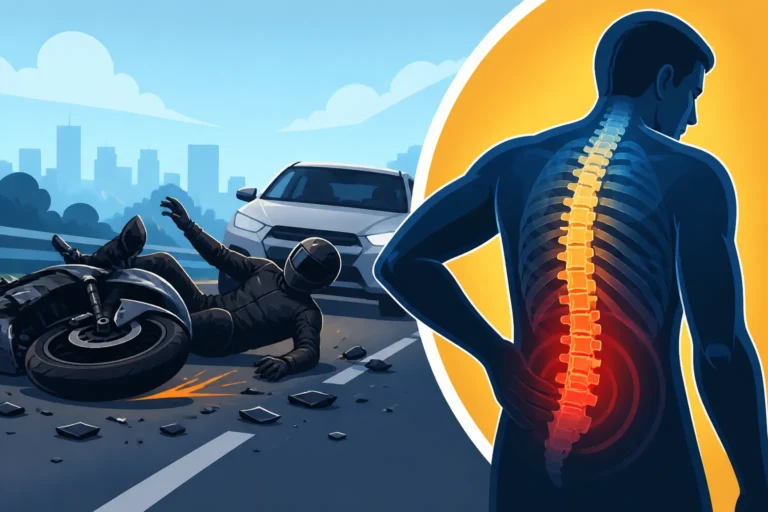
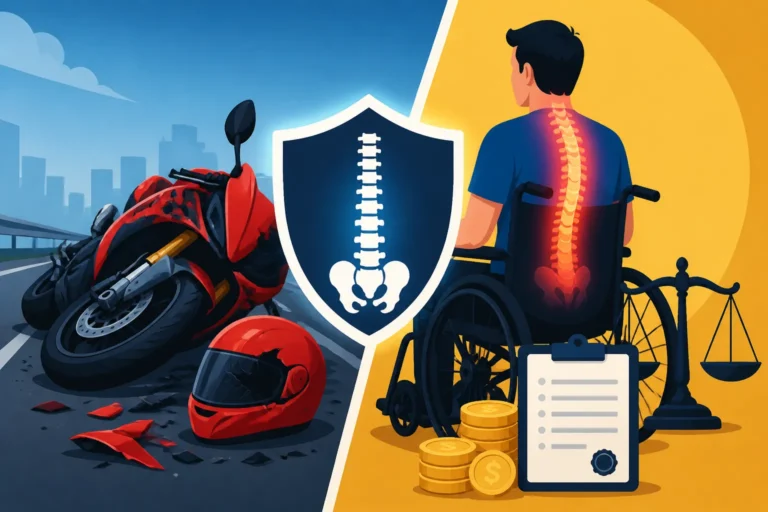
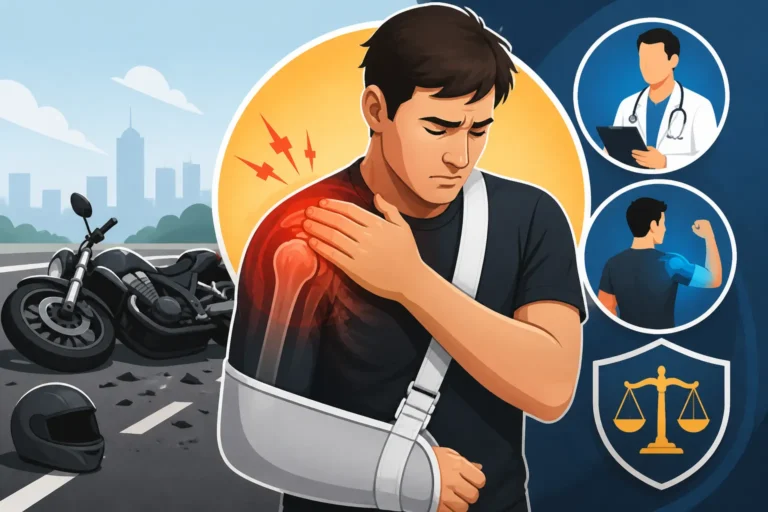
When we talk about severe injuries, we're looking at things like debilitating spinal cord injuries, traumatic brain injuries, or even the loss of a limb. These aren't just medical conditions; they are life sentences that redefine daily existence. A rider who once embraced the freedom of the open road might now be confined to a wheelchair, unable to even consider getting back on a bike. This physical limitation extends to every aspect of life: hobbies, sports, even simple walks with loved ones. The emotional impact of this can be devastating, leading to profound feelings of loss, grief, and isolation. It's important to understand how these types of injuries affect your quality of life. For example, Motorcycle Accident Traumatic Brain Injuries can alter personality, cognitive function, and emotional regulation, making it impossible to engage in activities you once loved or even maintain relationships as you once did. Similarly, Spinal Cord Injuries from Motorcycle Accidents can result in paralysis, irrevocably changing a person's ability to participate in virtually any physical activity.
The Mental and Psychological Scars
Beyond the visible wounds, motorcycle accidents often leave deep psychological scars. Post-traumatic stress disorder (PTSD), severe anxiety, and depression are common among accident survivors. These mental health challenges can make it incredibly difficult to find joy in anything, even if your physical injuries have healed. Imagine dreading every car ride, or being plagued by flashbacks of the crash, preventing you from ever feeling safe or enjoying simple outings. This psychological burden can isolate you from friends and family, making social activities unbearable. It can even affect your sleep, appetite, and overall motivation, further eroding your quality of life. The constant worry about financial strain from medical bills and lost income also exacerbates this mental anguish, creating a vicious cycle that depletes your ability to enjoy even the smallest pleasures.
Documenting Your Lost Joys for a Claim
Proving "loss of enjoyment of life" can feel daunting because it's so personal and intangible. How do you put a price tag on no longer being able to hike your favorite trail, or strum your guitar, or simply pick up your child? While challenging, it's not impossible, but it requires diligent documentation and a clear, consistent narrative of how your life has changed. Remember, the insurance company or a jury can't feel your pain or loss, so you need to paint a vivid picture for them.
Keeping a Detailed Journal
One of the most powerful tools you have is your own voice. Start and maintain a detailed daily or weekly journal from the moment of your accident. This isn't just a record of pain levels; it's a chronicle of your life before and after the crash.
- Before: What activities did you regularly enjoy? List specific hobbies, social events, family outings, physical activities, and even simple pleasures like gardening or reading.
- After: Document every instance where your injuries prevent you from engaging in these activities. Describe the frustration, the sadness, the physical limitations. If you tried to do something and couldn't, or it caused immense pain, write it down. For example, "Tried to go for a short ride on my vintage Harley today, but my shoulder screamed in pain when I tried to turn the handlebars. Had to turn back. Felt completely defeated." This level of detail helps illustrate your changed reality. For more on this, check out our guide on How to Document Your Recovery.
Gathering Witness Testimonies and Photographs
Your personal account is crucial, but outside validation strengthens your claim significantly. Reach out to friends, family members, co-workers, and neighbors who knew you before the accident and can attest to your active lifestyle. Ask them to write sworn statements or be prepared to testify about how your life has visibly changed. Did you used to be the life of the party, and now you rarely leave the house? Did they often see you out riding your motorcycle, and now it sits idle? These observations provide an objective perspective on your subjective loss.
Photographs and videos from before the accident can also be incredibly persuasive. If you have pictures of yourself engaging in hobbies, playing sports, traveling, or participating in family events, they serve as powerful visual evidence of the life you once led. Compare these with your current reality – perhaps a photo of you now struggling with basic tasks, or simply unable to participate in a family gathering you once spearheaded.
Medical and Expert Opinions
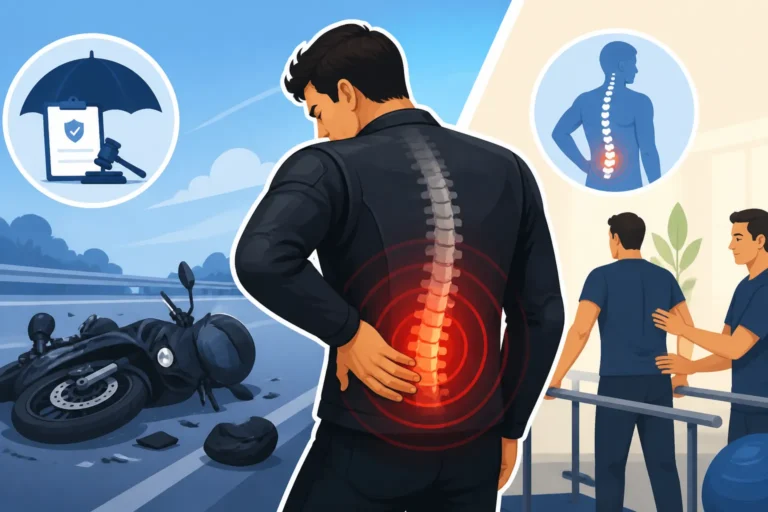
Your medical records are the backbone of any personal injury claim, and they are equally important for substantiating loss of enjoyment. Consistent documentation from your doctors, physical therapists, occupational therapists, and mental health professionals detailing your limitations, prognoses, and the impact of your injuries on your daily functioning will be invaluable. If a doctor notes that you have a permanent loss of range of motion in your arm, preventing you from ever playing golf again, that's crucial.
Beyond your primary care team, you might benefit from expert testimony. A vocational expert can testify on how your injuries affect your ability to perform your job or pursue former career ambitions. An economist can quantify the financial impact of lost earning capacity. In some cases, a therapist or psychologist can provide expert testimony on the psychological impact, linking it directly to your inability to enjoy life as before. All of this helps paint a comprehensive picture of How to Prove Your Injuries and the lasting effects they have on your life.
How Insurers and Courts Value This Intangible Damage
Valuing something as personal as the loss of joy is inherently subjective, and it's where much of the negotiation and litigation in a motorcycle accident claim takes place. Insurance companies, true to form, will try to minimize this value, while your legal team will work tirelessly to maximize it. There isn't a fixed formula, but common methods and factors guide the process.
The "Multiplier" Method for Non-Economic Damages
One common approach that insurance adjusters and legal professionals often use to estimate non-economic damages, including pain and suffering and loss of enjoyment of life, is the "multiplier" method. This involves adding up all your economic damages (medical bills, lost wages, property damage) and then multiplying that total by a number, typically between 1.5 and 5.
- How it works: If your economic damages total $50,000, and your injuries are moderate (e.g., significant fractures, prolonged recovery), an adjuster might use a multiplier of 2 or 3, leading to $100,000 to $150,000 in non-economic damages. If the injuries are severe and life-altering (e.g., Motorcycle Spinal Cord Injury: Claims and Compensation, permanent disability), a higher multiplier of 4 or 5 might be applied.
- Factors influencing the multiplier: The severity and permanence of your injuries, the clarity of fault, the emotional distress you've endured, and the impact on your daily life and future enjoyment all play a role in determining where on that 1.5 to 5 scale your case lands. This is why thorough documentation of your "loss of enjoyment" is so critical; it helps justify a higher multiplier. Understanding How Motorcycle Accident Settlements Are Calculated often involves grasping this method.
The Role of Expert Testimony and Jury Perception
In more serious cases, especially when a settlement cannot be reached and the case goes to trial, expert testimony becomes paramount. Psychologists, rehabilitation specialists, and vocational experts can provide professional opinions on how your injuries have impacted your ability to engage in normal activities and derive pleasure from life. They can articulate the profound shift in your psychological well-being and daily routine that a layperson might not fully grasp.
Ultimately, if your case goes before a jury, their perception is everything. They are tasked with putting a dollar amount on your suffering and lost joy. This is where your journal entries, witness statements, and compelling visual evidence become incredibly powerful. A sympathetic and well-informed jury, moved by the tangible evidence of your intangible losses, is more likely to award a substantial sum for loss of enjoyment. This is also where the skill of a seasoned attorney comes into play, as they are adept at presenting these highly personal stories in a way that resonates with a jury.
Key Factors That Influence the Value of Your Claim
The valuation of loss of enjoyment is not a one-size-fits-all situation. Several crucial factors come into play, each potentially significantly impacting the compensation you might receive. Understanding these elements can help you prepare a stronger case and set realistic expectations.
Severity and Permanence of Injuries
This is perhaps the most significant factor. Minor injuries with a full recovery will naturally result in a much lower valuation for loss of enjoyment compared to catastrophic, permanent injuries. If your injury means you'll never walk again, never use your dominant hand normally, or suffer from chronic pain that prohibits most activities, the impact on your enjoyment of life is profound and long-lasting. For instance, if you sustain a motorcycle traumatic brain injury that leaves you with cognitive deficits or personality changes, the permanent inability to engage in intellectual hobbies or maintain social interactions will be a major component of your claim. The more severe and irreversible the impairment, the higher the potential value for lost enjoyment.
Your Pre-Accident Lifestyle and Activities
The greater the contrast between your pre-accident and post-accident life, the stronger your claim for loss of enjoyment. If you were an incredibly active individual—a marathon runner, an avid motorcyclist, a skilled craftsman, or deeply involved in community events—and your injuries prevent you from continuing these passions, the loss is more evident and quantifiable. Conversely, if your lifestyle was more sedentary before the accident, demonstrating a significant loss of enjoyment might be more challenging, though certainly not impossible. This is why your detailed journal, outlining your life before the crash, is so vital. It paints a picture of what was lost.
Supporting Evidence and Documentation
We can't stress this enough: solid, consistent documentation is your strongest ally. Without tangible evidence, your claim for intangible damages becomes merely "your word against theirs." Medical records outlining your limitations, physical therapy notes detailing your struggles, prescriptions for pain medication, psychological evaluations for emotional distress, personal journal entries, witness statements from friends and family, and photos or videos demonstrating your active past life are all crucial. The more evidence you have that clearly illustrates how your life has diminished, the more persuasive your claim will be. Remember, the goal is to make your subjective experience objective through documented facts. How Medical Records Support Your Claim is a great resource to ensure you gather all necessary information.
The Applicable State Laws and Jurisdiction
Motorcycle accident fault laws vary significantly from state to state, and these laws can profoundly affect how your loss of enjoyment claim is handled and valued. Some states operate under a pure comparative negligence system, like California, where you can recover damages even if you are 99% at fault, though your compensation will be reduced by your percentage of fault. Other states, like Texas, use a modified comparative negligence system, often with a 51% bar, meaning if you are found 51% or more at fault, you might recover nothing. In states with "no-fault" insurance systems, your ability to sue for non-economic damages like loss of enjoyment may be restricted unless your injuries meet a certain severity threshold. Your attorney’s understanding of the specific laws in your jurisdiction is critical for navigating these complexities and ensuring your claim is pursued effectively. Comparative Negligence in Motorcycle Accidents provides more detail on how fault impacts your payout.
The Impact on Relationships and Family Life
Loss of enjoyment isn't just about personal hobbies; it also deeply impacts your relationships with loved ones. If your injuries prevent you from being an active parent, spouse, or friend – unable to participate in family outings, care for your children, or even engage in intimate relationships – this is a significant component of your loss of enjoyment. The emotional distress caused by these strained relationships can be enormous and should be documented. Witness statements from family members can be particularly poignant here, describing how your changed abilities and emotional state have altered the family dynamic.
Here’s a table summarizing how different aspects of your life can be impacted and what evidence might support your claim for loss of enjoyment:
| Category of Life Aspect Lost | Pre-Accident Example | Post-Accident Impact (Loss of Enjoyment) | Key Evidence to Gather |
|---|---|---|---|
| Physical Hobbies/Sports | Avid motorcyclist, hiker, swimmer | Cannot ride, hike due to severe back/leg injury, chronic pain | Medical reports, physical therapy notes, personal journal entries, photos of activities |
| Social Life/Community | Active in clubs, regular outings with friends | Social anxiety, pain, fatigue lead to isolation | Witness statements from friends, therapist notes, journal entries |
| Family Activities | Playing with children, gardening with spouse | Unable to lift, bend, or participate due to injury | Family testimonials, photos/videos, medical reports on functional limitations |
| Travel/Exploration | Loved road trips, camping, international travel | Physical limitations, fear, dependence on others | Journal, travel itineraries (pre-accident), doctor's restrictions |
| Creative Pursuits | Playing an instrument, painting, writing | Nerve damage, tremors, cognitive issues prevent engagement | Expert testimony (e.g., occupational therapist), journal, samples of work (pre-accident) |
| Independence/Autonomy | Self-sufficient, able to perform daily tasks | Requires assistance for bathing, dressing, cooking | Caregiver logs, medical reports, personal journal |
| Intimacy/Relationships | Active, fulfilling intimate relationship | Pain, psychological issues, body image impact intimacy | Therapist notes, personal journal (sensitive information, handle with care) |
| Career/Ambition | Passionate about physically demanding job, career goals | Permanent disability prevents return to work or advancement | Vocational expert report, employer statements, academic records |
Successfully valuing and arguing for loss of enjoyment of life requires a comprehensive approach, combining legal expertise with a deeply personal understanding of your journey. It's about showing the full, tragic scope of what the accident has truly taken from you. To best equip yourself, consider seeking advice from legal professionals who specialize in motorcycle accidents and understand the nuances of non-economic damages. They can help you effectively gather all necessary evidence and build a compelling case to Maximize Your Motorcycle Accident Settlement.
Disclaimer
Please remember that this article provides general information and insights into how loss of enjoyment of life is valued in motorcycle accident claims. It is not a substitute for professional legal advice. Every accident and injury claim is unique, and the outcome depends heavily on specific facts, applicable laws in your jurisdiction, and the quality of legal representation. If you have been involved in a motorcycle accident, it is crucial to consult with a qualified personal injury attorney to discuss your specific situation and understand your legal options.