How Scarring and Disfigurement Affect Settlements
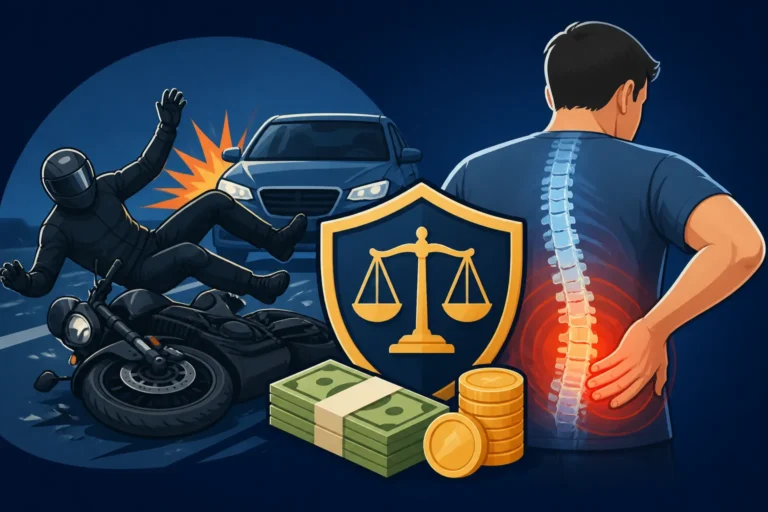
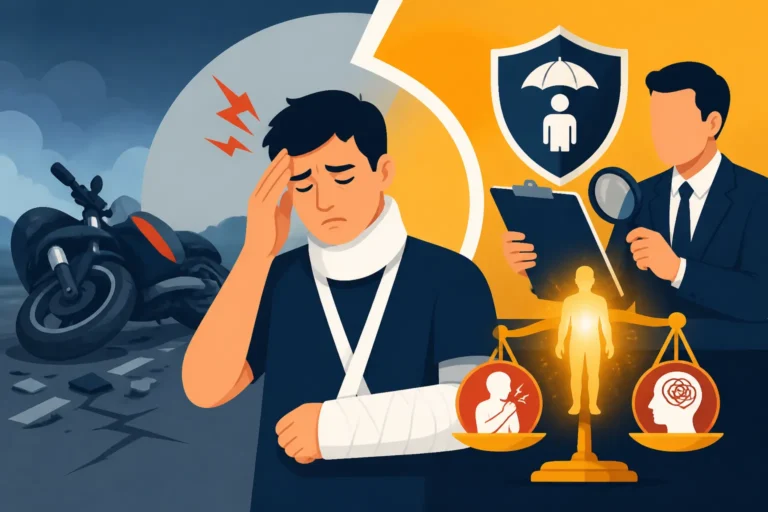
A motorcycle accident can leave you with more than just broken bones or whiplash; the visible scars and lasting disfigurement often carry a profound, silent burden that impacts every facet of your life. It's a cruel reality that while the physical pain might fade, the visual reminders of that traumatic day remain, affecting your self-esteem, social interactions, and even your professional life. This guide is here to shed light on how these often-overlooked injuries are valued in a motorcycle accident settlement, ensuring you understand your full entitlement.
The Profound Impact of Scarring and Disfigurement Beyond the Physical
When you think about the aftermath of a motorcycle accident, the immediate focus is usually on injuries like broken limbs, head trauma, or road rash. And rightfully so, these are incredibly painful and demand immediate medical attention. However, once the initial healing begins, many riders are left grappling with something far more insidious: permanent scarring and disfigurement. These aren't just cosmetic issues; they are injuries that cut deep, affecting a person's identity and sense of self in ways that are hard for an outsider to truly grasp.
Understanding the Layers of Trauma
The physical manifestation of a scar, whether it's from deep road rash, burns, or surgical incisions, is just the tip of the iceberg. Beneath the surface lies a complex web of emotional and psychological trauma. Imagine a rider, let's call him Mark, who used to love hitting the beach in Santa Monica, enjoying the sun and the freedom. After a devastating crash left him with extensive scarring on his arms and legs, he might find himself avoiding public places where his scars are visible. The thought of judgment, pity, or even just curious stares can trigger intense self-consciousness, anxiety, and depression. This isn't vanity; it's a deep-seated psychological impact that can lead to isolation, affect intimate relationships, and even bring on symptoms akin to PTSD. The mirror becomes a constant, painful reminder of what was lost, not just physically, but emotionally.
Social and Professional Repercussions
Beyond the personal struggle, visible scarring and disfigurement can have very real social and professional repercussions. Consider Sarah, a vibrant sales professional whose confidence was her superpower, allowing her to connect effortlessly with clients. A motorcycle accident left her with noticeable facial scarring. Now, she might struggle with self-doubt in client meetings, fearing her appearance overshadows her expertise. While discrimination based on appearance is illegal, the subtle shifts in social interactions can be devastating. People might unintentionally stare, make assumptions, or simply avoid eye contact, making everyday interactions incredibly taxing. For those in public-facing roles, or professions where appearance is a factor, such as modeling, acting, or even certain hospitality jobs, these injuries can directly impact their ability to work, earn a living, and engage with the world as they once did. The ripple effect touches everything, from casual friendships to long-term career prospects.
Legal Recognition of Scarring and Disfigurement as Damages
The legal system understands that not all injuries come with a clear price tag or a bill from the hospital. Some damages are far more personal and profound. When it comes to scarring and disfigurement, the law acknowledges the severe impact these injuries have on a person's quality of life, categorizing them under what are known as non-economic damages. It’s about more than just the cost of medical treatment; it’s about compensating you for what has been taken away in terms of your well-being and sense of normalcy.
Non-Economic Damages: Valuing the Intangible
In the realm of personal injury law, damages are typically split into two main categories: economic and non-economic. Economic damages are quantifiable expenses like medical bills, lost wages, and property damage. Non-economic damages, on the other hand, are designed to compensate you for the subjective, non-monetary losses you've endured. This is where scarring and disfigurement shine a light on the true human cost of an accident. They fall squarely into this category, alongside things like physical pain and suffering, emotional distress, loss of enjoyment of life, and mental anguish.
For a rider who has undergone multiple skin grafts for severe road rash, the pain and suffering are immense. But the lasting scars, the constant itchiness, the tightness of the skin, and the psychological burden of a changed appearance contribute significantly to their non-economic damages. It’s about recognizing that the impact extends beyond the physical injury itself, affecting everything from daily activities to self-perception and social interactions. A comprehensive guide to understanding these aspects can be found in our detailed article on Pain and Suffering Damages Explained. This type of compensation aims to put a monetary value on losses that don't have a direct invoice, acknowledging the profound shift in your life.
Factors Influencing the Value of Scarring and Disfigurement Claims
The value of a scarring or disfigurement claim isn't a one-size-fits-all number; it's meticulously assessed based on a variety of individual factors. Insurers and juries look at the specifics of your situation to determine fair compensation. One of the primary considerations is the location, size, and visibility of the scars. A large, visible scar on your face, hands, or neck will generally warrant higher compensation than a smaller, less noticeable scar on a part of your body typically covered by clothing. For example, a disfiguring injury to a rider's face could carry a much higher settlement value than similar scarring on their thigh, simply because of its constant visibility and direct impact on social interaction.
Another crucial factor is the age and gender of the victim. Younger individuals, especially children or teenagers, might receive higher awards because they will live with the disfigurement for a longer period of their lives, potentially impacting their social development and future opportunities. Similarly, societal expectations regarding appearance can sometimes lead to different valuations based on gender, though legal efforts strive for equitable compensation. The permanence of the disfigurement is also vital. Is it something that will fade significantly over time, or is it a lifelong alteration? Will future surgeries, like scar revision or plastic surgery, be necessary to mitigate its effects? The ongoing need for medical intervention, both physical and psychological, will increase the claim's value. Finally, the impact on daily life and psychological well-being plays a significant role. If the disfigurement causes severe emotional distress, limits activities, or affects relationships, these elements must be thoroughly documented to demonstrate the full scope of your loss. Each of these elements contributes to how How Injury Severity Affects Compensation is calculated in your specific case.
Proving Scarring and Disfigurement for Maximum Settlement
To secure a fair settlement that truly reflects the devastating impact of scarring and disfigurement, you can't just tell your story; you need to prove it with compelling evidence. Insurance companies, and potentially a jury, need to see the tangible and intangible effects of your injuries. This involves a diligent and comprehensive approach to documenting your journey, from the moment of the accident through your recovery and beyond.
Gathering Comprehensive Medical and Visual Evidence
The foundation of any strong personal injury claim lies in robust evidence, and this is especially true for scarring and disfigurement. Your medical records are paramount. These should include detailed notes from emergency room visits, primary care physicians, dermatologists, plastic surgeons, and any mental health professionals you've consulted. These records will chronicle the initial severity of your injuries, the treatments received (such as stitches, skin grafts, or burn care), and any ongoing complications or recommendations for future procedures. Always follow your doctor's advice and attend all appointments, as gaps in treatment can be used by the defense to argue your injuries weren't that serious.
But medical records alone might not paint the full picture of disfigurement. This is where visual evidence becomes incredibly powerful. You should meticulously gather before-and-after photos and videos. "Before" photos from your life prior to the accident can establish your previous appearance, while "after" photos should be taken regularly throughout your healing process to show the evolution and permanence of the scars. High-quality, clear photographs from different angles and lighting conditions are crucial. Some victims even opt for professional photography to ensure the best presentation of their injuries. Beyond images, keeping a personal journal to document your emotional distress, daily pain, struggles with self-consciousness, and limitations caused by the scarring can provide invaluable, firsthand accounts. Our guide on How to Document Injuries for a Claim offers more tips on this critical step.
Expert Testimony and Psychological Evaluations
When the visual evidence and your personal accounts aren't enough, or when the impact is particularly complex, expert testimony can be a game-changer. Imagine your legal team bringing in a board-certified plastic surgeon, like Dr. Chen from UCLA Medical Center, who can testify to the medical permanence of a scar, explain the intricacies of a skin graft, and project the likelihood and cost of future reconstructive surgeries. Their professional opinion carries significant weight, validating the severity and lasting nature of your disfigurement. Similarly, dermatologists can speak to skin damage, and burn specialists can detail the unique challenges of severe burns.
Moreover, the psychological toll of scarring and disfigurement is often profound and requires specialized expertise. A licensed psychologist or psychiatrist can conduct a thorough evaluation, assessing the extent of your emotional distress, anxiety, depression, or even PTSD directly related to your changed appearance. They can then testify in court or provide a detailed report outlining how these injuries have affected your mental health, relationships, and overall quality of life. This kind of professional assessment helps bridge the gap between physical injury and its deeply personal, often invisible, psychological impact, underscoring the Long-Term Effects of Motorcycle Injuries you are enduring. Their testimony helps a jury understand that the harm goes far beyond skin deep.
The Role of Life Care Plans
For truly catastrophic injuries involving significant and permanent scarring or disfigurement, a life care plan becomes an indispensable tool. This isn't just a list of current medical bills; it's a comprehensive, professionally developed document that projects all future medical and non-medical needs and associated costs over your entire lifespan. A certified life care planner, often a registered nurse with specialized training, will meticulously evaluate your injuries, consult with your doctors and specialists, and then create a detailed report.
This plan will itemize expected future medical treatments, including additional cosmetic surgeries, scar revision procedures, laser treatments, specialized wound care, and ongoing therapy (both physical and psychological). It also accounts for prescription medications, adaptive equipment that might be needed due to restricted movement from scar tissue, and even home modifications if your disfigurement impacts mobility or daily living tasks. For instance, if severe burns on your hands limit dexterity, the plan might include costs for occupational therapy and specialized tools. By clearly outlining these future expenses, the life care plan provides concrete evidence of the long-term financial burden of your injuries, significantly strengthening your claim for maximum compensation. This detailed foresight is crucial for calculating How Future Medical Costs Are Calculated in a Motorcycle Claim and ensuring you are not left financially vulnerable down the road.
Strategies for Negotiating Scarring and Disfigurement Settlements
Navigating the settlement process for scarring and disfigurement claims can feel like an uphill battle. Insurance companies are businesses, and their primary goal is to minimize payouts. This means they will often employ tactics to downplay the severity of your injuries, or even try to shift some of the blame onto you. Being prepared for these strategies and knowing how to effectively counter them is vital to protecting your rights and securing the compensation you truly deserve.
Understanding Insurance Company Tactics
Insurance adjusters are skilled negotiators, and they often come to the table with a pre-set idea of what your injuries are "worth" based on generic guidelines. For scarring and disfigurement, they might try to minimize the impact by arguing that the scars are not that visible, or that they will fade over time. They might also suggest that your emotional distress is not as severe as you claim, or even try to attribute it to pre-existing conditions or other life stressors. This is a common tactic, often referred to as trying to poke holes in your story.
Furthermore, there’s a persistent and frustrating "rider bias" that unfortunately exists in the insurance world and among some members of the public. Insurers might subtly (or not so subtly) imply that riders are inherently more reckless, or that their injuries are a natural consequence of their chosen mode of transport. This bias can make them less empathetic to the unique and often severe injuries, like road rash and burns, that motorcyclists frequently sustain. They might argue that if you had been wearing different gear, the scarring would have been less severe, even if you were wearing all legally required and recommended protective equipment. This is why having strong evidence and a clear narrative is so important. Knowing How Insurers Lowball Motorcycle Riders can help you anticipate these moves and prepare a robust counter-argument.
The Power of a Strong Demand Letter
When you're dealing with the aftermath of a motorcycle accident, one of the most critical steps in the settlement process is presenting a powerful and thoroughly documented demand letter to the insurance company. This isn't just a brief note; it's a comprehensive package that clearly and compellingly articulates the full extent of your physical, emotional, and financial damages, with a particular focus on your scarring and disfigurement. Your demand letter should include a detailed narrative of the accident, establishing the other party's fault, and then move into a meticulous breakdown of your injuries. For scarring, this means vividly describing their location, size, visibility, and permanence. It should detail the physical pain, itching, tightness, and functional limitations you've experienced.
Crucially, it must also address the profound emotional and psychological impact. Describe your struggles with self-consciousness, anxiety, depression, and how the disfigurement has affected your social life, relationships, hobbies, and professional pursuits. Back up every claim with hard evidence: medical records, before-and-after photographs, expert reports from plastic surgeons or psychologists, and even entries from your personal injury journal. By presenting a well-organized, fact-based, and emotionally resonant demand letter, you demonstrate the full value of your claim and signal to the insurer that you are prepared to fight for fair compensation. For a deeper dive into crafting this essential document, check out our guide on How to Write a Motorcycle Accident Demand Letter.
When to Consider Litigation
Despite your best efforts and a meticulously crafted demand letter, there may come a point where the insurance company's settlement offer simply doesn't reflect the true impact of your scarring and disfigurement. They might continue to undervalue your non-economic damages, or dispute the necessity of future medical treatments. In such cases, considering litigation, which means filing a lawsuit and potentially going to trial, becomes a necessary strategy. While nobody wants the added stress of a lawsuit, it often serves as the most effective leverage against stubborn insurance companies.
A jury, unlike an insurance adjuster whose job is to minimize payouts, often demonstrates greater empathy for victims with visible, permanent injuries. Seeing the physical manifestations of your suffering firsthand can sway them to award higher damages, particularly for pain and suffering and loss of enjoyment of life. The prospect of facing a jury can sometimes push an insurance company to increase their settlement offer significantly, avoiding the uncertainty and expense of a trial. Your legal team will carefully weigh the potential benefits and risks of litigation, guiding you on whether this is the right path to achieve a just outcome for your scarring and disfigurement. Understanding the nuances of this process is crucial, and you can find more information in our article Motorcycle Accident Settlement vs Trial.
Key Factors in Scarring and Disfigurement Settlement Value
To help you understand how different aspects of your scarring and disfigurement might influence your potential settlement, here's a table outlining key considerations:
| Factor | Description | Impact on Settlement Value |
|---|---|---|
| Visibility | Scars on highly visible areas (face, neck, hands) versus those on areas typically covered by clothing. | Higher value for visible areas due to constant social and psychological impact. |
| Size & Severity | Large, deep, disfiguring scars (e.g., extensive burns, severe road rash) versus smaller, superficial marks. | Larger, more severe scars command higher compensation due to greater physical and emotional distress. |
| Permanence | Scars that are expected to be lifelong versus those that are likely to fade significantly with time or minor treatment. | Permanent disfigurement, especially if untreatable, leads to higher awards for lifelong suffering. |
| Age of Victim | Younger victims (children, teenagers, young adults) vs. older victims. | Higher value for younger victims due to longer duration of suffering and impact on formative years/future opportunities. |
| Gender of Victim | While legally equal, societal norms can sometimes (though unfairly) influence perceived impact on self-esteem and social life. | Aims for equality, but impact on personal appearance may be perceived differently by jurors. |
| Need for Future Treatment | Requirement for reconstructive surgery, laser treatments, scar revision, dermatological care, or ongoing therapy. | Increases settlement to cover projected future medical expenses and associated pain/discomfort. |
| Psychological Impact | Documented evidence of anxiety, depression, PTSD, social phobia, or loss of self-esteem due to the disfigurement. | Significant psychological distress strongly supports higher non-economic damage awards. |
| Impact on Earning Capacity | Disfigurement affecting ability to work, especially in public-facing roles or physically demanding jobs. | Can lead to claims for lost wages and loss of future earning capacity, significantly increasing settlement. |
| Loss of Enjoyment of Life | Inability to participate in hobbies, social activities, or daily routines due to self-consciousness or physical limitations caused by scarring. | Compensates for the diminishment of quality of life and inability to enjoy previous activities. |
Each of these elements contributes significantly to What Affects Your Motorcycle Accident Payout when scarring and disfigurement are involved.
Disclaimer
Please remember that this article provides general information and insights into motorcycle accident claims and is not legal advice. Every accident and injury is unique, and the information presented here may not apply to your specific situation. Laws regarding personal injury and motorcycle accidents vary significantly by state and jurisdiction. It is always recommended to consult with a qualified motorcycle accident attorney to discuss the specifics of your case, understand your legal rights, and receive personalized advice.