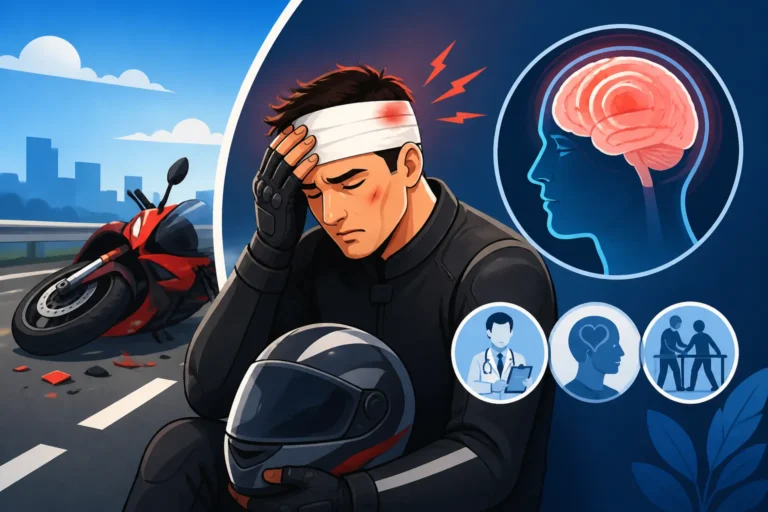
How Pre-Existing Conditions Affect Claims
Riding a motorcycle comes with an undeniable sense of freedom, but it also carries unique risks, and when an accident happens, the fallout can be devastating. Many riders already live with aches, pains, or injuries from previous incidents, sports, or even just life itself. When you’re involved in a motorcycle accident, the insurance companies often try to use these existing conditions against you, suggesting your injuries aren't new but merely old problems flaring up. This guide will walk you through exactly how pre-existing conditions affect your motorcycle accident claim and what you can do to protect your rights.
The "Eggshell Skull Rule" and How It Protects Riders
One of the most important legal principles that often comes into play when a rider has a pre-existing condition is known as the "eggshell skull rule," or sometimes, the "thin skull rule." This rule is a cornerstone of personal injury law and is incredibly beneficial for accident victims, especially motorcyclists who are often more vulnerable to severe injuries.
Understanding the Legal Principle
The "eggshell skull rule" states that a defendant must "take their victim as they find them." What this means is that if someone's negligence causes an injury, they are responsible for all the resulting damages, even if the victim had an unusually fragile physical or psychological condition that made their injuries worse than a "normal" person might have suffered. The defendant cannot argue that because the victim was more susceptible to injury, they should not be held fully accountable for the harm they caused.
Imagine a rider, let's call her Sarah, who has a pre-existing, degenerative disc condition in her lower back, which gives her occasional mild discomfort but doesn't limit her daily life significantly. She's involved in a low-speed rear-end collision on her motorcycle, caused by a distracted driver. While another person might only experience minor whiplash, the impact severely aggravates Sarah's disc condition, leading to excruciating pain, nerve damage, and requiring extensive surgery and long-term rehabilitation. The "eggshell skull rule" ensures that the at-fault driver is responsible for all of Sarah's amplified injuries and costs, not just what a "typical" person might have sustained. It prevents the negligent party from essentially saying, "Well, if you weren't so fragile, you wouldn't be this hurt."
Applying the Rule to Motorcycle Accidents
This principle is particularly vital for motorcyclists. As riders, we know all too well the disproportionate force and trauma our bodies endure in a collision compared to someone safely tucked away in a car. When you combine that inherent vulnerability with a pre-existing condition, the consequences can be catastrophic. Whether it's a prior knee injury that now requires a full replacement after a low-side spill, or a healed fracture that re-breaks in a crash, the rule protects you.
For example, consider a rider like David who had shoulder surgery years ago for a sports injury. He'd recovered well, regained full mobility, and was back to riding without issues. Then, a driver makes an unsafe lane change, clips David's bike, and sends him down. David's previously repaired shoulder takes the brunt of the impact, suffering a rotator cuff tear far more severe than a healthy shoulder might have, leading to complex revision surgery and a much longer recovery. Under the eggshell skull rule, the negligent driver can't escape liability for the extensive damage to David's shoulder by pointing to his old surgery. They are responsible for the full extent of the harm they inflicted, regardless of David's pre-existing susceptibility. This is a critical protection for riders, ensuring that their pre-existing vulnerabilities don't become a free pass for negligent drivers. You can learn more about The Eggshell Skull Rule Explained in depth to understand its nuances.
How Insurers Attempt to Undermine Your Claim with Pre-Existing Conditions
While the "eggshell skull rule" is a powerful legal protection, insurance companies are notoriously clever at trying to minimize their payouts. They often view anyone with a pre-existing condition as an opportunity to reduce their liability, and they have a playbook of tactics they frequently use to achieve this.
Common Tactics Used by Insurance Adjusters
One of the most common ploys is for the insurance adjuster to request an incredibly broad range of your medical history, often going back many years, in an attempt to find any record of prior injury, pain, or medical treatment that they can link to your current symptoms. They will comb through these records with a fine-tooth comb, looking for anything that suggests your current pain or injury is not new, but merely a continuation or re-aggravation of an old problem that they claim the accident did not cause or significantly worsen. They might even try to suggest that the symptoms you're experiencing now are identical to symptoms you had before, implying no new damage.
For example, if you mentioned back pain to your doctor five years ago after a long road trip, an adjuster might seize on that, even if you never had a formal diagnosis or long-term issues. They'll argue, "You had back pain before the accident, so how can we be sure this accident caused your current severe back injury?" This tactic is particularly frustrating because it ignores the significant difference in severity and impact on your life post-accident. Insurers are also known to apply How Insurers Use Rider Stereotypes Against You, often implying that riders are inherently more reckless or prone to injury, which they then try to tie to any pre-existing conditions.
The "Same Pain" Argument and Its Pitfalls
Another frequent argument you'll hear from insurance adjusters is the "same pain" defense. They'll contend that the pain you're describing after the motorcycle accident is fundamentally the same type of pain you experienced before, suggesting the accident didn't create a new injury or significantly worsen an old one. This strategy aims to create doubt about the causal link between the crash and your current debilitating symptoms.
The pitfall here for riders is a lack of meticulous documentation. If your pre-existing condition caused mild, intermittent discomfort, but the accident has now led to constant, severe, radiating pain requiring surgery, the insurance company will still try to gloss over that distinction. They'll focus on the type of injury (e.g., "back pain") rather than its severity, frequency, and impact on your life. This is where detailed medical records are absolutely crucial. Without clear documentation from your doctors describing the new onset of symptoms, the exacerbation of existing ones, and the changed clinical picture, it becomes harder to rebut their "same pain" argument. This approach is a prime example of How Insurers Attack Pre-Existing Conditions to lower settlement offers.
Proving Exacerbation or Aggravation of a Pre-Existing Condition
Successfully navigating a claim with a pre-existing condition hinges on one thing: proving that the motorcycle accident either caused a new injury or significantly worsened (exacerbated/aggravated) an existing one. This isn't always easy, but with the right approach and evidence, it's absolutely achievable.
The Crucial Role of Medical Documentation
When it comes to proving an exacerbation, your medical records are your undisputed best friend. The moment you're involved in a motorcycle accident, it's absolutely critical to seek Why You Should Seek Immediate Treatment, even if you feel relatively okay at the scene. Your primary care physician, emergency room doctors, or specialists need to document your injuries and symptoms thoroughly and immediately. They should note any new complaints, any areas of pre-existing pain that are now worse, and any changes in your mobility or function compared to before the accident.
Detailed records from these medical professionals—including doctor's notes, nurses' observations, diagnostic imaging reports (X-rays, MRIs, CT scans, nerve conduction studies), and prescribed treatment plans—form the backbone of your claim. It's not enough for you to feel worse; the medical records must objectively show it. If you had an MRI before the accident showing mild disc degeneration, and after the accident, a new MRI shows a herniated disc at the same level, that's compelling evidence of aggravation. Consistent follow-up care and adhering strictly to your treatment plan are also vital. Any How Gaps in Treatment Hurt Your Claim can be used by insurers to argue that your injuries weren't serious or weren't related to the crash.
Expert Medical Testimony and Opinion
Sometimes, even with robust medical records, the link between the accident and the aggravation of a pre-existing condition might require expert explanation. This is where medical experts become invaluable. Orthopedic surgeons, neurologists, physical therapists, pain management specialists, or even vocational rehabilitation experts can provide their professional opinion on causation and the extent of the exacerbation.
These experts can conduct a comparative analysis, meticulously reviewing your pre-accident medical records against your post-accident ones. They can explain to an insurance company, or even a jury, how the trauma of the motorcycle accident directly led to the worsening of your specific condition. For instance, a spine specialist could testify that while you had a pre-existing bulging disc, the specific forces of the motorcycle collision caused it to rupture, leading to new symptoms and the need for surgery. If there's any dispute about how the accident happened, an accident reconstruction expert might be needed to demonstrate the forces involved and how they would realistically impact your body, providing a basis for medical experts to build their opinions on causation.
Strategies for Strengthening Your Claim
Even with the "eggshell skull rule" on your side, and even with compelling medical evidence, dealing with insurance companies after a motorcycle accident can feel like an uphill battle. You need to be proactive and strategic in how you manage your claim to counter their tactics effectively.
Be Transparent About Your Medical History
It might feel counterintuitive, but one of the best strategies is to be completely honest about your medical history from the outset, especially regarding any pre-existing conditions. Trying to hide a prior injury or medical issue will almost certainly backfire. Insurance companies will eventually discover it, and when they do, it will severely damage your credibility and raise suspicions about the entire claim. This can give them ammunition to argue that you're being deceptive or that your injuries are not legitimate.
Instead, when discussing your medical history, be upfront about your pre-existing conditions. However, focus the narrative on how the motorcycle accident changed your condition. Emphasize the new symptoms, the increased pain, the loss of function, or the new treatments required that weren't necessary before the crash. If an adjuster asks for medical records, work with your legal counsel to provide relevant sections of your history, rather than giving them unfettered access to everything, which they might use for a "fishing expedition." Your honesty, coupled with a clear articulation of the difference before and after the accident, can often neutralize an insurer's attempts to exploit your medical past.
Documenting Your Injuries and Recovery Journey
Beyond official medical records, your personal documentation can be incredibly powerful in illustrating the impact of your injuries, particularly when a pre-existing condition is involved. This is where keeping an How to Keep an Injury Journal becomes indispensable. Daily entries detailing your pain levels, limitations, treatments, and how the new injury or exacerbation affects your daily life can provide a vivid, firsthand account that complements your medical records.
For instance, if you previously could walk a mile without pain, but now, due to the aggravated knee injury from the crash, you can barely walk a block, record that difference. Note how you can no longer enjoy riding your motorcycle, participate in hobbies, or perform daily tasks you once managed easily. Capture the emotional toll, the frustration, and the impact on your independence. Also, remember to take Photos to Take to Prove Motorcycle Fault of visible injuries, such as bruising, swelling, or scars, and continue to photograph your healing process. Keep meticulous records of all related expenses, including out-of-pocket medical costs, travel for appointments, and any modifications you’ve had to make to your home or routine. These personal accounts provide depth and humanity to your medical claims, making it harder for an insurance company to dismiss your suffering.
The Importance of Legal Counsel
Navigating a motorcycle accident claim, especially one complicated by pre-existing conditions, is incredibly complex and challenging. This is precisely why engaging experienced legal counsel is not just helpful, but often essential. A skilled motorcycle accident attorney understands the nuances of the "eggshell skull rule" and knows how to effectively counter the specific tactics insurance companies use to downplay or deny claims involving prior medical issues.
Your lawyer will anticipate the insurer's arguments and work proactively to gather the necessary evidence. They will coordinate with your medical team to ensure all crucial documentation is collected and that medical experts are prepared to provide compelling testimony if needed. They also understand how to frame your claim to maximize the compensation for the aggravated portion of your injuries, distinguishing it from your prior condition. Attorneys also know how to manage other defenses insurers might employ, such as How Insurers Use the Helmet Defense or attempts to assign Shared Fault in Motorcycle Accidents, ensuring your focus remains on your recovery. While it might seem like an added expense, the expertise of a lawyer often leads to a significantly higher net settlement, as they can negotiate fiercely and often achieve How Much More Do Lawyers Get You in a Settlement than you could on your own.
Calculating Damages with Pre-Existing Conditions
When a pre-existing condition complicates a motorcycle accident claim, calculating damages becomes a more intricate process. It's not just about tallying medical bills; it's about discerning what new costs and suffering are directly attributable to the accident, even if they built upon a prior vulnerability.
Distinguishing Between New Injury and Exacerbation Costs
One of the biggest hurdles is accurately distinguishing between the costs associated with your pre-existing condition and the new or exacerbated damages caused by the accident. The at-fault party is only liable for the additional harm their negligence caused. This means medical bills, rehabilitation expenses, and future care costs must be carefully segmented.
For instance, if you had a prior knee issue requiring occasional physical therapy, but the accident necessitates extensive surgery and long-term specialized care, the insurance company is responsible for the costs of that surgery and the increased therapy and care. Your attorney, working with medical experts, will establish a clear baseline of your health and medical needs before the accident. Then, they will present a detailed account of how your medical expenses have escalated after the crash. This includes the cost of new diagnostic tests, specialist consultations, surgeries, medications, and prolonged physical or occupational therapy. Understanding How Medical Expenses Are Calculated in a Motorcycle Claim involves a meticulous comparison of your medical situation before and after the incident. Similarly, How Lost Wages Are Calculated in a Motorcycle Claim will focus on the income you've lost due to the accident's impact on your ability to work, above and beyond any pre-existing limitations.
Valuation of Pain and Suffering
Calculating non-economic damages like pain and suffering also becomes more nuanced with a pre-existing condition. Insurance companies will invariably argue that a significant portion of your pain and suffering stems from your prior condition, not the accident. However, the law provides for compensation for any increase in pain, emotional distress, loss of enjoyment of life, and inconvenience caused by the accident.
If you lived with manageable, intermittent pain from a pre-existing condition, but now experience constant, debilitating agony, that increased suffering is compensable. Your lawyer will work to quantify this by focusing on how the accident amplified your discomfort, led to new emotional distress, restricted activities you previously enjoyed (even with a pre-existing condition), and overall diminished your quality of life beyond its pre-accident state. This is where your detailed injury journal and the testimony of loved ones can be crucial in illustrating the profound difference. While there's no exact formula, understanding How Pain And Suffering Are Calculated in a Motorcycle Claim often involves a multiplier method applied to economic damages, adjusted to reflect the unique impact of the accident on your specific circumstances.
Comparative Negligence and Pre-Existing Conditions
Beyond just proving that your injuries were caused or worsened by the accident, you might also face arguments related to shared fault, which can impact your overall settlement. It's important to understand how these concepts interact, especially when pre-existing conditions are part of the equation.
Understanding Shared Fault
Many states operate under a system of Comparative Negligence in Motorcycle Accidents. This legal doctrine means that if you are found to be partially at fault for the motorcycle accident, your total compensation can be reduced by your percentage of fault. For example, if you sustained $100,000 in damages but were found 20% at fault, you would only be able to recover $80,000. Some states have "modified comparative negligence" rules (e.g., you can't recover if you're 50% or 51% or more at fault), while others have "pure comparative negligence" where you can recover even if you're mostly at fault, just with your damages reduced proportionally.
Insurance adjusters might try to subtly weave your pre-existing condition into arguments of shared fault. For example, they might imply that because you had a prior injury, you were somehow more vulnerable and therefore, implicitly, more "responsible" for the severity of your own injuries. However, this is a misapplication of the law. Fault for an accident is about actions (or inactions) that contributed to the collision itself, not about your physical predisposition to injury. Speeding, distracted driving, or failing to yield are actions that contribute to fault; having a bad knee is not.
How the Eggshell Rule Interacts with Fault
It's crucial to remember that the "eggshell skull rule" and comparative negligence address different aspects of a personal injury claim. The eggshell skull rule specifically pertains to the damages you can recover once fault is established. It doesn't affect who is at fault for causing the accident.
So, while your percentage of fault (if any) might reduce your overall payout, your pre-existing condition itself does not increase your responsibility for causing the crash. If a driver negligently hit you, they are liable for the full extent of the injuries they caused, even if those injuries were amplified by your pre-existing condition, regardless of whether you were found to be 10% or 20% at fault for the collision. The key takeaway is that the eggshell skull rule protects your right to full compensation for the aggravated injuries, while comparative negligence rules address the cause of the accident. These two principles work in tandem but for different purposes within your claim.
Here’s a quick overview of how the "eggshell skull rule" contrasts with typical insurer tactics:
| Feature | Eggshell Skull Rule | Insurer Tactics (to counter pre-existing conditions) |
|---|---|---|
| Legal Principle | Defendant "takes the victim as they find them"; responsible for all resulting harm, even if amplified by fragility. | Argues new injury is a re-aggravation, not caused by accident, or symptoms are identical to prior issues. |
| Focus | Extent of damages incurred, regardless of victim's susceptibility. | Minimizing new causation by emphasizing prior medical history. |
| Burden of Proof | Plaintiff proves injury/aggravation from accident; defendant cannot use pre-existing condition to reduce liability. | Shifts burden; tries to force plaintiff to prove new injury beyond all doubt, rather than aggravation. |
| Outcome for Plaintiff | Entitled to full compensation for all injuries caused/aggravated by negligence, even if severe due to fragility. | Aims to reduce settlement by arguing a significant portion of injuries/pain existed before and isn't compensable. |
| Evidence Counter | Robust medical records, expert testimony, clear before/after comparison. | Broad medical history requests, "same pain" arguments, downplaying severity increase. |
Disclaimer
Please remember that this article provides general information and insights into motorcycle accident claims and pre-existing conditions. It is not a substitute for professional legal advice. Every accident claim is unique, and the laws regarding personal injury, comparative negligence, and the "eggshell skull rule" can vary significantly by state and specific circumstances. For personalized guidance regarding your situation, it is highly recommended to consult with a qualified motorcycle accident attorney in your area.