How Insurers Use the Helmet Defense
Getting into a motorcycle accident is a terrifying experience, and when you're trying to heal and get back on your feet, the last thing you expect is for the insurance company to try and blame you for your injuries, especially if you weren't wearing a helmet. It feels like an unfair attack, a cynical tactic to reduce what they have to pay. This guide is here to shed light on how insurers wield the "helmet defense" and, more importantly, how you can stand your ground.
Understanding the "Helmet Defense" Tactic
The "helmet defense" is an argument insurance companies frequently employ after a motorcycle accident, particularly when a rider sustained head injuries and wasn't wearing a helmet, or wasn't wearing one that met legal standards. It's essentially an assertion that the rider’s injuries, or at least the severity of them, could have been avoided or significantly reduced had they been wearing a proper helmet. This isn't just about whether you broke a law; it's about whether your actions contributed to your own damages.
The Core Argument Insurers Make
Imagine you're cruising down a sunny highway in a state like Florida, where adults 21 and over aren't universally required to wear a helmet if they have sufficient insurance coverage. You're enjoying the breeze, perhaps with a skull cap on, feeling the freedom of the open road. Suddenly, a distracted driver swerves into your lane, causing a collision. You go down, and tragically, you suffer a severe traumatic brain injury (TBI) despite the other driver being clearly at fault for the collision itself.
The insurance company for the at-fault driver will immediately zero in on the fact that you weren't wearing a DOT-compliant helmet. Their argument isn't that you caused the crash; it's that your choice not to wear a helmet exacerbated your injuries. They'll claim that had you been wearing a helmet, your head injury might have been a minor concussion, or perhaps entirely avoided, and therefore, they shouldn't be fully liable for the extensive medical bills, lost wages, and pain and suffering associated with your TBI. This is a classic example of how the helmet defense reduces settlements.
Distinguishing the Defense from Fault for the Accident
It’s crucial to understand that the helmet defense doesn't necessarily argue that you were at fault for causing the accident itself. The other driver might still be 100% responsible for running a red light or making an unsafe lane change. However, in many states, if your actions contributed to the severity of your injuries, it can reduce the amount of compensation you're entitled to. This concept often falls under the umbrella of "comparative negligence" or "contributory negligence," depending on your state's laws.
For instance, in a comparative negligence state, if a jury determines the other driver was 90% at fault for the crash, but your failure to wear a helmet was 10% responsible for your head injury, your total compensation for that injury could be reduced by 10%. Even in states with strict liability rules for car drivers who cause accidents, the helmet defense can be a powerful tool for insurers to chip away at the total settlement value. It's a nuanced distinction that can have a massive impact on your recovery, making it feel like a slap in the face when you're already suffering.
How Insurers Construct Their Case Against Your Claim
Insurance companies are profit-driven entities, and their primary goal is to minimize payouts. When they see a motorcycle accident claim involving a rider without a helmet, they see an immediate opportunity to deploy the helmet defense. They have well-established tactics and resources to build their case, making it incredibly challenging for unrepresented riders to fight back effectively.
Leveraging Medical Records and Expert Testimony
The first thing an insurer will do is pore over your medical records. They're looking for any indication that your head injury was made worse by the absence of a helmet. They'll review initial EMS reports, emergency room doctor's notes, CT scans, MRI results, and any subsequent neurological evaluations. They want to confirm the diagnosis of a head injury and then connect it directly to the lack of head protection.
Beyond just your medical records, insurance companies aren't shy about hiring their own medical experts, such as forensic accident reconstructionists or biomechanical engineers. These experts will analyze the accident scene, the impact points, the speed involved, and the forces exerted on your body. They'll then provide testimony or reports arguing that, based on scientific principles, a DOT-compliant helmet would have significantly mitigated or prevented your specific head injury. They might even cite specific studies on motorcycle helmet effectiveness. For example, if you purchased your gear from a reputable place like Cycle Gear, and it still somehow failed, they might even try to deflect blame onto the gear itself, though this is less common than blaming the absence of gear. This type of expert testimony can be very persuasive to a jury and is a major component of how insurers use the helmet defense.
Citing State Helmet Laws and Regulations
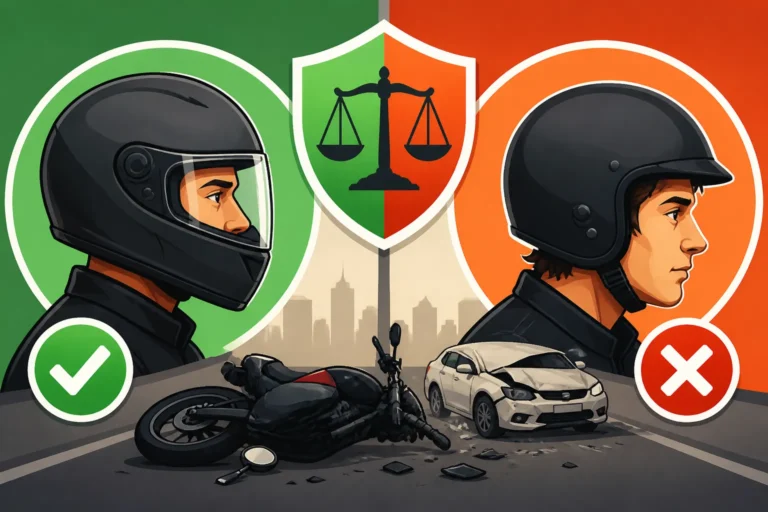
The specific helmet laws in your state play a pivotal role in the insurer's strategy. There's a big difference between universal helmet laws (like California's, requiring all riders to wear one) and partial helmet laws (like Texas', often requiring helmets only for riders under 21, or those without adequate insurance).
- Universal Helmet Law States: In states with a universal helmet law, if you weren't wearing a helmet, the insurer has a much stronger legal position. They can argue not only that your injuries were exacerbated but also that you were breaking the law at the time of the accident. This can significantly increase the percentage of fault assigned to you for your own injuries, sometimes making it difficult to recover damages.
- Partial or No Helmet Law States: In states where helmets aren't universally mandated for all riders, the insurer's argument shifts. They can't claim you broke a law, but they can still argue that you acted negligently by not protecting yourself, especially if you were engaged in a high-risk activity like motorcycling. The absence of a helmet law doesn't mean the helmet defense disappears; it just changes the legal angle. They might argue that a "reasonably prudent person" would wear a helmet regardless of the law due to the inherent dangers of riding. Understanding these distinctions is critical, and knowing your state's specific rules can greatly influence how helmet laws affect your accident claim.
The "Avoidable Consequences" Doctrine
Many states apply a legal principle known as the "avoidable consequences" doctrine, also sometimes referred to as the "mitigation of damages" rule. This doctrine generally states that an injured party has a duty to take reasonable steps to minimize their damages after an injury. Insurers will argue that failing to wear a helmet is a failure to mitigate potential damages before an accident even occurs.
Let's say you're in Arizona, a state with partial helmet laws. You're over 21, so you're not legally required to wear a helmet. However, after your crash, the insurance company argues that you could have avoided or lessened your brain injury by wearing a helmet, even if it wasn't legally mandated. They are essentially saying that your choice to ride without maximum protection falls short of your duty to act reasonably to protect yourself. This isn't about blaming you for the collision, but for the extent of your injuries, especially those that are easily preventable by basic safety gear. It's a tricky area that really highlights why riders often feel unfairly targeted.
Strategies to Counter the Helmet Defense
The helmet defense can feel like an uphill battle, but it's not insurmountable. There are specific strategies and arguments that can be employed to protect your claim and ensure you receive the compensation you deserve, even if you weren't wearing a helmet at the time of the crash.
Proving Lack of Causation
The most direct way to counter the helmet defense is to demonstrate that the absence of a helmet did not cause or worsen your injuries. This requires careful analysis and often involves expert testimony to refute the claims made by the insurer's experts.
- Injury Not Head-Related: If your injuries are primarily to other parts of your body—like a broken leg, severe road rash, or spinal cord injuries—the helmet defense is largely irrelevant. A helmet wouldn't have prevented those types of injuries. Your attorney can argue forcefully that the helmet defense is a distraction, attempting to shift blame for injuries unrelated to head protection. For instance, if you suffered an injury like a broken leg motorcycle accident, a helmet would have no bearing on that.
- Head Injury Unavoidable Even With Helmet: In some severe accidents, the forces involved are so extreme that even a DOT-compliant helmet might not have prevented the head injury. For example, if you suffered a crushing injury or a direct impact to the base of the skull, an expert might be able to testify that the type of injury sustained was not a classic impact injury that a helmet is designed to prevent. This requires sophisticated accident reconstruction and biomechanical analysis to show that the injury mechanism was beyond what a helmet could reasonably protect against.
- Pre-existing Conditions: Sometimes, an insurance company might try to attribute all head-related issues to the accident and lack of a helmet, even if you had a pre-existing condition. Your legal team can leverage medical history to show that certain symptoms or conditions were present before the accident, thereby weakening the insurer's claim that the helmet's absence was the sole or primary cause of the current severity.
Challenging the "Reasonably Prudent Person" Standard
In states without universal helmet laws, where the insurer argues you acted negligently by not wearing one, you can challenge their definition of a "reasonably prudent person." This involves examining the context and common practices in your riding community.
- Common Local Practices: If you live in a state where many riders lawfully choose not to wear helmets (for instance, certain parts of Pennsylvania or Ohio for riders over 21 with insurance), your attorney might argue that your actions were consistent with the common and legal practices of other reasonable riders in that area. It's not always about what could have been done, but what a reasonable person in your specific circumstances would have done.
- Personal Choice vs. Legal Requirement: The core of this argument is emphasizing that a personal choice, made within the bounds of the law, should not automatically equate to negligence. If the state legislature has explicitly made helmet-wearing optional for certain riders, then exercising that option, without other reckless behavior, should not automatically lead to reduced compensation for injuries. This approach often delves into the intricacies of your state's specific helmet laws and how they are interpreted in personal injury cases.
| Argument for Helmet Defense (Insurer) | Counter-Argument (Rider) |
|---|---|
| Failure to wear helmet caused/worsened head injury. | Absence of helmet did not directly cause specific injury, or injuries were unavoidable given impact severity. |
| Rider violated state helmet law. | Helmet use was not legally required for rider's age/insurance status; injury unrelated to helmet use. |
| Rider failed to mitigate damages. | Injuries were not head-related; the avoidable consequences doctrine doesn't apply to these specific injuries. |
| "Reasonably prudent person" would wear a helmet. | Rider's choice was legal and consistent with local riding culture and valid personal liberty considerations. |
| Expert opinion links helmet non-use to injury severity. | Competing expert opinion shows causation link is weak or non-existent, or helmet wouldn't have prevented injury. |
Protecting Your Claim from the Start
While no one plans for an accident, knowing how insurers operate before a crash can significantly strengthen your position if one does occur. Taking proactive steps can either prevent the helmet defense from being a factor or provide strong evidence to refute it.
Always Wear a DOT-Compliant Helmet
This might seem obvious, but it's the single most effective way to eliminate the helmet defense. Regardless of your state's laws, wearing a high-quality, DOT-compliant helmet is your best defense against head injuries and against insurance company tactics. Helmets are designed to absorb impact, spread force, and protect your skull and brain. Investing in a good helmet from a reputable retailer like Cycle Gear, ensuring it fits correctly, and replacing it after any significant impact are all crucial steps.
Remember, a "novelty" helmet that doesn't meet DOT standards offers little to no protection and can be just as detrimental to your claim as wearing no helmet at all, as insurers can argue it failed to provide reasonable protection. Always check for the DOT sticker on the back of the helmet and consider reputable brands that meet higher safety standards like Snell or ECE. Wearing proper protective gear as evidence in a claim can demonstrate your commitment to safety, which can indirectly help counter negative stereotypes about riders.
Documenting Your Helmet Use
If you were wearing a helmet, documenting it immediately after an accident is vital.
- Photos and Videos: Take clear photos of your helmet at the accident scene, showing it on your head (if possible and safe), or clearly depicting its damaged condition if it came off during the impact. Show the DOT sticker if visible.
- Witness Testimony: If witnesses are present, get their statements affirming you were wearing a helmet.
- Police Report: Ensure the police officer notes that you were wearing a helmet in their accident report. If the report omits this crucial detail or incorrectly states you weren't wearing one, you must address it immediately. How a police report can hurt your claim if it's inaccurate is a serious issue.
- Medical Records: Make sure emergency responders and hospital staff document your helmet use in your medical records.
This evidence can definitively shut down any attempt by an insurer to use the helmet defense against you.
Seeking Immediate Legal Counsel
After a motorcycle accident, especially if you sustained injuries and there's any question about helmet use, your absolute first step after medical attention should be to contact an experienced motorcycle accident lawyer. Insurers will start building their case against you almost immediately, and you need someone on your side protecting your interests.
A lawyer specializing in motorcycle accidents understands the nuances of helmet laws, comparative negligence, and how insurance companies unfairly assign blame to riders. They can investigate the accident, gather evidence, consult with experts, and build a strong counter-argument to the helmet defense. They know how to prove the other driver was at fault, and they'll work to ensure that any arguments about your helmet use don't unfairly diminish your rightful compensation. Don't go it alone; navigating these complex legal waters requires expert guidance. You can learn more about how to fight an unfair fault assignment through legal avenues.
The helmet defense is a real and often frustrating hurdle in motorcycle accident claims. But with understanding, preparation, and skilled legal representation, you can navigate these challenges and protect your right to a fair settlement.
Disclaimer
The information provided in this guide is for general informational purposes only and does not constitute legal advice. Motorcycle accident laws vary significantly by state, and the outcome of any legal claim depends on the specific facts and circumstances. It is crucial to consult with a qualified attorney to discuss your individual situation and legal options.