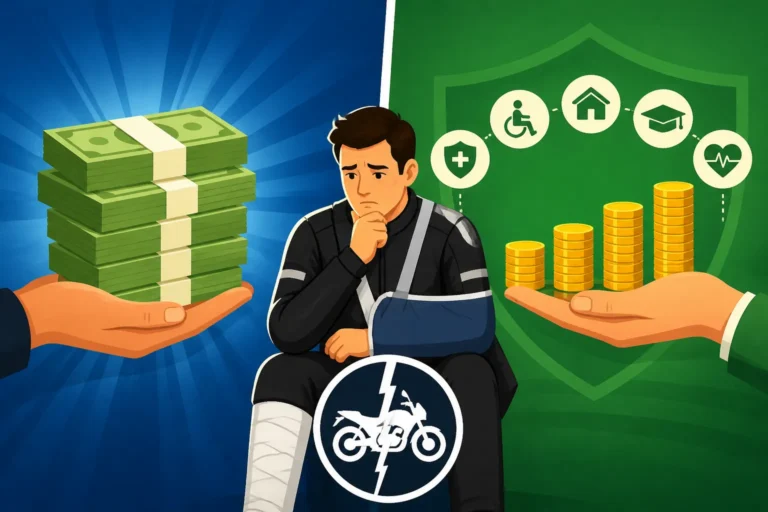
Average Motorcycle Accident Settlement in Michigan
Dealing with the aftermath of a motorcycle accident in Michigan can feel overwhelming, especially when medical bills pile up, you're missing work, and you're wondering what your financial recovery might look like. Many riders struggle to understand how their specific situation translates into a potential settlement amount. This comprehensive guide will break down the crucial factors that influence motorcycle accident settlements in Michigan, helping you understand the process and what to realistically expect.
Understanding Motorcycle Accident Settlement Averages in Michigan
It’s natural to wonder, "What's the average motorcycle accident settlement in Michigan?" However, the truth is, a single "average" figure can be incredibly misleading. Every motorcycle accident is a unique confluence of circumstances, injuries, and legal nuances, especially within Michigan's distinct legal framework. Relying on a broad average might set unrealistic expectations or cause you to undervalue your legitimate claim.
The Elusive "Average" Settlement Figure
When people search for "average settlement," they're often hoping for a simple number, like "$50,000" or "$200,000." But the reality is far more complex. Insurance companies, courts, and legal professionals evaluate cases on a granular level. Factors like the severity of your injuries, the clarity of fault, the extent of your financial losses, and even the specific insurance policies involved all contribute to a highly individualized outcome. What might be considered a fair settlement for a minor road rash injury is drastically different from a claim involving a traumatic brain injury or spinal cord damage. To genuinely understand what your case might be worth, you have to dig deeper into these specific elements. The goal isn't to find a magic number, but to understand the range and the components that build up a settlement.
Key Elements That Drive Settlement Values
Think of a motorcycle accident settlement as a puzzle where each piece adds to the complete picture. The value isn't arbitrary; it's meticulously calculated based on a range of verifiable and quantifiable damages, alongside more subjective elements. These key elements are what truly dictate what affects your motorcycle accident payout.
- Severity of Injuries: This is perhaps the most significant factor. Catastrophic injuries, such as paralysis, amputations, or severe traumatic brain injuries, will naturally lead to much higher settlements due to extensive medical costs, long-term care needs, and profound impact on quality of life. Minor injuries like sprains or minor fractures, while painful, will typically result in lower settlements.
- Medical Expenses (Past and Future): Every dollar spent on emergency care, hospital stays, surgeries, rehabilitation, physical therapy, medications, and future medical needs directly impacts your economic damages. Detailed medical records are essential to prove these costs.
- Lost Wages and Earning Capacity: If your injuries prevent you from working, your lost income from the time of the accident until you can return, as well as any future reduction in earning capacity due to permanent disability, will be factored in. This can be particularly significant for self-employed riders or those with specialized skills.
- Pain and Suffering: These are non-economic damages, covering physical pain, emotional distress, mental anguish, loss of enjoyment of life, and inconvenience. While harder to quantify, they often constitute a substantial portion of a settlement, especially in cases of severe, long-lasting injuries.
- Property Damage: The cost to repair or replace your motorcycle, helmet, gear, and any other personal property damaged in the crash is a straightforward economic damage.
- Liability and Fault: Who was at fault in a motorcycle accident is crucial. If the other driver was clearly 100% at fault, your claim will generally be stronger. However, if there's shared fault in Michigan, this can reduce your potential payout significantly, as we'll discuss further.
- Insurance Policy Limits: The maximum amount of coverage available from the at-fault driver's insurance policy, as well as your own uninsured/underinsured motorist (UM/UIM) coverage, can ultimately cap your settlement. Even if your damages are extensive, you generally can't recover more than the available policy limits unless you pursue a personal lawsuit against the at-fault individual's personal assets, which is often difficult.
Michigan's Unique Legal Landscape for Motorcycle Claims
Michigan operates under a distinctive no-fault auto insurance system, which significantly impacts how motorcycle accident claims are handled. Unlike many states where you primarily seek compensation from the at-fault driver's insurer immediately, Michigan's system has specific rules for motorcycle riders. Understanding these nuances is paramount to pursuing a successful claim.
Navigating Michigan's No-Fault System for Riders
For typical car accidents in Michigan, personal injury protection (PIP) benefits from your own auto insurance policy cover medical expenses and lost wages, regardless of who caused the accident. This is where motorcycle accidents differ. Because motorcycles are not considered "motor vehicles" under Michigan's no-fault act for PIP purposes, motorcyclists generally cannot claim PIP benefits from their own auto insurance policy if they also own a car.
Instead, if you are injured in a motorcycle accident involving a motor vehicle (like a car, truck, or van), your PIP benefits will typically come from the auto insurer of:
- The owner of the motor vehicle involved in the accident.
- The driver of the motor vehicle involved in the accident.
- Your spouse's auto insurer (if applicable).
- Your own auto insurer (if you own a car and have one, but only if none of the above apply).
- The Michigan Assigned Claims Plan (if no other insurance source is identifiable).
This unique "priority rule" for motorcycle PIP can be incredibly confusing for injured riders. It means you might be seeking your immediate medical and wage loss benefits from an insurance company you've never dealt with before, which can lead to delays and disputes. Without an experienced advocate, navigating this system can quickly become a bureaucratic nightmare. It's one of the reasons why understanding What to Do After a Motorcycle Accident] is so important in Michigan.
How Comparative Fault Impacts Your Payout in Michigan
Even with Michigan's no-fault aspects for immediate benefits, when it comes to recovering non-economic damages like pain and suffering, the state still follows a modified comparative negligence rule. This means that if you are found partially responsible for the motorcycle accident, your total damages award can be reduced by your percentage of fault.
For example, if a jury determines your total damages are $100,000, but finds you were 20% at fault, your recoverable amount for non-economic damages would be reduced to $80,000. Crucially, under Michigan law, if you are found to be more than 50% at fault, you generally cannot recover any non-economic damages. This "51% bar rule" is a critical aspect of Comparative Negligence in Motorcycle Accidents] and can completely bar a substantial portion of your settlement if not carefully managed. Insurance companies are well aware of this and will often try to assign as much blame as possible to the motorcyclist, leveraging common rider stereotypes against you. Proving fault in a motorcycle accident, especially when the other driver might claim they "didn't see the motorcycle," requires robust evidence and a clear understanding of traffic laws and accident reconstruction.
Calculating Your Potential Damages After a Michigan Motorcycle Crash
Understanding the types of damages you can claim is essential for calculating a fair settlement. Motorcycle accidents often result in severe injuries, leading to significant economic and non-economic losses. A comprehensive evaluation of these damages is critical to ensuring you receive adequate compensation.
Assessing Economic Losses: Medical Bills and Lost Income
Economic damages are the quantifiable financial losses you incur due to the accident. These are generally easier to calculate because they come with receipts, invoices, and pay stubs.
- Medical Bills: This category includes everything from the ambulance ride and emergency room visit to specialist consultations, diagnostic tests (X-rays, MRIs), surgeries, hospital stays, prescription medications, and long-term physical therapy or rehabilitation. It's not just current bills; it also encompasses future medical costs, which can be substantial for permanent injuries. For instance, a spinal cord injury could require lifelong care, adaptive equipment, and home modifications. You need to keep meticulous records of all medical expenses and treatments. Even if your PIP benefits cover initial medical care, severe injuries can quickly exceed those limits, making it crucial to account for all costs.
- Lost Wages and Earning Capacity: If your injuries prevent you from returning to work, or if they force you into a lower-paying job, you are entitled to compensation for lost income. This includes wages, bonuses, commissions, and benefits you missed out on. For long-term or permanent disabilities, assessing loss of earning capacity involves calculating the difference between what you would have earned over your lifetime and what you are now projected to earn. This often requires expert testimony from vocational and economic specialists. For self-employed individuals, proving lost wages can be more complex, often requiring tax returns, business records, and testimonies from clients or colleagues to establish pre-accident income levels. Remember, How Lost Wages Are Calculated] can be a complex endeavor, but it's vital for a full recovery.
Valuing Non-Economic Damages: Pain, Suffering, and Emotional Distress
Non-economic damages compensate you for the subjective, intangible losses that don't come with a bill, but profoundly impact your life. These include physical pain, emotional distress, mental anguish, disfigurement, inconvenience, and the loss of enjoyment of life.
- Pain and Suffering: This is often the largest component of a motorcycle accident settlement, especially for severe injuries. It acknowledges the physical agony endured, the discomfort of recovery, and the chronic pain that might persist. How much compensation for motorcycle pain and suffering is highly subjective and depends heavily on the severity and duration of your injuries, the impact on your daily life, and how effectively these impacts are communicated. For example, a severe road rash that requires skin grafts and leaves permanent scarring will warrant higher pain and suffering damages than a minor bruise.
- Emotional Distress and Mental Anguish: Many motorcycle accident victims experience significant psychological trauma, including anxiety, depression, post-traumatic stress disorder (PTSD), and fear of riding again. These emotional impacts are very real and compensable. Documentation from mental health professionals, personal journals detailing your struggles, and testimony from loved ones can help substantiate these claims. The long-term effects of motorcycle injuries often include a significant psychological toll that should not be overlooked.
- Loss of Enjoyment of Life: This compensates for your inability to participate in activities and hobbies you once enjoyed due to your injuries. If you can no longer ride your motorcycle, play with your children, pursue a favorite sport, or even perform simple household tasks, this is a legitimate claim.
Establishing the value of non-economic damages often involves a "multiplier method" where economic damages are multiplied by a factor (e.g., 1.5 to 5 or higher) depending on the severity and permanence of the non-economic impacts. However, it's not a strict formula, and negotiation plays a huge role.
Strategies to Maximize Your Michigan Motorcycle Accident Settlement
Securing a fair settlement after a motorcycle accident in Michigan isn't just about waiting for an offer; it's about proactively building a strong case. This requires careful attention to detail and, often, expert guidance.
Thorough Documentation and Evidence Collection
From the moment an accident occurs, every action you take can impact your potential settlement. Diligent documentation is your most powerful tool.
- At the Accident Scene: As soon as you can safely do so, document everything. Take photos and videos of the accident scene from multiple angles, showing vehicle positions, road conditions, traffic signs, skid marks, and any debris. Get contact information from witnesses and exchange insurance information with the other driver. Do not admit fault at the scene, even casually. Remember the critical steps in Motorcycle Accident Evidence for Proving Fault].
- Medical Records: Seek immediate medical attention, even if you feel fine, as some serious injuries have delayed symptoms. Follow all medical advice and attend every appointment. Gaps in treatment can be used by insurance companies to argue your injuries aren't serious or weren't caused by the accident. Maintain a detailed injury journal, documenting your pain levels, limitations, and how your injuries affect your daily life. Your medical records, including diagnostic imaging and physician notes, are the bedrock of proving your injuries.
- Financial Records: Keep meticulous records of all accident-related expenses: medical bills, pharmacy receipts, therapy costs, lost wage statements, receipts for damaged gear or property, and even transportation costs to medical appointments.
- Police Report: Obtain a copy of the police report. While not always definitive, it can provide crucial details about the accident, including initial observations, citations issued, and witness statements. A police report can sometimes hurt your claim, but knowing what it says allows you to address any inaccuracies.
The Critical Role of Legal Representation
While some minor claims might be handled without a lawyer, given the complexities of Michigan's no-fault system, the severe nature of common motorcycle accident injuries, and the bias against riders, having an experienced attorney on your side can make a monumental difference.
- Understanding Michigan Law: A Michigan motorcycle accident attorney understands the intricacies of the state's no-fault laws, priority rules for PIP benefits, and the comparative fault system. They can navigate these complexities to ensure you receive all entitled benefits and pursue full compensation.
- Dealing with Insurance Companies: Insurance adjusters are trained to minimize payouts. They will often present lowball settlement offers, attempt to shift blame, or use rider stereotypes to devalue your claim. An attorney can handle all communication with insurance companies, protecting you from making statements that could harm your case. They know how to counter an insurance offer effectively.
- Accurate Case Valuation: An attorney can accurately calculate the full extent of your damages, including future medical costs and lost earning capacity, which are often underestimated by individuals. They can bring in expert witnesses (medical, economic, accident reconstruction) to strengthen your case.
- Negotiation and Litigation: A skilled attorney will negotiate aggressively on your behalf. If a fair settlement cannot be reached, they are prepared to take your case to court. The threat of litigation itself often encourages insurers to offer a more reasonable settlement. The decision of Motorcycle Accident Settlement vs Trial] is a significant one, and your attorney can guide you through it.
- Peace of Mind: After a serious accident, your focus should be on recovery. An attorney handles the legal burdens, allowing you to concentrate on your health. They often work on a contingency fee basis, meaning you don't pay upfront, and their fees are a percentage of your settlement, making legal help accessible. If you're wondering, How Motorcycle Accident Lawyers Get Paid], it's typically a percentage of the final settlement.
Table: Estimated Settlement Ranges for Common Motorcycle Injuries in Michigan (Illustrative)
Please remember that these are illustrative ranges only and not guarantees. Actual settlement amounts vary widely based on individual circumstances, the specifics of the accident, evidence available, insurance policy limits, and the skill of your legal representation. These figures assume clear liability on the part of the other driver and take into account Michigan's modified comparative fault rules.
| Injury Type | Description | Estimated Settlement Range (Michigan) | Key Factors Influencing Range |
|---|---|---|---|
| Minor Injuries | Sprains, bruises, minor road rash, whiplash, soft tissue strains. | $5,000 – $25,000 | Extent of medical treatment, recovery time, impact on daily activities. |
| Moderate Injuries | Fractures (non-surgical), severe road rash requiring significant treatment. | $25,000 – $100,000 | Need for physical therapy, temporary work disability, scarring, initial pain and suffering. |
| Serious Fractures/Internal | Complex fractures requiring surgery, internal organ damage, concussions. | $100,000 – $350,000 | Surgical costs, extended recovery, potential for permanent impairment, lost wages, significant pain & emotional distress. |
| Severe Head/Spinal Injuries | Traumatic Brain Injury (TBI), spinal cord injury, paralysis, amputations. | $350,000 – $1,000,000+ | Lifelong medical care, permanent disability, loss of earning capacity, profound pain & suffering, emotional trauma, home mods. |
| Wrongful Death | Fatal accident leading to loss of life. | $500,000 – Multi-Million | Loss of financial support, funeral expenses, pain & suffering of the deceased (if applicable), emotional anguish of survivors. |
These figures underscore the importance of understanding How Motorcycle Accident Settlements Are Calculated] and why it's critical to consider all damages, both economic and non-economic.
Disclaimer
Please remember that the information provided in this guide is for general informational purposes only and does not constitute legal advice. Every motorcycle accident case is unique, and the laws governing such cases are complex and subject to change. It is crucial to consult with a qualified Michigan motorcycle accident attorney to discuss the specifics of your situation and receive personalized legal advice.