How Much Compensation for Motorcycle Nerve Damage
Experiencing a motorcycle accident is terrifying enough, but when the dust settles and you realize you're dealing with persistent pain, numbness, tingling, or even weakness that just won't go away, it often points to nerve damage. This kind of injury can be incredibly frustrating and debilitating, impacting not just your ability to ride, but your entire quality of life and even your career. Figuring out what your claim might be worth for such an insidious injury can feel overwhelming, but this guide will help you understand the compensation you could be entitled to.
The Insidious Nature of Motorcycle Accident Nerve Damage
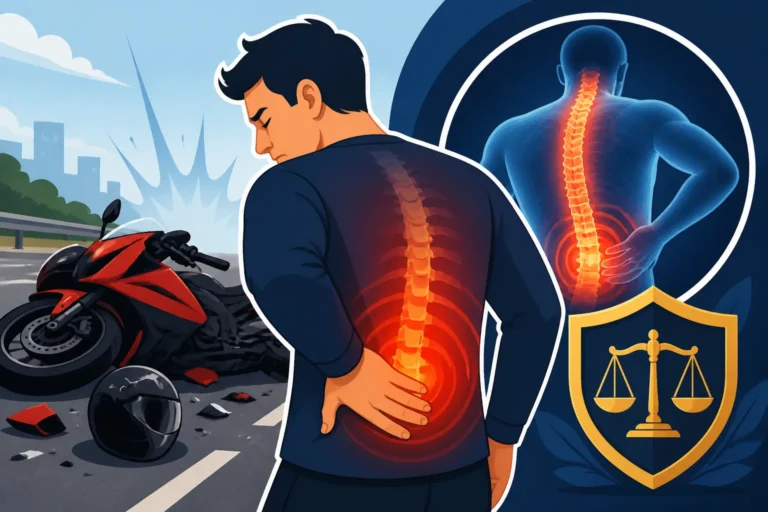
Unlike a clean bone break or a visible cut, nerve damage from a motorcycle accident is often a silent tormentor, making it particularly challenging to deal with. You might not see it, but you definitely feel its impact. It can manifest in a myriad of ways, from a constant burning sensation to complete loss of function, and these symptoms can sometimes take days, weeks, or even months to fully emerge after the initial trauma. This delayed onset can make connecting the dots back to the accident especially difficult without proper medical attention and documentation.
Understanding Different Types of Nerve Injuries
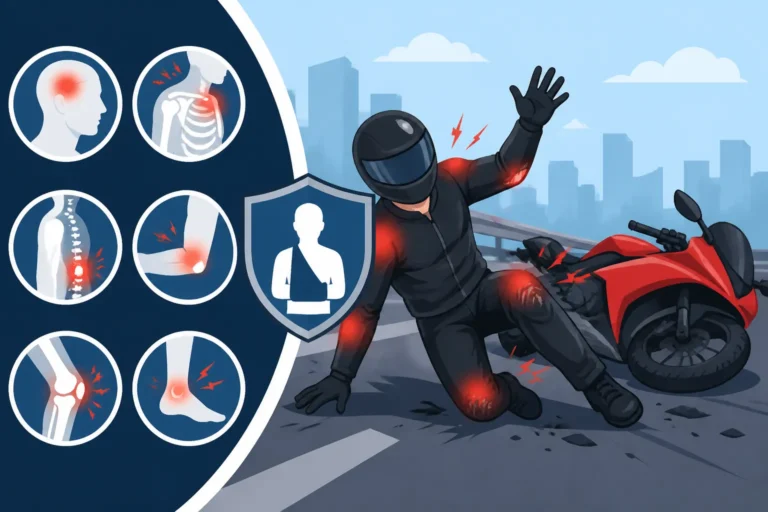
Nerve damage isn't a one-size-fits-all diagnosis; it covers a broad spectrum of injuries, each with its own specific challenges and implications for a personal injury claim. Knowing what type of nerve damage you're facing can help you articulate the full extent of your suffering and potential losses.
One common and severe type is a brachial plexus injury, often sustained when a rider is thrown from their bike or experiences a direct impact to the shoulder. The brachial plexus is a network of nerves that originates in the neck and extends down the arm, controlling movement and sensation. Damage here can lead to profound weakness, numbness, or even paralysis in the arm and hand. Imagine trying to grip the handlebars again if you have a significant brachial plexus injury—it's often impossible, effectively ending your riding days and potentially your ability to perform many daily tasks or work a physical job.
Then there's peripheral neuropathy, which involves damage to nerves outside the brain and spinal cord. This can result in persistent pain, tingling, numbness, and muscle weakness, often in the extremities. A rider might experience this in their legs or feet, making it difficult to operate the foot controls of a motorcycle or even walk comfortably. This constant discomfort isn't just a nuisance; it can disrupt sleep, concentration, and overall well-being. Injuries like "Motorcycle Spinal Cord Injury: Claims and Compensation" can also involve significant nerve damage, often leading to far-reaching consequences.
Another painful type is radiculopathy, which occurs when a nerve root in the spine is compressed or irritated, leading to pain, numbness, or weakness that radiates along the nerve's pathway. A herniated disc from a forceful impact can easily cause this, sending shooting pain down a rider's leg or arm. This can make simple movements, like turning your head or lifting an arm, excruciating. These invisible injuries often lead to chronic pain and necessitate long-term medical management, impacting your ability to engage in hobbies, work, and even basic self-care.
Immediate and Long-Term Symptoms to Document
The immediate aftermath of a motorcycle accident is chaotic, and nerve damage symptoms might not be at the forefront of your mind, especially if you have other more obvious injuries. However, it's crucial to pay close attention to any changes in sensation, strength, or function in the days and weeks following the crash. Did you notice a sudden tingling in your fingers? Was there a patch of skin on your leg that felt numb to the touch? Did you have trouble lifting your arm or did a foot feel weak? These early signs are vital for linking your nerve damage directly to the accident.
Long-term, nerve damage can lead to chronic pain syndromes, muscle atrophy, permanent numbness, or even complex regional pain syndrome (CRPS), a severe and debilitating chronic pain condition. The impact can extend beyond the physical, causing significant emotional distress, anxiety, and depression as you grapple with a new reality of persistent discomfort and limitations. Documenting these changes thoroughly, from your initial doctor's visits to ongoing therapy and specialist consultations, is paramount. This detailed record helps to build a strong case for your claim, providing objective evidence of the subjective pain you're experiencing. Understanding "How to Document Injuries for a Claim" is incredibly important here.
Key Factors Influencing Nerve Damage Compensation
When it comes to getting compensation for motorcycle nerve damage, there's no magic number. It's a highly individualized process that depends on a complex web of factors. Insurers, and later courts if necessary, will scrutinize every detail to determine the fair value of your claim. This isn't just about covering your initial emergency room visit; it's about accounting for a lifetime of potential challenges.
Severity and Permanency of the Injury
This is arguably the most critical factor. A minor, temporary nerve impingement that resolves with a few weeks of physical therapy will naturally yield less compensation than a severe, permanent brachial plexus avulsion that leaves you with a paralyzed arm. The extent of the nerve damage directly correlates with the amount of medical care required, the limitations you'll face, and the overall disruption to your life.
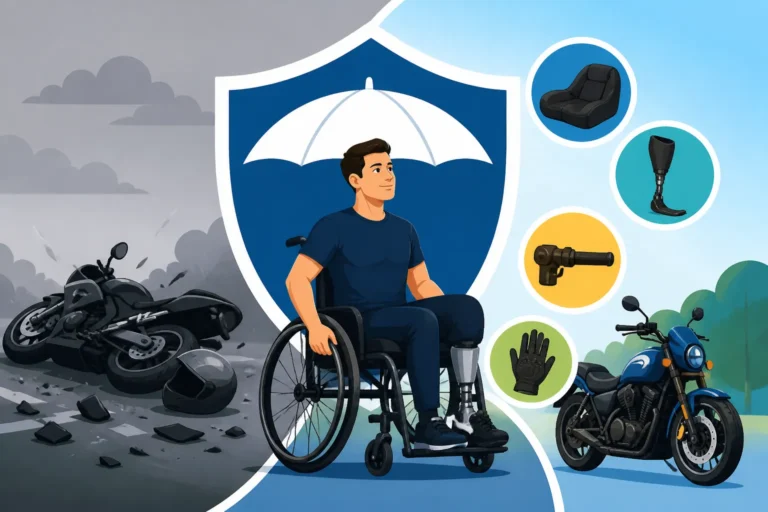
For instance, if you've suffered a complete severance of a major nerve, the prognosis for full recovery is often grim, leading to long-term or permanent disability. This means you might need ongoing rehabilitative therapy, assistive devices, or even vocational retraining if you can no longer perform your previous job. The permanency of your injury is often determined by medical experts who assess your "maximum medical improvement" (MMI), a point at which your condition is not expected to improve further. If your nerve damage is deemed permanent, the compensation awarded will reflect the lifelong impact on your physical and emotional well-being.
Medical Expenses and Future Care Needs
Motorcycle nerve damage often requires extensive and expensive medical intervention. This can start with emergency treatment, but quickly move to a series of diagnostic tests like MRIs, CT scans, nerve conduction studies (NCS), and electromyography (EMG) to pinpoint the exact location and extent of the damage. These tests aren't cheap. Following diagnosis, treatment might involve medication, physical therapy, occupational therapy, pain management injections, or even complex surgeries to repair or decompress nerves.
Beyond immediate treatment, consider the long-term. Will you need ongoing physical therapy for years? Are there specialized medications you'll have to take for chronic nerve pain? Will you require adaptive equipment, such as special braces or modified tools for work? These future medical costs, which can easily run into hundreds of thousands of dollars over a lifetime, must be meticulously calculated and included in your claim. This is where "How Future Medical Costs Are Estimated" becomes a crucial part of your overall settlement.
Impact on Quality of Life and Earning Capacity
This factor delves into how your nerve damage has fundamentally altered your daily existence and your ability to earn a living. Nerve damage can steal your independence, joy, and financial stability. If you can no longer participate in activities you once loved, like riding your motorcycle, playing an instrument, or engaging in sports, that constitutes a loss of enjoyment of life. This is a significant non-economic damage that needs to be accounted for.
Furthermore, if your nerve damage prevents you from returning to your previous job or limits your ability to perform tasks, your earning capacity is severely impacted. A construction worker who develops carpal tunnel syndrome after nerve damage in their wrist might be unable to continue their trade. A graphic designer with chronic arm pain might struggle to use a mouse and keyboard for extended periods. This "loss of earning capacity" is distinct from simply lost wages for time off work; it's about the diminishment of your ability to earn income over the rest of your career. These are crucial elements of "Types of Damages in a Motorcycle Accident Claim."
Calculating Compensation for Your Nerve Damage
Determining the monetary value of a nerve damage claim is a multi-faceted process that involves both objective financial losses and subjective personal suffering. It's not just about what's printed on a hospital bill; it's about the profound way your injury has reshaped your life.
Economic Damages: The Tangible Costs
Economic damages are the calculable financial losses you've incurred or will incur due to your nerve damage. These are often easier to quantify because they come with receipts, bills, or clear wage statements.
- Medical Bills: This includes everything from the ambulance ride and emergency room treatment to diagnostic tests, specialist consultations, surgeries, medications, and ongoing physical or occupational therapy. Every single bill related to your nerve damage needs to be collected and submitted.
- Lost Wages: If your nerve damage prevented you from working, you're entitled to compensation for the income you lost during your recovery period. This includes not only your regular salary or hourly wages but also any missed bonuses, commissions, or benefits. For self-employed riders, this can involve documenting past income and projecting lost business opportunities. Detailed information on "How Medical Bills Affect Your Settlement" and "How Lost Wages Are Calculated" can be very helpful here.
- Loss of Earning Capacity: As mentioned earlier, this goes beyond current lost wages. If your nerve damage permanently impairs your ability to earn at the same level as before the accident, a vocational expert might be called upon to assess this long-term financial impact.
- Property Damage: While not directly related to your nerve injury, the damage to your motorcycle and any personal items (helmet, gear) is also an economic loss that should be included in your claim.
- Out-of-Pocket Expenses: Don't forget the smaller, often overlooked costs like transportation to medical appointments, parking fees, prescription co-pays, assistive devices, or even home modifications if your injury requires them.
Non-Economic Damages: The Intangible Toll
This category accounts for the non-monetary losses, often referred to as "pain and suffering." These are harder to put a specific price tag on, but they are absolutely crucial for a comprehensive nerve damage settlement.
- Pain and Suffering: This is the physical pain and discomfort you endure because of your nerve damage. Nerve pain, in particular, can be chronic, excruciating, and notoriously difficult to manage. It's not just the sharp, initial pain but the persistent, burning, shooting, or tingling sensations that become a daily reality. This includes the distress of undergoing surgeries and painful rehabilitation. Understanding "Pain and Suffering Damages Explained" is vital.
- Emotional Distress: Living with chronic nerve pain and the limitations it imposes can lead to significant emotional distress, including anxiety, depression, anger, frustration, and even post-traumatic stress disorder (PTSD). The inability to enjoy activities you once loved can be profoundly depressing.
- Loss of Enjoyment of Life: If your nerve damage prevents you from pursuing hobbies, spending quality time with family, or engaging in recreational activities, you are experiencing a loss of enjoyment of life. For many riders, the inability to get back on their bike is a profound loss.
- Loss of Consortium: If your nerve damage impacts your relationship with your spouse or partner, leading to a loss of companionship, intimacy, or household contributions, they may also have a claim for loss of consortium.
In many personal injury cases, especially those involving severe and permanent nerve damage, a "multiplier" method is often used by insurers and attorneys to estimate non-economic damages. This involves taking the total economic damages and multiplying them by a factor (typically between 1.5 and 5, or even higher for catastrophic injuries) based on the severity and permanency of the injury.
Here's a simplified table illustrating how different factors contribute to nerve damage compensation:
| Factor | Type of Damage | Impact on Compensation |
|---|---|---|
| Injury Severity | Non-Economic | Higher for permanent, debilitating nerve damage (e.g., paralysis, loss of limb function). |
| Medical Treatment | Economic | Directly tied to cost of surgeries, therapies, medications, diagnostic tests. |
| Future Care Needs | Economic | Accounts for ongoing therapy, prescriptions, assistive devices, and future surgeries. |
| Lost Wages | Economic | Compensation for time unable to work due to injury and recovery. |
| Loss of Earning Capacity | Economic | If permanent damage reduces ability to work or earn at pre-injury level. |
| Pain & Suffering | Non-Economic | Directly related to intensity, duration, and chronic nature of nerve pain. |
| Emotional Distress | Non-Economic | Psychological impact: anxiety, depression, PTSD from living with chronic pain/disability. |
| Loss of Enjoyment of Life | Non-Economic | Inability to pursue hobbies, sports, social activities due to nerve damage limitations. |
The Claims Process and Proving Nerve Damage
Navigating the aftermath of a motorcycle accident and pursuing a claim for nerve damage can feel like an uphill battle. Insurance companies are notorious for trying to minimize payouts, and nerve damage, being less visible, can sometimes be harder for them to grasp the full extent of. This is why a strategic approach, backed by solid evidence, is absolutely critical.
Gathering Comprehensive Medical Evidence
The backbone of any nerve damage claim is irrefutable medical evidence. You need to establish a clear link between the motorcycle accident and your nerve injury. This means seeking immediate medical attention after the crash, even if your symptoms seem minor at first. Gaps in treatment can be used by the defense to argue that your injuries weren't severe or weren't caused by the accident.
Beyond initial evaluations, you'll need diagnostic tests like nerve conduction velocity (NCV) studies, electromyography (EMG), and advanced imaging such as MRIs or CT scans. These tests provide objective data about nerve function and damage. Consistent follow-up with neurologists, orthopedic specialists, pain management doctors, and physical therapists is vital. Every medical record, doctor's note, therapy report, and prescription should be meticulously collected. These documents not only prove your injury but also demonstrate the ongoing nature of your treatment and the severity of your condition.
It's also beneficial to keep a detailed pain journal. Document your daily pain levels, how the nerve damage affects your sleep, mood, daily activities, and any medications you take. This personal account can be incredibly powerful in illustrating the real-world impact of your injury. When you are looking to "How to Prove Your Injuries," these records are your best friend.
Expert Testimony and Vocational Assessment
For serious nerve damage cases, medical expert testimony often becomes essential. A neurologist or other specialist can explain to a jury or insurance adjuster the precise nature of your nerve injury, its prognosis, the required future medical care, and how it impacts your bodily function. Their professional opinion can lend significant weight to your claim, particularly when dealing with complex conditions like CRPS or severe brachial plexus injuries.
If your nerve damage has affected your ability to work, a vocational rehabilitation expert can provide a professional assessment of your loss of earning capacity. They can evaluate your pre-injury career, your current limitations, and determine how much your earning potential has been diminished over your lifetime. This is a crucial piece of evidence for securing full economic damages. In some cases, an accident reconstruction expert may even be needed to "How Accident Reconstruction Determines Fault" if the circumstances of the crash are disputed.
The Role of a Motorcycle Accident Attorney
Let's be real: navigating a nerve damage claim on your own against a well-funded insurance company is an incredibly tough ask, especially when you're also dealing with debilitating pain and recovery. Insurance adjusters are trained to minimize payouts and will often try to settle quickly for less than your claim is truly worth. They might even try to use common "Rider Bias in Fault Determination" against you, implying that you, as a motorcyclist, were inherently more reckless.
This is where a knowledgeable motorcycle accident attorney truly shines. They understand the nuances of nerve damage claims, the legal precedents, and how to effectively negotiate with insurance companies. They can gather and organize all your medical records, coordinate with medical and vocational experts, and build a compelling case that clearly demonstrates the extent of your injuries and losses. Furthermore, they can help you understand "How Comparative Negligence Reduces Your Payout" if there's any dispute about shared fault in the accident.
An attorney can advocate fiercely on your behalf, ensuring that all aspects of your economic and non-economic damages are considered. They can help you avoid common pitfalls, like accepting a lowball offer prematurely or signing away your rights. In cases involving severe nerve damage, where future medical costs and long-term disability are major concerns, having an experienced legal professional by your side can significantly increase your chances of securing the maximum possible compensation, allowing you to focus on your recovery without the added stress of legal battles. If you're wondering "Do You Need a Motorcycle Accident Lawyer," for nerve damage, the answer is almost always a resounding yes. They are essential to "How to Maximize Your Motorcycle Accident Settlement."
Disclaimer
The information provided in this guide is intended for general informational purposes only and does not constitute legal or medical advice. Every motorcycle accident claim is unique, and the compensation you may receive for nerve damage will depend on the specific facts and circumstances of your case, as well as the laws of your state. It is highly recommended to consult with an experienced motorcycle accident attorney to discuss your individual situation and understand your legal rights and options.