Free Legal Help for Motorcycle Accident Victims
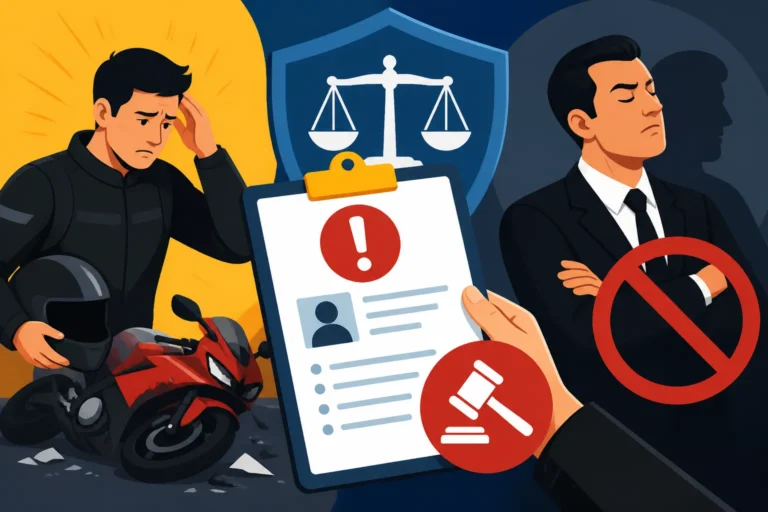
Being involved in a motorcycle accident is one of the most terrifying and overwhelming experiences a rider can face. Beyond the immediate shock and the pain of injuries, many victims quickly realize the crushing weight of medical bills piling up, lost income from being unable to work, and the daunting prospect of dealing with stubborn insurance companies. It often feels like you're fighting an uphill battle, alone and without the resources you need. This guide is here to walk you through how you can access free legal help, ensuring you understand your rights and options without adding another financial burden to your plate.
Understanding the Need for Legal Representation After a Motorcycle Accident
When you've been in a motorcycle crash, the last thing you're thinking about is legal jargon or insurance policies. You're focused on healing, recovering, and trying to get your life back on track. However, the period immediately following an accident is also crucial for protecting your future, and that's where legal representation becomes incredibly important.
The Immediate Financial Strain and Medical Costs
Let's be real: motorcycle accidents are almost always serious. Unlike someone in a car, you don't have a metal cage around you for protection. This means injuries are often severe, leading to astronomical medical bills. We're talking about emergency room visits, ambulance rides, surgeries, physical therapy, prescription medications, and potentially long-term care. These costs can quickly deplete savings, max out credit cards, and push families into deep financial distress. Imagine breaking your leg in a crash; the initial hospital stay alone can be tens of thousands of dollars, and that's before months of rehabilitation. If you're out of work due to your injuries, which is highly probable, those lost wages just add another layer of stress. Trying to manage these expenses while also trying to recover physically and emotionally is simply too much for one person to handle. This is why understanding the various types of damages in a motorcycle accident claim is so vital.
Navigating Complex Legal and Insurance Challenges
Insurance companies are not on your side, no matter how friendly their adjusters might seem. Their primary goal is to pay out as little as possible to protect their bottom line. They have teams of lawyers and investigators whose job is to find any reason to deny or devalue your claim. They might try to blame you for the accident, even if you were clearly not at fault. They might dispute the severity of your injuries or suggest that your medical treatment was excessive.
For example, if you were involved in a Left-Turn Motorcycle Accidents Explained, where a car turned in front of you, the liability might seem obvious. However, an insurance company might argue you were speeding, or that you could have avoided the collision, trying to shift blame to you under comparative negligence laws. This is a common tactic to reduce your potential settlement. Without a legal expert by your side, you could easily be tricked into accepting a lowball offer or inadvertently saying something that harms your case. Many riders wonder, "Do You Need a Motorcycle Accident Lawyer?" and the answer is almost always a resounding yes when significant injuries are involved.
Exploring Avenues for Free Legal Consultations
The good news is that you don't have to navigate these treacherous waters alone, and you often don't need upfront cash to get expert legal advice. Many attorneys understand the financial bind accident victims are in and offer initial services at no cost.
Initial Free Consultations with Personal Injury Law Firms
The most common way to get free legal help after a motorcycle accident is through an initial free consultation offered by personal injury law firms. Almost every reputable personal injury lawyer understands that accident victims are under immense financial pressure and cannot afford hourly rates right after a crash. These consultations are exactly what they sound like: a meeting, either in person, over the phone, or via video call, where you discuss the details of your accident and injuries with an attorney, and they assess the viability of your case, all without charging you a dime.
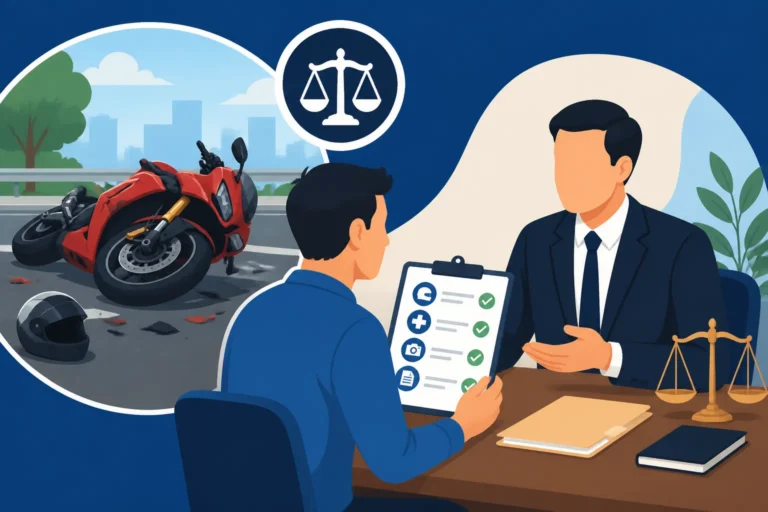
During this meeting, the lawyer will ask you questions about what happened, who was involved, the extent of your injuries, and any evidence you've gathered. They'll listen to your story, review any documents you might have, and give you an honest appraisal of your legal options. This is also your chance to ask them questions and get a feel for whether they're the right fit for you. It's a crucial first step in determining "When to Hire a Motorcycle Accident Lawyer". You might find yourself describing the scene of the crash, the details of your treatment, and the ways your life has been impacted. This conversation helps them evaluate how fault is determined in motorcycle accidents and estimate the potential value of your claim.
Online Legal Matching Services and Directories
In today's digital age, finding a lawyer has become much more accessible, even from your couch. Online legal matching services and directories are fantastic tools designed to connect individuals with attorneys who specialize in their specific legal needs and offer free initial consultations.
Think of platforms like LegalMatch. These services allow you to enter details about your motorcycle accident, your location, and the type of legal help you need. The platform then uses this information to match you with qualified personal injury attorneys in your area who are interested in taking on your case. These attorneys will often reach out to you directly, offering a free consultation. It's an efficient way to get multiple perspectives and find a lawyer who is a good fit without spending hours cold-calling firms. LegalMatch streamlines the process, saving you time and stress, especially when you're still recovering from injuries. You can often compare profiles, read reviews, and get a better sense of a lawyer's experience before even speaking with them. This is particularly useful for those who aren't sure where to start when trying to figure out "How to Choose a Motorcycle Accident Attorney".
Contingency Fee Agreements: "No Win, No Fee" Representation
Beyond the initial free consultation, the concept of "free legal help" extends deeply into how personal injury lawyers structure their fees. This is often where the real magic happens for accident victims.
How Contingency Fees Work in Practice
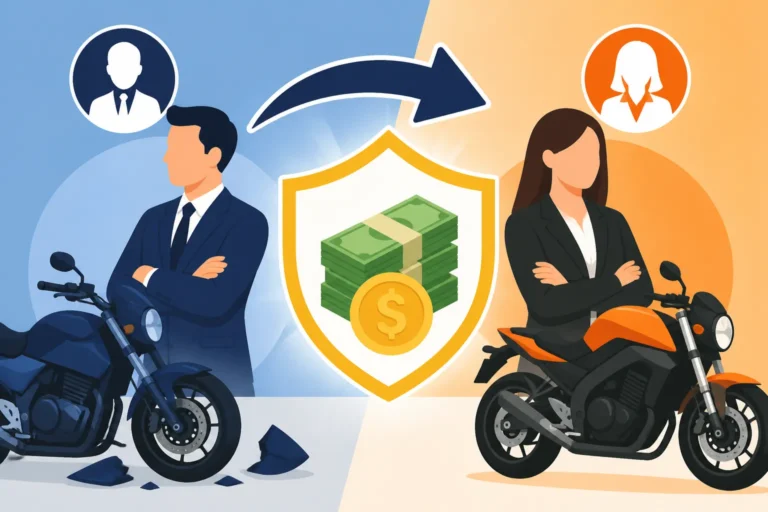
The vast majority of personal injury attorneys, especially those specializing in motorcycle accidents, work on a contingency fee basis. What this means is simple: you don't pay any attorney fees unless they win your case. If they secure a settlement or a favorable verdict at trial, their payment is a pre-agreed percentage of the total amount recovered. If they don't win, you owe them nothing for their time and effort. This arrangement is a lifeline for many accident victims who couldn't otherwise afford to hire a skilled lawyer.
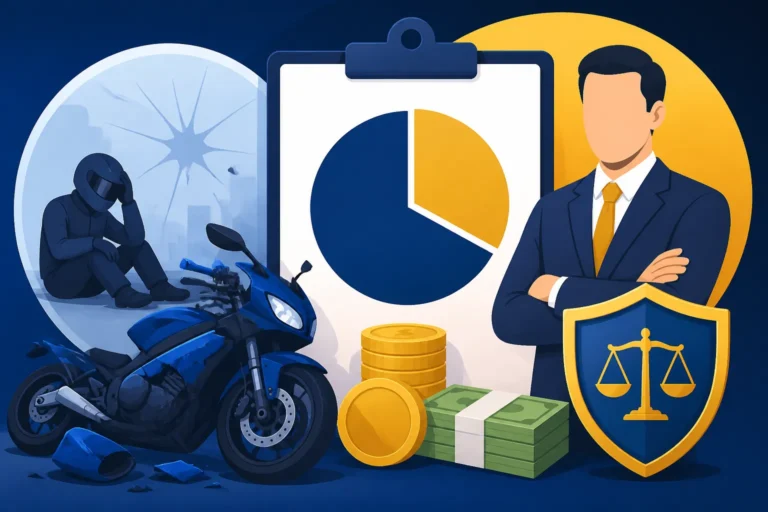
For example, if a lawyer agrees to a 33% contingency fee and secures a $90,000 settlement for you, their fee would be $30,000. This percentage is typically agreed upon upfront in a written contract, so there are no surprises. It's important to understand that while attorney fees are contingent, case expenses (like court filing fees, expert witness fees, medical record acquisition costs, etc.) may be handled differently. Some firms cover these costs upfront and are reimbursed from the settlement, while others might require clients to pay them as they arise. This is one of the key questions to ask a potential lawyer. The details of how contingency fees work can significantly impact your net payout.
Benefits and Considerations of Contingency Fee Models
The benefits of the contingency fee model are enormous for motorcycle accident victims. First and foremost, it grants access to justice for everyone, regardless of their financial status. You don't need to be wealthy to afford top-tier legal representation. Second, it aligns the lawyer's interests directly with yours. The more compensation they secure for you, the more they earn, incentivizing them to fight hard for the highest possible settlement. It removes the stress of worrying about hourly billing and rising legal costs.
However, there are considerations. The percentage can feel significant, typically ranging from 25% to 40% (often 33.3% or 40% if the case goes to trial). While it's a portion of your settlement, it's the cost of having an expert handle all the complexities, negotiations, and potential litigation. It also means that if your case is particularly small or challenging with limited damages, some firms might be less inclined to take it on, as their potential fee would be minimal compared to the work involved. Still, for most serious motorcycle accidents, the "no win, no fee" model is an invaluable resource that levels the playing field against well-funded insurance companies. For a deeper dive into this, you might explore articles on "How Contingency Fees Work".
Other Resources for Reduced-Cost or Pro Bono Legal Assistance
While contingency fees and free consultations are the most common forms of "free" or risk-free legal help for motorcycle accident victims, there are other avenues that might offer reduced-cost or even fully pro bono services, though these are generally less common for standard personal injury cases.
Bar Associations and Legal Aid Societies
State and local bar associations often operate lawyer referral services. These services typically provide a list of attorneys who practice in specific areas of law and offer initial consultations at a reduced rate, or sometimes for free. While it's not always entirely free beyond the first meeting, it's a structured way to get connected with qualified professionals. For instance, if you're in Los Angeles, the Los Angeles County Bar Association has a referral service that can point you to personal injury lawyers.
Legal aid societies, on the other hand, primarily focus on providing free legal services to low-income individuals for civil matters like family law, housing issues, or public benefits. While they are a fantastic resource for many, personal injury cases, especially those with the potential for a large settlement, are less frequently handled by traditional legal aid because private attorneys are willing to take them on a contingency fee basis. However, if your accident involved unique circumstances or you have very limited income and a challenging case, it's worth checking if a local legal aid organization can offer guidance, especially on the immediate steps of "What to Do After a Motorcycle Accident".
University Legal Clinics and Non-Profit Organizations
Some university law schools run legal clinics where advanced law students, under the supervision of experienced professors, provide legal services to the community. These clinics can be a source of free legal help for various legal issues. While they might not specialize exclusively in high-value motorcycle accident claims, they can sometimes offer assistance with preliminary advice, understanding your rights, or help with smaller claims where a traditional contingency fee lawyer might not be feasible. It's always worth checking with nearby law schools to see if their clinics cover personal injury.
Additionally, certain non-profit organizations might offer assistance or referrals, particularly if your case touches upon broader issues like rider safety advocacy or involves unique legal questions not typically covered by standard personal injury firms. While these are not primary sources for everyday motorcycle accident claims, they represent valuable resources within the broader legal community that can sometimes offer support or direct you to appropriate channels.
Maximizing Your Chances with Free Legal Help
Getting a free consultation is a great start, but to truly leverage this opportunity and ensure you secure the best possible representation, you need to be prepared and proactive.
Preparing for Your Initial Consultation
Think of your free consultation as a job interview – for the lawyer. You're trying to convince them that your case is strong and worth their time and resources, and you're also interviewing them to see if they're the right fit for you. Being prepared makes a huge difference.
Here's what you should aim to bring or have ready:
- Accident Report/Police Report: If available, this document contains crucial details about the crash, including who was involved, witness information, and sometimes initial fault assessments.
- Photos and Videos: Any visual evidence from the accident scene, your damaged motorcycle, your injuries, or the other vehicles involved is incredibly powerful.
- Medical Records and Bills: Gather everything related to your injuries, from ambulance reports to ER summaries, doctor's notes, prescriptions, and any bills you've received.
- Witness Information: Names, phone numbers, and email addresses of anyone who saw the accident.
- Insurance Information: Your own policy details and, if known, the other driver's insurance information.
- Lost Wage Documentation: Pay stubs, employment records, or a letter from your employer confirming missed work time.
- Personal Journal: A record of your pain levels, daily limitations, emotional distress, and how the injuries have impacted your life. This helps document pain and suffering in motorcycle settlements.
The more organized and thorough you are, the easier it will be for the attorney to understand your situation and determine how to best help you. Don't be shy about sharing every detail; even seemingly minor points can be crucial. This preparation is key to knowing "What to Do After a Motorcycle Accident" to protect your claim.
Asking the Right Questions to Potential Attorneys
A free consultation is a two-way street. While the attorney is evaluating your case, you should be evaluating them. This is your chance to ask detailed "Questions to Ask a Motorcycle Accident Attorney" to ensure they are the best advocate for your specific needs. Don't hesitate to write down your questions beforehand and take notes during the meeting.
Consider asking:
- What is your experience specifically with motorcycle accident cases? (Motorcycle accidents have unique biases and challenges compared to car accidents).
- What is your success rate for cases like mine?
- How do you plan to handle my case? What are the steps involved?
- What do you think is the potential value of my case? (While no guarantees can be made, they should be able to give you a realistic range based on similar cases).
- What percentage do you charge for your contingency fee, and how are case expenses handled?
- How will you communicate with me? How often can I expect updates?
- Will you be the primary attorney working on my case, or will it be passed to a junior associate?
- Have you ever taken a case to trial, and what was the outcome? (Many cases settle, but a lawyer with trial experience often secures better settlements because insurance companies know they're serious).
By asking these questions, you get a clearer picture of their expertise, communication style, and strategy. This thorough approach can help you truly understand "How to Choose a Motorcycle Accident Attorney". Remember, a good lawyer will be transparent and happy to answer your questions thoroughly, often making use of resources like LegalMatch to connect with clients seeking their specialized skills.
Understanding What "Free" Truly Means
It's important to clarify what "free" means in the context of legal help for motorcycle accident victims.
- Free Initial Consultation: This is almost universally free. It's the lawyer's way of assessing your case and deciding if they want to take it on, and your opportunity to evaluate them.
- Contingency Fee: This means you pay no attorney fees upfront or during the process. The fees are contingent on a successful outcome. If you don't win, you don't pay the lawyer. This is effectively "free" from your perspective until a resolution is reached.
- Case Expenses: This is where "free" can sometimes get a little nuanced. While many firms advance all case-related expenses (like expert fees, court costs, deposition costs, etc.) and are reimbursed from the settlement, some agreements might require you to cover certain minor expenses as they arise. Always clarify this point in your initial discussion and in the retainer agreement. However, even if you are responsible for costs, they are typically reimbursed from your settlement or verdict, so you aren't out-of-pocket during the case.
The goal of free consultations and contingency fees is to remove financial barriers to justice for those who need it most. It allows you to focus on your recovery while a dedicated legal professional, perhaps found through a service like LegalMatch, handles the complexities of your claim and fights to maximize your motorcycle accident settlement.
| Type of Legal Assistance | Upfront Cost | Payment Structure | Primary Benefit | Common Use Cases for Accident Victims |
|---|---|---|---|---|
| Free Initial Consultation | $0 | No charge for initial discussion. | Case evaluation, professional advice. | First step for most personal injury claims. |
| Contingency Fee Agreement | $0 | Percentage of settlement/verdict (if won). | Access to justice without upfront cost. | Most personal injury claims with significant damages. |
| Online Matching Services | $0 | Connects to lawyers offering free consultations. | Efficiently find multiple suitable attorneys. | Finding a lawyer, especially if unsure where to start. |
| Bar Association Referral | Low/Reduced | May offer reduced-rate initial consults. | Directed access to qualified local attorneys. | Finding attorneys for less common legal needs or initial guidance. |
| Legal Aid Societies | $0 | For low-income individuals; often non-PI cases. | Free legal services for qualifying individuals. | Limited for PI; more for family, housing law. |
| University Legal Clinics | $0 | Services by students under supervision. | Free legal advice, help with minor claims. | Educational purposes; smaller, less complex PI cases. |
Disclaimer
The information provided in this guide is for general informational purposes only and does not constitute legal advice. Every motorcycle accident claim is unique, and the laws governing personal injury vary by jurisdiction. You should consult with a qualified attorney to discuss the specifics of your situation and obtain advice tailored to your individual circumstances. Relying solely on the information presented here without professional legal counsel is not recommended.