How Long Until You Get Paid After Settling
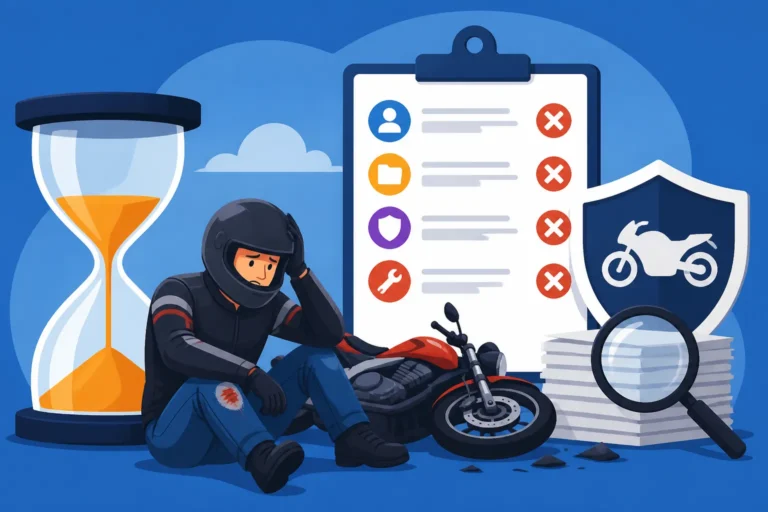
You've been through a motorcycle accident, endured the recovery, dealt with the insurance companies, and finally, after what felt like an eternity, reached a settlement agreement. It’s a huge relief, a weight off your shoulders. But then another question inevitably pops up: How long until that money actually hits your bank account? The truth is, while reaching an agreement is a significant milestone, it's not an instant cash transfer. There’s a crucial period between "settled" and "paid" that can often leave riders feeling anxious and frustrated. This guide will walk you through the typical timeline, the factors that influence it, and what you can expect as you await your motorcycle accident settlement payout.
The Immediate Aftermath of a Settlement Agreement
It's easy to assume that once you shake hands (or digitally sign documents) on a settlement, the funds are just a few clicks away. Unfortunately, that's rarely the case. There's a formal process that needs to unfold, and it involves several administrative and legal steps that take time. This period, right after you’ve agreed to a sum, is often filled with a mix of relief and continued impatience.
Formalizing the Settlement Through Documentation
Once an agreement is reached, it’s not just a verbal understanding; it needs to be legally binding. This is where the settlement agreement and release forms come into play. These are critical documents that formalize the end of your claim.
Typically, the at-fault driver’s insurance company (or your own, depending on the claim type) will draft a Release of All Claims. This document, once signed by you, confirms that you accept the agreed-upon sum as full and final compensation for your injuries and damages, and that you will not pursue any further legal action against the at-fault party or their insurance carrier regarding this incident. It's a comprehensive document, often several pages long, that includes details about the accident, the parties involved, the settlement amount, and a clear statement releasing the defendants from further liability. Your attorney will carefully review this document with you to ensure all terms are accurate and align with what was agreed upon. This signing often marks the official "end" of the negotiation phase, but not the end of the waiting game for funds.
Processing the Settlement Funds
Once the release is signed and returned, the insurance company isn't going to wire money to your account that same day. They have their own internal protocols for processing payments. Think of it like any large corporation moving funds – there are multiple departments, approvals, and checks involved. The insurance company needs to verify the signed release, process the payment request through their financial department, and then issue a check or initiate an electronic transfer. This isn't a simple process; it’s a controlled disbursement of what can often be a significant amount of money.
This stage can take anywhere from a few days to several weeks. Companies like Geico or Progressive, for example, have established procedures, but even with modern banking, electronic funds transfers aren't always instantaneous for large corporate payouts. They often prefer to issue physical checks, which then need to be mailed, adding further to the timeline. It’s a bureaucracy, pure and simple, and it moves at its own pace.
Key Factors That Influence Your Payout Timeline
The time it takes to receive your money can vary significantly based on a few key factors. There isn't a one-size-fits-all answer, and understanding these variables can help manage your expectations. From the way your settlement is structured to the various parties vying for a piece of your pie, each element plays a role in determining your final payday. To get a comprehensive understanding of what influences these figures, you might want to read our guide on how long does a motorcycle settlement take.
Type of Settlement Agreement
The way your settlement is structured has a massive impact on when you receive your funds.
Lump Sum vs. Structured Settlements
Most motorcycle accident claims result in a lump sum settlement, meaning you receive the entire agreed-upon amount in one payment. This is generally the quickest way to get your money, as once the funds are processed and all deductions are made, you receive your portion. However, even with a lump sum, the process isn't instant due to the administrative steps mentioned above and the need to resolve any outstanding liens.
A structured settlement, on the other hand, involves periodic payments over time rather than a single payout. This is often chosen in cases involving catastrophic injuries, like severe spinal cord injuries or traumatic brain injuries, where long-term care and ongoing income replacement are necessary. While the agreement is reached, the initial payout might only be a fraction, with the rest distributed over years or even decades. The actual setup of a structured settlement, involving annuities and financial planning, can add considerable time before the first periodic payment is disbursed. If your case involves such an arrangement, understanding Structured Settlements Explained can be incredibly beneficial.
Outstanding Liens and Subrogation
Before your attorney can disburse funds to you, they are legally and ethically obligated to ensure all outstanding liens against your settlement are resolved. This is often one of the most significant causes of delay.
Medical Liens and Health Insurance Subrogation
If you received medical treatment for your injuries, particularly if you used health insurance, Medicare, or Medicaid, those entities likely have a right to be reimbursed from your settlement. This is called subrogation or a medical lien. For instance, if Blue Cross Blue Shield paid for your hospital stay and physical therapy, they’ll want their money back.
Your attorney's office will meticulously track all medical providers and health insurers who have paid for your care. They then negotiate with these lienholders to reduce the amount they are owed, which can significantly increase your net payout. This negotiation process takes time – sometimes weeks or even months – as each provider or insurer reviews the case, often requiring extensive medical records and billing statements. Until these lienholders agree to a final reduced amount and are paid, your attorney cannot release your portion of the funds. This crucial step is why it's so important to understand How Medical Liens Get Paid from a Settlement.
Other Potential Liens
Beyond medical expenses, there could be other types of liens. Child support arrears, worker's compensation liens (if the accident occurred while on the job), or even certain government assistance programs can place a claim on your settlement. Your attorney must identify and address all these claims before disbursing funds. Failing to do so could result in legal penalties for both you and your attorney. This entire process is a prime example of How Liens Affect Your Settlement and your eventual payout.
A Step-by-Step Breakdown of Receiving Your Funds
Let's demystify the journey your settlement check takes from the insurance company's vault to your bank account. Knowing these steps can help alleviate some of the frustration that comes with waiting.
Phase 1: Signing the Release and Waiting for the Check
This is where the clock truly starts ticking after your initial agreement.
- Agreement Reached: Your attorney informs you that a settlement offer has been accepted.
- Release Drafted: The defense attorney or insurance company drafts the settlement agreement and release form.
- Review and Signature: Your attorney reviews the release with you. You sign it, acknowledging you accept the terms and will not pursue further action. This document is then returned to the insurance company.
- Check Issuance: The insurance company receives the signed release and begins its internal process to cut the check. This often involves several layers of approval.
- Mailing the Check: The check, typically made out to you and your attorney (or just your attorney's trust account), is mailed to your attorney’s office. This entire phase, from signing the release to the check arriving at your attorney's office, can easily take 2 to 6 weeks, sometimes more depending on the size of the insurance company and their efficiency.
Phase 2: Attorney Trust Account and Disbursement
Once the check arrives at your attorney's office, there's still a bit of work to be done.
- Deposit into Trust Account: Your attorney deposits the settlement check into a special IOLTA (Interest on Lawyers Trust Accounts) account. This is a regulated account that keeps client funds separate from the firm's operating funds. This step is crucial for ethical and legal compliance.
- Clearance Period: Just like any large check you deposit, the bank needs time for the funds to clear. This typically takes 3 to 10 business days, though it can sometimes be longer for very large sums or checks from out-of-state banks. Your attorney cannot disburse funds until the check has fully cleared.
- Finalizing Liens and Expenses: During this bank clearance period (or even before the check arrives), your attorney will be in the process of finalizing negotiations and payments for all medical liens, health insurance subrogation claims, and other outstanding expenses. They will also calculate their contingency fee and any case costs that were advanced. Understanding How Attorney Fees Affect Your Net Payout is important here, as these are typically deducted directly from the settlement.
- Preparation of Disbursement Statement: Your attorney will prepare a detailed disbursement statement, showing the gross settlement amount, all deductions (attorney fees, case costs, medical liens, etc.), and the net amount you will receive. You will receive a copy of this for your review.
- Final Disbursement: Once all liens are satisfied, the check has cleared, and you've approved the disbursement statement, your attorney will issue a check or initiate an electronic transfer for your net settlement amount. This final step is often the quickest, typically happening within 1 to 3 business days after all preceding conditions are met.
Estimated Settlement Payout Timeline
Here’s a simplified table illustrating the typical stages and estimated timeframes:
| Stage | Description | Estimated Timeline |
|---|---|---|
| Settlement Agreement & Release | Formal acceptance of the offer; signing of legal release documents. | 1-3 weeks |
| Insurer Internal Processing & Check Mail | The insurance company processes the signed release and issues the settlement check, then mails it to your attorney. | 2-6 weeks |
| Attorney Trust Account Deposit | Your attorney deposits the check into a dedicated client trust account. | 1-2 business days |
| Bank Clearance Period | The bank verifies the funds from the insurance company's check. Funds are not available for disbursement yet. | 3-10 business days |
| Lien Resolution & Final Calculations | Your attorney negotiates, verifies, and pays off medical liens and other outstanding expenses; calculates attorney fees and case costs. | 2-8 weeks (can overlap with bank clearance) |
| Client Disbursement | Your attorney issues your net settlement check or initiates electronic transfer after all deductions and approvals. | 1-3 business days |
| Total Estimated Time | From signing the release to receiving your net funds. | 6-20 weeks (approx. 1.5 – 5 months) |
Please remember these are general estimates. Every case is unique, and some factors can push these timelines out further. For a more detailed look at the entire journey, consult our guide on the Settlement Timeline Step by Step.
Potential Delays and How to Navigate Them
Even with a settlement agreement in place, unforeseen issues can crop up, delaying your payout. Being aware of these common pitfalls can help you prepare and, in some cases, even prevent them.
Lingering Issues with Unresolved Liens
As we discussed, medical liens are a primary cause of delays. If your attorney is still negotiating with a health insurance provider like Cigna or Aetna over a large subrogation claim, or if multiple providers have conflicting claims, this process can stretch out. Sometimes, a provider might be slow to respond, or they might dispute the amount your attorney is trying to reduce.
To navigate this, it’s crucial that your attorney is proactive from the very beginning of your case in identifying potential lienholders and initiating communication with them. Providing all your medical billing and insurance information promptly after the accident can significantly help streamline this process later. If you've been working on How to Maximize Your Motorcycle Accident Settlement, ensuring these liens are negotiated down is a key part of that strategy.
Administrative Paperwork Errors and Communication Gaps
Simple administrative errors, though frustrating, can cause delays. This could include a misspelling of your name on the settlement check, an incorrect address, or missing signatures on a crucial document. While seemingly minor, these errors require reprocessing, which can add days or even weeks to the timeline.
Communication breakdowns can also slow things down. If you're not responsive to your attorney's requests for information or signatures, or if there's a delay in communication between the insurance company and your legal team, the process grinds to a halt. Maintaining open and prompt communication with your attorney is key. Don't be afraid to politely follow up for updates, but trust that your legal team is working diligently to get your funds released. Sometimes, delays are due to the sheer volume of cases your attorney is handling. If you find yourself wondering why some settlements take years, it's often due to these complexities or a drawn-out negotiation process.
Complex Cases Involving Multiple Parties or Unique Circumstances
The more complex your motorcycle accident case, the more likely there will be delays in payout, even after an agreement is reached. For instance, if your accident involved multiple at-fault parties, multiple insurance policies, or if there were government entities involved (e.g., a road hazard leading to a claim against the city), the administrative hurdles multiply. Each entity will have its own procedures and approval processes, all of which must align for the settlement to be fully processed.
Another example is if your case involves a minor. Settlements for minors often require court approval, even if an agreement is reached, adding another layer of judicial oversight and time before funds can be disbursed. Similarly, if the settlement involves a wrongful death claim, there might be additional legal steps to ensure funds are properly distributed to heirs, which can be complex depending on state probate laws. Understanding What Delays a Motorcycle Accident Settlement can help you anticipate these issues.
Other Important Considerations for Your Payout
While the focus is often on when the money arrives, there are other crucial aspects of receiving your settlement that riders often overlook. Being prepared for these details can make the final steps much smoother.
Taxes on Settlement Funds
A common question is whether you have to pay taxes on your motorcycle accident settlement. The general rule from the IRS is that compensation for physical injuries or sickness is usually not taxable. This includes medical expenses, pain and suffering, and lost wages directly related to your physical injuries.
However, certain parts of a settlement can be taxable. For example, punitive damages (awarded to punish the at-fault party) are generally taxable. If your settlement includes compensation for lost wages that are not directly related to physical injury (e.g., if you lost wages due to a contractual dispute resulting from the accident rather than the injury itself), those might also be taxable. Additionally, interest earned on your settlement while it sits in an account might be taxable. It's always a good idea to consult with a tax professional, especially for larger settlements, to understand your specific obligations. Our detailed article on Taxes on Motorcycle Accident Settlements delves deeper into this often-confusing topic.
Structured Settlement Nuances
If your case resulted in a structured settlement, the initial payout might only be part of the picture. The remaining funds are typically placed into an annuity, which then issues regular payments over an agreed-upon period. The company providing the annuity will have its own schedule, and setting up these financial instruments takes time.
While structured settlements offer long-term financial security, they also mean you won't have immediate access to the full settlement amount. It's essential to understand the payment schedule, any escalation clauses, and the specific terms of the annuity. You might also encounter situations where you consider selling future payments for a lump sum, but this usually comes with significant financial penalties and should be approached with extreme caution and professional advice. For more detailed information, look into the differences between Lump-Sum vs Structured Settlements.
Attorney-Client Relationship Post-Settlement
Even after the settlement agreement is signed, your relationship with your attorney continues until the funds are fully disbursed and all final paperwork is complete. They remain your advocate through the lien negotiation process, the final accounting, and the disbursement of funds. They are also responsible for issuing your final payment and providing you with a detailed statement of all deductions.
Maintaining clear communication and responsiveness with your attorney throughout this period is crucial. They are working on your behalf to ensure you receive your due funds as efficiently as possible, while also fulfilling their legal and ethical obligations to resolve any third-party claims on your settlement.
Disclaimer
Please note that this guide provides general information and should not be considered legal advice. Every motorcycle accident claim is unique, and the specifics of your case, including state laws and individual circumstances, will affect the timeline and process of receiving your settlement funds. For personalized advice, it is always recommended to consult with a qualified motorcycle accident attorney in your jurisdiction.