How Much Compensation for Motorcycle Paralysis
Experiencing a motorcycle accident is terrifying, but facing paralysis afterward is a life-altering tragedy that no one is ever truly prepared for. The physical, emotional, and financial burdens can feel insurmountable, leaving you wondering how you'll ever cope with the massive costs and fundamental changes to your life. This guide will walk you through the complex world of compensation for motorcycle paralysis, helping you understand what factors determine your potential payout and how to navigate the challenging legal landscape.
Understanding the Catastrophic Impact of Motorcycle Paralysis
When a motorcycle accident results in paralysis, it’s not just an injury; it’s a complete life overhaul. The immediate aftermath is a whirlwind of medical interventions, and the long-term reality is a constant battle for independence and quality of life. Understanding these profound impacts is the first step in comprehending the scope of compensation needed.
The Immediate Aftermath and Medical Costs
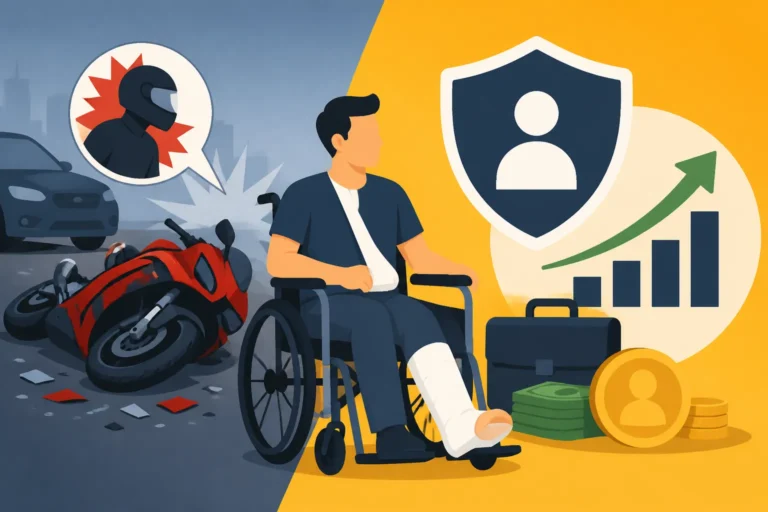
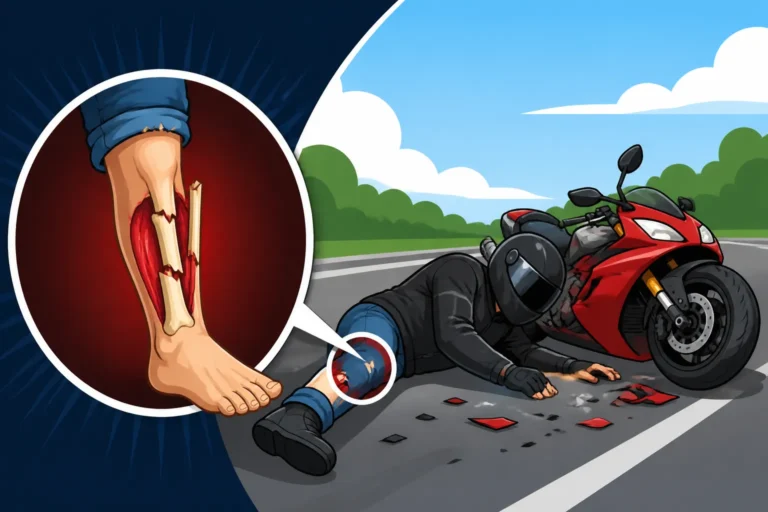
The moments right after a severe motorcycle accident are often a blur of pain, fear, and urgent medical care. If you've sustained a spinal cord injury leading to paralysis, your journey typically begins with emergency responders, an ambulance ride, and an immediate admission to a trauma center. Imagine the scene: you're on a ride, enjoying a beautiful Saturday afternoon near the Pacific Coast Highway in California, and then suddenly, another vehicle cuts you off, resulting in a devastating crash. You might be rushed to a facility like Ronald Reagan UCLA Medical Center, where specialists work quickly to stabilize your condition and prevent further damage to your spinal cord. This critical phase involves diagnostic tests like MRIs and CT scans, emergency surgeries to decompress the spine or stabilize fractures, and often an extended stay in the intensive care unit (ICU).
These initial medical costs alone can be staggering, easily reaching hundreds of thousands of dollars within days or weeks. Every procedure, every medication, every hour of nursing care adds up rapidly. For many riders and their families, the bills start piling up before they even have a moment to process the enormity of what has happened. The shock of the diagnosis—whether it's paraplegia or quadriplegia—is compounded by the crushing weight of impending financial ruin, making the path forward seem incredibly daunting.
Long-Term Care and Life-Altering Changes
Beyond the initial crisis, paralysis requires a lifetime of ongoing care and significant adjustments. Once you're medically stable, you'll likely transition to a specialized rehabilitation facility, where weeks or months will be spent in intensive physical therapy, occupational therapy, and sometimes even speech therapy. This rehabilitation is crucial for maximizing your remaining function and learning new ways to navigate daily life, but it's far from a cure. The goal is to adapt, to reclaim as much independence as possible, but it is an arduous and often painful process.
Returning home doesn't mean the care stops; in fact, it often means the costs continue in different forms. Your home will almost certainly need modifications, such as ramps for wheelchair access, widened doorways, roll-in showers, and accessible kitchens. Your vehicle will need to be adapted, or you might need a new one equipped with hand controls or a wheelchair lift. Then there's the specialized medical equipment: sophisticated wheelchairs, pressure-relieving cushions to prevent sores, urinary catheters, bowel management supplies, and assistive devices for everything from eating to dressing. These items are not one-time purchases; many require regular replacement or maintenance. Many individuals with paralysis also require ongoing professional caregiving, whether it's for a few hours a day or around-the-clock assistance, which is an enormous financial drain. The true cost of a spinal cord injury extends far beyond the hospital walls, impacting every facet of a survivor's life, from their ability to work to their most basic personal care.
Key Factors Influencing Paralysis Compensation
Determining the appropriate compensation for a motorcycle accident resulting in paralysis is incredibly complex because it touches upon every aspect of an individual’s life. Several crucial factors come into play, each contributing significantly to the overall value of a claim.
The Severity and Type of Paralysis
Not all paralysis is the same, and the specific nature of your injury profoundly affects the compensation you might receive. Medically, spinal cord injuries (SCIs) are classified based on the level of the spine affected and whether the injury is "complete" or "incomplete."
For instance, a quadriplegia (also known as tetraplegia) involves paralysis of all four limbs and the torso, usually resulting from damage to the cervical (neck) region of the spinal cord (C1-C8). A high cervical injury, like C1-C4, can mean dependence on a ventilator for breathing and require extensive, 24-hour care, making these cases among the most devastating and costly. In contrast, paraplegia involves paralysis primarily affecting the lower half of the body, often resulting from injuries to the thoracic (chest), lumbar (lower back), or sacral (pelvis) regions (T1-S5). While still catastrophic, individuals with paraplegia may retain full use of their arms and hands, allowing for greater independence and potentially different long-term care needs.
Furthermore, an incomplete spinal cord injury means that some motor or sensory function is preserved below the level of the injury, offering a degree of hope for partial recovery or greater functional ability compared to a complete spinal cord injury, where there's a total loss of function below the injury site. The prognosis for recovery, the extent of required long-term care, and the overall impact on quality of life vary dramatically between these classifications, directly influencing the calculation of damages in a claim. When an insurance company assesses an injury like this, they’re looking at the long-term picture, and the medical reports detailing the exact nature of your paralysis are paramount in proving the extent of your suffering and needs. This is why thorough documentation is so crucial.
Economic Damages: The Tangible Costs
Economic damages are the calculable, out-of-pocket expenses that arise directly from your paralysis. These are often easier to quantify than non-economic damages, but their sheer volume can be staggering in a paralysis case.
First and foremost are medical expenses. This category isn't just about the bills you've already received from the emergency room, surgeons, and rehab facilities. It also encompasses all future medical care. This includes future surgeries, ongoing physical and occupational therapy sessions, prescription medications for pain management or bladder control, regular doctor visits, preventative care to manage secondary complications (like pressure sores or urinary tract infections), and the cost of specialized medical equipment. A life care planner, an expert who assesses the long-term needs of severely injured individuals, is often crucial in these cases to meticulously project these expenses over a lifetime, which can easily total millions of dollars. Your ability to recover for these ongoing costs is vital for your future well-being, and demonstrating them requires extensive medical evidence. This process is a key component in understanding How Future Medical Costs Are Estimated.
Next, consider lost wages and loss of earning capacity. If your paralysis prevents you from returning to your previous job, or any job at all, you're entitled to compensation for all the income you've lost, both in the past and what you would have earned in the future. This isn't just your paycheck; it includes lost benefits like health insurance, retirement contributions, and bonuses. For a young rider whose career was just taking off, the loss of lifetime earning potential can be immense. An economist might be brought in to calculate these figures, taking into account inflation, career progression, and life expectancy. The devastating reality is that many individuals with severe spinal cord injuries are unable to work again, making this a critical component of their financial recovery.
Finally, home and vehicle modifications and caregiving costs represent significant economic damages. As discussed earlier, adapting your home for accessibility can cost tens or even hundreds of thousands of dollars. Similarly, specialized vehicles or modifications to existing ones are expensive. And then there’s the cost of daily assistance. Whether it’s a professional caregiver coming to your home daily, or the lost income and time of a family member who has become your primary caretaker, these costs are real and deserve to be compensated. Every aspect of your daily life has a new price tag attached to it after paralysis, and these are all part of the economic damages calculated in your claim.
Non-Economic Damages: The Intangible Toll
While economic damages cover the calculable financial losses, non-economic damages address the profound, intangible suffering that paralysis inflicts. These are often referred to as "pain and suffering" and are immensely challenging to quantify, yet they represent a significant portion of what you need to be compensated for.
Pain and suffering encompasses not just the physical pain you endure daily—which can be chronic, neuropathic, and agonizing after a spinal cord injury—but also the immense emotional distress, mental anguish, fear, anxiety, and depression that often accompany such a life-altering injury. Imagine the despair of losing your ability to walk, to hug your children, or to simply move freely. This emotional toll is real, debilitating, and warrants substantial compensation. Understanding Pain and Suffering in Motorcycle Settlements is critical for fully appreciating this aspect of your claim.
Then there's the loss of enjoyment of life. Before the accident, you likely had hobbies, sports, social activities, and simple pleasures you enjoyed. Perhaps you loved riding your motorcycle, hiking, dancing, or playing with your grandkids. Paralysis can strip away these abilities, fundamentally changing how you experience joy and participate in the world. The inability to pursue passions, engage in intimate relationships, or maintain your previous lifestyle is a profound loss that deserves acknowledgment and compensation. This loss represents the diminished quality of life you now face because of someone else's negligence.
Lastly, loss of consortium addresses the impact on your intimate relationships, particularly with a spouse or partner. This can include the loss of companionship, affection, sexual intimacy, and the ability to fulfill marital roles. This damage isn't about your personal suffering directly, but rather the injury to the relationship itself. Similarly, scarring and disfigurement also fall under non-economic damages. A motorcycle accident can leave permanent scars, burns, or other visible disfigurements, which can lead to body image issues, self-consciousness, and emotional trauma. These permanent physical changes, beyond their medical treatment, affect a person's self-esteem and how they interact with the world, and they are also compensable.
The Role of Fault and Insurance in Your Claim
Even with the most severe injuries, the legal and financial reality of your claim hinges heavily on who was at fault for the accident and the available insurance coverage. These two elements can make or break your ability to secure the substantial compensation you need.
Proving Fault and Liability
In any motorcycle accident, establishing who is at fault is paramount. For paralysis cases, this step is even more critical because the damages are so high. The at-fault party's insurance will be the primary source of compensation. Proving fault often involves a meticulous investigation, collecting every piece of evidence available. This includes the official police report, which details the officers' observations and initial findings, but it's not the final word. Witness statements from anyone who saw the crash unfold can be incredibly powerful. If you or someone else captured dashcam footage, that can be irrefutable evidence.
Accident reconstruction specialists are frequently employed in severe injury cases to piece together exactly what happened, analyzing vehicle speeds, impact angles, and road conditions. They can use skid marks, vehicle damage, and other physical evidence to recreate the sequence of events. For instance, if a driver claimed they "didn't see the motorcycle," a common defense tactic, an expert can demonstrate that the rider was visible and the driver should have seen them, effectively countering the 'I Didn't See the Motorcycle' Defense Explained. The entire narrative of the accident needs to be rock-solid to stand up against the scrutiny of insurance adjusters and defense attorneys who are often keen to assign some blame to the motorcyclist. Understanding Who Is at Fault in a Motorcycle Accident is the foundational step in building a strong paralysis claim.
It's also crucial to understand your state's laws regarding comparative negligence. Many states, like California or Florida, follow some form of comparative negligence, which means if you are found partially at fault for the accident, your total compensation award can be reduced by your percentage of fault. For example, if you're awarded $10 million but found 20% at fault, your payout would be reduced by $2 million. This is a tactic insurance companies will aggressively pursue to minimize their payout. Learning about Comparative Negligence in Motorcycle Accidents is vital to prepare for these arguments. This is why thorough evidence gathering and an experienced legal team are so important; they can help defend against unfair accusations of fault, ensuring that How Insurance Companies Assign Blame to Riders doesn't unfairly diminish your rightful compensation.
Insurance Policy Limits and Coverage
Even if fault is unequivocally established, your ability to recover full compensation for paralysis is often capped by the available insurance coverage. This is a harsh reality for many victims of catastrophic injuries. The at-fault driver's bodily injury liability policy is typically the first source of funds. However, state minimum insurance requirements are often shockingly low (e.g., $25,000 in Florida, $30,000 in Texas) and can be quickly exhausted by the monumental costs associated with paralysis. Imagine a lifetime of medical care, lost wages, and home modifications needing to be covered by such a meager policy—it's simply impossible. This illustrates exactly how How Policy Limits Cap Your Settlement, often leaving victims with significant uncompensated losses.
This is where your own insurance coverage becomes incredibly important, specifically Uninsured/Underinsured Motorist (UM/UIM) coverage. If the at-fault driver has no insurance (uninsured) or insufficient insurance (underinsured) to cover your damages, your UM/UIM policy can step in to cover the difference, up to your policy limits. Many riders unfortunately skip or skimp on this crucial coverage, not realizing its importance until it’s too late. For a paralysis case, having substantial UM/UIM coverage (e.g., $500,000 or $1 million) can be the difference between receiving adequate care and facing a lifetime of financial hardship. This kind of coverage truly demonstrates How UM/UIM Coverage Increases Payouts when the other party lacks sufficient coverage. Without it, even with a strong case of clear fault, a victim of paralysis may find themselves unable to recover the full extent of their damages because the responsible party simply doesn't have the assets or insurance to pay.
Navigating the Legal Process and Maximizing Your Claim
When dealing with an injury as severe as paralysis, the legal process is not just about filing paperwork; it's an extensive, detailed journey requiring specialized knowledge and strategic planning. Maximizing your claim is crucial for securing the long-term care and financial stability you'll desperately need.
The Importance of Expert Witnesses
In a paralysis case, proving the full scope of your damages goes far beyond basic medical bills. It requires a team of highly specialized expert witnesses who can accurately project your future needs and quantify your losses.
First, medical experts are indispensable. This includes your treating physicians, neurologists, spinal cord injury specialists, and rehabilitation doctors. They will testify about the exact nature of your injury, its permanence, the course of your treatment, and your future medical requirements. Their detailed reports and testimony are crucial for demonstrating the extent of your suffering and the necessity of ongoing care. These reports, alongside all your diagnostic imaging and treatment records, form the backbone of How Medical Records Support Your Claim.
Next, a life care planner is vital. This professional specializes in assessing the long-term needs of individuals with catastrophic injuries. They will conduct a comprehensive evaluation of your medical condition, functional abilities, and living situation. Based on this, they'll create a detailed report outlining every projected cost for your lifetime, including future medical treatments, therapies, medications, adaptive equipment, home modifications, transportation, and personal care assistance. This plan often forms the blueprint for the economic damages portion of your claim, painting a clear picture of the staggering financial commitment required.
Finally, economists are often brought in to quantify lost earning capacity. They analyze your past income, education, work history, and career trajectory to project what you would have earned over your lifetime had the accident not occurred. They factor in inflation, benefits, and retirement plans, translating your lost professional future into a concrete dollar figure. These experts, along with vocational rehabilitation specialists who can assess any remaining work capacity, help to ensure that your financial future is not unfairly discounted. The collective expertise of these witnesses provides the court or insurance company with a comprehensive and credible assessment of your present and future losses, which is critical for securing a fair settlement.
Settlement Negotiations and Litigation
The path to compensation for paralysis is rarely swift or simple. Most cases begin with intensive settlement negotiations with the at-fault party's insurance company. You'll likely submit a detailed demand package outlining your injuries, damages, and a demand for compensation. The insurance company, however, is not on your side; their goal is to minimize their payout. They will often present a lowball settlement offer initially, hoping you're desperate or unaware of the true value of your claim. It's important to recognize these tactics and understand When to Reject a Settlement Offer. A skilled legal team will engage in back-and-forth negotiations, presenting evidence, countering arguments about fault, and steadfastly advocating for your best interests.
If a fair settlement cannot be reached through negotiation, the next step is often litigation, meaning filing a personal injury lawsuit and preparing for trial. This is a lengthy process that can take several years, involving discovery (exchanging information and evidence with the defense), depositions (taking sworn testimony from witnesses and experts), and potentially mediation. While many cases still settle before going to trial, the willingness and ability of your legal team to take the case to court can significantly strengthen your bargaining position. The potential for a jury to award a large verdict often incentivizes insurance companies to offer a more reasonable settlement. The decision to pursue litigation is a serious one, as it involves significant time and emotional investment, but it is often necessary to achieve a just outcome for an injury as severe as paralysis.
Understanding Liens and Net Payout
Even after a successful settlement or verdict, the total amount isn't what you immediately take home. Several factors will reduce your gross compensation, and it's essential to understand these from the outset.
First, medical liens are common. If your health insurance (like Blue Cross Blue Shield or Medicaid) paid for your medical treatment related to the accident, they typically have a right to be reimbursed from your settlement. Hospitals, doctors, or other medical providers who treated you on a lien basis (meaning they agreed to wait for payment until your case settled) will also need to be paid. These liens can significantly reduce your net payout, but an experienced attorney can often negotiate with lienholders to reduce the amount they are owed, maximizing your take-home compensation.
Second, your attorney fees will be deducted. Most personal injury attorneys work on a contingency fee basis, meaning they only get paid if you win your case. This fee is typically a percentage of the gross settlement or verdict, often ranging from 33% to 40%. Additionally, there are case costs, which include expenses like court filing fees, expert witness fees, deposition costs, and investigative expenses. These costs can be substantial in a complex paralysis case and are usually deducted from the settlement before attorney fees are calculated. Understanding How Motorcycle Accident Lawyers Get Paid and how these deductions work is crucial to setting realistic expectations for your net recovery. While these deductions may seem high, the expertise and resources an attorney brings to the table are often indispensable for securing a settlement large enough to cover these costs and still leave you with substantial compensation for your lifelong needs.
Real-World Examples and Compensation Ranges
When it comes to something as devastating as motorcycle paralysis, everyone wants to know "how much." But the reality is, there's no simple answer or average amount. Compensation for paralysis from a motorcycle accident is highly individualized, and while some general ranges exist, they can vary wildly based on a multitude of factors.
Why Averages Don't Tell the Whole Story
It's common to search for "average motorcycle accident settlement for paralysis," but it’s critical to approach any figures you find with extreme caution. The truth is, there is no true "average" because every case is unique. The sheer complexity of spinal cord injuries, combined with varying state laws, different insurance policies, and the individual circumstances of the crash and the victim, means that two people with seemingly similar injuries could receive vastly different compensation amounts. One case might settle for a few million dollars, while another could exceed $10 million or even more.
Factors like the victim's age, their pre-injury earning capacity, the exact level and completeness of their spinal cord injury, the state where the accident occurred (which dictates specific laws on damages and comparative fault, such as Motorcycle Accident Fault Laws in California or in Texas), the total available insurance coverage, and the strength of the evidence proving fault all play enormous roles. A young professional with a high earning potential who becomes a quadriplegic will undoubtedly have a higher value placed on their lost earning capacity than an older, retired individual, even if both sustain severe injuries. This doesn't diminish the suffering of anyone, but it highlights why a general average can be incredibly misleading and potentially give false hope or unwarranted despair.
Illustrative Scenarios (Hypothetical)
To better illustrate the range, let's consider a few hypothetical scenarios, keeping in mind these are purely for explanation and not a guarantee of outcome:
Scenario 1: The Young Quadriplegic Rider
Imagine a 28-year-old software engineer, earning $150,000 annually, who is hit by a distracted commercial truck driver while riding their Harley-Davidson on I-80 in Pennsylvania. The impact results in a complete C4 spinal cord injury, leading to quadriplegia and requiring ventilator dependence. The truck driver's commercial insurance policy has a $5 million limit, and the rider also has a $1 million UM policy. The rider will need 24-hour skilled nursing care, extensive home modifications, a specialized accessible van, and will never be able to work again. Their medical costs alone are projected into the multi-millions, plus lost wages for 30+ years, and immense pain and suffering. In such a scenario, the total damages could easily exceed $15 million. Even with a combined $6 million in insurance, this case would likely involve intense litigation to pursue additional assets from the trucking company or explore other avenues of recovery due to the catastrophic nature of the damages.
Scenario 2: The Older Paraplegic Rider with Shared Fault
Consider a 60-year-old retired schoolteacher, enjoying their Honda Goldwing in rural Ohio, who suffers a T12 spinal cord injury (paraplegia) after a collision with a passenger car. The car driver failed to yield at an intersection, but investigators determine the rider was also speeding slightly, assigning them 15% fault under Ohio's modified comparative negligence rule. The car driver has only the state minimum $25,000 bodily injury coverage, and the rider has $100,000 in UM coverage. While the retired teacher's lost earning capacity is minimal, their medical bills are still substantial, requiring extensive rehabilitation, a wheelchair, and home modifications. Even with clear liability on the other driver, the limited insurance policies and the rider's partial fault mean the total recoverable compensation might be capped much lower, potentially in the range of $85,000 to $100,000 (after the 15% fault reduction from the combined policy limits), leaving a massive gap for their long-term needs. This illustrates the brutal impact of low insurance limits and shared fault.
As you can see, the variability is vast. While these hypothetical cases are simplified, they underscore the absolute necessity of a thorough, expert-driven evaluation of your specific circumstances to determine the true value of your paralysis claim.
Disclaimer
Please remember that this article provides general information and insights into motorcycle accident claims involving paralysis. It is not legal advice. Every case is unique, and the information presented here may not apply to your specific situation. Laws vary significantly by state, and the outcome of any claim depends on its specific facts and circumstances. If you or a loved one has suffered paralysis from a motorcycle accident, it is crucial to consult with a qualified personal injury attorney experienced in motorcycle accidents in your jurisdiction to discuss your legal options.