Is a Motorcycle Internal Injuries a Permanent Injury
One of the most terrifying things a rider can experience after a motorcycle accident isn't always the visible scrapes or broken bones, but the insidious, unseen damage beneath the surface. Many survivors grapple with the gnawing uncertainty: "Are these internal injuries going to be with me forever?" This guide aims to shed light on that pressing question, exploring the nature of internal injuries sustained in motorcycle crashes and whether they can indeed lead to permanent, life-altering conditions.
The Grave Reality of Internal Injuries in Motorcycle Crashes
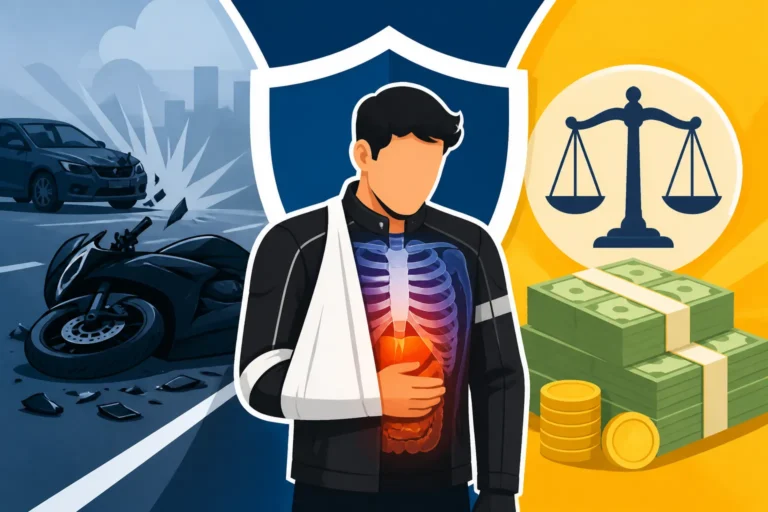
When you're riding a motorcycle, you're exposed. There's no steel cage, no airbags, no crumple zones to absorb the brute force of an impact. This stark reality means that when a crash occurs, especially one involving high speeds or significant trauma, the forces exerted on your body can be immense. While external injuries like road rash or fractures are immediately obvious, it's often the hidden, internal injuries that pose the greatest threat, both in the short term and for long-term health. These are the injuries to your organs, your delicate vascular system, and other soft tissues that can lead to life-threatening complications or chronic conditions that persist for years.
Understanding the Vulnerability of Riders
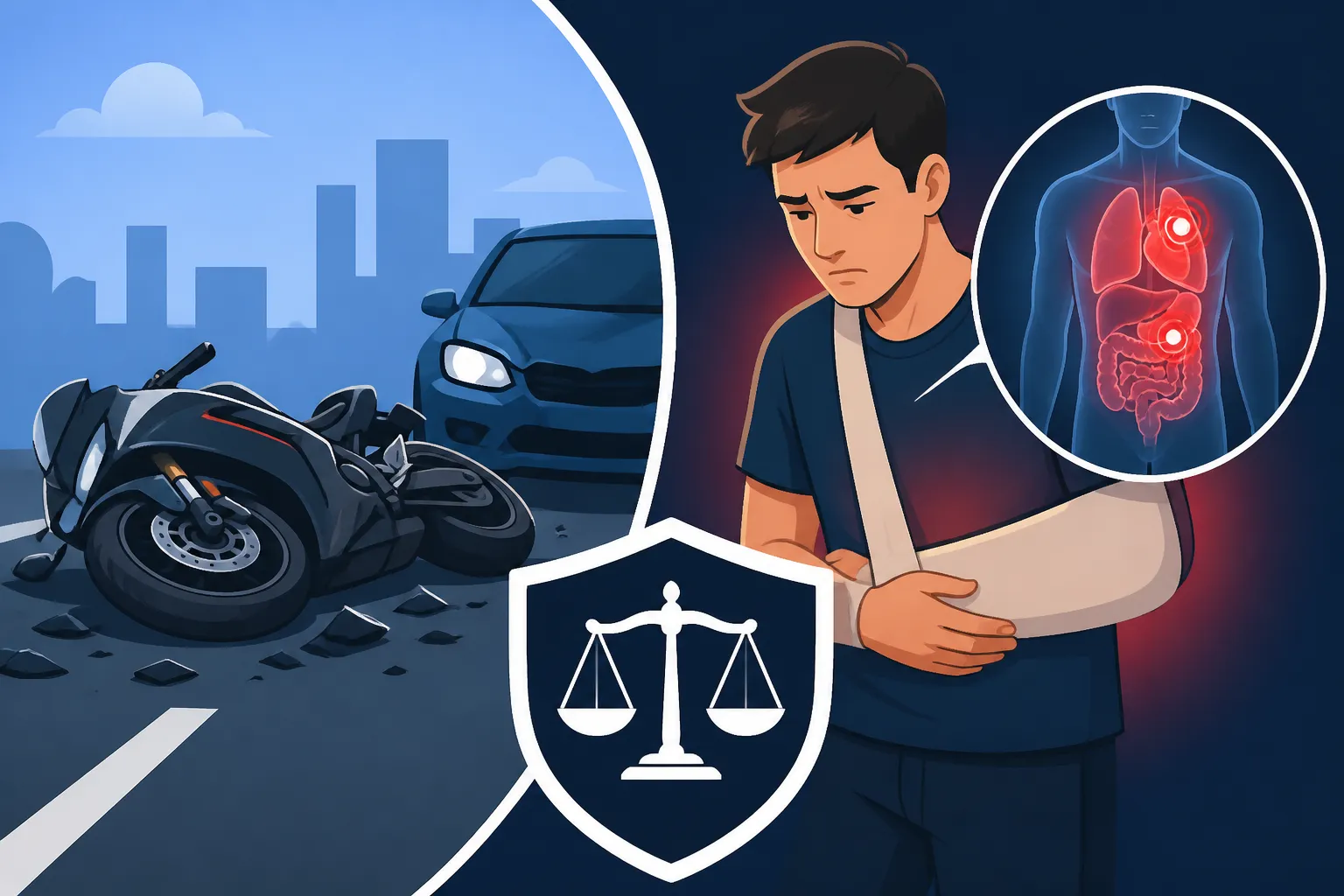
Unlike occupants in a car, motorcyclists are often ejected from their bikes, leading to secondary impacts with the road, other vehicles, or roadside objects. This creates unique injury patterns. For instance, a direct blow to the abdomen or chest from the handlebars or another vehicle can cause severe internal damage without breaking the skin. The sheer blunt force trauma can tear organs, rupture blood vessels, or cause significant internal bleeding. Even a relatively minor fall can result in internal injuries if the body twists unnaturally or strikes a hard surface at an awkward angle. The lack of protection is why even a seemingly "minor" motorcycle accident can have devastating internal consequences that aren't apparent until hours or even days later.
Why Internal Injuries Are So Often Overlooked Initially
One of the biggest dangers of internal injuries is their deceptive nature. Immediately after a crash, adrenaline is pumping, masking pain and other symptoms. You might feel shaken but otherwise "fine," only for critical symptoms to emerge hours later. For example, a slow bleed in the abdomen might not present obvious signs until a significant amount of blood has accumulated, leading to shock. Similarly, a minor head injury can evolve into a serious brain bleed, causing swelling and pressure that can become life-threatening. This delayed onset of symptoms is why medical evaluation immediately following any motorcycle accident, regardless of how you feel, is absolutely critical. Overlooking these initial signs can dramatically worsen the prognosis and increase the likelihood of permanent damage.
Common Internal Injuries and Their Potential for Permanence
Internal injuries can affect nearly any system within the body, from major organs to the intricate network of blood vessels. Their permanence depends heavily on the specific injury, its severity, and the timeliness and effectiveness of medical intervention.
Organ Damage and Dysfunction
Trauma to internal organs is a frequent and serious consequence of motorcycle accidents. The liver, spleen, kidneys, and lungs are particularly vulnerable.
- Spleen and Liver Lacerations: These are among the most common blunt force abdominal injuries. The spleen, being a delicate organ responsible for filtering blood, can rupture easily, leading to massive internal bleeding. While a severely damaged spleen might be removed (splenectomy), which is life-saving, it leaves the individual with a compromised immune system, making them more susceptible to infections for the rest of their life. Liver lacerations can also cause significant bleeding and, depending on the severity, may require surgery. Even after healing, extensive scarring can impair liver function or lead to chronic digestive issues.
- Kidney Damage: Blunt trauma to the back or flank area can injure the kidneys. This can range from contusions to severe lacerations, potentially affecting kidney function. In severe cases, kidney failure could necessitate lifelong dialysis or even a kidney transplant.
- Lung Contusions and Collapsed Lungs (Pneumothorax): A forceful impact to the chest can bruise the lungs, leading to a lung contusion, or cause a lung to collapse if air leaks into the space between the lung and chest wall. While many contusions heal, severe damage can lead to chronic respiratory problems, reduced lung capacity, or increased susceptibility to pneumonia and other lung infections, particularly for riders who may have had pre-existing respiratory issues.
Internal Bleeding and Hemorrhage
One of the most immediate life-threatening internal injuries is uncontrolled bleeding, or hemorrhage. This can occur in any part of the body but is particularly dangerous in the abdomen, chest, or around the brain.
- Abdominal Hemorrhage: As mentioned, splenic or liver ruptures can lead to rapid blood loss into the abdominal cavity. This internal bleeding can quickly lead to hypovolemic shock, where the body doesn't have enough blood to pump, causing organs to fail. Even if the bleeding is stopped, significant blood loss can damage organs due to lack of oxygen, potentially leading to long-term dysfunction if not addressed promptly.
- Thoracic Hemorrhage (Hemothorax): Bleeding into the chest cavity, often from damaged blood vessels or lung trauma, can compress the lungs and heart. This requires immediate drainage and often surgical repair. Long-term complications can include fibrous tissue buildup in the chest, restricting lung expansion and causing chronic pain or breathing difficulties.
- Intracranial Hemorrhage: Bleeding within the skull, whether epidural, subdural, or subarachnoid, is a form of traumatic brain injury and is extremely dangerous. The skull is a fixed space, so any bleeding quickly builds pressure on the brain, leading to irreversible damage or death. Even with emergency surgery, survivors often face permanent neurological deficits, including cognitive impairments, motor skill issues, speech problems, and personality changes. The severity of these long-term effects hinges on the location and extent of the bleed, and how quickly medical intervention was initiated.
Chest and Abdominal Trauma
Beyond organ damage and bleeding, the sheer force of a crash can cause other significant internal issues in the torso.
- Diaphragmatic Rupture: The diaphragm, the muscle separating the chest and abdominal cavities, can tear from severe impact. This allows abdominal organs to herniate into the chest, impairing lung function and potentially strangling the displaced organs. Surgical repair is necessary, and even after successful surgery, some individuals may experience chronic pain, digestive issues, or breathing difficulties.
- Mesenteric Tears: The mesentery is a fold of tissue that attaches the intestines to the back of the abdominal wall, containing vital blood vessels. Tears to the mesentery can cut off blood supply to parts of the intestine, leading to tissue death (necrosis). If not promptly identified and treated with surgery, this can lead to severe infections, short bowel syndrome, or other chronic digestive problems requiring lifelong dietary management and medication.
Factors Influencing the Permanence of Internal Injuries
It's not just the type of injury, but a whole host of other elements that dictate whether you'll fully recover or face permanent consequences. Understanding these factors is crucial for both recovery and for any potential motorcycle accident claim.
Severity of the Impact and Injury
This might seem obvious, but it's the fundamental starting point. A high-speed collision where a rider is thrown a significant distance or struck by a large vehicle generates immense force. This force can cause more extensive tearing, crushing, and internal displacement of organs and tissues.
- High-Energy Trauma: Imagine a rider T-boned by a truck at an intersection in bustling San Diego. The sheer kinetic energy involved means a higher likelihood of multiple, complex internal injuries, such as multiple organ ruptures or extensive internal bleeding. These severe injuries are much more challenging to treat and carry a far greater risk of permanent damage or residual complications compared to, say, a low-speed fall that results in a minor contusion.
- Mechanism of Injury: The way the accident happened matters. Was it a blunt force impact, like hitting the handlebars, or a penetrating injury, like debris entering the body? Blunt trauma often causes diffuse damage that can be harder to pinpoint immediately, while penetrating injuries, though more outwardly visible, can also cause devastating internal damage to specific pathways. The specific mechanics of the crash contribute to the Common Causes of Motorcycle Accidents and dictate the types of injuries sustained.
Timeliness and Quality of Medical Treatment
This factor cannot be overstated. When it comes to internal injuries, minutes and hours can make the difference between a full recovery, permanent disability, or even survival.
- Golden Hour Intervention: For severe internal bleeding or traumatic brain injuries, immediate medical attention within the "golden hour" post-accident is critical. Rapid transport to a trauma center, like a Level I trauma center in Los Angeles or Houston, where specialists are ready, can prevent excessive blood loss, reduce swelling, and stabilize the patient. Delays in diagnosis or treatment for internal hemorrhages or organ damage can lead to irreversible damage due to oxygen deprivation or massive blood loss.
- Expert Surgical Care: Repairing complex internal injuries often requires highly specialized surgical skills. The expertise of the medical team, from emergency responders to trauma surgeons and rehabilitation specialists, plays a monumental role. For instance, a skilled surgeon might be able to repair a severely damaged liver, preserving its function, whereas a less experienced approach might necessitate more drastic measures with greater long-term impact. The type and quality of follow-up care, including physical therapy, occupational therapy, and ongoing medical management, are also vital for maximizing recovery and minimizing permanent deficits.
Individual Healing Capacity and Complications
Even with the best medical care, an individual's unique biological factors and any complications that arise during recovery can impact the outcome.
- Age and Pre-Existing Conditions: Younger, healthier individuals often have a greater capacity for healing and resilience. Older riders or those with pre-existing conditions like diabetes, heart disease, or compromised immune systems may face a slower, more complicated recovery, increasing the risk of permanent issues. A diabetic rider, for example, might be more prone to infection after surgery, complicating wound healing and prolonging recovery.
- Infections and Secondary Issues: Post-surgical infections, sepsis, or complications like deep vein thrombosis (DVT) can significantly set back recovery and introduce new, potentially permanent health problems. For instance, a severe infection after an abdominal surgery could lead to chronic pain, scar tissue buildup, or persistent digestive issues. The development of PTSD After a Motorcycle Accident or other psychological impacts can also hinder physical recovery.
- Scar Tissue Formation: While scar tissue is a natural part of healing, excessive or improperly formed scar tissue internally can lead to chronic pain, organ dysfunction, or adhesions that restrict movement and cause further complications. For example, extensive internal scarring in the abdomen could lead to chronic bowel obstructions requiring ongoing medical management or even future surgeries.
The Long-Term Impact of Permanent Internal Injuries
When internal injuries result in permanent damage, the effects ripple through every aspect of a rider's life, creating profound challenges that extend far beyond the initial recovery period.
Chronic Pain and Functional Limitations
One of the most pervasive consequences of permanent internal injuries is chronic pain. This isn't just a nagging ache; it's persistent, debilitating pain that can severely limit a person's ability to perform daily tasks, work, and enjoy life.
- Persistent Organ Dysfunction: If an organ like the liver or kidney is permanently damaged, even if it's still functioning, it might do so at a reduced capacity. This can lead to chronic fatigue, dietary restrictions, regular medical monitoring, and a host of other symptoms that collectively diminish quality of life. Imagine a rider who loved long-distance tours, now constantly battling fatigue and needing frequent breaks due to compromised kidney function – their passion for riding might be permanently curtailed.
- Adhesions and Scar Tissue: Internal scar tissue, known as adhesions, can form after surgery or severe trauma, particularly in the abdomen. These fibrous bands can connect organs that aren't normally connected, causing chronic pain, digestive blockages, or referred pain that is difficult to diagnose and treat. These adhesions can lead to recurrent episodes of severe pain, requiring hospitalization or further surgical intervention, creating a cycle of suffering and medical costs.
Ongoing Medical Needs and Financial Burden
Permanent internal injuries almost always necessitate long-term, and often lifelong, medical care. This translates into a substantial and often overwhelming financial burden.
- Medications and Treatments: Many permanent conditions require daily medications, specialized diets, or regular therapeutic interventions. For example, someone living with chronic pain might require ongoing physical therapy, pain management injections, or even nerve blocks. A person with permanent lung damage might need inhalers, oxygen therapy, or specialized respiratory treatments. These costs add up significantly over a lifetime.
- Surgeries and Procedures: It's not uncommon for individuals with permanent internal injuries to require additional surgeries or procedures years after the initial accident. Adhesions might need to be released, failing organ segments might need to be removed, or a transplant could become necessary. Each intervention comes with its own set of costs, recovery periods, and potential complications. This is why accurately calculating How Future Medical Costs Are Calculated in a Motorcycle Claim is so important.
- Assistive Devices and Home Modifications: Depending on the nature of the permanent injury, especially if it affects mobility or independence, specialized equipment or home modifications might be required. This could include things like a wheelchair, a hospital bed, or modifications to a bathroom or kitchen to improve accessibility. These are often forgotten costs that can severely impact a family's finances.
Emotional and Psychological Toll
Beyond the physical and financial aspects, permanent internal injuries can take a massive toll on a person's mental and emotional well-being. The road to recovery from these catastrophic events is often fraught with anxiety, depression, and a sense of loss.
- Loss of Independence and Quality of Life: The inability to return to hobbies, work, or even simple daily activities can lead to profound feelings of frustration, sadness, and isolation. A rider who prided themselves on their independence and adventurous spirit might struggle immensely with reliance on others or with the limitations imposed by their injuries. This significant change in life circumstances often contributes to Emotional Distress Damages.
- Mental Health Challenges: Living with chronic pain, ongoing medical issues, and the uncertainty of future health can lead to anxiety, depression, and even post-traumatic stress disorder (PTSD). Many survivors experience flashbacks, nightmares, and heightened fear, especially around vehicles or riding. Support groups, therapy, and sometimes medication become essential components of long-term care, but they are additional burdens.
- Impact on Relationships: The stress of a permanent injury can strain relationships with family and friends. Caregivers may become overwhelmed, and the injured individual may struggle with feelings of guilt or inadequacy. Rebuilding a sense of normalcy and finding new ways to connect and engage in life becomes a crucial part of rehabilitation.
Proving Permanent Internal Injuries in a Motorcycle Accident Claim
When dealing with the aftermath of a motorcycle accident, especially one involving internal injuries, documenting and proving the extent of the damage is paramount. This is where medical records and expert testimony become your most powerful allies.
Medical Documentation and Expert Testimony
The strength of any injury claim, particularly for hidden internal damage, rests heavily on comprehensive medical evidence. Insurers are notoriously skeptical, and without clear proof, they will minimize your suffering.
- Detailed Medical Records: Every single doctor's visit, emergency room report, surgical note, imaging scan (CT, MRI, ultrasound), and prescription needs to be meticulously collected. These documents create an undeniable timeline of your injuries, treatments, and prognosis. This includes reports from specialists like gastroenterologists, nephrologists, cardiothoracic surgeons, or neurologists who have treated your specific internal conditions. The more complete and consistent your medical history, the harder it is for insurance companies to deny the severity of your internal injuries. This is why How Medical Records Support Your Claim is a critical piece of the puzzle.
- Expert Medical Witness Testimony: For permanent internal injuries, it's often essential to have a medical expert testify. This might be your treating physician or an independent medical examiner who can explain in clear terms to a jury or claims adjuster:
- The nature and extent of your internal injuries.
- The specific ways these injuries are permanent.
- How these permanent injuries impact your daily life, your ability to work, and your future.
- The necessity and cost of future medical care, including potential future surgeries, medications, and therapeutic interventions.
This expert testimony helps bridge the gap between complex medical jargon and a common understanding of your suffering.
Valuing Damages for Permanent Injuries
Calculating the true value of a claim involving permanent internal injuries is incredibly complex because it goes far beyond just current medical bills and lost wages. It encompasses a lifetime of suffering and financial impact. This is a primary area where How Injury Severity Affects Compensation really comes into play.
- Economic Damages: These are the quantifiable financial losses.
- Past and Future Medical Expenses: This includes everything from emergency care and surgeries to long-term rehabilitation, medications, assistive devices, and future anticipated procedures. Actuaries and medical economists often help project these costs over your lifetime.
- Lost Wages and Loss of Earning Capacity: If your permanent internal injuries prevent you from returning to your previous job or reduce your earning potential, you can claim for past lost wages and the projected loss of future earning capacity. This considers your age, profession, education, and career trajectory before the accident.
- Property Damage: While not directly related to internal injuries, the damage to your motorcycle and gear is also an economic damage in your claim.
- Non-Economic Damages: These are harder to quantify but are often a significant portion of a settlement for permanent injuries. They represent the subjective impact on your quality of life.
- Pain and Suffering: This accounts for the physical pain and emotional distress you've endured and will continue to endure. The chronic nature of permanent internal injuries often leads to substantial pain and suffering awards.
- Loss of Enjoyment of Life: This compensates for your inability to participate in hobbies, recreational activities, or social events you enjoyed before the accident. If a permanent lung injury prevents a rider from enjoying their favorite mountain trails or a damaged liver restricts their diet, this is considered a loss of enjoyment.
- Emotional Distress: The anxiety, depression, fear, and psychological trauma stemming from permanent injuries and their life-altering consequences are also compensable.
- Loss of Consortium: If your permanent injuries have negatively impacted your relationship with your spouse or partner, they may also have a claim for loss of consortium.
| Type of Internal Injury | Potential for Permanence | Long-Term Implications |
|---|---|---|
| Spleen/Liver Lacerations | High, especially with organ removal or extensive scarring. | Compromised immune system (spleen), chronic digestive issues, impaired liver function. |
| Kidney Damage | Moderate to High, depending on severity; can lead to chronic kidney disease. | Lifelong dialysis, kidney transplant, reduced kidney function, increased health risks. |
| Lung Contusions/Collapsed Lungs | Moderate, severe cases can lead to chronic respiratory issues. | Reduced lung capacity, chronic shortness of breath, increased susceptibility to infections, chest pain. |
| Internal Hemorrhage (all types) | High, due to potential organ damage from blood loss or pressure. | Organ dysfunction, neurological deficits (brain), chronic pain, scarring, tissue death. |
| Diaphragmatic Rupture | Moderate, even after repair, can lead to chronic issues. | Chronic pain, digestive problems, breathing difficulties, risk of re-herniation. |
| Mesenteric Tears | High, due to potential for intestinal necrosis and scarring. | Short bowel syndrome, chronic digestive issues, nutrient malabsorption, recurrent blockages. |
The journey after a motorcycle accident involving internal injuries is often long and challenging. Knowing that these hidden wounds can lead to lasting problems is a difficult truth, but it’s a vital one. It underscores the importance of thorough medical care, meticulous documentation, and understanding your rights to pursue full compensation for the full spectrum of damages, both visible and unseen. Ultimately, securing adequate compensation is about more than just money; it's about ensuring you have the resources to manage the lifelong impact of these injuries and reclaim as much of your life as possible.
Disclaimer
This article provides general information about motorcycle accident claims and internal injuries and is not intended as legal advice. Every case is unique, and the information provided here should not be taken as a substitute for professional legal or medical counsel. If you have been involved in a motorcycle accident, it is strongly recommended that you consult with a qualified attorney in your jurisdiction and seek immediate medical attention.