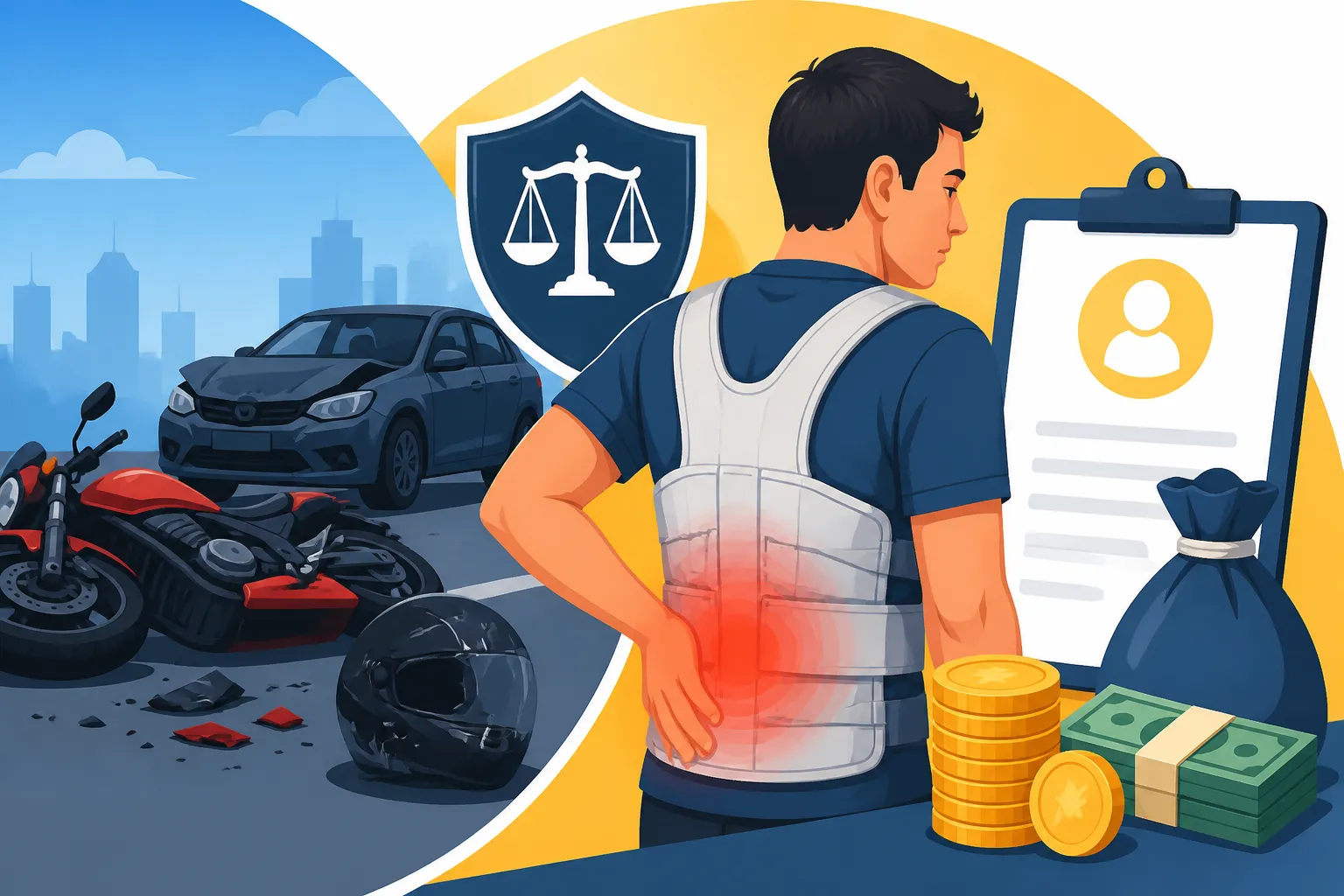
How Much Compensation for Motorcycle Back Injury
A motorcycle back injury isn't just a fleeting ache; it's a life-altering event that can bring excruciating pain, mobility issues, and a mountain of medical bills, leaving you wondering how you'll ever get back to normal life or cover the costs. This comprehensive guide will walk you through the complexities of calculating compensation for a motorcycle back injury, exploring the many factors that influence your potential payout and detailing how to build an undeniable claim to secure the financial recovery you deserve.
The Devastating Reality of Motorcycle Back Injuries
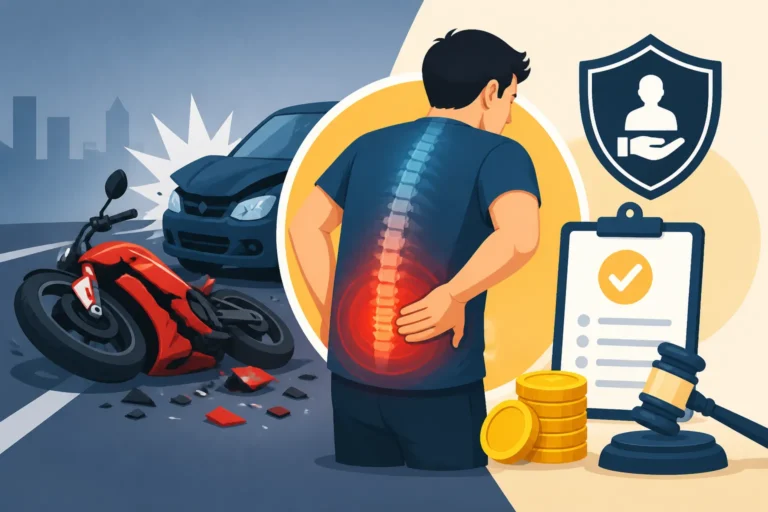
When you're out on your bike, feeling the wind and the freedom, the last thing you expect is to be launched or slammed in a collision, leaving you with a compromised spine. Motorcycle accidents often result in severe and debilitating back injuries precisely because riders lack the protective cage of a car. The sheer force of impact, combined with the vulnerable position of a rider, can easily lead to catastrophic damage to the spine and surrounding soft tissues. These aren't minor sprains you can shake off in a few days; these are injuries that can fundamentally change how you live, work, and even sleep for years to come.
Common Types of Back Injuries in Motorcycle Crashes
The spectrum of back injuries suffered in motorcycle accidents is broad, ranging from agonizing soft tissue damage to permanent spinal cord trauma. Each type carries its own set of challenges, treatments, and, critically, implications for your compensation claim. Understanding the specific nature of your injury is the first step in comprehending the road to recovery and financial recompense.
One of the most frequently diagnosed back injuries following a motorcycle collision involves the discs between your vertebrae. You might hear terms like "herniated disc" or "bulging disc." These occur when the soft, jelly-like center of a spinal disc pushes out through a tear in its tougher exterior, or when the entire disc simply protrudes beyond its normal alignment. The problem with these isn't always the disc itself, but the immense pressure it can put on nearby nerves, leading to radiating pain, numbness, tingling, and even weakness in your limbs. Treatments can range from extensive physical therapy and anti-inflammatory medications to more invasive procedures like epidural steroid injections or, in severe cases, spinal fusion surgery, which can involve significant recovery time and a high cost.
Beyond disc issues, spinal fractures are another terrifying reality for riders. These can include compression fractures, where vertebrae collapse, often from direct impact or extreme flexion, or burst fractures, which are much more severe, involving the shattering of a vertebra into multiple fragments. These fragments can then impinge on the spinal cord itself, leading to neurological deficits. Such fractures often require surgical stabilization, which could mean rods, screws, or plates are inserted to fuse sections of the spine. The recovery from a spinal fracture is not only long and painful but can also involve significant functional limitations, impacting your ability to perform daily tasks, work, and engage in hobbies, including riding your motorcycle again.
The most catastrophic of all back injuries is a spinal cord injury (SCI). This involves damage to the bundle of nerves that transmit signals between your brain and the rest of your body. Depending on the location and severity of the injury along the spinal column, an SCI can result in partial or complete paralysis below the point of injury. We've talked extensively about Spinal Cord Injuries from Motorcycle Accidents in other posts because the impact on a person's life is profound and permanent. Victims may require wheelchairs, extensive rehabilitation, modifications to their homes, and lifelong attendant care. The compensation for such an injury must account for a lifetime of medical needs, lost earning capacity, and immense pain and suffering, as it represents a fundamental shift in one's existence.
Even seemingly "minor" soft tissue injuries, such as sprains and strains to the muscles, ligaments, and tendons in the back, can be agonizingly persistent. While they don't involve bone fractures or disc herniations, the inflammation and damage can lead to chronic pain, muscle spasms, and restricted movement. Insurance companies often try to downplay these injuries, labeling them as "whiplash" or "minor soft tissue," but for a rider experiencing relentless back pain that interferes with their job or ability to lift their child, these injuries are anything but minor. Proving the severity and long-term impact of soft tissue damage often requires consistent medical documentation and expert testimony, detailing how they disrupt your daily life.
Why Motorcycle Back Injuries are So Severe for Riders
The simple truth is that motorcycles offer very little in the way of structural protection compared to other vehicles. When a rider is involved in a collision, especially one at speed, they are often ejected from the bike or directly impacted by the force of the collision or the ground. This lack of a protective shell means that the rider's body, particularly their spine, absorbs the full brunt of the force.
Think about it: a car has airbags, seatbelts, and a steel frame designed to absorb and distribute impact energy. A motorcyclist has their gear – helmet, jacket, pants – but these primarily protect against abrasion and some blunt force trauma, not the crushing or twisting forces that can shatter vertebrae or sever a spinal cord. An impact from a turning vehicle, for instance, can twist the rider's body unnaturally, leading to severe spinal rotation injuries, or a rear-end collision can violently hyperextend or hyperflex the spine. We explore Common Causes of Motorcycle Accidents and their outcomes frequently, and severe back injuries are consistently at the top of the list of consequences.
Furthermore, the nature of riding itself puts the spine in a specific posture. While some bikes promote a more upright position, many sport bikes or cruisers have riders leaning forward or in a reclined position. This can create specific vulnerabilities depending on the angle of impact. When you combine this with the sheer velocity often involved in motorcycle crashes, the kinetic energy transferred to the spinal column can be immense, leading to devastating results that can plague a rider for the rest of their days. This inherent vulnerability underscores why back injuries in motorcycle accidents are not just common, but often far more severe and complex than those sustained in other types of vehicle collisions.
Key Factors Determining Your Back Injury Compensation
Calculating the true value of a motorcycle back injury claim is a complex process, far more nuanced than simply tallying medical bills. It involves a detailed assessment of both the immediate and long-term financial burdens, as well as the profound personal and emotional toll the injury takes. Every aspect of your life that has been negatively impacted by the injury becomes a component of your compensation claim.
Economic Damages The Tangible Costs
Economic damages are essentially the verifiable, out-of-pocket expenses and financial losses you incur due to your back injury. These are the costs that have a clear monetary value and can be precisely calculated. They form the backbone of your claim, representing the direct financial hit you've taken.
First and foremost are your past and future medical expenses. This isn't just the ambulance ride and emergency room visit right after the crash. It includes every doctor's appointment, specialist consultation (orthopedists, neurologists, pain management specialists), diagnostic tests like X-rays, CT scans, and MRIs, prescription medications, and physical therapy sessions. For severe back injuries, future medical costs can be astronomical. This might include anticipated surgeries, ongoing physical or occupational therapy for years, assistive devices like walkers or wheelchairs, home modifications to accommodate a disability, and even long-term nursing care. Estimating these future costs accurately often requires expert medical testimony, projecting your needs over your expected lifespan. Failing to account for these long-term expenses is a common mistake that can leave you financially burdened down the line.
Another critical component of economic damages is lost wages and earning capacity. If your back injury prevents you from working, or forces you to work fewer hours, those lost earnings are recoverable. This includes the wages you've already missed and the income you expect to lose in the future. For many riders, a debilitating back injury can mean they can no longer perform the physical demands of their job, or even any job in their chosen field. This is known as "loss of earning capacity." For instance, a construction worker who can no longer lift heavy objects due to a fractured spine has not only lost current wages but has potentially lost the ability to earn at the same level for the rest of their working life. Calculating this requires a careful look at your past income, future career trajectory, and the limitations imposed by your injury, often necessitating a vocational expert's assessment.
While the focus here is on back injury compensation, it's also worth noting that your claim typically includes property damage, such as the cost to repair or replace your motorcycle, any damaged gear like your helmet or leathers, and even a rental vehicle if needed. While not directly related to your back, it's part of the overall financial loss you experience from the accident.
Non-Economic Damages The Intangible Toll
While economic damages account for the concrete financial losses, non-economic damages address the more personal, subjective, and often profound impacts a back injury has on your life. These are harder to quantify but are no less real or deserving of compensation. We often refer to these as Economic vs Non-Economic Damages Explained because both are crucial.
The most significant non-economic damage is typically pain and suffering. This encompasses the physical pain you've endured from the injury itself, the pain of surgeries, and the discomfort of therapy. But it also extends to the emotional distress, mental anguish, anxiety, depression, and even post-traumatic stress disorder (PTSD) that can accompany a severe accident and chronic pain. Living with constant back pain can erode your quality of life, making simple activities excruciating and impacting your overall mental well-being. The severity and duration of this pain directly influence its value in a settlement.
Another crucial element is the loss of enjoyment of life. A severe back injury can strip away your ability to participate in activities you once loved. If you can no longer ride your motorcycle, play with your children, enjoy sports, or pursue hobbies like hiking or gardening, that loss profoundly impacts your happiness and quality of life. This isn't just about physical limitations; it's about the emotional void created when cherished passions are taken away. For a rider, losing the ability to ride can be devastating, cutting off a core part of their identity and freedom.
Finally, disfigurement and permanent impairment are significant considerations. If your back injury results in permanent scarring from surgery, a noticeable limp, or a lasting reduction in mobility that impacts your physical appearance or function, these damages are recoverable. A permanent disability, even if it doesn't involve paralysis, limits your ability to move, work, and interact with the world, and this long-term impact warrants substantial compensation. For instance, a persistent nerve issue causing foot drop or chronic weakness can create lifelong challenges that must be reflected in your settlement.
The Role of Fault and State Laws
It's a harsh reality, but how much compensation you ultimately receive for your back injury can be heavily influenced by who is determined to be at fault for the accident, and the specific laws of the state where the crash occurred. This is where the intricacies of negligence laws really come into play.
Most states operate under some form of comparative negligence. This means that if you are found partially at fault for the accident, your compensation amount could be reduced by your percentage of fault. For example, if your back injury damages are assessed at $200,000, but you are found to be 20% at fault, you would only be able to recover $160,000. Some states, like California, follow "pure comparative negligence," meaning you can recover even if you're mostly at fault, just with a significant reduction. Other states, like Texas, use "modified comparative negligence" (the 51% rule), where if you are found to be 51% or more at fault, you cannot recover any damages at all. Understanding How Comparative Negligence Reduces Your Payout is absolutely vital for any injured rider.
Insurance companies are notoriously adept at trying to shift blame onto motorcyclists, often leveraging negative stereotypes or scrutinizing minor traffic infractions. They might argue you were speeding, lane splitting where it wasn't safe, or even that your riding gear was inadequate. Even seemingly unrelated factors, like whether you were wearing a DOT-compliant helmet (if your state requires one), can sometimes be used by the defense to argue that you contributed to your injuries, even if the helmet wouldn't have prevented a back injury. This is often referred to as the "helmet defense" and can significantly complicate claims.
Finally, the limits of the at-fault driver's insurance policy can create a ceiling on your potential recovery. If the other driver only carries minimum liability coverage, say $25,000, and your catastrophic back injury claim is worth $500,000, you could be left with a substantial gap. This is where your own Underinsured/Uninsured Motorist (UM/UIM) coverage becomes incredibly important, as it can step in to cover the difference up to your policy limits. Without adequate coverage, even the strongest claim for a severe back injury can be limited by insufficient insurance funds.
Building a Strong Claim Documenting Your Back Injury
The success of your motorcycle back injury claim hinges almost entirely on meticulous documentation. Without clear, comprehensive evidence, even the most severe injuries can be downplayed by insurance adjusters or challenged in court. Every step you take, from immediate medical care to daily journaling, contributes to establishing the undeniable link between the accident, your injuries, and the profound impact on your life.
Thorough Medical Documentation is Paramount
From the moment an accident happens, your medical journey becomes a critical part of your legal journey. The first and most important step is to seek immediate medical attention, even if you don't feel severely injured at the scene. Adrenaline can mask pain, and some back injuries, like herniated discs or hairline fractures, might not manifest with full symptoms until days or even weeks later. A delay in seeking treatment can be used by insurance companies to argue that your injuries weren't caused by the accident or aren't as severe as you claim.
Once under medical care, ensure that every symptom, every complaint, and every diagnosis is clearly recorded. Your medical records are the backbone of your injury claim. This includes detailed doctor's notes, reports from diagnostic imaging tests like X-rays, MRIs, and CT scans, and comprehensive lists of all prescribed medications. MRIs, in particular, are crucial for back injuries as they provide clear images of soft tissues, revealing disc herniations, nerve impingement, and spinal cord damage that X-rays simply can't capture. Make sure to keep track of all specialists you see – orthopedists, neurologists, physical therapists, pain management doctors – and collect all their reports and notes. Each document helps to build a chronological and authoritative narrative of your injury, treatment, and prognosis. Detailed insights into How Medical Records Support Your Claim are invaluable here.
Beyond just records, your consistent adherence to treatment recommendations also plays a vital role. If you miss physical therapy appointments or fail to follow your doctor's orders, it can be used against you by the defense to suggest your injuries aren't that serious or that you're not doing your part to recover. Think of your treatment regimen as a professional obligation; every session, every medication, every follow-up appointment is a piece of evidence supporting the validity and severity of your back injury.
Keeping a Detailed Injury Journal
While medical records document the objective facts of your injury, an injury journal captures the subjective, day-to-day reality of living with a painful back injury. This personal account can be incredibly powerful in illustrating the true extent of your suffering and limitations, especially for non-economic damages like pain and suffering and loss of enjoyment of life.
Every day, or as often as you can manage, jot down notes about your pain levels (on a scale of 1-10), the specific locations of pain, and how it feels (sharp, dull, throbbing, burning). Detail how your injury limits your daily activities: Can you get out of bed without assistance? Can you sit or stand for long periods? How does it affect your ability to get dressed, cook meals, or even sleep through the night? Record any emotional distress you experience, such as frustration, sadness, anxiety, or depression. Note medication side effects and your progress (or lack thereof) in physical therapy.
For example, you might write: "Day 37 post-accident: Woke up with searing pain in my lower back, probably an 8/10. Couldn't bend over to tie my shoes this morning. Had to ask my spouse for help. Missed my son's soccer game because I couldn't sit on the bleachers for more than 10 minutes without agonizing discomfort. Feeling depressed and isolated." This kind of detailed, personal narrative humanizes your injuries in a way that dry medical reports cannot, providing a window into the profound impact of your back injury on your life.
Expert Witnesses and Accident Reconstruction
For serious back injury claims, particularly those involving long-term disability or high compensation figures, expert witnesses are often indispensable. These professionals can provide authoritative testimony that strengthens your case and counters arguments from the defense.
Medical experts, such as orthopedic surgeons, neurologists, or physiatrists, can explain the exact nature of your back injury, its causation by the accident, the necessity of your treatments, your long-term prognosis, and the projected costs of your future medical care. They can clearly articulate how a spinal fracture or a severe disc herniation will affect you for the remainder of your life, substantiating claims for future medical expenses and permanent impairment. Their unbiased professional opinion carries significant weight with insurance adjusters and, if necessary, with a jury.
When lost earning capacity is a major component of your claim, a vocational expert can be crucial. This expert assesses your pre-injury earning potential versus your post-injury capacity, considering your education, work history, and the physical limitations imposed by your back injury. They can project how much income you will lose over your lifetime, providing a solid, quantifiable basis for this crucial economic damage claim. We talk about this in detail in Loss of Earning Capacity Explained.
In some cases, particularly where fault is disputed or the mechanics of the collision are unclear, an accident reconstruction expert can be vital. This expert analyzes physical evidence from the scene, vehicle damage, and witness statements to recreate the accident. They can then offer an opinion on how the forces involved in the collision directly led to your specific back injury, helping to establish causation and connect the crash directly to your spinal trauma. This can be especially important in complex scenarios to prove Proving Fault in a Motorcycle Accident.
Navigating the Compensation Process
After enduring the trauma of a motorcycle accident and the pain of a back injury, the compensation process can feel like another uphill battle. It's often fraught with paperwork, negotiations, and strategic maneuvers from insurance companies looking to minimize payouts. Understanding this landscape is crucial to protecting your rights and maximizing your recovery.
Initial Steps After a Crash
What you do in the immediate aftermath of a motorcycle accident can significantly impact your back injury claim down the line. First and foremost, if you are able, secure the scene. This means moving to a safe location if possible, and then calling 911 to report the accident. Even if you feel okay, getting police and paramedics to the scene is critical. Paramedics can assess your injuries and transport you for medical attention, and police will generate an accident report, which is often a key piece of evidence.
Next, if your condition allows, gather as much evidence as you can. Use your phone to take extensive photos and videos of the accident scene, including your motorcycle, the other vehicles involved, road conditions, traffic signs, skid marks, and any visible injuries you or your passenger sustained. Collect contact and insurance information from all involved parties and any witnesses. Witnesses can provide invaluable objective accounts of what happened, especially since drivers often claim "I didn't see the motorcycle." We have a thorough guide on What to Do After a Motorcycle Accident that covers these steps in detail. Remember, never admit fault at the scene, even if you think you might be partially responsible. Any admission can be used against you by the insurance companies.
Dealing with Insurance Companies
Once the initial shock wears off and you've begun medical treatment for your back injury, you'll inevitably find yourself dealing with insurance adjusters. This is often where riders make critical mistakes. It's important to remember that the insurance company, even your own, is not necessarily on your side; their primary goal is to minimize their financial outlay, which means paying you as little as possible.
Adjusters are skilled negotiators trained to elicit information that can be used against you. They might ask for a recorded statement, encouraging you to describe the accident and your injuries. While it might seem harmless, they're looking for inconsistencies or statements that can be twisted to downplay your back injury or shift blame. Politely decline to give a recorded statement until you've consulted with an attorney. They might also offer a quick, lowball settlement, especially if your back injury initially seems minor. This offer is almost always far less than what your claim is truly worth, particularly before the full extent of your back injury and its long-term impact are known. Once you accept and sign a settlement, you forfeit your right to seek additional compensation, even if your back pain worsens or you discover new complications.
Beware of tactics to delay or deny your claim. They might claim your medical records aren't clear, that your injury is pre-existing, or that you didn't seek treatment quickly enough. This is where the thorough documentation we discussed earlier becomes your shield. Having consistent medical records, your injury journal, and witness statements can directly counter these attempts to undervalue your back injury. This strategic maneuvering is precisely why How Insurance Companies Assign Blame to Riders is a continuous battleground for injured riders.
| Back Injury Type | Severity Level | Common Symptoms | Typical Treatments | Potential Long-Term Impact |
|---|---|---|---|---|
| Soft Tissue (Sprain/Strain) | Moderate | Localized pain, stiffness, muscle spasms | Rest, PT, anti-inflammatories, heat/ice | Chronic pain, recurring stiffness, limited mobility |
| Bulging/Herniated Disc | Moderate-Severe | Radiating pain, numbness, weakness, sciatica | PT, injections, pain meds, possibly surgery (fusion) | Chronic nerve pain, reduced flexibility, surgical risks |
| Spinal Fractures | Severe | Intense pain, bruising, deformity, neurological deficits | Bracing, pain management, surgery (rods, fusion), rehab | Permanent pain, reduced height, neurological issues, disability |
| Spinal Cord Injury | Catastrophic | Paralysis (partial/complete), loss of sensation, organ dysfunction | Emergency surgery, extensive rehab, assistive devices | Permanent paralysis, lifelong care, significant loss of function |
When a Lawyer Becomes Your Best Ally
For a severe motorcycle back injury, navigating the compensation process alone against experienced insurance adjusters is like bringing a knife to a gunfight. This is where a specialized motorcycle accident lawyer becomes your most invaluable ally. Their expertise and knowledge of personal injury law can dramatically increase your chances of securing fair and full compensation. Many riders ask, Do You Need a Motorcycle Accident Lawyer? For serious back injuries, the answer is almost always yes.
An attorney will handle all communication with the insurance companies, protecting you from manipulative tactics and ensuring you don't inadvertently jeopardize your claim. They will meticulously investigate your accident, gathering additional evidence such as accident reconstruction reports, expert witness testimony, and comprehensive medical reviews to build an ironclad case demonstrating the other driver's fault and the full extent of your back injury damages.
Crucially, a lawyer understands how to accurately calculate the true value of your claim, including not only current medical bills and lost wages but also complex future economic damages like future medical care, adaptive equipment, and lost earning capacity, as well as the significant non-economic damages like pain and suffering and loss of enjoyment of life. They can negotiate fiercely with insurance adjusters, countering lowball offers with strong legal arguments and compelling evidence, always with an eye toward maximizing your Pain and Suffering in Motorcycle Settlements. If a fair settlement cannot be reached, they are prepared to take your case to trial, advocating for you in court to ensure you receive the justice and compensation you deserve. This comprehensive approach is essential for recovering from such a devastating injury.
Disclaimer
The information provided in this guide is intended for general informational purposes only and does not constitute legal advice. Motorcycle accident claims are complex and highly dependent on specific facts, circumstances, and state laws. It is crucial to consult with a qualified personal injury attorney to discuss your individual situation and receive advice tailored to your needs.