What If You Can’t Afford a Lawyer
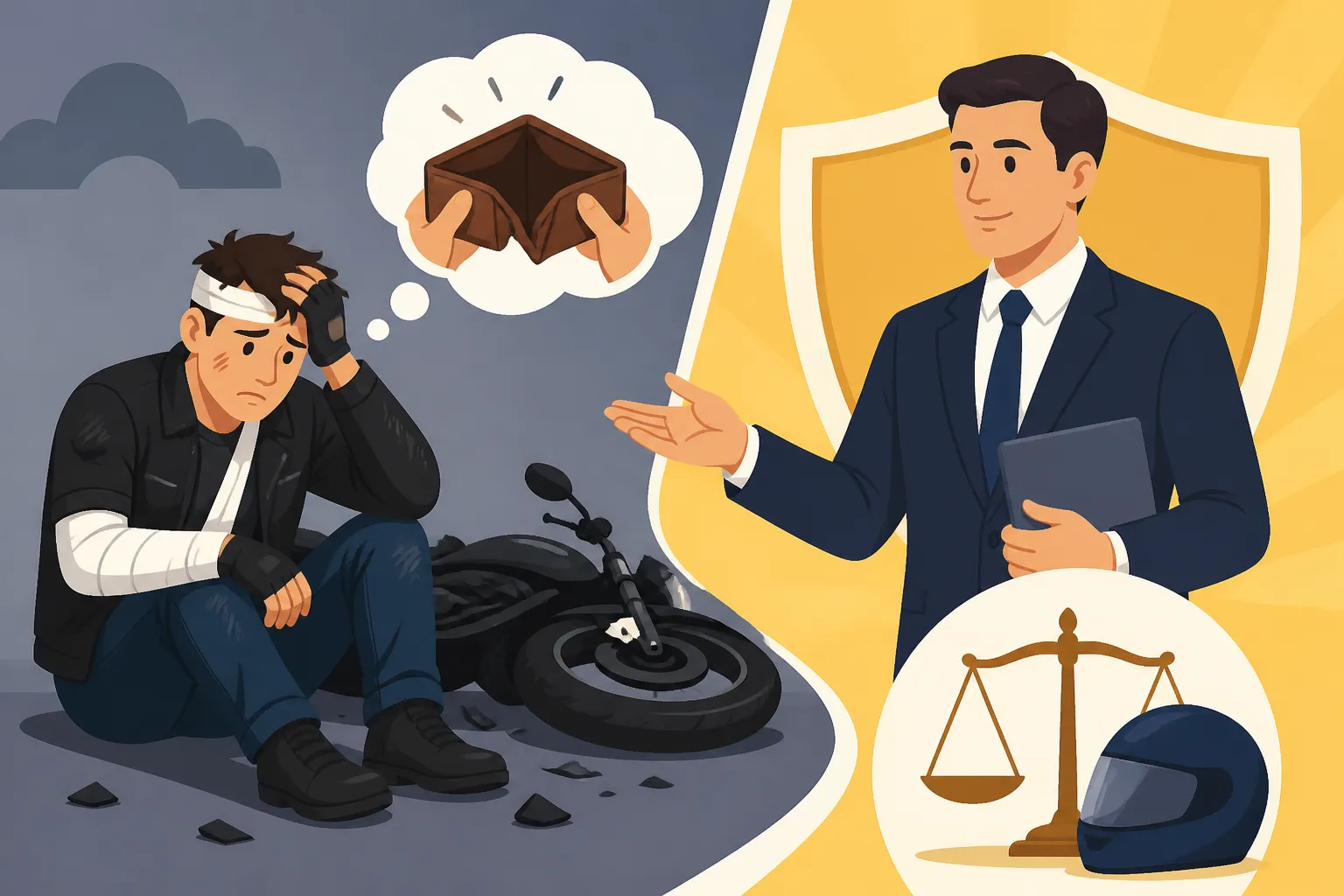
Riding a motorcycle offers an unparalleled sense of freedom, but it also comes with the devastating reality that accidents can happen in an instant, often through no fault of our own. When the unthinkable occurs, leaving you with injuries, a totaled bike, and a mountain of medical bills, the last thing you want to worry about is how on earth you’ll afford legal representation. It’s a common, crushing fear many riders face: "I need help, but I can't afford a lawyer." This guide is here to tell you that not being able to pay upfront doesn't mean you're out of options, and we'll walk through how you can still secure the legal support you deserve.
The Common Fear of Legal Costs After a Motorcycle Accident
Let's be real: the legal system can feel like a labyrinth, and the perception of high costs is often the biggest barrier for someone who's just been through a traumatic motorcycle accident. You're already dealing with so much, and the thought of adding another massive expense to your plate is enough to make anyone feel defeated.
Why the Perception of High Costs Is So Prevalent
For most folks, their understanding of legal fees comes from TV dramas or anecdotes about corporate lawsuits, where lawyers charge hundreds, even thousands, of dollars per hour. It’s true that in many areas of law, such as business litigation or family law, attorneys bill by the hour, requiring significant retainers upfront. This model understandably makes people believe that hiring any lawyer is financially out of reach for the average person. We see big numbers thrown around for legal services, and it creates a mental block, making riders feel like their only option is to try and navigate the confusing world of insurance claims alone. However, personal injury law, and specifically motorcycle accident claims, operates under a very different, rider-friendly financial structure.
The Immediate Financial Strain After a Crash
Beyond the perception of legal fees, the sheer financial impact of a motorcycle crash is immediate and overwhelming. You might be laid up in a hospital bed, watching medical bills pile up faster than you can count. There's the cost of ambulance rides, emergency room visits, specialist consultations, surgeries, physical therapy, and prescription medications. Then there are the lost wages from being unable to work, potentially for weeks or months, disrupting your entire financial stability. And let's not forget the motorcycle itself – often a total loss, leaving you without transportation and facing a significant financial hit for repairs or replacement. With all these burdens, the idea of paying a lawyer upfront seems not just daunting, but downright impossible. This confluence of expenses can make even thinking about legal action feel like an added stress rather than a necessary step towards recovery.
Understanding How Motorcycle Accident Lawyers Get Paid
Here's the crucial part, and it's probably the most reassuring information you'll hear: most personal injury lawyers, especially those specializing in motorcycle accidents, work on what's called a contingency fee basis. This model is specifically designed to make legal representation accessible to everyone, regardless of their current financial situation.
The Contingency Fee Model Explained
Imagine this: you've been in a motorcycle accident, you're injured, and you're worried about money. A lawyer working on a contingency fee means you pay absolutely nothing upfront. Seriously, not a dime. Their payment is contingent upon them successfully resolving your case. If they don't win your case – whether through a settlement or a court verdict – you don't owe them any attorney fees. This completely removes the financial barrier that often prevents accident victims from seeking justice.
When a lawyer takes your case on contingency, they are essentially investing their time, resources, and expertise into your claim. They handle all the paperwork, negotiate with insurance companies, gather evidence, and if necessary, represent you in court. Once your case settles or a judgment is awarded, the attorney's fees are a pre-agreed percentage of the total compensation you receive. It’s a win-win: you get top-notch legal representation without any initial cost, and the lawyer is motivated to secure the largest possible settlement or award because their compensation is directly tied to your success. To dive deeper into this, check out our guide on How Contingency Fees Work.
What Percentage Do Injury Lawyers Take
The percentage a personal injury lawyer takes on a contingency fee basis typically ranges from 33.3% (or one-third) to 40% of the gross settlement or award. The exact percentage can vary based on several factors, including the complexity of the case, the stage at which it resolves (e.g., pre-litigation settlement versus going to trial), and state regulations. For instance, some states might have slight variations, but these figures are pretty standard across the country.
It’s important to understand that this percentage covers the lawyer's time, skill, and effort throughout the entire process. This isn't just for a few phone calls; it's for months, sometimes years, of dedicated work. Many firms, especially those with significant experience in motorcycle accidents, might have a slightly higher percentage if the case goes to litigation and trial, reflecting the increased time, resources, and risk involved. When you have your initial consultation, this percentage will be clearly laid out in a written agreement, so there are no surprises. You should always feel comfortable asking questions about the fee structure to ensure you fully understand it. We cover this in more detail in our article, What Percentage Do Injury Lawyers Take.
Case Expenses Versus Attorney Fees
This is a critical distinction that often confuses people. When discussing how lawyers get paid, we need to separate attorney fees from case expenses.
- Attorney Fees: This is the percentage of your settlement that goes directly to the lawyer for their professional services, as explained above.
- Case Expenses (or Costs): These are the out-of-pocket costs incurred while prosecuting your case. They are separate from the attorney's fee. Examples of case expenses include:
- Filing fees: The costs associated with filing a lawsuit in court.
- Court reporter fees: For depositions and trial transcripts.
- Expert witness fees: If your case requires testimony from medical professionals, accident reconstructionists, or other experts. These can be substantial.
- Investigation costs: Such as hiring private investigators or obtaining accident reports.
- Medical record retrieval fees: Obtaining copies of all your medical documentation.
- Postage, photocopying, and travel.
In most contingency fee agreements, the attorney will advance these case expenses on your behalf. This means you don't have to pay them out of pocket as they arise. Once your case settles or you receive an award, these advanced expenses are then reimbursed to the law firm from the gross settlement before the attorney's percentage fee is calculated and deducted. So, while you technically pay for these expenses, you're not paying them upfront. This arrangement ensures that even if you have zero funds after your accident, you can still pursue a strong case. Understanding How Lawyers Advance Case Costs can really clarify this process and ease concerns.
Navigating Initial Consultations Without Upfront Payments
The initial meeting with a lawyer is crucial, and it’s a stage where many people incorrectly assume they need to pay. The good news is, for personal injury cases, almost all reputable law firms offer free, no-obligation consultations.
The Benefit of Free Case Consultations
Think of a free case consultation as your chance to interview a potential legal partner without any commitment or financial risk. This meeting is invaluable for several reasons:
- Case Assessment: The attorney will listen to your story, review any documents you have (police report, photos, medical bills), and give you an honest evaluation of your claim's strengths and weaknesses. They can help you understand the potential value of your case and the legal challenges you might face.
- Understanding Your Options: Beyond just assessing your claim, the lawyer can explain the legal process in plain language, outlining the steps involved, from gathering evidence to negotiating with insurance companies, and potentially going to trial.
- No Financial Pressure: Since it's free, you can consult with several attorneys if you wish, comparing their approaches and personalities to find someone you feel comfortable and confident working with. There's no pressure to sign anything on the spot, and you leave with valuable information regardless of your decision.
This is your opportunity to ask tough questions and get a feel for the legal professional who might be guiding you through a difficult time. Don't hesitate to utilize this critical resource. More information can be found on What Happens in a Free Case Consultation.
What to Bring to Your First Meeting
While you don't need to have every single document perfectly organized, bringing certain key pieces of information to your free consultation can significantly help the attorney assess your case more accurately and efficiently. The more details you can provide, the better. Here’s a checklist of items that are incredibly helpful:
- Police Accident Report: If one was filed, this contains crucial details about the accident, including witness information, officer's observations, and initial fault determinations.
- Insurance Information: Your own insurance policy details (motorcycle and health) and, if possible, the other driver's insurance information.
- Medical Records and Bills: Any documentation related to your injuries, treatments, and medical expenses so far. This includes emergency room records, doctor's notes, hospital bills, and prescriptions.
- Photographs and Videos: Pictures of the accident scene, your damaged motorcycle, the other vehicle, your injuries, and any road hazards. Videos from dashcams or surveillance cameras are also incredibly valuable.
- Witness Information: Names, phone numbers, and email addresses of anyone who witnessed the accident.
- Personal Notes: Any notes you took at the scene, details you remember, or a journal you've kept about your pain and recovery.
- Loss of Income Documentation: Pay stubs, employment records, or a letter from your employer verifying lost wages due to the accident.
Don’t worry if you don’t have everything; the attorney can guide you on what additional information will be needed. The most important thing is to make the appointment and start the conversation. For a comprehensive list, see Documents to Bring to an Injury Lawyer.
Other Avenues for Legal Assistance and Support
Even with the contingency fee model, some individuals might still feel hesitant or believe their case isn't significant enough for a personal injury firm. However, there are additional avenues and resources available to ensure everyone has access to legal assistance.
Legal Aid and Pro Bono Services
While personal injury cases on contingency are widely available, sometimes other forms of legal help are needed. Legal aid societies and pro bono programs offer free legal services to low-income individuals for various legal issues. However, it's important to understand that personal injury cases, because of the contingency fee model, are typically not the focus of these programs. Legal aid generally helps with matters like housing, family law, or employment disputes where no financial recovery is expected, and therefore, a contingency fee isn't viable.
That said, some legal aid organizations or local bar associations might offer referral services or limited consultations that could point you in the right direction or clarify if your specific situation fits their criteria. It's always worth checking with your local legal aid society or asking at your initial free consultation if they know of any pro bono resources that might be relevant to your unique circumstances. While unlikely for a typical injury claim, exploring all options is part of a thorough search for assistance.
Referral Services and Bar Associations
Sometimes the hardest part is simply knowing where to start looking for a lawyer. This is where attorney referral services and local bar associations can be incredibly helpful.
- Attorney Referral Services: These services, often run by bar associations or independent entities, act as a bridge between individuals needing legal help and attorneys specializing in specific areas of law. You describe your situation, and they connect you with lawyers in your area who handle motorcycle accident claims and work on a contingency basis. Platforms like LegalMatch can be invaluable here, connecting you with qualified attorneys in your area who specialize in personal injury cases and work on contingency. These services streamline the search process, saving you time and ensuring you connect with experienced professionals.
- State and Local Bar Associations: Many state and local bar associations offer lawyer referral services directly. They can provide you with a list of attorneys in your vicinity who practice personal injury law. These referrals often come with the assurance that the attorneys meet certain professional standards. This provides a vetted list of legal professionals who understand specific state laws, such as Motorcycle Accident Fault Laws in California or Motorcycle Accident Fault Laws in Texas, for example.
Utilizing these services is a smart step to find an attorney who not only specializes in motorcycle accidents but also offers the contingency fee arrangement you need.
Support Groups and Community Resources
While not directly providing legal assistance, motorcycle accident support groups and community resources can offer invaluable guidance and emotional support during a challenging time. These groups are often populated by individuals who have gone through similar experiences and can provide:
- Peer-to-Peer Advice: Members can share their experiences with specific law firms, insurance companies, or rehabilitation centers, offering practical tips and warnings.
- Referrals: They might know trusted attorneys who are particularly empathetic to motorcyclists and work effectively on contingency.
- Emotional Support: Dealing with injuries, financial stress, and the legal system can be isolating. These groups provide a safe space to share frustrations and find encouragement.
Organizations dedicated to motorcycle safety or rider advocacy often have lists of recommended legal professionals or can steer you towards other helpful resources. While they won't represent you in court, their collective wisdom and support can be a huge asset in navigating the aftermath of an accident, including finding suitable legal representation. Exploring options for Free Legal Help for Motorcycle Accident Victims can also lead to surprising community support.
Deciding If You Truly Need a Lawyer
The question of whether you truly need a lawyer is a significant one, especially when you're concerned about costs. While the contingency fee model removes the upfront financial burden, it's still good to understand when legal representation is not just beneficial, but absolutely crucial for your case.
When a Lawyer Is Crucial for Your Claim
Let's be blunt: if you've suffered anything more than minor bumps and scrapes, or if your bike is significantly damaged, you absolutely need a lawyer. Here’s why:
- Serious Injuries: If your injuries are significant – road rash requiring skin grafts, broken bones, a traumatic brain injury, spinal cord damage, or any injury requiring extensive medical treatment and recovery time – a lawyer is essential. These cases involve complex medical prognoses, future medical costs, and substantial pain and suffering, all of which an experienced attorney knows how to properly value and fight for.
- Disputed Fault: Insurance companies often try to pin some or all of the blame on the motorcyclist. This is a battle you don't want to fight alone. A lawyer can gather evidence, interview witnesses, and present a compelling case to prove the other driver's negligence. Understanding Who Is at Fault in a Motorcycle Accident can be a complex legal dance.
- Large Damages: When potential compensation is high due to extensive medical bills, lost wages, and other damages, the stakes are too high to go it alone. Insurance adjusters are trained to minimize payouts, and they will exploit any lack of legal knowledge on your part.
- Insurance Company Tactics: Insurers will try every trick in the book – from lowball offers to delaying tactics to outright denying your claim – to avoid paying out what you deserve. A lawyer acts as your shield and sword, handling all communication and negotiations, ensuring you're not taken advantage of. This is why When You Definitely Need an Attorney is often sooner rather than later.
- Complex Legal Issues: Cases involving multiple vehicles, uninsured/underinsured drivers, government liability for road hazards, or defective motorcycle parts introduce layers of legal complexity that require professional expertise.
Ultimately, a good motorcycle accident lawyer can dramatically increase your chances of securing a fair settlement, often far exceeding what you could achieve on your own. For more on this, check out How a Lawyer Increases Your Settlement.
When You Might Handle a Claim Yourself
While a lawyer is almost always recommended for significant motorcycle accident injuries, there are very rare instances where you might consider handling a claim yourself:
- Minor Property Damage Only: If the accident resulted in only superficial damage to your motorcycle and absolutely no physical injuries to you or your passenger, you might be able to handle the property damage claim with your insurance company.
- Clear and Undisputed Fault: If the other driver was clearly at fault, admitted it, and there's ample evidence (like a police report stating so unequivocally, or dashcam footage), and your damages are minimal, you could try to manage the claim.
- No Significant Injuries: This is the key. If you truly have no injuries, or only incredibly minor bruises that don't require medical attention beyond a basic first aid kit, then a personal injury lawyer might not be necessary.
However, a word of caution: even minor aches can sometimes develop into serious issues days or weeks after an accident. Whiplash, concussions, or internal injuries might not be immediately apparent. Signing a release with an insurance company before you are 100% sure of your physical condition could prevent you from recovering compensation for later-developing symptoms. It’s always safer to get a medical check-up, even if you feel fine. Be realistic about When You Can Handle a Claim Without a Lawyer, as it's a very narrow window.
The "Helmet Defense" and Other Insurance Tactics
Motorcycle riders unfortunately face a unique uphill battle after an accident: rampant bias. Insurance companies, and even sometimes juries, harbor stereotypes that motorcyclists are reckless thrill-seekers. This often leads to immediate attempts by adjusters to assign blame or minimize damages, even when the car driver was clearly at fault.
One of the most insidious tactics is the "helmet defense." Even if you were wearing a DOT-compliant helmet, an insurance company might try to argue that your injuries would have been less severe if you had worn a different type of helmet, or if you weren't wearing a helmet in a state where one wasn't legally required for your age/experience. This is a common strategy to reduce their payout, regardless of who caused the crash. The truth is, how How Helmet Laws Affect Your Accident Claim can get complicated.
Beyond the helmet defense, insurers might:
- Delay, Deny, Defend: Stall investigations, deny claims without proper justification, or aggressively defend their insured.
- Lowball Offers: Present a quick, ridiculously low settlement offer, hoping you'll take it out of desperation.
- Question Credibility: Scrutinize your medical history to claim pre-existing conditions, or imply you're exaggerating your injuries.
- Request Excessive Information: Ask for more personal information than necessary, hoping to find something they can use against you.
An experienced motorcycle accident attorney understands these tactics intimately. They can counter these biases and aggressive strategies, protecting your rights and ensuring you receive fair compensation. They know How Insurance Companies Assign Blame to Riders and how to fight back effectively.
Maximizing Your Chances of Securing Legal Representation
Even if you're feeling overwhelmed and convinced you can't afford a lawyer, remember that attorneys who work on contingency are looking for viable cases. By taking certain steps, you can make your case more appealing to prospective legal counsel and increase your chances of securing effective representation.
Building a Strong Case from Day One
The stronger your case appears, the more attractive it will be to a personal injury attorney working on a contingency fee. Lawyers are essentially investing their time and resources, so they want to ensure a good return on that investment – meaning a higher chance of winning and a larger settlement. You can significantly help build that strong case by:
- Documenting Everything at the Scene: Take photos and videos of everything – the accident scene from multiple angles, damage to both vehicles, your injuries, skid marks, road conditions, traffic signs, and any debris. Get contact information for witnesses. Even a blurry photo can be vital.
- Seeking Immediate Medical Attention: Don't tough it out. Even if you feel okay, get checked by a doctor. Adrenaline can mask pain, and some serious injuries, like concussions or internal bleeding, might not show symptoms right away. A clear medical record from the very beginning establishes a direct link between the accident and your injuries. Gaps in medical treatment can be used against you by insurance companies.
- Keeping Detailed Records: Maintain a file of all medical bills, receipts for accident-related expenses (like pain medication, travel to appointments), and records of lost wages. Keep a pain journal documenting your daily symptoms, limitations, and emotional distress.
- Avoiding Admissions of Fault: Never apologize or admit fault at the scene, even if you feel shaken or guilty. Stick to the facts when speaking with police or other drivers. Let the investigation determine fault. This is critical for Proving Fault in a Motorcycle Accident.
By diligently following these steps, you're essentially preparing a compelling package that a potential attorney can quickly review and see the merit in pursuing your claim.
Communicating Your Financial Situation
It might feel awkward, but being upfront and transparent about your financial concerns with a prospective attorney is actually a good idea. Remember, they deal with clients in similar situations every single day. They understand that a motorcycle accident can devastate a person's finances.
During your free consultation, express your worries about legal costs. Ask clear questions about their fee structure, the contingency percentage, and how case expenses are handled. A reputable attorney will appreciate your honesty and will be able to clearly explain how their contingency fee agreement works to alleviate your concerns. They can walk you through the specifics of How Contingency Fee Agreements Work and show you how it benefits someone in your position. This open communication builds trust and ensures that both parties are on the same page regarding expectations and financial arrangements from the outset. Don't let embarrassment prevent you from getting clarity; it's a normal and necessary conversation.
The Role of Contingency Fee Agreements
The entire personal injury legal framework, especially for motorcycle accidents, is built around the contingency fee agreement precisely because victims often face severe financial hardship. This isn't just a courtesy; it's a foundational principle designed to ensure justice isn't exclusive to those who are wealthy.
When a lawyer agrees to take your case on contingency, it means they are betting on your success. They only get paid if you do. This aligns their interests perfectly with yours – they are just as motivated to win your case and maximize your compensation as you are. This model is often the lifeline for accident victims who cannot work due to injuries and face mounting bills. Without it, many individuals would simply be unable to hold negligent parties accountable or secure the compensation needed for their recovery and future.
This is precisely where the beauty of a contingency fee agreement comes into play. It's a foundational principle in personal injury law that aims to level the playing field, ensuring that your financial situation doesn't prevent you from seeking justice. Platforms like LegalMatch highlight attorneys who work this way, making it easier for you to find legal professionals committed to this client-first payment model. So, when you're thinking "I can't afford a lawyer," remember that the legal system has a built-in solution for you, and it's called the contingency fee.
Disclaimer
Please remember that this article provides general information and does not constitute legal advice. The laws regarding motorcycle accidents, fault, and settlements vary significantly by state and specific circumstances. It is always recommended to consult with a qualified personal injury attorney to discuss the specifics of your individual case.