First Steps to Protect Your Motorcycle Claim
The roar of your engine, the open road – there’s nothing quite like the freedom of riding. But in a split second, that freedom can be shattered by an accident, leaving you shaken, possibly injured, and reeling from the chaos. The moments immediately following a motorcycle crash are incredibly overwhelming, but they are also crucial for protecting your rights and any potential claim you might need to make. This guide will walk you through the essential first steps to safeguard your motorcycle accident claim, ensuring you don't inadvertently jeopardize your future.
Immediate Actions at the Scene of the Accident
When adrenaline is coursing through your veins and you're trying to process what just happened, it’s incredibly difficult to think clearly. However, the actions you take (or don't take) right after a crash can significantly impact your physical recovery and the strength of your claim. Your safety and well-being should always be the top priority.
Prioritizing Safety and Medical Attention
After the initial shock, your very first instinct should be to assess your immediate surroundings and your physical condition. If you can move, try to get yourself and your motorcycle to the safest possible location away from active traffic, if it’s safe to do so. This might mean rolling onto the shoulder or a nearby grassy area. Leaving your bike in the middle of the road could lead to further accidents and complicate matters.
No matter how "fine" you feel, or how minor the collision seems, it is absolutely paramount to call 911 immediately. Emergency services will dispatch police and paramedics. Even if you're standing and talking, you could have internal injuries, concussions, or other damage that isn't immediately apparent due to adrenaline. Paramedics can perform an initial assessment and recommend transport to a hospital. Don’t wave them off, even if you just want to get home; a refusal of medical care can be used by insurance companies to argue that your injuries weren't serious. This immediate documentation of your injuries is vital, not only for your health but also for your claim. It helps establish a direct link between the accident and any physical harm you sustained.
Contacting Law Enforcement and Reporting the Incident
Once you're as safe as possible and medical attention is en route, contacting law enforcement is your next critical step. In most states, if there's property damage above a certain threshold (often a few hundred dollars) or any injury, a police report is legally required. Even if it's not strictly mandated, insist on having the police come out. Officers will create an official accident report, which can be an indispensable piece of evidence for your claim. This report will detail the date, time, location, parties involved, vehicle information, and often, an initial determination of fault.
When speaking with the police, be clear, concise, and stick to the facts. Provide them with accurate details about what happened from your perspective. However, it's crucial to avoid speculation, admitting fault, or making statements like "I think…" or "Maybe I should have…" Stick to what you know for certain. Emotions can run high after a crash, but expressing anger, making accusations, or admitting any degree of fault can severely damage your claim later on. Remember, anything you say can be included in the police report and potentially used against you by insurance adjusters trying to minimize your payout. A thorough police report can be instrumental in proving fault in a motorcycle accident.
Documenting the Scene with Photos and Videos
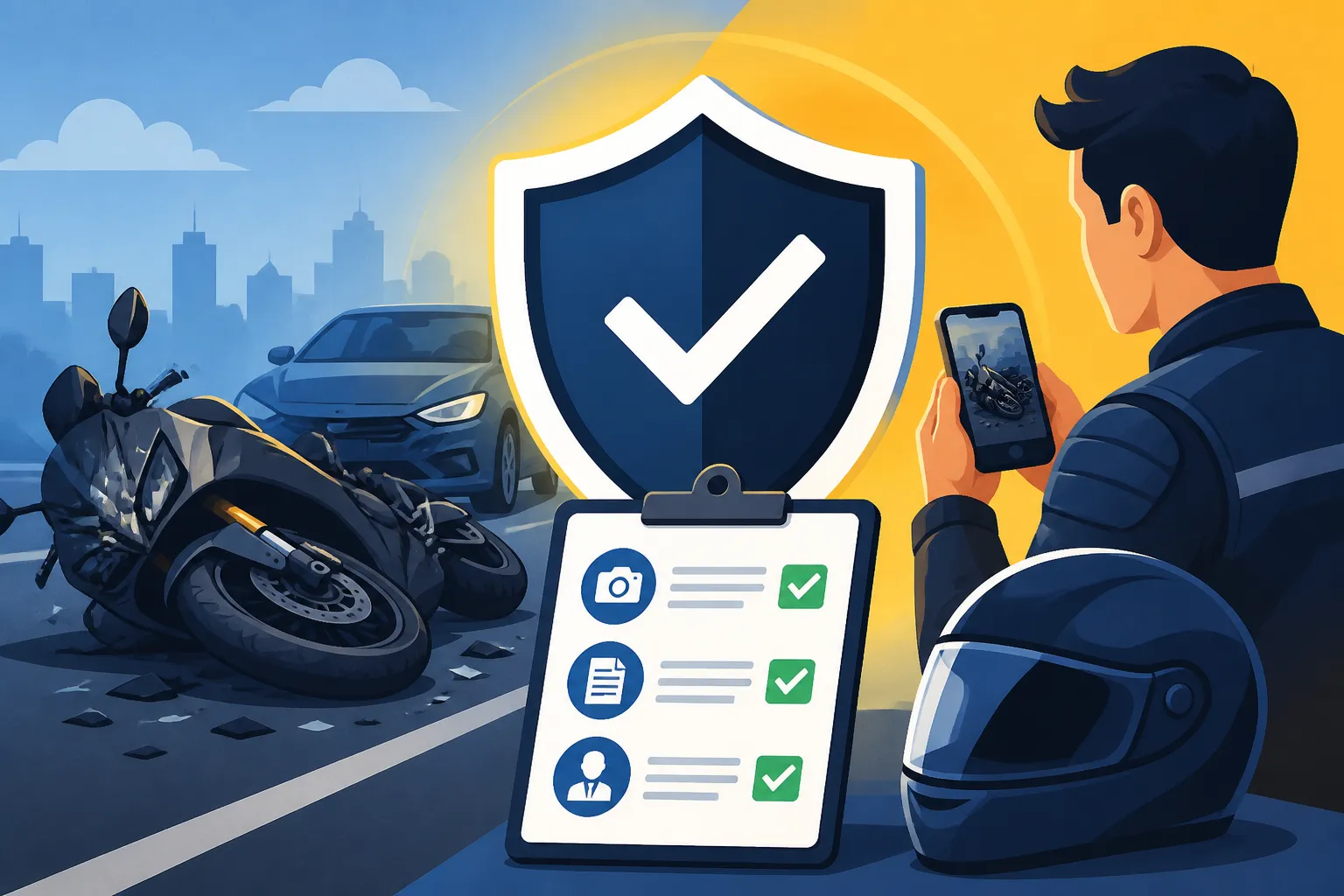
In today's world, almost everyone has a smartphone with a camera. This is your best friend after an accident. If you are physically able and it is safe to do so, start taking as many photos and videos as possible of the accident scene. Capture the big picture and the small details.
Think like an investigator. Photograph the position of your motorcycle and the other vehicle(s) before anything is moved, if possible. Get shots from multiple angles, showing the overall scene, the street signs, traffic signals, and any relevant road markings. Zoom in on all vehicle damage, both yours and the other driver’s. Don't forget to photograph any debris on the road, skid marks, broken glass, or fluids. These can provide critical information about the impact and sequence of events. Also, capture the weather conditions, time of day, and any potential road hazards that might have contributed to the crash. If you have visible injuries like road rash, cuts, or bruises, take clear photos of these as well. The more visual evidence you collect, the stronger your case will be, helping to provide clear motorcycle accident evidence for proving fault.
Gathering Crucial Information from Others
Beyond documenting the scene itself, collecting information from everyone involved and anyone who witnessed the incident is paramount. This data will be essential for filing your claim and for any subsequent legal action.
Exchanging Contact and Insurance Details
After a crash, you must exchange information with all other drivers involved. This includes their full name, contact information (phone number, email address), driver’s license number, license plate number, and their insurance company name and policy number. Write it down clearly or take a photo of their insurance card and driver’s license. Don't rely on memory, especially when you're under stress.
While you're exchanging information, maintain a calm and polite demeanor. Avoid getting into arguments about who was at fault. Your goal at this stage is purely informational. If the other driver is uncooperative or refuses to provide information, make a note of it and inform the police officer on the scene. This refusal can be a red flag and may indicate they are uninsured or have something to hide.
Identifying and Engaging Witnesses
Independent witnesses can be incredibly powerful in corroborating your account of the accident, especially in situations where fault might be disputed or if the other driver attempts to shift blame. People tend to be more sympathetic to motorcyclists, as we're often perceived as vulnerable on the road, and their objective perspective can cut through biases.
Look around for anyone who might have seen the accident happen—pedestrians, drivers in other vehicles, or people from nearby businesses. Politely approach them and ask if they witnessed the crash. If they did, ask for their full name and contact information. You can also ask them briefly what they saw, but again, avoid engaging in lengthy discussions about fault. Just get their perspective and contact details. Their testimony, if needed, can provide an unbiased account of the incident, significantly strengthening your claim. Keep in mind that their memory of the event might fade quickly, so gathering their details at the scene is critical. How witnesses affect motorcycle fault can be a game-changer for your case.
Protecting Your Health and Medical Records
One of the most common pitfalls riders face after an accident is underestimating their injuries or delaying medical treatment. This can have severe consequences for both your long-term health and your personal injury claim.
Seeking Prompt Medical Evaluation
As mentioned earlier, getting checked out by paramedics at the scene is a critical first step. But that’s not enough. You must seek a comprehensive medical evaluation from a doctor as soon as possible after the accident, even if you declined ambulance transport. Many serious injuries, such as concussions, whiplash, internal bleeding, or spinal trauma, might not present symptoms immediately. The rush of adrenaline can mask pain and injury for hours or even days.
A doctor can properly diagnose your injuries, recommend appropriate treatment, and create a medical record that directly links your condition to the motorcycle accident. This immediate medical documentation is foundational to your claim. A delay in seeking medical attention provides an opening for the at-fault driver's insurance company to argue that your injuries were not caused by the accident but rather by some other event or condition that occurred later. This is why it's so important to seek immediate treatment.
Following Through with Medical Treatment
Once you've seen a doctor, it's absolutely crucial to follow all their recommendations and treatment plans. This means attending all follow-up appointments, undergoing prescribed therapies (physical therapy, chiropractic care, etc.), taking medications as directed, and not missing any scheduled tests or procedures. Consistently adhering to your medical regimen demonstrates to insurance companies and, if necessary, to a jury that your injuries are legitimate and that you are actively working towards recovery.
Any gaps in your medical treatment can be used by the opposing side to suggest that your injuries weren't as severe as you claim, or that you contributed to your delayed recovery. For example, if your doctor recommends physical therapy for a month and you only go for a week because you feel a little better, the insurance company might argue that your current pain isn't a direct result of the crash but rather your failure to complete recommended treatment. Consistency and diligence are key here.
Documenting All Injuries and Symptoms
Beyond the formal medical records, maintaining your own detailed record of your injuries and symptoms can be incredibly helpful. This could be a simple journal where you daily note:
- The specific pain you're experiencing (location, intensity on a scale of 1-10).
- Any limitations or difficulties you face (e.g., trouble lifting objects, difficulty sleeping, inability to ride your motorcycle).
- The impact on your daily life, hobbies, and work.
- Your emotional state (frustration, anxiety, depression).
When you attend medical appointments, be thorough and honest with your doctors about all your symptoms, even those that seem minor or embarrassing. Don't downplay your pain or try to be tough. Your medical records are the backbone of your claim, and they need to accurately reflect your suffering. This comprehensive personal and professional documentation is critical for how to document injuries for a claim and can significantly impact the valuation of non-economic damages like pain and suffering.
Navigating the Aftermath with Insurers and Legal Counsel
Dealing with insurance companies can be one of the most frustrating parts of a motorcycle accident claim. They are businesses, and their primary goal is to minimize payouts, not to ensure you are fully compensated.
Notifying Your Insurance Company
You generally have a contractual obligation to notify your own insurance company of an accident promptly. This is usually outlined in your policy. Give them the basic facts: date, time, location, and that you were involved in a motorcycle accident. However, be cautious about providing too much detail, especially a recorded statement, without first speaking with legal counsel.
While your own insurer is your company, remember that their interests might not perfectly align with yours, particularly if fault is disputed or if you're making an uninsured/underinsured motorist claim. They are still looking at the bottom line. Stick to reporting the incident and do not speculate about fault or the extent of your injuries. Simply state that you are injured and seeking medical attention.
Understanding the Role of the Other Driver's Insurance
The other driver’s insurance company is not your friend. Their adjusters are trained professionals whose job it is to protect their client (the at-fault driver) and their company’s profits. They will likely contact you quickly, often within days of the accident. They might seem friendly and sympathetic, but be wary. They may try to get you to give a recorded statement, sign medical releases that are too broad, or offer you a quick, lowball settlement before you even fully understand the extent of your injuries.
You are under no obligation to speak with the other driver’s insurance company, provide them with a recorded statement, or sign any documents without consulting with an attorney first. Anything you say or sign can and will be used against you to devalue your claim. For instance, they might ask leading questions designed to get you to admit partial fault or to minimize your injuries. Politely decline to speak with them directly and refer them to your attorney. This helps avoid common tactics where insurers use rider stereotypes against you.
When to Consider Legal Representation
Given the complexities of injury claims, the tactics insurance companies employ, and the severity of common motorcycle accident injuries, hiring an experienced motorcycle accident lawyer is almost always a wise decision. Many riders wonder, "Do you need a motorcycle accident lawyer?" The answer is usually yes, especially if your injuries are more than minor, if fault is disputed, or if there are multiple parties involved.
A lawyer can:
- Handle all communication with insurance companies, protecting you from unfair tactics.
- Investigate the accident more thoroughly, gathering evidence you might not even know to look for.
- Ensure all your damages, both economic (medical bills, lost wages) and non-economic (pain and suffering), are properly calculated and claimed.
- Negotiate on your behalf for a fair settlement.
- Represent you in court if a fair settlement cannot be reached.
Most reputable motorcycle accident attorneys work on a contingency fee basis, meaning you don’t pay any upfront fees. They only get paid if they win your case, taking a percentage of the final settlement or award. This makes quality legal representation accessible to everyone, regardless of their financial situation after an accident. Engaging legal counsel early in the process ensures that your rights are protected from day one and helps to maximize your motorcycle accident settlement.
Immediate Post-Accident Checklist: Do's and Don'ts
Here’s a quick overview of what to do and what to avoid in the chaotic moments after a motorcycle accident.
| DO'S | DON'TS |
|---|---|
| Prioritize Safety: Move to a safe location if able. | Don't Flee the Scene: It's illegal and can lead to severe penalties. |
| Call 911: Report the accident, request police and paramedics. | Don't Admit Fault: Never say "I'm sorry" or take blame. |
| Seek Medical Attention: Get checked by paramedics and a doctor ASAP. | Don't Minimize Your Injuries: Be honest about how you feel. |
| Document the Scene: Take photos/videos of everything. | Don't Speculate: Stick to facts, avoid guessing about what happened. |
| Exchange Information: Get details from all parties involved. | Don't Argue: Remain calm and polite, even if frustrated. |
| Gather Witness Info: Ask for names and contact details of observers. | Don't Trust the Other Insurer: Refer them to your lawyer. |
| Notify Your Insurer (Briefly): Fulfill your policy obligation. | Don't Give Recorded Statements: Not to any insurer without counsel. |
| Consult an Attorney: Especially for significant injuries. | Don't Sign Anything: No releases or settlements without legal review. |
| Keep a Journal: Document pain, symptoms, and impact on daily life. | Don't Delay Medical Treatment: Gaps in care hurt your claim. |
Remember, the moments after a crash are scary and disorienting. But by taking these deliberate steps, you are actively protecting your health and building a strong foundation for your motorcycle accident claim.
Disclaimer
The information provided in this guide is for general informational purposes only and does not constitute legal advice. Every motorcycle accident claim is unique, and the laws governing personal injury claims vary by state. It is crucial to consult with a qualified personal injury attorney in your jurisdiction to discuss the specifics of your situation and receive advice tailored to your individual needs.