Average Motorcycle Accident Settlement in Missouri
Riding a motorcycle in Missouri offers an incredible sense of freedom, but it also comes with unique risks. When an accident happens, the physical and emotional toll is immediate, but then the stress of how to cover medical bills, lost wages, and repair costs really sets in. You're probably wondering, "What is the average motorcycle accident settlement in Missouri?" It's a question that weighs heavily on many riders, and this guide is here to provide a realistic, in-depth look at what goes into determining your potential payout after a motorcycle crash in the Show-Me State.
Understanding Motorcycle Accident Settlements in Missouri
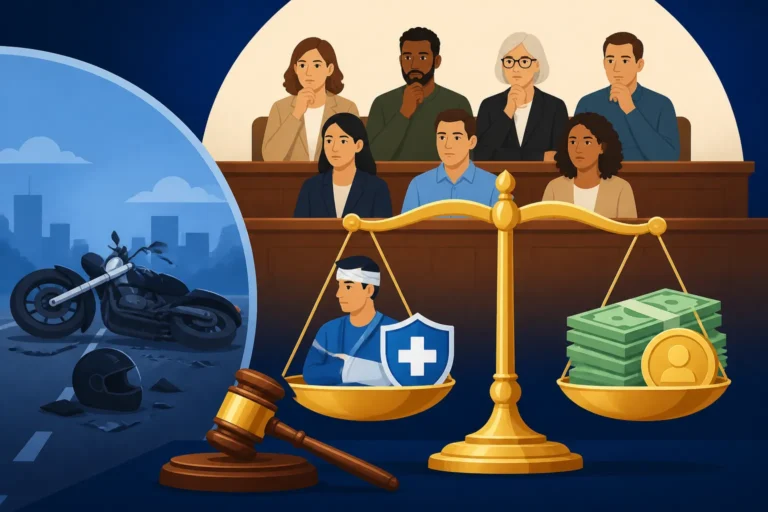
When you've been in a motorcycle accident, the path to recovery involves not just healing physically but also financially. A "settlement" is essentially an agreement reached between you (or your legal representative) and the at-fault party's insurance company to resolve your claim without the need for a lengthy and often stressful trial. It’s a negotiated sum of money intended to compensate you for the damages you've suffered. In Missouri, the specifics of how these settlements are handled have a lot to do with the state's unique legal framework.
What Constitutes a Motorcycle Accident Settlement
A motorcycle accident settlement isn't a magic number that appears out of thin air. Instead, it's the culmination of careful calculation, negotiation, and a thorough assessment of all the losses you’ve incurred due to the crash. This process usually begins after you’ve received medical treatment and reached what’s known as maximum medical improvement (MMI), meaning your doctors don't expect your condition to improve further. At this point, all your medical bills, lost income, and other expenses can be tallied, and the more subjective elements like pain and suffering can be properly valued. The goal is to reach a fair agreement that compensates you for both your tangible and intangible losses, allowing you to move forward without the ongoing financial burden of an accident that wasn't your fault.
Missouri's Modified Comparative Negligence Rule
One of the most critical aspects to understand about motorcycle accident settlements in Missouri is the state’s modified comparative negligence rule, often referred to as the 51% rule. This law dictates that if you are found to be 51% or more at fault for the accident, you are legally barred from recovering any damages from the other party. It’s a strict rule that can completely derail a claim if not carefully navigated.
However, if you are found to be less than 51% at fault, you can still recover damages, but your total settlement amount will be reduced by your percentage of fault. For example, if your total damages are assessed at $100,000, but you are found to be 20% at fault for the crash, your recoverable settlement would be $80,000 ($100,000 minus 20%). This can have a significant impact on your final payout. Understanding How Comparative Negligence Reduces Your Payout is essential, as insurance companies will almost always try to assign some percentage of fault to the motorcyclist, even if it's unfounded, to reduce their own liability. This makes the evidence collected and the arguments made about fault incredibly important.
Key Factors Influencing Your Payout
The truth is, there's no single "average" settlement amount that applies to every motorcycle accident in Missouri. Every case is unique, and your final payout will depend on a multitude of specific details. However, by understanding the categories of damages and the impact of injury severity, you can get a clearer picture of what might influence your potential recovery.
Economic Damages: The Tangible Costs
These are the most straightforward losses to calculate because they come with receipts, invoices, and pay stubs. Economic damages are the direct financial losses you’ve suffered and will continue to suffer as a result of the accident.
- Medical Expenses: This is often the largest component of economic damages. It includes everything from the immediate ambulance ride and emergency room treatment at facilities like Barnes-Jewish Hospital in St. Louis or Research Medical Center in Kansas City, to ongoing doctor visits, specialist consultations, surgeries, prescription medications, physical therapy, and even future medical care that may be needed. Keeping meticulous records of all medical bills and treatments is paramount. Understanding How Medical Bills Affect Your Settlement is crucial, as these costs can skyrocket quickly, especially with serious injuries.
- Lost Wages: If your injuries prevented you from working, you're entitled to compensation for the income you've already lost. This includes your regular salary, hourly wages, commissions, bonuses, and even benefits. If your injuries are severe enough to impact your ability to work in the future, you can also claim lost earning capacity, which accounts for the difference in what you could have earned versus what you are now able to earn. Documenting your income before the accident and providing evidence of your inability to work is key. You can learn more about How Lost Wages Are Calculated to ensure you're including all relevant income.
- Property Damage: This covers the cost to repair or replace your damaged motorcycle and any personal property destroyed in the crash, such as your helmet, leathers, or phone. It’s important to get a professional estimate for your motorcycle’s damage and consider the depreciation of your bike if it’s totaled.
Non-Economic Damages: The Intangible Toll
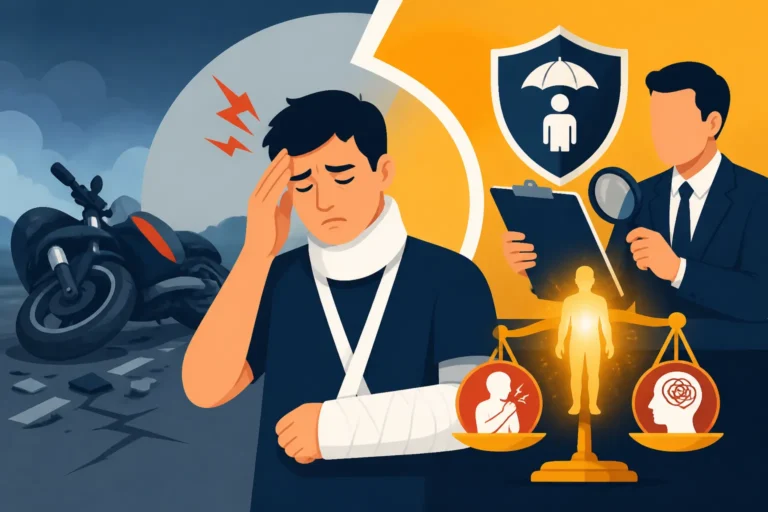
Beyond the concrete financial losses, motorcycle accidents inflict a heavy toll on your well-being that can’t be easily quantified. These are known as non-economic damages, and they aim to compensate you for the subjective pain and suffering you've endured.
- Pain and Suffering: This category covers physical pain, discomfort, and the emotional distress caused by your injuries. It can include chronic pain, the discomfort of recovery, and the mental anguish of dealing with an accident. Missouri law allows for compensation for both past and future pain and suffering.
- Emotional Distress: Many accident victims experience significant psychological trauma, including anxiety, depression, fear, and even Post-Traumatic Stress Disorder (PTSD) after a severe crash. These are real, debilitating conditions that impact your daily life.
- Loss of Enjoyment of Life: This refers to your inability to participate in activities you once enjoyed, such as riding your motorcycle, engaging in hobbies, spending time with family, or even performing simple daily tasks. If you can no longer hike the trails at Forest Park or attend live music events like you used to, that loss is compensable.
- Scarring and Disfigurement: Unfortunately, road rash and other injuries can lead to permanent scarring or disfigurement, which can cause significant emotional and psychological distress. These visible reminders of the accident are an important part of your non-economic damages.
Calculating these types of damages is more complex. Insurance companies often use a "multiplier method" where your total economic damages are multiplied by a factor (usually between 1.5 and 5, sometimes higher for severe cases) to arrive at a value for your pain and suffering. This is where the skill of an attorney can be particularly beneficial, as they can argue for a higher multiplier based on the severity of your specific situation. Delve deeper into Pain and Suffering in Motorcycle Settlements for a comprehensive understanding.
Severity of Injuries and Their Impact
The severity and type of injuries you sustain are perhaps the single biggest determinant of your settlement amount. Motorcycle accidents notoriously result in more severe injuries compared to car accidents because riders lack the protection of an enclosed vehicle.
- Minor Injuries: Even seemingly minor injuries, like extensive road rash (which can require skin grafts), whiplash, or sprains, can lead to significant medical bills and discomfort. While these claims generally result in lower settlements, they are still important and deserve proper compensation.
- Catastrophic Injuries: These are life-altering injuries that often require extensive, long-term medical care and can lead to permanent disability. This includes Motorcycle Accident Traumatic Brain Injuries (TBIs), Spinal Cord Injuries from Motorcycle Accidents leading to paralysis, amputations, severe fractures, and internal organ damage. Such injuries not only entail astronomical medical costs but also significant non-economic damages due to the profound impact on your quality of life. Settlements for catastrophic injuries in Missouri can be substantially higher, sometimes reaching hundreds of thousands or even millions of dollars, depending on the specifics of lifelong care needs, lost earning capacity, and immense pain and suffering.
Navigating the Missouri Legal Process
Understanding the factors that influence your settlement is one thing, but knowing how to navigate the legal process in Missouri is another entirely. This involves adhering to specific deadlines and understanding how legal professionals can advocate on your behalf against powerful insurance companies.
Missouri's Statute of Limitations
In Missouri, there is a strict deadline for filing a personal injury lawsuit, known as the Statute of Limitations. For most motorcycle accident personal injury claims, you generally have five years from the date of the accident to file a lawsuit (Missouri Revised Statutes Section 516.120). If you fail to file within this timeframe, you will almost certainly lose your right to pursue compensation, regardless of the severity of your injuries or the strength of your case. While settlements are often reached outside of court, this deadline is still critically important as it dictates your ability to sue if negotiations fail. There are rare exceptions that might "toll" or pause this clock, but relying on them without legal guidance is incredibly risky. Learn more about The Statute of Limitations Explained to protect your rights.
Dealing with Insurance Companies in Missouri
Dealing with insurance companies after a motorcycle accident can be incredibly frustrating. They are for-profit businesses, and their primary goal is to minimize the amount they pay out, not to ensure you receive fair compensation. They might offer a quick, low-ball settlement early on, hoping you'll accept before you fully understand the extent of your injuries or your claim's true value. They may also employ tactics to shift blame to you, the rider, a phenomenon known as "rider bias," trying to reduce their payout under Missouri’s comparative negligence law.
It's vital to remember that anything you say to an insurance adjuster, especially in a recorded statement, can be used against you. It's almost always in your best interest to consult with an attorney before speaking with the at-fault driver's insurance company. Experienced attorneys know how these companies operate, whether it’s a national carrier like Geico or Progressive, or a regional one, and they can protect your interests throughout the negotiation process. Understanding How Insurers Lowball Motorcycle Riders can prepare you for these common tactics.
The Value of Legal Representation
Given the complexities of Missouri's comparative negligence laws, the tactics employed by insurance companies, and the intricacies of valuing all your damages, having a skilled motorcycle accident attorney on your side is invaluable. An attorney who specializes in motorcycle accidents understands the unique challenges riders face, including prevailing stereotypes. They can:
- Investigate Your Case Thoroughly: Gathering crucial evidence like police reports, witness statements, accident reconstruction data, and medical records.
- Accurately Value Your Claim: Ensuring all economic and non-economic damages are considered, including future costs.
- Negotiate with Insurers: Protecting you from low-ball offers and aggressive tactics, ensuring fair negotiations.
- Handle All Paperwork and Deadlines: Freeing you to focus on your recovery.
- Represent You in Court: If a fair settlement cannot be reached, they can prepare your case for trial.
Most motorcycle accident attorneys work on a contingency fee basis, meaning you don't pay any upfront legal fees. Their payment is a percentage of the final settlement or court award. This means they only get paid if you win, making quality legal representation accessible to everyone. To understand this payment structure, read more about How Motorcycle Accident Lawyers Get Paid.
Maximizing Your Missouri Motorcycle Accident Settlement
While no one ever wants to be in an accident, if you find yourself in that unfortunate situation, there are proactive steps you can take to protect your rights and maximize your potential settlement in Missouri.
Immediate Steps After a Crash
What you do in the moments and hours following a motorcycle accident can significantly impact your claim. Your actions are critical to securing the evidence needed to prove fault and the extent of your damages.
- Prioritize Medical Attention: Your health comes first. Even if you feel okay, some serious injuries like concussions or internal bleeding may have delayed symptoms. Seek medical attention immediately. Visit an emergency room in cities like Kansas City or Springfield, or your primary care physician promptly. This not only protects your health but also creates an official medical record linking your injuries directly to the accident. Any gaps in treatment can be used by insurance companies to argue that your injuries weren't severe or weren't caused by the crash.
- Contact Law Enforcement: Always call the police, even if the accident seems minor. A police report documents the scene, identifies parties involved, and often includes the officer's initial assessment of fault. While not definitive, it's a vital piece of evidence.
- Document the Scene: If you are physically able, take as many photos and videos as possible. Capture vehicle positions, damage to your motorcycle and the other vehicle, road conditions, traffic signs, skid marks, and any relevant debris. Get photos of your injuries, damaged gear, and even the weather conditions. Gather contact information from witnesses, as their testimonies can be crucial. Our guide on What to Do After a Motorcycle Accident offers more in-depth advice on these initial steps.
- Do Not Admit Fault: Never, under any circumstances, admit fault at the scene of the accident, even if you think you might be partly to blame. Stick to the facts when speaking with police or other drivers. Let a thorough investigation determine liability.
Thorough Documentation is Your Best Friend
A strong motorcycle accident claim is built on comprehensive documentation. The more evidence you have, the harder it is for insurance companies to dispute your damages.
- Medical Records: Keep every single medical record, including doctor's notes, diagnostic test results (X-rays, MRIs, CT scans), physical therapy reports, and prescription details. Also, maintain a meticulous record of all medical bills and receipts for out-of-pocket expenses related to your treatment, such as bandages, pain relievers, and even mileage to and from appointments.
- Lost Wage Documentation: Gather pay stubs, income tax returns, and letters from your employer detailing your missed workdays and the impact on your earnings. If you're self-employed, compile your tax returns, bank statements, and client invoices to demonstrate lost income.
- Injury Journal: Start an injury journal as soon as possible. Document your daily pain levels, how your injuries impact your life (e.g., difficulty sleeping, inability to do chores, missing family events), your emotional state, and any conversations you have with doctors or insurance adjusters. This personal account can be powerful in demonstrating non-economic damages. Our post on How to Document Injuries for a Claim can provide additional strategies.
Understanding Policy Limits and Uninsured/Underinsured Motorist Coverage
Even with strong evidence and severe injuries, your settlement might be capped by the at-fault driver's insurance policy limits. In Missouri, the minimum liability insurance requirements are currently $25,000 for bodily injury per person, $50,000 for bodily injury per accident, and $25,000 for property damage. If your damages exceed these limits, and the at-fault driver has minimal coverage, you might not be able to recover the full amount from their policy alone.
This is where your own uninsured/underinsured motorist (UM/UIM) coverage becomes incredibly important. If the at-fault driver has no insurance (uninsured) or not enough insurance (underinsured) to cover your damages, your UM/UIM policy can step in to provide additional compensation up to your policy limits. Many riders overlook the importance of carrying robust UM/UIM coverage, but it can be a lifesaver after a serious accident. Our detailed guide on How Insurance Policy Limits Affect Your Payout and How UM/UIM Coverage Increases Payouts explains how these coverages work and why they are vital for protecting yourself on Missouri roads.
| Category of Damages | Examples | Impact on Settlement |
|---|---|---|
| Economic Damages | Medical bills (past & future), lost wages (past & future), property damage, rehabilitation costs, travel for treatment, vocational retraining | Directly quantifiable losses. These form the concrete baseline for your claim and are proven with receipts, bills, and employment records. Higher costs lead to higher base settlements. |
| Non-Economic Damages | Physical pain and suffering, emotional distress, mental anguish, loss of enjoyment of life, permanent scarring or disfigurement, PTSD, anxiety | Subjective but profoundly impactful. Often calculated using a multiplier on economic damages. Severity and long-term impact on quality of life significantly boost this component. |
| Punitive Damages | Awarded in cases of extreme negligence, reckless disregard, or malicious conduct (e.g., drunk driving, hit-and-run) | Rare in personal injury cases but can substantially increase a settlement in Missouri when the at-fault party's actions were exceptionally egregious, punishing the defendant and deterring similar behavior. |
Disclaimer
Please note that this article provides general informational guidance and should not be considered legal advice. The information presented here is for educational purposes only and may not apply to your specific situation. Motorcycle accident law is complex and varies by jurisdiction. We strongly recommend consulting with a qualified personal injury attorney in Missouri to discuss the specifics of your case and receive tailored legal counsel.