How to Vet a Motorcycle Accident Attorney
After a motorcycle accident, you're likely facing not just physical pain and property damage, but a dizzying array of legal questions. The thought of finding an attorney on top of everything else can feel overwhelming, especially when you're bombarded with ads. But choosing the right lawyer, one who truly understands the nuances of motorcycle accident claims, is one of the most critical decisions you'll make for your recovery and financial future. This guide is here to walk you through how to vet a motorcycle accident attorney, ensuring you select a legal partner who will champion your case effectively.
The Critical Importance of Vetting Your Attorney
Many people think any personal injury lawyer will do after a crash. They assume that if someone has a law degree and handles car accidents, they can handle a motorcycle case. But this couldn't be further from the truth. Motorcycle accidents come with unique challenges, stereotypes, and legal complexities that demand specialized knowledge. Skimping on the vetting process can lead to a less-than-favorable outcome, leaving you with unpaid medical bills, insufficient compensation for your injuries, and a lingering sense of injustice.
Why a Generic Attorney Won't Cut It
When you're a motorcyclist involved in a collision, you're often up against an inherent bias in the legal system, and even among potential jurors. There's a persistent stereotype that riders are reckless, speeding, or simply "asking for it." An attorney who primarily handles car accidents might not be equipped to effectively counteract these biases. They might not understand the specific dynamics of motorcycle crashes, such as how "I Didn't See the Motorcycle" Defense Explained plays out in court, or the physics involved in common motorcycle accident scenarios.
A general personal injury attorney may also lack familiarity with specific motorcycle laws in your state, like those concerning lane splitting or helmet requirements. For example, if you're in California, an attorney needs to understand the specific nuances of Is Lane Splitting Legal in California and how it affects liability. Without this specialized understanding, they might not gather the right evidence, question witnesses effectively, or build a compelling argument that protects you from unfair blame. Your case isn't just another fender-bender; it's a motorcycle accident, and that distinction is paramount.
Protecting Your Future and Your Claim
The attorney you choose will directly impact your ability to recover from your accident, both physically and financially. A lawyer who deeply understands motorcycle accidents will be able to properly assess the full extent of your damages, which often extend far beyond immediate medical bills. They’ll know how to account for long-term care needs, future lost wages, and the significant pain and suffering that often accompany motorcycle injuries. They are crucial in understanding How Fault Affects Your Settlement and ensuring that any shared fault doesn't unfairly diminish your rightful compensation.
Beyond just the financial aspects, a skilled attorney acts as your advocate, navigating the complexities of insurance claims and potentially dealing with aggressive adjusters. They can prevent you from making common mistakes that could harm your case, like giving recorded statements without legal counsel or settling too early. The stakes are incredibly high, and the right legal representation can literally change the trajectory of your recovery and ability to rebuild your life after a devastating crash.
Essential Qualities to Seek in a Motorcycle Accident Lawyer
Finding the "best" motorcycle accident attorney isn't about picking the flashiest advertisement. It's about identifying a legal professional who possesses a specific set of skills, experience, and personal attributes that align with the unique demands of your case. You need someone who is not just competent, but passionate about advocating for riders.
Specialized Experience and Track Record
This is perhaps the most critical factor. You don't want a lawyer who dabbles in motorcycle cases; you want someone who lives and breathes them. Look for an attorney or firm that explicitly highlights their experience with motorcycle accident claims. This means they understand the common causes of motorcycle accidents, the types of injuries riders sustain, and the specific laws that apply. They should have a strong track record of successful verdicts and settlements for other motorcyclists.
Don't be afraid to ask direct questions like: "How many motorcycle accident cases have you handled in the last year?" or "What percentage of your practice is dedicated to motorcycle injury claims?" Also, inquire about their trial experience. Many personal injury claims settle out of court, but if your case does need to go to trial, you want an attorney who is confident and experienced in a courtroom setting. An attorney with a strong reputation for going to trial, and winning, often encourages insurance companies to offer fairer settlements. You can also explore resources like LegalMatch to find attorneys who specifically list motorcycle accident law as a primary practice area, giving you a curated list of experienced professionals. This emphasis on actual trial experience is why "Why Trial Experience Matters for Settlements" is a key consideration.
Communication and Client Care
Legal proceedings can be slow, complex, and emotionally draining. The attorney you choose should be an excellent communicator, not just with opposing counsel, but with you. They should be able to explain legal jargon in plain English, keep you updated on your case's progress, and promptly respond to your calls and emails. A lack of communication is one of the most common complaints clients have about their attorneys, and it can add immense stress to an already difficult situation.
Pay attention to how they interact with you during the initial consultation. Do they listen intently to your story? Do they show empathy for your situation? Do they answer all your Questions to Ask a Motorcycle Accident Attorney thoroughly? You want someone who treats you as a person, not just another case file. A good attorney understands the emotional toll a motorcycle accident takes and offers not just legal guidance, but also reassurance and clear direction. They should make you feel like a valued client, not a burden.
Financial Transparency and Contingency Fees
Most reputable motorcycle accident attorneys work on a contingency fee basis. This means they only get paid if you win your case, either through a settlement or a court verdict. Their fee is a percentage of the final compensation. While this is standard, it's absolutely essential to understand all the financial terms upfront. Ask about the exact percentage they charge, and clarify how case expenses (like court filing fees, expert witness fees, and investigation costs) are handled. Are these expenses deducted before or after the contingency fee? This distinction can significantly impact your net payout.
A transparent attorney will provide a clear, written agreement detailing all fees and expenses, such as described in How Contingency Fees Work. They won't shy away from discussing costs or make you feel uncomfortable asking about money. Remember, you're interviewing them, and you have every right to understand the financial implications of their representation. Look for an attorney who provides clear answers and ensures you understand the fee structure completely before you sign any agreement.
Practical Steps to Thoroughly Vet Potential Attorneys
Now that you know what to look for, let's talk about the practical steps you can take to put potential attorneys through their paces. This isn't just about reading reviews; it's about active investigation and informed decision-making.
Initial Research and Online Presence
Before you even pick up the phone, do some digging. Start by searching for motorcycle accident attorneys in your local area. Look at their websites: do they have dedicated sections for motorcycle accidents? Do they publish articles or blog posts demonstrating their knowledge of motorcycle law? Read client testimonials and online reviews on platforms like Google, Yelp, and Avvo. Pay attention not just to the star rating, but to the content of the reviews. Do people praise their communication, their results, or their understanding of motorcycle-specific issues?
You can also use online matching services like LegalMatch. These platforms can connect you with attorneys who specialize in motorcycle accidents in your area, streamlining the initial search process and ensuring you're only considering lawyers relevant to your needs. Once you have a shortlist, check their standing with your state's bar association. This will tell you if they have any disciplinary actions against them, which is a major red flag. While online information is a good starting point, remember it's just that—a starting point. It helps you decide How to Find the Best Motorcycle Accident Attorney and who to consider for a deeper dive.
The Free Consultation: Your Interview Opportunity
Most personal injury attorneys offer a free initial consultation, and this is your golden opportunity to interview them. Treat it exactly like that: an interview for a very important job. Prepare a list of questions in advance. Beyond the experience and fee questions mentioned earlier, consider asking:
- "What do you believe are the strengths and weaknesses of my case?"
- "What is your typical case management process for motorcycle accidents?"
- "How often will I be updated, and through what channels?"
- "What challenges do you anticipate in my specific case?"
- "Who will be my primary contact, and who else will be working on my case?"
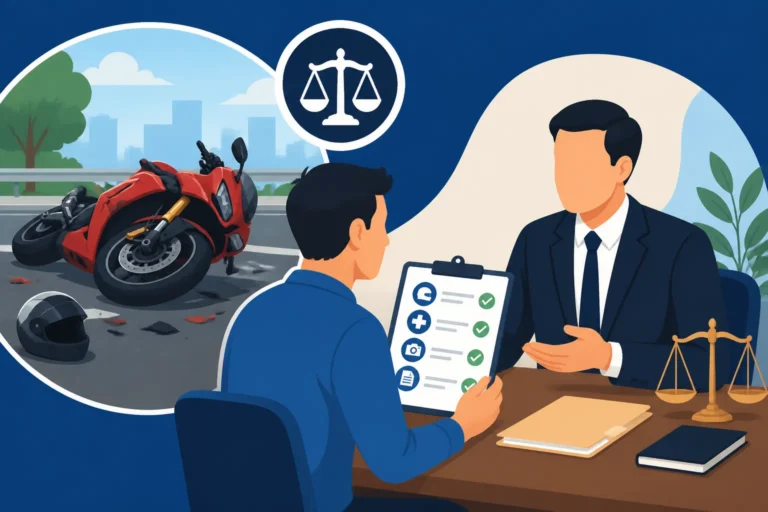
Bring all relevant documents to this meeting, such as the police report, medical records, and photos from the scene. This allows the attorney to give you a more accurate preliminary assessment of your claim, which is a critical part of What Happens in a Free Case Consultation. Pay attention to how the attorney answers, if they seem rushed, or if they truly engage with your story. A good consultation should leave you feeling informed, confident, and understood.
Speaking with References and Past Clients
While not always possible due to attorney-client privilege and confidentiality agreements, if an attorney offers references or if you can find past clients through your network, it's an invaluable step. Hearing directly from someone who has been through a similar experience with that attorney can provide profound insight. Ask about their communication, their effectiveness in negotiation or trial, and their overall satisfaction with the legal services received.
If direct references aren't available, delve deeper into online reviews and testimonials. Look for specific examples of how the attorney handled difficult situations or particular injury types. Did they help a client with a complex brain injury claim, or one involving significant property damage to a custom bike? The more specific the feedback, the more useful it will be in gauging their actual performance and client satisfaction.
Warning Signs and Red Flags to Avoid
Just as important as knowing what to look for is knowing what to avoid. Some behaviors and promises should immediately raise a red flag, signaling that an attorney might not be the right fit for your sensitive motorcycle accident claim. Being aware of these Red Flags When Hiring an Injury Lawyer can save you a lot of heartache and potential harm to your case.
Lack of Transparency or Evasiveness
If an attorney is vague about their experience, their fees, or the potential timeline for your case, proceed with extreme caution. For instance, if you ask "How long does a motorcycle settlement take?" and they give you a non-committal, circular answer without explaining the variables involved, it's a concern. An experienced and ethical attorney understands the complexities but can still provide reasonable expectations and explain the factors that influence them.
Similarly, if they brush off your questions about case expenses or act annoyed when you ask for clarification on the contingency fee agreement, that's a problem. Your financial health is on the line, and you deserve complete transparency. Any lawyer who seems unwilling to lay out the full picture of their services, costs, or potential challenges is likely not someone you want representing your best interests.
Guaranteeing Outcomes or Pressuring You
An ethical and honest attorney will never guarantee a specific outcome for your case or promise you a certain dollar amount for your settlement. Every case is unique, and outcomes depend on a multitude of factors, many of which are outside of anyone's control (like jury decisions, witness credibility, or the intricacies of Motorcycle Accident Liability: A Complete Guide). If a lawyer tells you they can guarantee a win or a million-dollar settlement, they are being dishonest and trying to win your business with false promises.
Furthermore, be wary of attorneys who pressure you to sign a contract on the spot, or who use aggressive sales tactics. This includes trying to scare you into hiring them immediately without giving you time to think or compare options. A confident and competent attorney will explain your options, offer their services, and then give you the space to make an informed decision without undue pressure. Your choice of legal counsel should be made calmly and deliberately, not under duress.
Poor Communication or Disorganization
This red flag often becomes apparent even during the initial contact. Did it take multiple attempts to schedule a consultation? Was the attorney or their staff disorganized during your meeting? If calls go unreturned for days, or emails are ignored during the initial vetting phase, imagine how frustrating it will be once your case is underway. Good communication is the bedrock of a healthy attorney-client relationship.
A disheveled office, lost paperwork, or an inability to clearly articulate their process are also worrying signs. Your case involves critical documents, deadlines, and often, extensive evidence. You need an attorney and a firm that operates with precision and attention to detail. If they can't manage their own communication and organization effectively, it's unlikely they'll manage your complex injury claim any better.
Making the Right Choice for Your Motorcycle Accident Claim
After carefully vetting several potential attorneys, the time will come to make a decision. This isn't just a legal choice; it's a personal one that will profoundly impact your recovery journey. Trusting your instincts and understanding the final steps are paramount.
Trust Your Gut and Be Prepared
Ultimately, beyond all the credentials and experience, a significant part of your decision will come down to trust and comfort. Do you feel genuinely comfortable speaking with this attorney? Do you trust their judgment? Do you believe they have your best interests at heart? Sometimes, a lawyer might look great on paper, but if you don't feel a good personal connection or sense of trust, they might not be the right fit for you. This is especially true given the personal nature of injury claims and the sensitive details you'll need to share.
Don't rush the decision. Take time to reflect on each consultation. If possible, discuss your impressions with a trusted friend or family member. This is a significant commitment, and you deserve to feel confident in the person who will be advocating for your future. Remember that the attorney-client relationship is built on mutual respect and open communication, so a good "gut feeling" can be a powerful indicator.
Reviewing the Retainer Agreement Carefully
Once you've made your choice, the final step before they formally begin work is to review and sign the retainer agreement. This document is a legally binding contract outlining the terms of your attorney's representation. Do not sign it until you have read and understood every single clause. This is an opportune moment to clarify any lingering questions about fees, expenses, scope of representation, and the process for terminating the agreement if necessary.
A thorough retainer agreement should clearly state:
- The contingency fee percentage.
- How and when case expenses will be paid and reimbursed.
- What services the attorney will provide.
- The client's responsibilities (e.g., providing information, attending appointments).
- Provisions for dispute resolution.
- How settlement funds will be disbursed.
If anything is unclear, ask for an explanation. A good attorney will patiently walk you through What a Retainer Agreement Includes and ensure you are fully informed before signing. Never feel pressured to sign something you don't fully comprehend. This agreement protects both you and your attorney and sets the stage for a clear and effective legal partnership.
The following table summarizes key traits to consider when vetting a motorcycle accident attorney:
| Trait Category | What to Look For (Positive Signs) | What to Avoid (Red Flags) |
|---|---|---|
| Experience | Explicit specialization in motorcycle accidents; strong track record. | Generalist personal injury lawyer; vague about motorcycle case history. |
| Communication | Responsive, clear explanations, empathetic listener. | Unresponsive, uses excessive jargon, dismissive. |
| Transparency | Clear about fees, expenses, process, and case challenges. | Evasive about costs, vague timelines, avoids tough questions. |
| Professionalism | Organized office, respectful staff, ethical approach. | Disorganized, rude staff, pressuring tactics. |
| Trial Readiness | Experience and willingness to go to court if necessary. | Primarily settlement-focused, avoids talk of trial. |
| Client Comfort | Builds trust, makes you feel understood and valued. | You feel pressured, unheard, or like just another number. |
| Fee Structure | Detailed contingency fee agreement, clear expense handling. | Unclear fee percentages, hidden costs, no written agreement. |
| Online Reputation | Positive, detailed reviews emphasizing motorcycle expertise and care. | Numerous negative reviews, generic praise, or no reviews. |
| Bar Standing | No disciplinary actions, active and in good standing. | Past disciplinary actions or complaints. |
Ultimately, investing the time and effort to properly vet a motorcycle accident attorney is not just a recommendation, it's a necessity. It's about protecting your rights, maximizing your recovery, and ensuring you have a dedicated advocate by your side throughout a challenging time.
Disclaimer
Please remember that this article provides general information and guidance. It is not a substitute for professional legal advice. Laws regarding motorcycle accidents and personal injury claims vary by state and jurisdiction. It is crucial to consult with a qualified attorney in your specific area to discuss the details of your case and receive advice tailored to your situation.