Motorcycle Broken Bones: Claims and Compensation
Experiencing a motorcycle accident is a terrifying ordeal, and one of the most common, and often most debilitating, outcomes is sustaining broken bones. The sheer force of impact, combined with the lack of structural protection, means that riders frequently suffer fractures ranging from simple breaks to complex, comminuted injuries that can permanently alter their lives. This comprehensive guide aims to shed light on what these injuries entail, how they impact your life, and most importantly, how to navigate the complex world of claims and compensation to ensure you receive the justice and support you deserve.
The Harsh Reality of Broken Bones After a Motorcycle Accident
When you're out on two wheels, you're acutely aware of the risks. But nothing truly prepares you for the immediate aftermath of a collision, especially when the tell-tale signs of a fracture start to become agonizingly clear. Broken bones aren't just minor inconveniences; they can represent a long, painful road to recovery, immense financial strain, and a complete upheaval of your daily routine.
Why Riders Face a Higher Risk of Fractures
It's no secret that motorcycles offer minimal physical protection compared to a car. When a car collides with a motorcycle, the rider is often ejected, thrown from the bike, or crushed between their own vehicle and another object or the road itself. This direct exposure to impact forces, without the crumple zones or airbags of a passenger vehicle, dramatically increases the likelihood of severe skeletal trauma. Think about a common scenario: a car driver fails to see a motorcycle and makes a sudden turn. The rider has little time to react, and even if they lay the bike down, their body still bears the brunt of the impact.
Furthermore, the types of impacts common in motorcycle accidents — t-bone collisions, head-on crashes, or even sliding across asphalt — can apply immense shearing and compressive forces to bones. Unlike car occupants who are somewhat contained, a motorcycle rider's limbs are highly vulnerable to being twisted, crushed, or hyper-extended. This vulnerability isn't just about the initial impact; secondary impacts with the road, guardrails, or other vehicles contribute significantly to the severity and multiplicity of fractures. For more insight into the dangers, you can learn about some of the more Common Causes of Motorcycle Accidents.
Common Types of Broken Bones Sustained
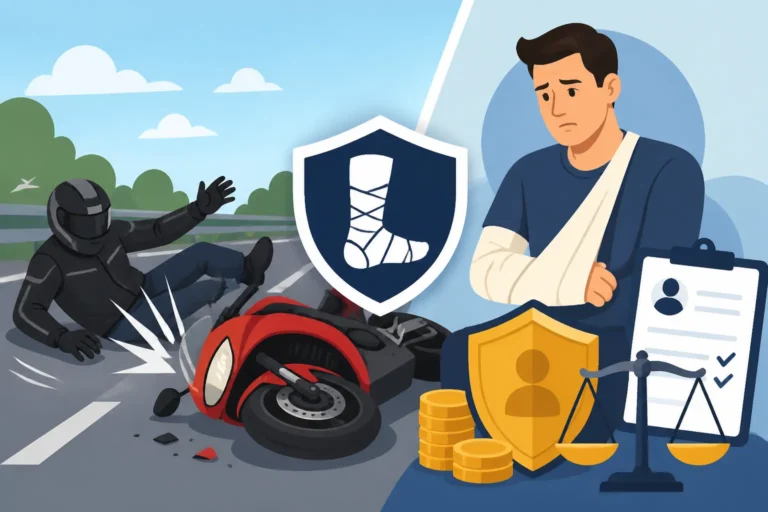
While any bone in the body can break in a motorcycle accident, certain types of fractures are alarmingly prevalent due to the mechanics of these crashes. The extremities are particularly vulnerable. We often see riders with broken arms, wrists, and hands as they instinctively try to brace for impact or are thrown from the bike. Legs, ankles, and feet also suffer terribly, especially in side impacts where the lower limbs are crushed against the motorcycle or another vehicle.
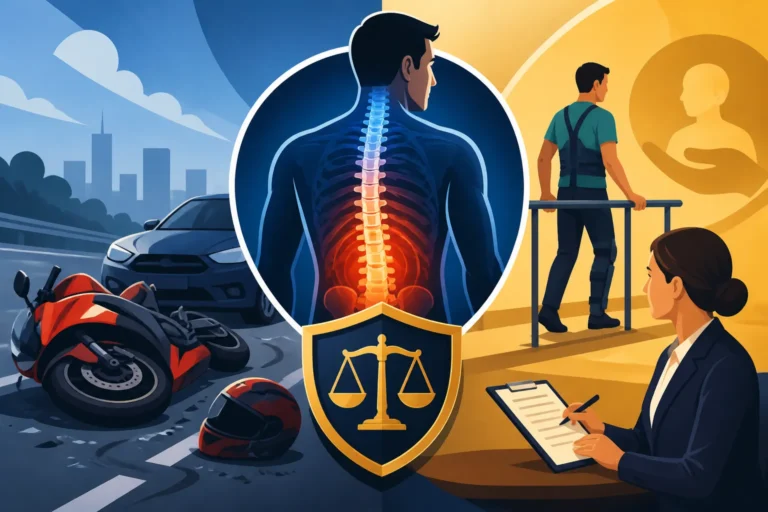
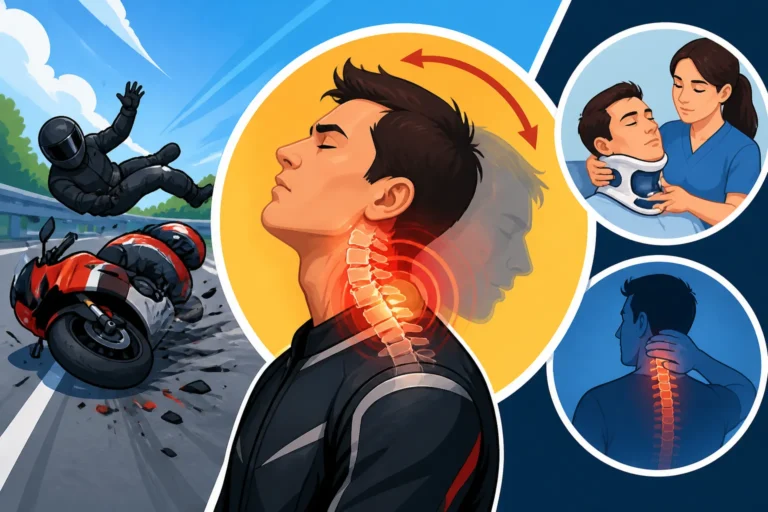
Beyond the limbs, serious accidents frequently result in spinal fractures, which can lead to life-altering paralysis or long-term neurological issues. Rib fractures are also common, sometimes puncturing lungs or causing other internal damage. Even seemingly minor breaks, like a fractured collarbone (clavicle), can be incredibly painful and limit mobility for months. The distinction between a simple fracture, where the bone breaks in one place without piercing the skin, and a compound (open) fracture, where the bone protrudes, is crucial. Compound fractures carry a much higher risk of infection and often require more extensive surgical intervention and longer recovery periods.
The Medical Journey Following a Motorcycle Bone Break
Discovering you have a broken bone after a motorcycle accident is just the beginning of a long and often arduous medical journey. From the moment the paramedics arrive, your path will be filled with diagnostic tests, treatment plans, and rehabilitation efforts, all of which contribute significantly to the complexity and cost of your claim.
Immediate Treatment and Diagnosis
The first step after an accident, once emergency services are on the scene, is often stabilization and transport to the nearest trauma center. Upon arrival, a flurry of activity begins. Doctors will perform a thorough physical examination, but the real heroes of diagnosis are imaging tests. X-rays are the most common tool to confirm a fracture, pinpoint its location, and assess its severity. However, for more complex injuries, especially those involving joints, the spine, or internal organs, CT scans (Computed Tomography) and MRI (Magnetic Resonance Imaging) scans become indispensable. These provide detailed cross-sectional images, revealing not only the bone damage but also any associated soft tissue injuries, nerve damage, or internal bleeding that might not be visible on a standard X-ray.
Once a diagnosis is made, immediate treatment focuses on reducing pain, stabilizing the injured area, and preventing further damage. This might involve setting the bone, applying a cast or splint, or in severe cases, preparing for emergency surgery. The medical decisions made in these critical initial hours and days are paramount, not only for your physical recovery but also for establishing a clear medical record that will be vital for any future claim.
Surgical Interventions and Recovery Timelines
Many significant broken bones sustained in motorcycle accidents require surgical intervention. This could range from Closed Reduction and Internal Fixation (CRIF), where a surgeon manipulates the bone fragments back into place without making a large incision, to Open Reduction and Internal Fixation (ORIF), which involves an incision to directly access the bone and use plates, screws, rods, or pins to stabilize the fracture. These procedures, while necessary for proper healing, come with their own risks, recovery times, and substantial costs.
The recovery timeline for a broken bone is highly variable, depending on the bone involved, the type and severity of the fracture, your age, overall health, and whether complications arise. A simple wrist fracture might heal in 6-8 weeks, while a complex femur fracture could take 4-6 months, or even longer, before you're cleared for weight-bearing activity. This period often involves immobility, followed by gradual rehabilitation. It's not uncommon for plates or screws to remain in the body permanently, or sometimes a second surgery is needed later to remove them.
Long-Term Implications and Rehabilitation
Healing a broken bone is rarely a simple "fix." Many motorcycle accident victims experience long-term implications, even after the bone itself has mended. Chronic pain, reduced range of motion, arthritis in affected joints, muscle weakness, and nerve damage are all potential lasting effects. For instance, a severely broken tibia might lead to a permanent limp or require ongoing physical therapy to manage pain and regain function. You might find yourself unable to return to your previous job if it involves heavy lifting or prolonged standing.
Rehabilitation, primarily through physical therapy and occupational therapy, is a crucial component of recovery. These therapies help restore strength, flexibility, and function to the injured limb or body part. However, these sessions can be intensive, time-consuming, and expensive, often continuing for months or even years after the initial injury. It's essential to meticulously document every aspect of your rehabilitation, including appointments, exercises, and any specialized equipment or home modifications needed, as these will all contribute to your overall claim for damages. Understanding the full scope of your injuries, including potential permanent disability, is key when calculating damages, a topic we cover in depth in our guide on How Motorcycle Accident Settlements Are Calculated.
Documenting Your Broken Bone Injuries for a Strong Claim
Securing fair compensation for broken bones sustained in a motorcycle accident relies heavily on thorough and accurate documentation. The insurance company isn't just going to take your word for it; they'll want hard evidence to support every aspect of your claim. This means being diligent from day one about collecting and preserving all relevant information.
The Critical Role of Medical Records and Imaging
Your medical records are the backbone of your personal injury claim. They provide an undeniable timeline of your injuries, treatments, and prognosis. This includes everything from the initial paramedic report and emergency room notes to detailed surgical reports, follow-up specialist visits, physical therapy notes, and prescriptions. Each entry validates the extent of your injuries and the care required. It's vital to ensure that your doctors clearly articulate the connection between your injuries and the motorcycle accident. Ambiguity can be exploited by insurance adjusters trying to minimize your claim.
Beyond written records, diagnostic imaging is paramount. X-rays, CT scans, and MRI results graphically demonstrate the fractures, their severity, and any ongoing issues. These visual proofs are incredibly powerful in conveying the nature of your suffering. Make sure copies of all scans and radiologists' interpretations are included in your documentation. If your doctor discusses future surgeries or long-term care, ensure these are also clearly noted in your medical files. For a complete understanding of how to protect your interests, take a look at our article on How to Document Injuries for a Claim.
Tracking Expenses and Lost Income
A broken bone can be an astronomical financial burden. Medical bills pile up rapidly, covering everything from ambulance rides and emergency surgery to hospital stays, medications, and ongoing therapy. Keep an organized record of every single bill related to your injury, regardless of who paid for it initially (your health insurance, for example). This includes co-pays, deductibles, and any out-of-pocket expenses for things like crutches, wheelchairs, or special adaptive equipment.
The financial impact doesn't stop at medical expenses. A severe fracture often means you're unable to work, resulting in significant lost wages. It's crucial to document this loss thoroughly. Gather pay stubs, employment contracts, tax returns, and letters from your employer detailing your missed workdays and any reduction in earning capacity. If you're self-employed, compile invoices, client records, and previous tax filings to demonstrate your income before the accident. Don't forget to account for lost opportunities, such as missed promotions or future earning potential, especially if your injury results in permanent disability.
Personal Journals and Witness Statements
While medical records detail the physical aspects, a personal injury journal offers invaluable insight into the day-to-day impact of your broken bone. Document your pain levels (on a scale of 1-10), emotional distress, limitations in daily activities (e.g., struggling to dress yourself, inability to sleep comfortably), and how the injury has affected your hobbies and social life. This journal provides a narrative of your suffering, illustrating the "pain and suffering" component of your claim that isn't captured in a medical bill. It provides a human element to your claim that can resonate deeply.
Additionally, witness statements can bolster your claim, particularly concerning the accident itself and the immediate aftermath. If anyone saw the crash, get their contact information and a brief statement. Beyond the accident scene, friends, family, or co-workers who can attest to your pre-injury capabilities and your post-injury struggles can provide powerful supporting testimony. Their observations can corroborate the impact on your quality of life and help counter any arguments from the insurance company that your injuries are not as severe as claimed.
Valuing Your Broken Bone Claim: Economic and Non-Economic Damages
One of the most challenging aspects of a motorcycle accident claim involving broken bones is determining a fair value for your damages. It’s not just about adding up medical bills; it’s about accounting for a lifetime of potential challenges. When you've broken bones, you’re entitled to compensation for both the tangible losses and the intangible suffering you’ve endured.
Calculating Economic Damages for Medical Bills and Lost Wages
Economic damages are the quantifiable financial losses you've incurred due to your broken bones. This includes every medical expense from the moment of the crash: emergency room visits, ambulance transport, diagnostic tests (X-rays, CTs, MRIs), surgical procedures, hospital stays, prescription medications, physical therapy, occupational therapy, future medical care, adaptive equipment, and even home modifications if your injuries are severe. Every single receipt, bill, and invoice needs to be meticulously collected and presented.
Beyond direct medical costs, lost wages are a significant component of economic damages. If your broken bones prevent you from working, you can claim compensation for past wages lost and future earning capacity. This means not only the money you missed while laid up but also any potential income reduction if your injury forces you into a lower-paying job or prevents you from working full-time. If you were a motorcycle mechanic who now can't grip tools effectively due to a shattered wrist, your future earning capacity is clearly impacted. This is where an experienced legal professional can help gather vocational expert testimony to accurately project these long-term financial losses. Our article on Economic vs Non-Economic Damages Explained offers a deeper dive into these categories.
Assessing Non-Economic Damages like Pain and Suffering
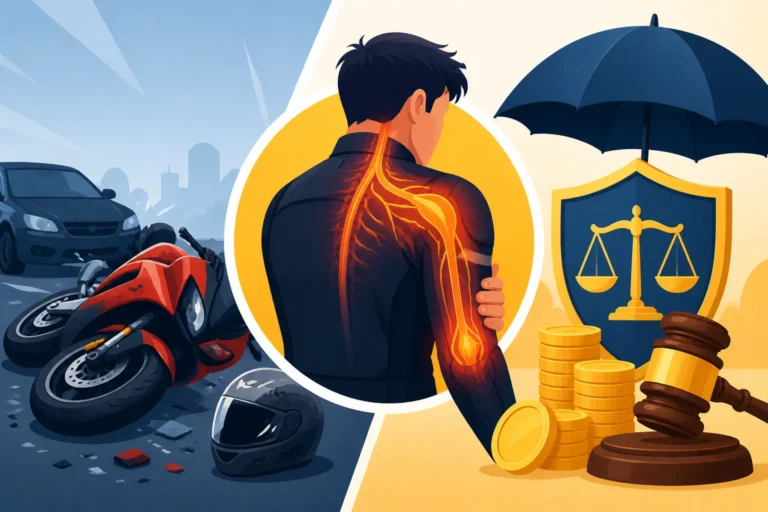
Non-economic damages are the less tangible, but no less real, losses that profoundly impact your quality of life. The most prominent of these is pain and suffering. Breaking a bone, especially a significant one, is inherently painful, not just physically but emotionally. This category includes the acute pain of the injury, the chronic pain that might persist for years, emotional distress, anxiety, depression, fear, and inconvenience. If you suffer from nerve damage or develop PTSD after the crash, these are also significant non-economic damages.
Insurance companies often use a "multiplier method" to estimate pain and suffering, multiplying your total economic damages by a factor (typically between 1.5 and 5, or even higher for catastrophic injuries) based on the severity and permanence of your injuries. However, this is just a starting point. Your personal injury journal, therapist notes, and testimony from loved ones can paint a vivid picture of your daily struggles, helping to justify a higher multiplier. The inability to enjoy hobbies like riding your motorcycle, playing with your kids, or participating in sports also falls under "loss of enjoyment of life," a critical non-economic damage.
The Impact of Permanent Impairment and Disfigurement
For many motorcycle accident survivors, broken bones don't just heal and disappear. They can leave behind permanent impairment or disfigurement, which significantly increases the value of a claim. Permanent impairment refers to a lasting reduction in physical function, such as reduced range of motion in a joint, chronic weakness, or nerve damage that affects sensation or motor control. For example, a severe compound fracture of the lower leg might result in one leg being permanently shorter than the other, requiring specialized footwear and impacting gait.
Disfigurement, such as extensive scarring from surgeries or an unnatural appearance due to bone displacement, also constitutes significant non-economic damages. This can lead to embarrassment, self-consciousness, and a severe blow to one's self-esteem. If you have visible scars or a limb that is permanently altered in appearance, this needs to be accounted for. In cases of Spinal Cord Injuries from Motorcycle Accidents or traumatic brain injuries that accompany severe fractures, the level of permanent impairment can be catastrophic, leading to claims that easily reach into the hundreds of thousands or even millions of dollars. These are losses that affect every single day of your life, making them some of the most crucial elements to value accurately in your claim.
Navigating the Insurance Claim Process with a Bone Injury
After suffering broken bones in a motorcycle accident, the last thing you want to deal with is the confusing and often frustrating insurance claim process. Unfortunately, it's a necessary step to secure the compensation you need for your recovery. Understanding how this process works and what challenges you might face can help you protect your rights and your future.
Dealing with Insurance Adjusters and Lowball Offers
From the moment you report the accident, you'll likely be dealing with insurance adjusters – often from the at-fault driver's insurance company, and possibly your own. It's crucial to remember that these adjusters work for the insurance company, not for you. Their primary goal is to settle your claim for the lowest possible amount. They may seem friendly and empathetic, but every piece of information you provide can be used against you. They might ask for recorded statements, imply that your injuries aren't that bad, or suggest that the accident was partly your fault.
It's very common to receive a "lowball" settlement offer early in the process, especially if you haven't yet completed your medical treatment or consulted with an attorney. This offer is designed to tempt you into a quick settlement before you truly understand the full extent of your damages, including future medical costs and long-term impact of your broken bones. Never accept the first offer, and ideally, avoid discussing fault or the extent of your injuries with them directly. Let the facts from your medical records and police report speak for themselves. This is where an understanding of How Insurance Companies Assign Blame to Riders can be particularly useful.
Understanding Comparative Negligence and Shared Fault
One of the most significant hurdles in a motorcycle accident claim involving broken bones is the concept of comparative negligence. This legal principle, adopted in many states, allows for compensation even if you were partially at fault for the accident. However, your total compensation will be reduced by your percentage of fault. For example, if your damages are assessed at $100,000, but you are found to be 20% at fault, you would only receive $80,000. Some states, like California, follow "pure comparative negligence," meaning you can recover even if you are 99% at fault. Other states use "modified comparative negligence," which typically bars recovery if your fault exceeds 50% or 51%.
Insurance adjusters will often try to pin some of the blame on you, even if the other driver was primarily responsible. They might argue you were speeding, lane splitting (if not legal in your state), or simply "not paying attention." If they can shift even a small percentage of fault your way, they reduce their payout. This is where meticulous evidence collection, including witness statements, accident reconstruction, and police reports, becomes essential to counter these allegations. It’s also why understanding the specifics of Comparative Negligence in Motorcycle Accidents is so important.
When to Consider Legal Representation
While some minor claims might be handled without an attorney, if you've suffered broken bones in a motorcycle accident, legal representation is almost always advisable. The complexity of calculating economic and non-economic damages, negotiating with shrewd insurance adjusters, and battling potential comparative negligence claims quickly becomes overwhelming, especially when you're trying to recover physically. An experienced motorcycle accident attorney understands the nuances of these cases. They can:
- Investigate thoroughly: Gather evidence, interview witnesses, and work with accident reconstructionists.
- Handle all communication: Shield you from aggressive insurance adjusters, ensuring you don't inadvertently say anything that could harm your claim.
- Accurately value your claim: Account for all current and future medical expenses, lost wages, pain and suffering, and permanent impairment.
- Negotiate effectively: Push back against lowball offers and fight for a fair settlement.
- Represent you in court: If a fair settlement cannot be reached, they are prepared to take your case to trial.
Trying to manage this complex process while dealing with the pain, appointments, and stress of broken bones can impede your recovery and jeopardize your financial future. Consulting with a lawyer early on, usually through a free consultation, can provide clarity and significantly increase your chances of securing a just settlement. You can explore this further by reading Do You Need a Motorcycle Accident Lawyer.
Specific Broken Bone Injuries and Their Unique Compensation Considerations
While any broken bone can be serious, certain fractures from motorcycle accidents carry specific challenges and compensation considerations due to their location, severity, and the long-term impact on a rider's life.
Fractures of the Extremities: Arms, Legs, Hands, and Feet
Fractures in the arms, legs, hands, and feet are incredibly common for motorcyclists. Think about it: when you hit the ground, these are often the first parts of your body to make contact, or they get caught between objects. A broken tibia or fibula in the lower leg, for instance, often requires surgical pinning or plating, months of non-weight bearing, and extensive physical therapy. Compensation for such an injury would need to cover the initial surgery, hospitalization, follow-up specialist visits, physical therapy, pain medication, lost wages during recovery, and potentially future medical care for hardware removal or arthritis development.
Similarly, a shattered wrist (distal radius fracture) can significantly impact your ability to work, especially if your job requires fine motor skills or heavy lifting. The compensation would reflect these specific limitations. If the fracture causes nerve damage, like carpal tunnel syndrome, or permanent stiffness, that also adds to the non-economic damages. For a serious compound fracture, the risk of infection, chronic pain, and even amputation are very real, leading to much higher compensation values to account for lifelong care, prosthetics, and the immense emotional toll. Keep in mind that Road Rash Injuries and Claims often accompany these types of extremity fractures, further complicating recovery and increasing medical costs.
Spinal Fractures and Their Devastating Consequences
Perhaps the most feared bone injury in any accident, spinal fractures sustained in motorcycle crashes are devastating. The spine is the core of our skeletal structure, protecting the delicate spinal cord which transmits signals between the brain and the rest of the body. A fractured vertebra can pinch or sever the spinal cord, leading to partial or complete paralysis below the point of injury. Even fractures that don't cause immediate paralysis can lead to chronic pain, instability, and the need for fusion surgeries.
Compensation for spinal fractures is typically among the highest because the consequences are often life-altering. This includes not only the immediate medical bills for complex surgeries and extended hospital stays but also the immense costs of long-term care: rehabilitation facilities, specialized equipment (wheelchairs, lifts), home modifications, ongoing physical and occupational therapy, medications for pain and spasticity, and assistive living services. The non-economic damages are also profound, encompassing severe pain and suffering, emotional distress, loss of bodily function, loss of enjoyment of life, and a significant loss of earning capacity. The full scope of damages needs to be meticulously calculated, often involving life care planners and economic experts.
Rib and Clavicle Fractures: Often Underestimated
While not always as immediately life-threatening as a spinal injury, rib and clavicle (collarbone) fractures are incredibly common in motorcycle accidents and should not be underestimated. Broken ribs are excruciatingly painful, making every breath, cough, or movement a torment. A fractured rib can also puncture a lung, leading to a pneumothorax, which is a medical emergency. Multiple rib fractures, especially a "flail chest" where several ribs are broken in multiple places, severely compromise breathing and often require intensive care.
A broken clavicle, while common, can limit arm and shoulder mobility for weeks or months. It can affect your ability to lift, reach, or even sleep comfortably. While many clavicle fractures heal without surgery, severe displacements may require plates and screws. The compensation for these injuries would cover pain management, breathing support (for ribs), immobilization devices, physical therapy, and lost wages. Although they might seem less severe than a femur or spine fracture, the persistent pain, functional limitations, and potential for complications mean these injuries still warrant significant attention in a compensation claim. Every injury, no matter how "minor" it may seem on paper, impacts your life and deserves fair compensation.
Disclaimer
Please remember that this article provides general information and is not legal advice. Every motorcycle accident claim is unique, and the information presented here may not apply to your specific situation. Laws regarding personal injury and motorcycle accidents vary significantly by state. It is crucial to consult with a qualified personal injury attorney to discuss the specifics of your case and understand your legal rights and options. Do not make any decisions about your claim based solely on the information provided in this article.