Emotional Distress Damages
A motorcycle accident throws your entire world into chaos. Beyond the broken bones, road rash, and medical bills, there’s often a deeper, more insidious injury that doesn't show up on an X-ray: emotional distress. This guide is here to help you understand what emotional distress damages are, how they manifest after a devastating motorcycle crash, and, most importantly, how you can seek the compensation you deserve for these profound, often invisible, wounds.
Understanding Emotional Distress After a Motorcycle Accident
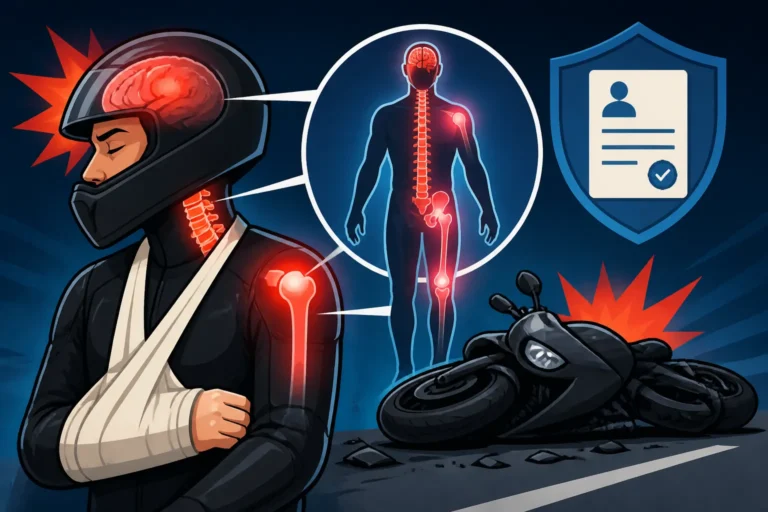
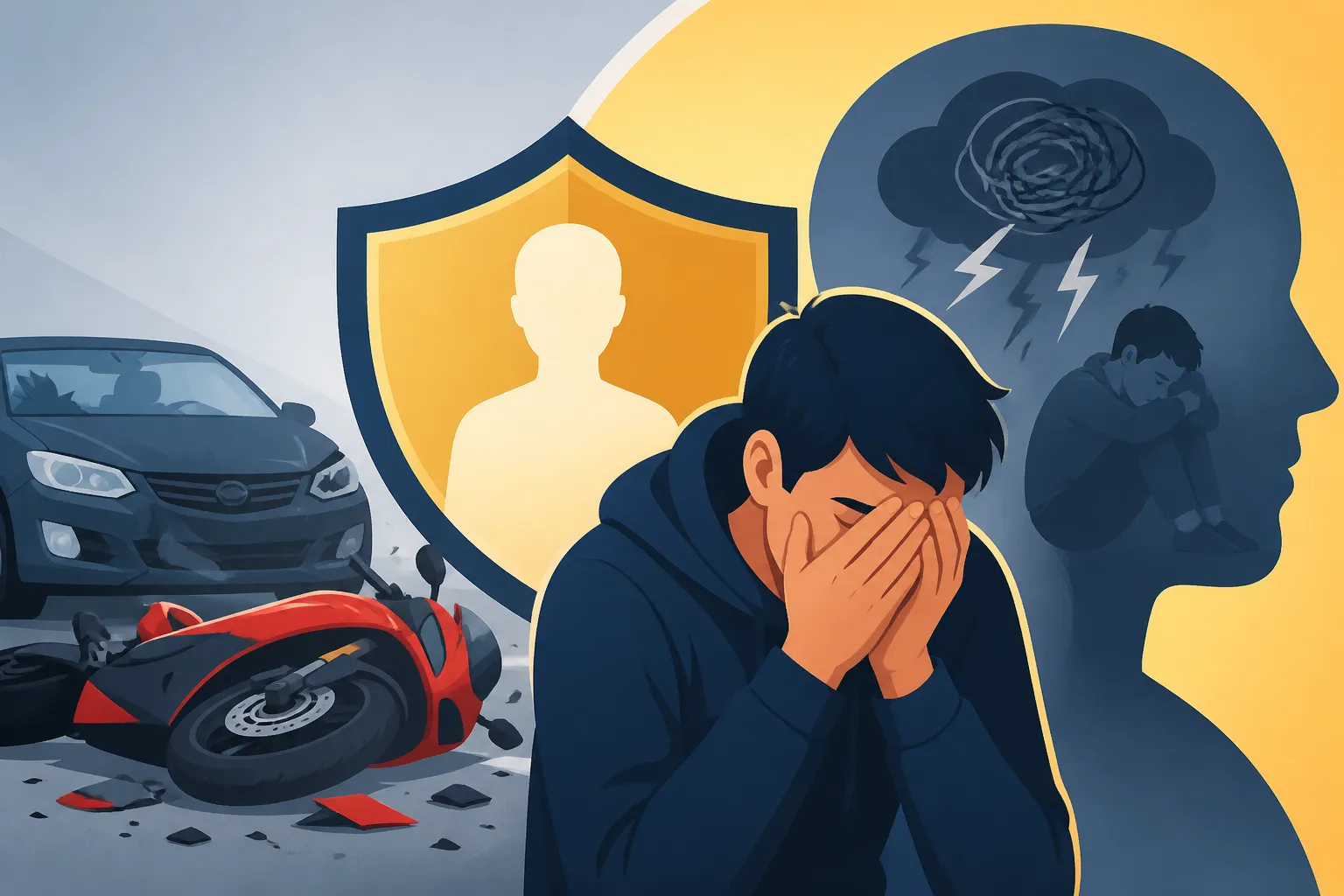
When you're involved in a motorcycle accident, the immediate focus, quite rightly, is on your physical well-being. Emergency services are called, paramedics assess visible injuries, and doctors work to mend what's broken. But for many riders, the trauma extends far beyond the physical. The sheer terror of the crash, the helplessness, the pain, and the uncertainty about the future can leave deep emotional scars that are just as debilitating, if not more so, than a fractured limb. These invisible wounds are what we refer to as emotional distress.
Defining Emotional Distress in Legal Terms
In the world of personal injury law, emotional distress isn't just a feeling of sadness or frustration; it's a profound psychological suffering that results directly from a traumatic event, like a motorcycle accident caused by someone else's negligence. It's considered a component of "non-economic damages," which means it doesn't have a clear dollar amount attached to it like medical bills or lost wages do. Instead, it represents the subjective, personal impact the accident has had on your mental and emotional state.
This isn't about being "tough" or "sucking it up." It's about acknowledging a legitimate form of suffering that can severely impact your quality of life. Legally, emotional distress damages aim to compensate you for the mental anguish, fear, anxiety, humiliation, grief, shock, and other negative emotional responses you experience because of the accident. These are legitimate losses, just like physical injuries, and the law recognizes your right to seek compensation for them. The critical distinction is that this distress must be a direct result of the accident and often requires professional documentation to establish its severity and connection.
The Invisible Wounds: Common Manifestations
The impact of emotional distress can be incredibly varied and deeply personal. It's not a one-size-fits-all experience, but there are several common ways it manifests after a severe motorcycle accident. Many riders report symptoms that drastically alter their daily lives. For instance, post-traumatic stress disorder (PTSD) is sadly common among accident survivors. This isn't just about flashbacks; it can include debilitating anxiety, nightmares that steal your sleep, an inability to concentrate, and a constant feeling of being "on edge," making it impossible to relax.
Beyond PTSD, riders often experience severe anxiety, particularly when getting back on a motorcycle or even riding in a car. Some develop a phobia of riding, losing a passion that defined a significant part of their identity. Depression is another frequent companion to physical injury and emotional trauma. The loss of mobility, chronic pain, changes in appearance due to scarring or disfigurement, and the financial strain can all contribute to feelings of hopelessness and despair. Insomnia, panic attacks, mood swings, irritability, and a general loss of enjoyment in activities you once loved are also prevalent. Imagine being an avid rider who suddenly can't stand the thought of being on two wheels, or someone who loved hiking but now suffers from chronic pain and severe anxiety about falling. These are profound losses, affecting your very identity and how you interact with the world.
Why Motorcycle Riders Are Especially Vulnerable
Motorcycle riders face a unique set of challenges that can amplify emotional distress after an accident. Firstly, the inherent vulnerability of being on a motorcycle means that crashes often result in more severe injuries compared to car accidents. This increased risk of severe injury, disfigurement, or even death can lead to heightened psychological trauma. The "I didn't see the motorcycle" defense is often used by drivers, contributing to a sense of invisibility and frustration among riders who consistently advocate for greater awareness on the road.
Secondly, there's a prevalent bias against motorcyclists. Unfortunately, society sometimes unfairly stereotypes riders as reckless or irresponsible, leading to a perception that they somehow "deserve" their injuries or are inherently at fault. This societal prejudice can compound the emotional burden for accident victims, making them feel invalidated or unfairly judged, even when the other driver was clearly negligent. This struggle against unfair assumptions can make the recovery process even more isolating and challenging, adding another layer of distress to an already difficult situation. Moreover, for many, riding isn't just transportation; it's a deeply ingrained passion, a community, a form of therapy, and a core part of their identity. Losing the ability or desire to ride due to trauma isn't just losing a hobby; it's losing a piece of themselves, which can trigger profound grief and identity crises.
Types of Emotional Distress Damages You Can Claim
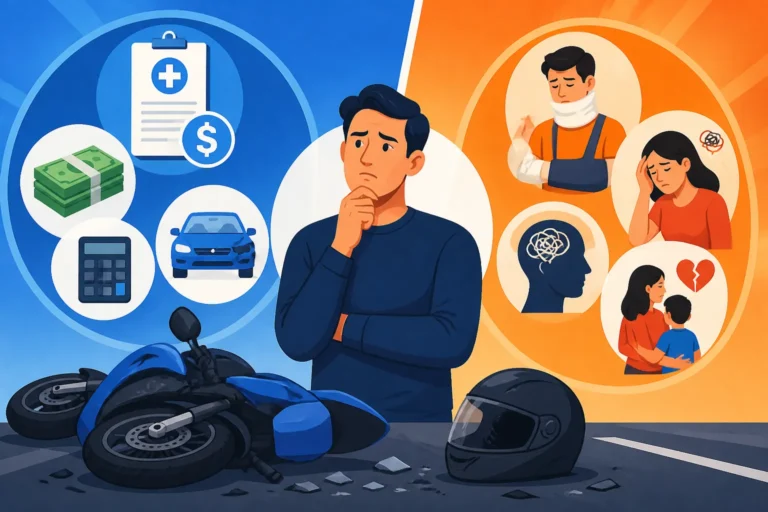
When you're dealing with the aftermath of a motorcycle accident, it's crucial to understand the different facets of emotional distress that may be compensable. These aren't just vague feelings; they are distinct categories of harm that can be quantified in a legal claim. The goal is to ensure that the compensation you receive truly reflects the totality of your suffering, not just the easily quantifiable bills.
Direct Emotional Distress
This is perhaps the most straightforward category of emotional distress damages. Direct emotional distress refers to the mental anguish and suffering you experience directly as a result of the accident and your injuries. This includes a wide range of psychological impacts, such as fear, anxiety, depression, shock, grief, humiliation, and distress over physical pain and disfigurement. For example, if you sustained severe road rash across a significant portion of your body, you might experience not only physical pain but also deep humiliation about the scarring, leading to social anxiety and withdrawal. Or if you suffered a traumatic brain injury (TBI), the cognitive and emotional changes can lead to profound depression and frustration over your altered capabilities.
The key here is the direct link between the event and your emotional response. A rider who narrowly avoids a head-on collision but still suffers significant physical injuries might develop severe anxiety about driving or even being a passenger in a vehicle, causing them to miss work or social events. This direct impact on their daily life, mental state, and overall well-being forms the basis of this claim. These are the feelings and psychological conditions that directly stem from the violent impact and the subsequent physical harm, treatment, and recovery process.
Bystander Emotional Distress
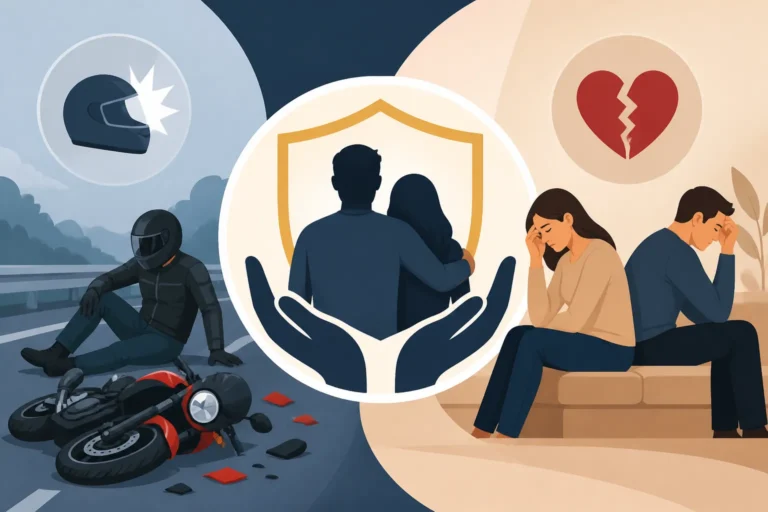
While less common, bystander emotional distress, also known as negligent infliction of emotional distress, allows certain individuals to recover damages for severe emotional trauma caused by witnessing a traumatic event. This usually applies to close family members who witness a severe injury or death, particularly when the victim is a loved one. Imagine a spouse or child present at the scene of a horrific motorcycle accident, watching their loved one suffer catastrophic injuries or even pass away. The psychological shock and grief they experience can be overwhelming and, in many cases, just as debilitating as if they had been physically injured themselves.
The legal standards for bystander emotional distress are often strict and vary by state. Generally, the claimant must: 1) be closely related to the accident victim (e.g., spouse, parent, child); 2) be present at the scene and witness the event unfold; and 3) suffer severe emotional distress that goes beyond what a normal person would experience in such circumstances. This isn't just about hearing about the accident later; it's about being there and experiencing the trauma firsthand. For example, a parent who arrives moments after their child's motorcycle crash to find them critically injured might have a valid claim for bystander emotional distress, as their presence at the immediate aftermath directly contributed to their profound psychological trauma.
Loss of Enjoyment of Life
Loss of enjoyment of life, sometimes called "hedonic damages," is a distinct component of non-economic damages that focuses on how your injuries have diminished your ability to engage in and enjoy activities you once loved. It's often intertwined with other forms of emotional distress but specifically zeroes in on the practical limitations imposed by your injuries. This isn't just about being sad; it's about the tangible ways your life has changed for the worse.
Consider a rider who was an avid hiker and cyclist before their accident, but a spinal cord injury now prevents them from pursuing these passions. The inability to enjoy these fundamental aspects of their life, which brought them immense joy and fulfillment, represents a significant loss. Or perhaps an accident leaves you with chronic pain, making simple activities like playing with your children, pursuing a hobby, or even sleeping soundly a struggle. These are all examples of the loss of enjoyment of life. This type of damage highlights how the accident has stripped away your capacity for happiness and fulfillment, diminishing the overall quality of your existence. Proving this often involves detailing your life before the accident and comparing it to your life afterward, showing the stark differences in your ability to participate in and enjoy the world around you.
The Difficult Task of Proving Emotional Distress
Unlike a broken bone, which is easily verifiable with an X-ray, emotional distress is an invisible injury. This intangible nature makes it one of the most challenging aspects of a personal injury claim to prove and quantify. Insurance companies, being the shrewd businesses they are, will often try to downplay or dismiss claims of emotional suffering unless there is clear, consistent, and compelling evidence to back them up. This is where your diligent efforts and professional support become absolutely critical.
The Challenge of Quantifying Intangible Harm
The fundamental challenge with emotional distress is its subjective nature. How do you put a dollar value on fear, anxiety, or the grief of losing your ability to ride? There isn't a universally accepted formula or a simple chart for this. Insurance adjusters and juries struggle with this too. They often look for objective indicators of subjective suffering. For instance, while you can say you're depressed, a diagnosis from a licensed therapist, prescriptions for antidepressants, and a consistent record of treatment provide concrete evidence that your claim of depression is legitimate and medically recognized.
Without such tangible proof, emotional distress claims can be easily dismissed as exaggeration or a normal part of life's ups and downs. This is why just feeling distressed isn't enough; you need to demonstrate the depth and impact of that distress through documented means. This is often where a strong legal team specializing in motorcycle accident claims comes into play, as they understand how to bridge the gap between your subjective experience and objective legal proof. This isn't about faking it; it's about ensuring your real pain is properly acknowledged and compensated.
The Importance of Medical and Psychological Documentation
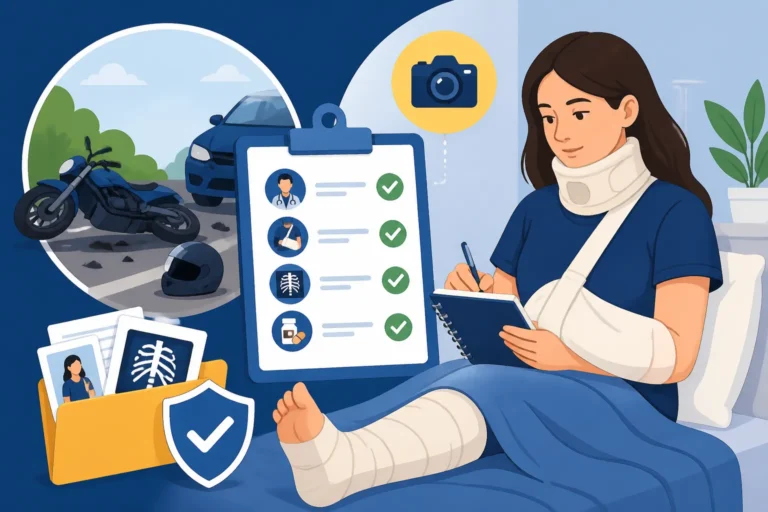
This cannot be stressed enough: comprehensive documentation is the backbone of any successful emotional distress claim. As I often say, if it's not documented, it didn't happen in the eyes of an insurance company. Immediately after your motorcycle accident, your priority should be seeking medical attention, not just for physical injuries but also for any psychological symptoms. Don't dismiss feelings of anxiety, sleeplessness, or intrusive thoughts as "just stress." These are valid symptoms that warrant professional evaluation.
Seeing a licensed psychologist, psychiatrist, or therapist is crucial. They can diagnose conditions like PTSD, anxiety disorders, and depression, provide treatment, and, most importantly, create detailed records of your sessions, diagnoses, symptoms, and prognosis. These records act as powerful evidence, showing a clear, professional link between your accident and your emotional suffering. Consistent therapy, medication prescriptions, and evaluations from these professionals paint a clear picture for insurers and courts. Beyond therapy, documentation from your primary care physician noting your complaints of emotional distress, or even referrals to mental health specialists, can also bolster your case. Every appointment, every diagnosis, and every treatment note contributes to proving the legitimacy and severity of your emotional suffering. This systematic record-keeping is vital for How to Document Injuries for a Claim.
Witness Testimony and Personal Accounts
While professional documentation is paramount, don't underestimate the power of personal accounts and witness testimony. Your own detailed journal entries about your daily struggles, sleepless nights, panic attacks, or inability to enjoy hobbies can provide a poignant and credible narrative of your emotional distress. Describe not just what you feel, but how it impacts your life – how it stops you from going out, from working, from being present with your family. This helps illustrate the Long-Term Effects of Motorcycle Injuries on your emotional well-being.
Furthermore, testimony from friends, family members, and colleagues can be incredibly impactful. These are the people who knew you before the accident and can describe the stark changes in your personality, mood, and behavior afterward. They can corroborate your claims of withdrawal, irritability, or fear. For example, a spouse might testify about your sudden inability to sleep through the night, constant nightmares, or refusal to ride your motorcycle again. A friend could describe how you've stopped participating in social activities you once loved. These firsthand observations add a human element to your claim, making your suffering real and relatable to those evaluating your case. Collecting statements or even having these individuals prepared to testify can significantly strengthen your argument that the accident caused profound emotional harm.
How Insurance Companies and Courts Value Emotional Distress
Once you’ve established that you are, in fact, suffering from emotional distress directly caused by your motorcycle accident, the next hurdle is determining its monetary value. This is where things get really nuanced, as there’s no price tag on mental anguish. Insurance companies, true to form, will try to minimize this value, while your goal is to ensure a fair and just compensation. Understanding the methods used can help you prepare for negotiations.
The "Multiplier Method" and Per Diem Approach
Insurance companies and courts often rely on a few common methods to calculate non-economic damages, including emotional distress. One of the most frequently used is the "multiplier method." This approach involves adding up all your economic damages (medical bills, lost wages, property damage) and then multiplying that total by a certain number, typically between 1.5 and 5. The multiplier chosen depends on the severity and permanence of your injuries, including emotional distress. A minor accident with little emotional impact might warrant a 1.5 multiplier, while a catastrophic motorcycle accident causing severe physical injuries, chronic pain, and debilitating PTSD could see a multiplier of 4 or 5, or even higher. For instance, if your economic damages total $50,000 and your emotional distress is severe, a multiplier of 3 could lead to $150,000 in non-economic damages. This concept is thoroughly explained in How the Multiplier Method Works.
Another method is the "per diem" (per day) approach. This assigns a daily dollar amount for your pain and suffering, including emotional distress, from the date of the accident until you reach maximum medical improvement (MMI) or are expected to recover. This daily rate is often tied to your lost daily wages, but it can also be a subjective amount agreed upon through negotiation or determined by a jury. While not as commonly used as the multiplier, it offers another way to quantify ongoing, daily suffering. Both methods are attempts to convert abstract suffering into concrete figures, and both heavily rely on the quality and extent of your documented injuries and emotional impact. Learning How Insurers Value Pain and Suffering will give you a significant advantage in these negotiations.
Factors That Influence the Value
Several key factors heavily influence the monetary value assigned to emotional distress damages. The severity of your physical injuries is a major one; more severe physical injuries often lead to more significant emotional distress. Catastrophic injuries, such as spinal cord damage or amputations, will inherently command higher emotional distress values because of their profound impact on daily life, independence, and future prospects. The duration of your emotional suffering is also critical. Acute anxiety that resolves in a few weeks will be valued differently than chronic depression and PTSD that persist for years and require ongoing therapy and medication.
The impact on your daily life, your ability to work, and your relationships is another huge determinant. If emotional distress prevents you from returning to work, engaging in hobbies, or maintaining healthy relationships, this demonstrates a significant loss of quality of life. The clarity and consistency of your medical and psychological documentation also play a huge role. Strong, consistent records from reputable professionals provide undeniable evidence. Finally, the jurisdiction where your claim is filed can matter, as some states have caps on non-economic damages. All of these elements contribute to the complex calculation of What Affects Your Motorcycle Accident Payout.
The Role of Expert Witnesses
Given the subjective nature of emotional distress, expert witnesses are often indispensable in establishing and valuing these damages, especially in serious cases or when fault is disputed. A qualified psychologist, psychiatrist, or neuropsychologist can provide expert testimony regarding your diagnosis, the cause of your emotional distress (linking it directly to the accident), your prognosis, and the long-term impact on your life. They can explain complex psychological conditions like PTSD or TBI-related mood disorders in a way that is understandable and credible to a jury or insurance adjuster.
These experts don't just state their opinion; they base it on extensive clinical evaluation, standardized psychological tests, and a review of your medical history. Their professional assessment lends significant weight to your claim, countering any attempts by the opposing party to downplay your suffering. For example, an expert might explain how the chronic pain from your back injury, combined with the trauma of the crash itself, has resulted in clinical depression that severely impacts your sleep and daily functioning. Their testimony can transform an abstract claim of "feeling sad" into a professionally recognized and documented medical condition, greatly enhancing the value of your emotional distress damages.
Legal Considerations and Hurdles for Emotional Distress Claims
Navigating an emotional distress claim after a motorcycle accident isn't always a smooth ride. There are specific legal considerations and potential hurdles that can complicate matters. Being aware of these challenges upfront can help you prepare a stronger case and avoid common pitfalls. The legal landscape surrounding these "invisible injuries" is often more intricate than that for physical harm.
State-Specific Rules and "Impact Rule"
The rules governing emotional distress claims can vary significantly from state to state. Some states, for instance, still adhere to the "impact rule," which traditionally required a claimant to have sustained a physical impact or injury to recover for emotional distress. This means you couldn't claim emotional distress if you were merely frightened or shocked without any bodily contact. However, many states have moved away from this strict rule, recognizing that severe emotional trauma can occur even without direct physical injury.
For example, a state might allow recovery if you were in the "zone of danger" (meaning you were close enough to the accident to be at risk of physical harm, even if you weren't actually hit), or if your emotional distress is "severe and debilitating" and medically documented. It’s crucial to understand the specific laws in your state regarding negligent infliction of emotional distress and how they apply to your situation. This underscores why consulting with a local motorcycle accident lawyer is so important; they can explain the nuances of your state's laws, such as Motorcycle Accident Fault Laws in California or similar specific guidance, and how they impact your claim.
Mitigating Damages and Pre-Existing Conditions
One common defense tactic insurance companies use is arguing that you failed to mitigate your emotional damages. This means they might claim you didn't do enough to alleviate your suffering, for instance, by not seeking timely mental health treatment or by discontinuing therapy too early. It's their way of trying to reduce the amount they have to pay. To counter this, it's vital to consistently follow your doctor's and therapist's recommendations, attend all appointments, and actively participate in your treatment plan.
Another significant hurdle is dealing with pre-existing psychological conditions. If you had a history of anxiety or depression before the accident, the insurance company will almost certainly try to argue that your current emotional distress is not new but merely an exacerbation of an old problem, or entirely unrelated to the crash. While it's true that a pre-existing condition might complicate your claim, it doesn't necessarily bar you from recovery. The "eggshell skull" rule (also known as the "thin skull" rule) generally states that a defendant must take their victim as they find them. This means even if you were more susceptible to emotional distress due to a prior condition, the at-fault driver is still liable for the full extent of the harm they caused, including the aggravation of that condition. However, you'll need strong medical testimony to differentiate between your pre-existing state and the new or exacerbated symptoms directly caused by the accident. This is where How Pre-Existing Conditions Affect Claims becomes a critical read.
The Burden of Proof and Insurance Tactics
The burden of proof rests squarely on your shoulders. You must prove, more likely than not, that the defendant's negligence directly caused your emotional distress. This is why thorough documentation and expert testimony are so crucial. Insurance companies are skilled at tactics designed to undermine your claim. They might scrutinize your social media for posts that suggest you're not as distressed as you claim, or they might ask invasive questions about your personal life and mental health history. They may even try to pressure you into accepting a quick, lowball settlement before the full extent of your emotional distress becomes apparent.
It's important to remember that they are not on your side. Their primary goal is to minimize their payout. They will look for inconsistencies in your story, gaps in your medical treatment, or any sign that your emotional suffering could be attributed to something other than the accident. Remaining consistent in your narrative, meticulously documenting your journey, and refraining from social media activity that could be misinterpreted are all important steps. Having an experienced personal injury attorney who understands these tactics is invaluable in protecting your rights and ensuring that your emotional distress claim is taken seriously.
Maximizing Your Claim for Emotional Distress Damages
While the challenges of proving emotional distress are significant, it's absolutely possible to build a strong case that leads to fair compensation. The key lies in proactive steps, diligent documentation, and strategic decision-making throughout the claims process. Don't let the invisible nature of these injuries deter you from seeking the justice you deserve.
Comprehensive Documentation is Key
I've said it before, and I'll say it again: documentation is your most powerful tool. From the moment the accident occurs, start documenting everything. This includes not just your physical injuries but also every single emotional symptom you experience. Keep a detailed "injury journal" where you record your daily feelings, anxiety levels, sleep patterns, nightmares, mood swings, and how these impact your ability to function. Note down specific instances when fear prevents you from getting back on your motorcycle, or when depression keeps you from engaging with family.
Beyond your personal journal, ensure all medical and psychological records are meticulous. Every visit to a therapist, every medication prescribed, every diagnostic test, and every mental health evaluation report needs to be included. Even if a symptom seems minor, mention it to your healthcare provider so it becomes part of your official record. Photographs of your physical injuries, especially if they resulted in disfigurement or scarring, can also visually reinforce the basis for your emotional distress claim. The more thorough your documentation, the harder it is for an insurance company to dispute the legitimacy and severity of your emotional suffering. This proactive approach to How to Document Injuries for a Claim applies equally to your mental and emotional state.
Seeking Professional Support
Trying to navigate the emotional aftermath of a motorcycle accident alone is a recipe for prolonged suffering and a weakened legal claim. Seeking immediate and ongoing professional support for your mental health is paramount. This includes consulting with a licensed therapist, psychologist, or psychiatrist who specializes in trauma. Not only will they provide invaluable coping strategies and treatment to help you heal, but their professional evaluations and records will serve as critical evidence in your case.
Beyond mental health professionals, engaging an experienced motorcycle accident attorney is crucial. They understand the specific legal hurdles involved in emotional distress claims, particularly the challenges faced by riders. They can guide you on what type of documentation is most effective, recommend credible expert witnesses, and expertly negotiate with insurance companies who are often biased against riders. A lawyer can also help ensure you receive proper diagnoses and care, strengthening both your recovery and your claim. An attorney will work to collect all the necessary evidence to prove your injuries, including both physical and emotional, a process outlined in How to Prove Your Injuries.
The Value of Legal Representation
Bringing in a skilled attorney can be the single most impactful decision you make to maximize your emotional distress damages. An attorney specializing in motorcycle accidents brings not only legal expertise but also a deep understanding of the biases and tactics insurance companies employ. They know how to effectively counter the "rider bias" and present your case in the most compelling light.
Your lawyer will gather all your medical records, including those from mental health professionals, interview witnesses, and, if necessary, arrange for expert testimony to clearly link your emotional distress to the accident. They will articulate the full scope of your suffering, translating your intangible pain into a tangible demand for compensation. They will also handle all communications with the insurance companies, shielding you from their aggressive tactics and allowing you to focus on your recovery. With a seasoned attorney by your side, you significantly increase your chances of receiving a fair settlement that truly reflects the profound impact the motorcycle accident has had on your emotional well-being and overall quality of life. This ensures that all types of damages, including Economic vs Non-Economic Damages Explained, are fully accounted for.
Disclaimer
Please remember that this article provides general information and is not a substitute for professional legal or medical advice. Every motorcycle accident claim is unique, and the information presented here may not apply to your specific situation. You should always consult with a qualified attorney in your jurisdiction for advice tailored to your individual circumstances.