Disfigurement and Scarring Damages
Experiencing a motorcycle accident is a harrowing ordeal, and while physical pain and mounting medical bills are immediate concerns, many riders are left grappling with permanent reminders: disfigurement and scarring. These visible, often lifelong, marks on your body can have a profound impact far beyond the physical, affecting your emotional well-being, self-esteem, and even your ability to live a normal life. This comprehensive guide aims to shed light on how disfigurement and scarring damages are understood, proven, and valued in a motorcycle accident claim, helping you understand your rights and the complexities involved in seeking fair compensation for these deeply personal injuries.
Understanding Disfigurement and Scarring in Motorcycle Accident Claims
When a motorcycle accident leaves you with permanent marks, it's not just about the surface wound. It's about how those wounds transform your identity and your interaction with the world. Insurance adjusters and legal professionals recognize this, categorizing these visible injuries as a specific type of damage within a personal injury claim.
Defining Disfigurement and Scarring Legally
In the context of a legal claim, disfigurement refers to any permanent alteration to your body's appearance caused by an injury, making it less attractive or causing it to deviate from its natural form. This can manifest in numerous ways, from obvious facial injuries to significant limb deformities. Scarring, on the other hand, is a specific type of disfigurement resulting from the healing process of a wound. While all scars are technically a form of disfigurement, not all disfigurements are scars (for instance, a lost limb is a disfigurement but not a scar). The key legal aspect is the permanence and visibility of the alteration.
The legal system acknowledges that these visible injuries cause "pain and suffering" far beyond physical discomfort. They lead to emotional distress, humiliation, and a reduced quality of life. For instance, a jagged scar across a rider's face or the permanent limp from a severe leg injury doesn't just hurt physically; it creates a constant psychological burden. Courts and insurers evaluate these damages based on how severely the disfigurement impacts your life, factoring in its location, size, visibility, and whether it causes any functional impairment.
The Uniqueness of Motorcycle Accident Injuries
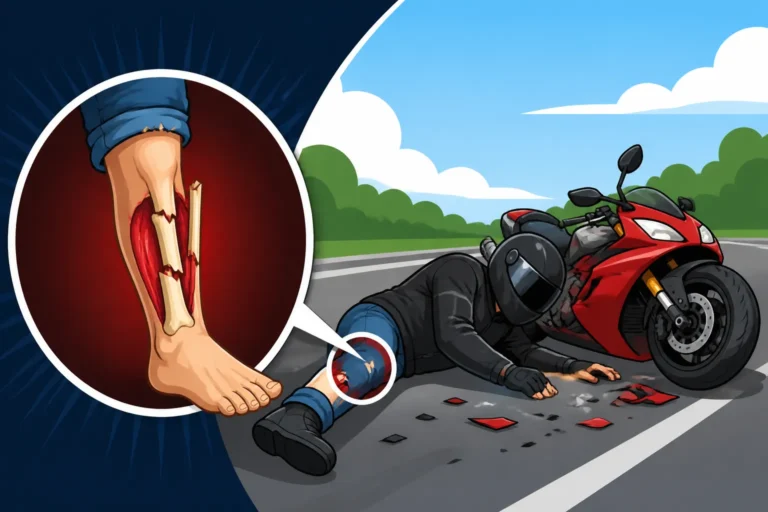
Motorcycle accidents often result in more severe and visible injuries compared to car accidents. Riders are far more exposed, lacking the protective cage of a car, and often experience direct contact with the road, other vehicles, and obstacles at high speeds. This extreme vulnerability frequently leads to extensive road rash, deep lacerations, fractures that break through the skin, and severe burns, all of which are prime candidates for significant scarring and disfigurement.
Think about "road rash," for example. While often dismissed as minor, severe road rash can strip away layers of skin down to muscle and bone, leaving behind incredibly painful and deeply disfiguring keloid or hypertrophic scars, especially if not treated promptly and correctly. Unlike a minor fender bender in a car that might result in whiplash, a motorcycle crash often leaves undeniable, visible evidence of its impact on the rider's body. These stark realities underscore why claims involving motorcycle accident injuries, particularly those resulting in disfigurement, tend to be more complex and require thorough documentation.
Types of Scars and Disfigurements from Motorcycle Accidents
The variety of scars and disfigurements sustained in motorcycle accidents is vast, each presenting unique challenges for recovery and legal compensation. Understanding these types is crucial for accurately assessing their impact.
Common Scar Classifications
When we talk about scars from a motorcycle accident, we're not just talking about a simple mark. There are several categories, each with distinct characteristics and implications for your claim. One of the most common is atrophic scars, which appear as sunken or pitted areas, often resulting from deeper wounds like severe road rash where tissue has been lost. These can be particularly noticeable on the face or hands.
Then there are hypertrophic scars and keloid scars. Hypertrophic scars are raised, red, and thick, usually staying within the boundaries of the original wound. Keloid scars, however, are an overgrowth of scar tissue that extends beyond the original wound boundaries, often appearing shiny and firm. Both types can be itchy, painful, and highly visible. Furthermore, contracture scars can form when a large area of skin is lost, such as from a severe burn or deep abrasion. These scars tighten the skin, which can restrict movement of the underlying muscles and joints, making everyday activities incredibly difficult. The presence and type of these scars significantly influence the "Pain and Suffering Damages Explained" aspect of a claim.
Facial and Visible Disfigurement
Injuries to the face and other highly visible areas—like hands, arms, and legs—carry a particular weight in disfigurement claims. A scar on a knee, while bothersome, generally impacts a person's life less severely than a similar scar across their cheek. Facial disfigurement, including broken facial bones, deep lacerations that distort features, or severe burns, can lead to immense psychological distress. These injuries often mean a fundamental change in how a person perceives themselves and how they are perceived by others.
Consider a rider who suffers extensive facial trauma, requiring multiple reconstructive surgeries. Even after these procedures, they may be left with noticeable asymmetry, altered features, or deep, unavoidable scars. This isn't just a physical injury; it's an attack on their sense of self, their confidence, and their social interactions. Similarly, disfigurements to hands can affect not only appearance but also dexterity and function, impacting careers and hobbies. These highly visible injuries are often given significant consideration when calculating "average motorcycle accident settlement amounts".
Functional Impairment Beyond Aesthetics
Sometimes, disfigurement goes beyond mere appearance and results in functional impairment. A severe scar near a joint, like the elbow or knee, can restrict movement, making it difficult to bend or straighten the limb fully. This is particularly true for contracture scars, which can pull and tighten the skin, hindering the normal range of motion. Imagine a rider whose arm was severely burned in a crash, leading to contracture scars that make it impossible to fully extend their arm, impacting their ability to work, drive, or even hold their child.
Beyond physical mobility, disfigurement can also lead to other functional issues. Facial scars or nerve damage could affect expressions, speech, or even the ability to close an eyelid fully, leading to chronic dry eye. Damage to hands can impair fine motor skills, affecting careers like carpentry, surgery, or even playing a musical instrument. These functional losses, directly attributable to the disfigurement, are critical components of a personal injury claim, as they represent tangible economic and non-economic damages.
Documenting and Proving Disfigurement and Scarring Damages
Proving the extent and impact of disfigurement and scarring is paramount to securing fair compensation. This isn't just about saying "I have a scar"; it's about systematically demonstrating its severity, permanence, and the ways it affects your life.
The Critical Role of Medical Records
Your medical records are the bedrock of any personal injury claim, and this is especially true for disfigurement and scarring. Comprehensive records document the initial injury, the depth and nature of wounds, every treatment received (from emergency care to plastic surgery consultations), and all diagnoses. Details about stitches, grafts, infection, healing complications, and pain levels all contribute to a clear picture. For instance, detailed notes from a plastic surgeon outlining the need for future reconstructive surgeries or scar revision treatments are invaluable.
It’s crucial that your medical providers thoroughly describe the nature of your scars – their size, location, color, texture, and whether they are atrophic, hypertrophic, or keloid. If you've been seen by specialists like dermatologists or plastic surgeons, their reports will carry significant weight. These records not only validate the physical reality of your scars but also help to establish the long-term prognosis, potential for improvement, and the ongoing need for care, which feeds directly into discussions about "future medical costs explained".
Visual Evidence: Photos and Videos
In cases of disfigurement and scarring, a picture truly is worth a thousand words. High-quality visual evidence is absolutely essential to convey the reality of your injuries to an insurance adjuster, a jury, or a judge. This means taking clear, well-lit photographs and videos throughout your recovery process. Start with immediate post-accident photos of the wounds, documenting their raw state before medical intervention.
Continue to take photos at regular intervals – weekly or monthly – as the wounds heal and scars form. Capture different angles and lighting conditions. For facial scars, ensure close-ups that show the texture and color against your natural skin tone. A series of photos showing the evolution of a wound into a permanent scar provides compelling evidence of the injury's progression and permanence. Videos can also be effective in demonstrating functional limitations caused by scars, such as restricted movement of a limb. This visual documentation vividly illustrates the impact of injuries, allowing others to see what you live with every day.
Expert Testimony and Life Care Planning
Sometimes, the full impact of disfigurement and scarring requires more than just medical records and photos. This is where expert testimony becomes crucial. A plastic surgeon, dermatologist, or reconstructive specialist can provide expert opinions on the permanence of your scars, the likelihood of future complications, and the efficacy and cost of potential corrective procedures. They can explain complex medical terms to a layperson and articulate the long-term prognosis.
In cases of severe, life-altering disfigurement, a life care planner may be brought in. A life care planner is a medical professional who specializes in assessing the long-term needs and costs for individuals with catastrophic injuries. They can project future medical treatments, rehabilitation, psychological counseling, specialized creams, laser treatments, scar revisions, and even vocational retraining if the disfigurement impacts your ability to work. Their detailed report provides a comprehensive financial picture of all future expenses directly related to your scarring and disfigurement, significantly bolstering your claim for "economic damages explained".
Calculating the Value of Disfigurement and Scarring Damages
Assigning a monetary value to something as personal and subjective as disfigurement and scarring is one of the most challenging aspects of a personal injury claim. It involves a careful evaluation of both tangible costs and intangible suffering.
Economic vs. Non-Economic Damages Revisited
When evaluating your claim, damages are broadly categorized into two types. Economic damages are the quantifiable financial losses you've incurred or will incur. For disfigurement and scarring, this includes the cost of all past medical treatments related to the injury, such as emergency care, surgeries, wound care, dermatology appointments, and plastic surgery. It also encompasses anticipated future medical expenses, like additional reconstructive surgeries, laser treatments, scar revision procedures, specialized creams, and psychological counseling. If the disfigurement impacts your ability to work or reduces your earning capacity, those lost wages and future earning potential also fall under economic damages.
Non-economic damages, on the other hand, are designed to compensate you for intangible losses that don't have a direct monetary value. This is where disfigurement and scarring really hit home. These damages cover your physical pain, suffering, mental anguish, emotional distress, loss of enjoyment of life, humiliation, embarrassment, and the psychological impact of living with a permanently altered appearance. These are often the largest components of a settlement for significant disfigurement, as they acknowledge the profound personal toll.
Factors Influencing Settlement Amounts
Several critical factors play into how much compensation you might receive for disfigurement and scarring. The location and visibility of the scar are primary considerations; a scar on the face or a limb that is always exposed will generally command higher compensation than one on a torso or back that is typically covered. The size, shape, and severity of the scar also matter. A large, jagged, or deeply pigmented scar will be valued higher than a small, faint one. The age and gender of the injured party can also be a factor, as a severe facial scar on a young person or someone whose career relies on their appearance (like a model or actor) might be considered more impactful.
Furthermore, the permanence of the disfigurement is key. If treatments can significantly reduce the scar's appearance, the value might be lower than for an uncorrectable permanent mark. Finally, the impact on daily life and psychological well-being is crucial. Does the scar cause chronic pain, itching, or restricted movement? Has it led to depression, anxiety, or social isolation? All these elements contribute to the overall "settlement timeline step by step" valuation process.
Here's a simplified table illustrating how different factors might influence potential non-economic damages for a scar:
| Factor | Description | Potential Impact on Value (Non-Economic) |
|---|---|---|
| Location | Face, neck, hands (highly visible) | Highest |
| Arms, lower legs (often visible) | Moderate to High | |
| Torso, back (usually covered) | Moderate to Low | |
| Severity | Large, deep, keloid, hypertrophic, contracture | Highest |
| Atrophic, discolored, noticeable | Moderate | |
| Small, faint, barely visible | Lowest | |
| Permanence | Uncorrectable, even with multiple surgeries | Highest |
| Significantly reduced with treatments | Moderate | |
| Functional Impairment | Restricts movement, affects senses, dexterity | Significantly Increases |
| Psychological Impact | Leads to depression, anxiety, social avoidance | Significantly Increases |
| Age/Gender | Young individuals, those whose careers rely on appearance | Can Increase |
The "Multiplier" Method and Scarring
Insurance companies and legal professionals often use a "multiplier" method to estimate non-economic damages, including pain, suffering, and the psychological impact of scarring and disfigurement. While not a rigid formula, it serves as a common starting point for negotiations. In this method, your total economic damages (medical bills, lost wages) are multiplied by a number, typically between 1.5 and 5 (or even higher for severe cases). The resulting figure provides an estimate for your non-economic damages.
For example, if your economic damages total $50,000, and your scarring is severe and highly visible, an adjuster might apply a multiplier of 4, suggesting $200,000 in non-economic damages. The chosen multiplier largely depends on the factors discussed above: the severity, permanence, location, and psychological impact of your scars. Severe disfigurement, especially to the face, often warrants a higher multiplier due to the profound, lifelong distress it can cause. It's important to remember that this is a negotiation tool, and the final settlement amount can vary significantly.
The Profound Impact: Beyond the Physical
Disfigurement and scarring from a motorcycle accident extend far beyond the superficial. They can carve deep, lasting canyons in a person's mental, emotional, and social landscape, profoundly altering their quality of life.
Psychological and Emotional Trauma
Living with significant disfigurement or scarring can unleash a torrent of psychological and emotional trauma. Many individuals experience a severe blow to their self-esteem and body image, struggling to recognize themselves in the mirror. This can lead to persistent feelings of self-consciousness, embarrassment, and shame, especially in social situations. Imagine constantly feeling like everyone is staring at your scars, even if they aren't.
It's common for survivors to develop anxiety, depression, or even PTSD After a Motorcycle Accident. They might become withdrawn, avoiding social gatherings, intimate relationships, or even going out in public. The once confident rider might now fear judgment or unwanted questions. This emotional distress is a very real injury, often requiring professional psychological counseling to navigate the complex feelings of grief, anger, and despair associated with their altered appearance. The compensation for "emotional distress damages" aims to address these profound, invisible wounds.
Social and Professional Repercussions
The visible nature of disfigurement and scarring can unfortunately lead to significant social and professional repercussions. In social settings, individuals might face unwarranted stares, insensitive comments, or even avoidance from others. This can lead to social isolation, damaging existing friendships and making it difficult to form new ones. Dating and intimate relationships can become incredibly challenging, as individuals grapple with feelings of unattractiveness or fear of rejection.
Professionally, disfigurement, especially facial scarring or visible injuries to hands, can impede career progression or even make finding employment difficult. Certain professions, such as those in sales, hospitality, or public-facing roles, heavily rely on appearance and social interaction. Even in less appearance-driven fields, self-consciousness can affect performance in interviews or client meetings. This loss of opportunities or reduced earning capacity due to visible injuries is a tangible component of the overall damages, highlighting the long-term economic and social costs.
Ongoing Care and Future Expenses
The journey with disfigurement and scarring is rarely a one-time event. Often, it requires ongoing care and incurs significant future expenses that must be accounted for in a settlement. This can include multiple rounds of scar revision surgeries, which aim to improve the appearance or function of scars but are rarely able to remove them entirely. Laser treatments are another common and often expensive option used to reduce redness, flatten scars, or improve texture.
Beyond surgical and cosmetic procedures, there may be a need for specialized topical treatments, silicone sheets, compression garments, and regular follow-up appointments with dermatologists or plastic surgeons. For those experiencing severe psychological distress, long-term therapy or medication might be necessary. All these anticipated costs, stretching years or even decades into the future, are crucial components of a comprehensive damages claim, necessitating a thorough evaluation of "how future medical costs are estimated". Without proper planning, accident victims could face a lifetime of financial burden for necessary care.
Navigating Insurance Companies and Defenses
Dealing with insurance companies after a motorcycle accident, especially when disfigurement is involved, can be incredibly frustrating. They are not always on your side and often employ tactics to minimize payouts.
How Insurers Challenge Disfigurement Claims
Insurance companies are profit-driven entities, and their primary goal is to pay out as little as possible. When it comes to disfigurement and scarring, they often employ several common tactics to challenge your claim. First, they might argue that your scars are "not that bad" or "will fade over time," minimizing their impact. They may suggest that further cosmetic procedures will resolve the issue, implying that your current distress is temporary or exaggerated. They might also claim that pre-existing conditions or your own negligence exacerbated the injury, attempting to reduce their liability by invoking concepts like "Comparative Negligence in Motorcycle Accidents".
Another common tactic is to offer a quick, lowball settlement before you've even had a chance to fully assess the permanence and long-term impact of your scars. They might pressure you to accept an offer before you've consulted with specialists or understood the full extent of future medical needs. They will scrutinize your medical records, looking for any gaps in treatment or inconsistencies that could suggest your injuries aren't as severe as claimed. It’s crucial to be aware of these strategies and to avoid settling too early.
Strategies to Counter Insurer Tactics
To effectively counter insurance company tactics, a proactive and well-documented approach is essential. First and foremost, seek immediate and consistent medical attention from qualified specialists, including dermatologists or plastic surgeons if your injuries warrant it. This creates an undeniable medical record of your injuries and their progression. As mentioned earlier, meticulous documentation with clear, dated photos and videos of your scars throughout the healing process is critical. This visual evidence speaks volumes.
Furthermore, gather expert testimony from plastic surgeons, life care planners, and mental health professionals who can attest to the permanence of your scars, the necessary future treatments, and the psychological impact. Keep a detailed pain and suffering journal where you document how your scars affect your daily life, your emotional state, and any social or professional challenges you face. Be prepared to articulate not just the physical pain, but the embarrassment, anxiety, and loss of enjoyment of life. Finally, and perhaps most importantly, having an experienced personal injury attorney who understands the complexities of "motorcycle accident liability: a complete guide" and how to value these profound injuries can make a monumental difference. They can negotiate fiercely on your behalf, protect you from predatory insurer tactics, and ensure your claim fully reflects the devastating impact of disfigurement and scarring.
Disclaimer
Please remember that this information is intended for general educational purposes only and does not constitute legal advice. Motorcycle accident claims, especially those involving significant injuries like disfigurement and scarring, are highly complex and depend on the specific facts and laws of your jurisdiction. It is always recommended to consult with a qualified legal professional to discuss your individual situation and receive tailored advice.