Compound Fractures from Motorcycle Crashes
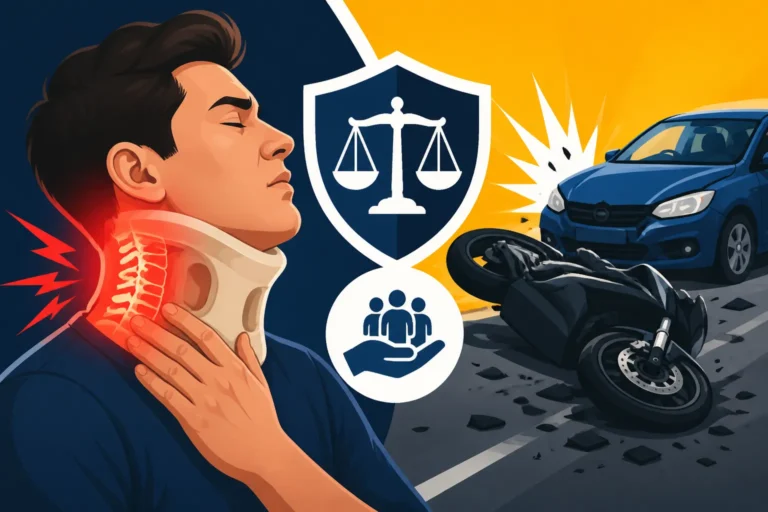
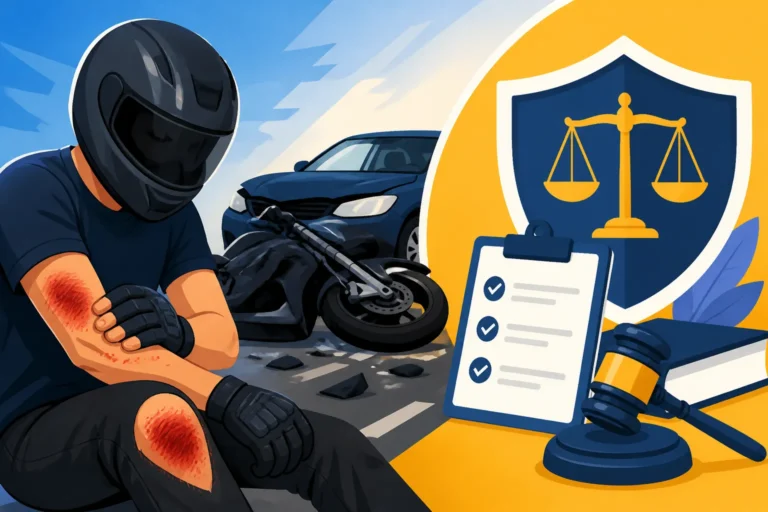
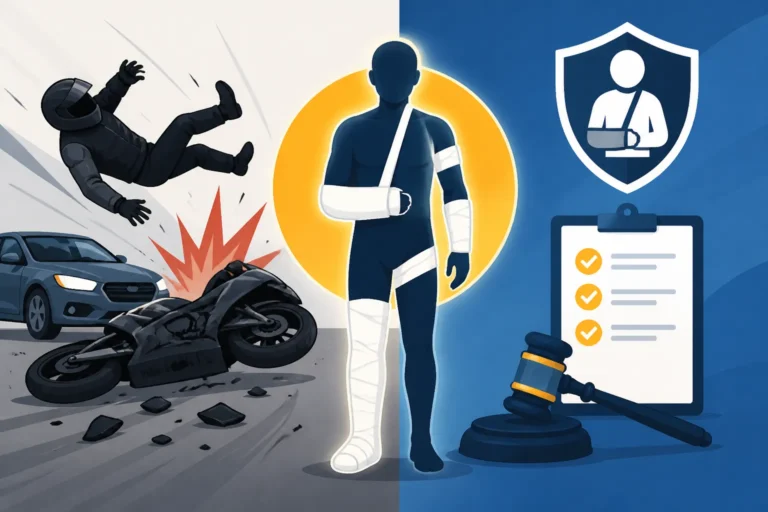
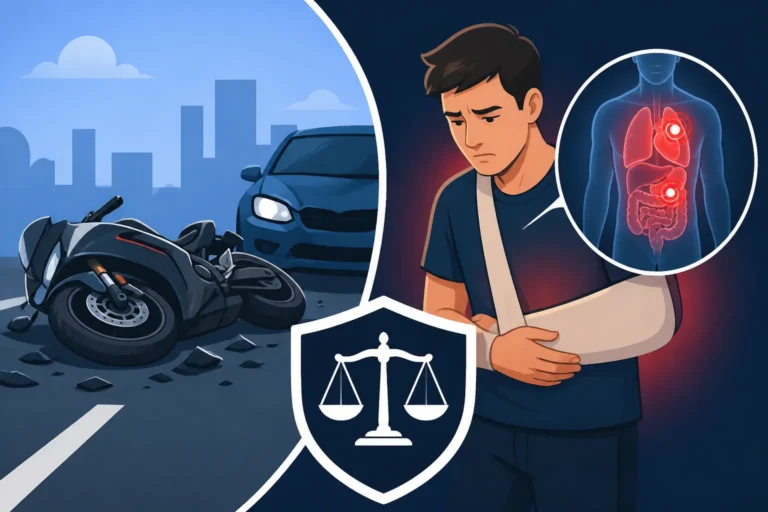
When you've been involved in a motorcycle crash, the sheer force and vulnerability can lead to devastating injuries, and among the most severe are compound fractures. These aren't just simple broken bones; they are complex, often life-altering injuries that bring a cascade of immediate pain, intensive medical interventions, and a long, arduous recovery journey. This guide will delve into what compound fractures entail, why they're so prevalent and dangerous in motorcycle accidents, and how these significant injuries impact your physical, emotional, and financial future, especially when it comes to pursuing a motorcycle accident claim.
Understanding Compound Fractures and Their Severity
A motorcycle accident can subject the body to immense forces, often resulting in injury types rarely seen in other vehicle collisions. Among these, compound fractures stand out for their severity and the immediate danger they pose. It's crucial to understand what distinguishes these injuries from other bone breaks.
What Exactly Is a Compound Fracture?
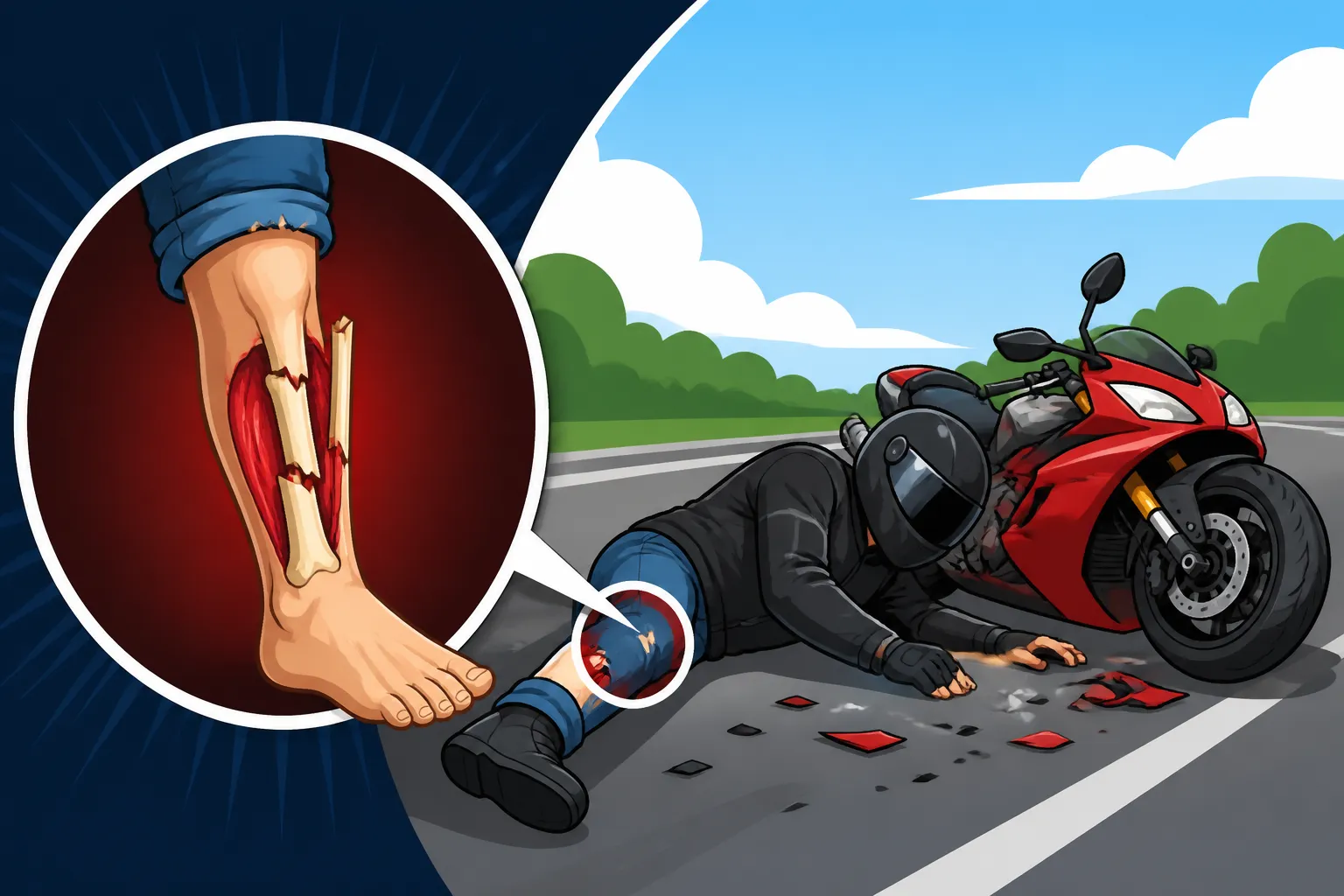
Technically known as an "open fracture," a compound fracture occurs when the broken bone punctures the skin, creating an open wound. This isn't merely a break; it's a traumatic injury where the bone is exposed to the outside environment, either because it has pushed through the skin or because a severe impact has lacerated the skin and exposed the bone underneath. The distinction between a closed fracture (where the skin remains intact) and an open fracture is critical because the latter carries a significantly higher risk of complications, most notably severe infection.
Imagine the horror of looking down after a crash and seeing your own bone protruding from your leg or arm. That's the reality for many riders involved in high-impact collisions. Beyond the immediate shock and pain, this exposure means bacteria can easily enter the wound, traveling directly to the bone marrow and surrounding tissues. This immediate threat of infection complicates treatment immensely, often requiring extensive cleaning, debridement (removal of damaged tissue), and strong antibiotics alongside the necessary orthopedic repair.
Why Motorcycles Increase the Risk of Compound Fractures
The inherent lack of exterior protection for motorcycle riders is a primary reason why compound fractures are unfortunately common after a crash. Unlike car occupants who are shielded by a vehicle's frame, airbags, and seatbelts, motorcyclists have only their gear, which, while vital, cannot fully absorb or deflect the kinetic energy of a direct impact with another vehicle or the unforgiving asphalt. This direct exposure means that when a rider hits the ground or another object, their limbs often bear the brunt of the force directly.
Consider a scenario where a rider is T-boned by a distracted driver failing to yield. The rider's leg or arm, rather than being protected by a crumple zone, might be crushed between the motorcycle and the striking vehicle, or violently thrown to the pavement. This direct, high-energy trauma often leads to not just a break, but a displacement so severe that the bone fragments tear through skin and muscle. The rapid deceleration and impact forces are simply too great for the body to withstand without such devastating consequences.
Common Locations for Compound Fractures in Riders
While any bone in the body can sustain a compound fracture, certain areas are particularly vulnerable for motorcycle riders due to the mechanics of a crash. The lower extremities are frequently impacted, especially the tibia and fibula (shin and calf bones), and the femur (thigh bone). These bones are often exposed to direct impact or twisting forces during a slide or collision.
Upper extremities, like the radius and ulna (forearm bones) or the humerus (upper arm bone), are also highly susceptible, often as riders instinctively try to brace for impact with their arms outstretched. Imagine a rider laid down their bike to avoid a head-on collision. Their arms and legs would likely hit the pavement first, grinding against the abrasive surface and potentially suffering gruesome injuries like road rash and compound fractures simultaneously. These injuries often require complex orthopedic surgery and extensive recovery time, changing a rider's life forever.
The Immediate Aftermath and Urgent Medical Care
The moments immediately following a motorcycle accident involving a compound fracture are critical. The severity of the injury demands immediate, specialized medical attention, and the journey from the accident scene to surgical recovery is often a blur of pain, adrenaline, and urgent decision-making.
On-Scene Stabilization and Emergency Transport
When a compound fracture occurs, the first priority at the accident scene is to stabilize the patient and control any bleeding. Emergency responders are trained to recognize the signs of an open fracture and understand the severe risks involved. They will often cover the exposed bone with a sterile dressing to prevent further contamination and attempt to immobilize the limb as much as possible before transport. This initial stabilization is crucial to minimize further damage to surrounding tissues and blood vessels.
Paramedics work quickly to manage pain, assess for other life-threatening injuries, and ensure the rider's vital signs are stable. Transport to a trauma center, rather than a general hospital, is often necessary. Trauma centers, like those found in major cities such as Los Angeles, or Houston, are equipped with the specialized surgical teams and advanced imaging technology needed to handle such severe orthopedic emergencies. The speed and expertise of this initial response can significantly impact the long-term prognosis for the rider.
Surgical Interventions and Initial Treatment Protocols
Once at the trauma center, a rider with a compound fracture will typically undergo immediate evaluation, which includes X-rays and potentially CT scans to fully understand the extent of the bone damage and any associated soft tissue injuries. The most critical step is often an emergency surgery known as debridement and irrigation. This involves thoroughly cleaning the wound, removing any foreign debris (like dirt, asphalt, or clothing fragments), and cutting away dead or contaminated tissue. This step is vital to reduce the risk of infection.
Following debridement, the orthopedic surgeon will then work to realign the broken bone fragments. This often requires internal fixation, where metal plates, screws, rods (intramedullary nails), or pins are surgically inserted to hold the bones in place as they heal. In some cases, an external fixator may be used, which involves pins inserted into the bone on either side of the fracture, connected to a frame outside the body. This is often necessary for very severe open fractures where the soft tissue damage is too extensive for internal hardware, or if there's significant swelling. The complexity of these procedures underscores the severity of the injury and the highly specialized care required.
Preventing Infection and Complications
The open nature of a compound fracture makes infection the single most dangerous complication. Even with meticulous surgical cleaning, the risk remains high. Riders will typically be given broad-spectrum antibiotics intravenously, often for several days or even weeks, to combat potential bacterial invaders. The wound itself will be closely monitored for any signs of infection, such as redness, swelling, pus, or fever. Sometimes, multiple debridement surgeries are needed to ensure all contaminated tissue is removed.
Beyond infection, other complications are a constant concern. Nonunion (where the bone fails to heal) or malunion (where the bone heals incorrectly) are possibilities, sometimes requiring further surgery, bone grafts, or even amputation in the most extreme cases. Nerve damage and vascular injuries are also potential complications due to the severity of the trauma. These risks highlight why diligent follow-up care and strict adherence to medical instructions are paramount, forming a critical component of a rider's overall recovery.
Long-Term Recovery and the Road Ahead
Surviving the immediate aftermath of a compound fracture is just the beginning. The long-term recovery journey is often a grueling marathon, filled with physical and emotional challenges that can profoundly impact a rider's life. This phase demands immense patience, resilience, and a robust support system.
Extensive Rehabilitation and Physical Therapy
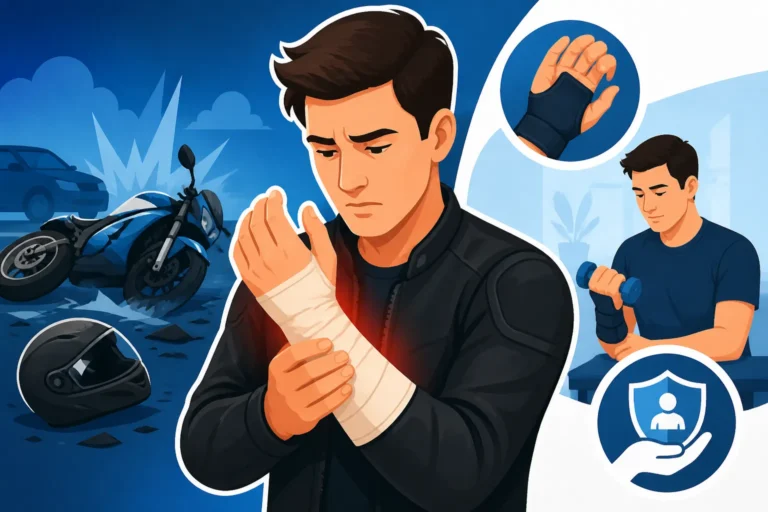
Once the initial healing of the bone begins, extensive rehabilitation and physical therapy become the cornerstone of recovery. This isn't just about getting back on your feet; it's about regaining strength, flexibility, range of motion, and function that may have been severely compromised by the injury, surgery, and prolonged immobilization. Sessions might involve targeted exercises, massage therapy, electrical stimulation, and hydrotherapy. For someone with a compound fracture of the femur, for instance, learning to walk again with full weight-bearing can take months, sometimes even over a year.
It's a daily grind, often painful and frustrating, but absolutely essential. Think about the intricate movements involved in riding a motorcycle – balancing, shifting gears, braking, maneuvering. A severe compound fracture can make these actions feel impossible. A physical therapist will work closely with the rider, progressing from passive movements to active exercises, weight-bearing activities, and eventually, sport-specific training if the goal is to return to riding. This long-term care generates substantial medical expenses, which are important to document for any personal injury claim.
Potential for Long-Term Complications and Secondary Issues
Even with the best medical care and diligent rehabilitation, compound fractures can leave a lasting legacy of complications. Chronic pain is a very real and often debilitating issue, stemming from nerve damage, scar tissue, or altered biomechanics. Arthritis in nearby joints can develop prematurely due to altered weight distribution or surgical interventions. Nerve damage can lead to numbness, weakness, or even paralysis in affected areas, permanently altering function.
Beyond physical ailments, secondary issues like psychological trauma, including PTSD (Post-Traumatic Stress Disorder), depression, and anxiety, are also common. Riders often grapple with the loss of their independence, the inability to participate in hobbies, or the fear of returning to riding. The mental and emotional toll is immense and often overlooked, but it's a significant component of the overall damages in a motorcycle accident claim. A thorough understanding of these long-term effects is crucial when considering how to maximize your motorcycle accident settlement.
The Emotional and Financial Toll of Recovery
The journey to recover from a compound fracture is not just physically demanding; it extracts a heavy emotional and financial toll. Emotionally, riders might experience significant shifts in mood, feelings of isolation, and a deep sense of loss for their previous life and capabilities. The inability to work, engage in family activities, or simply enjoy their passion for riding can be crushing. Support groups, counseling, and a strong network of friends and family can play a vital role in navigating these emotional challenges.
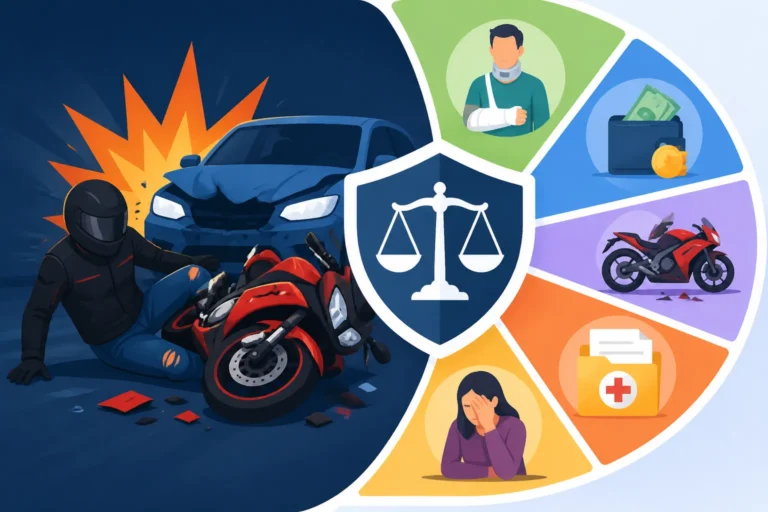
Financially, the costs can be staggering. Beyond the initial emergency medical bills, there are ongoing expenses for physical therapy, specialists, medications, assistive devices (crutches, wheelchairs), and potentially home modifications to accommodate disabilities. Loss of income, especially if the rider was self-employed or in a physically demanding job, can quickly lead to financial distress. These economic damages, combined with the immense non-economic damages like pain and suffering, form the core of any comprehensive motorcycle accident settlement.
Valuing a Claim with Compound Fractures
When a motorcycle accident leaves you with a compound fracture, understanding how to value your claim is paramount. These are not minor injuries; they demand significant compensation to cover the vast scope of present and future losses. Insurance companies, unfortunately, often try to minimize payouts, making it crucial to present a thoroughly documented and robust case.
Documenting Medical Expenses and Lost Wages
The first step in valuing your claim is meticulously documenting all economic damages. This includes every single medical bill, from the ambulance ride and emergency room visit to surgeries, hospital stays, follow-up appointments with orthopedic specialists, medications, physical therapy, and any assistive devices. Keep an organized file with all receipts, invoices, and statements. It’s not just current bills; future medical costs are also a huge component. For instance, if you require a future hardware removal surgery or anticipate needing joint replacement down the line due to post-traumatic arthritis, these must be factored in.
Equally important is documenting lost wages and any impact on your future earning capacity. If your compound fracture prevented you from working, gather pay stubs, tax returns, and letters from your employer detailing your time off. For long-term or permanent disability, you'll need evidence of how your injury limits your ability to perform your job or pursue other employment. This often involves working with vocational experts who can assess your diminished earning potential, which is a critical aspect of your claim's value. This is how lost wages are calculated in a motorcycle accident claim.
Accounting for Pain, Suffering, and Reduced Quality of Life
Beyond the quantifiable economic losses, compound fractures inflict immense pain and suffering, emotional distress, and a significantly reduced quality of life. These non-economic damages are harder to put a precise dollar figure on but are absolutely critical components of your claim. Pain and suffering damages include physical pain, emotional anguish, mental trauma, inconvenience, and the loss of enjoyment of life. Imagine not being able to ride your motorcycle again, play with your children, or even walk without a limp. These losses are profound.
To effectively claim these damages, it's vital to keep a detailed injury journal, documenting your daily pain levels, emotional struggles, limitations, and how the injury prevents you from enjoying activities you once loved. Medical records, psychological evaluations, and testimony from family and friends can also paint a vivid picture of your suffering. Insurance companies often use formulas, like the multiplier method, to estimate pain and suffering, multiplying your economic damages by a factor (usually 1.5 to 5, or higher for severe injuries like compound fractures). Understanding how pain and suffering are calculated in a motorcycle claim can help you prepare.
The Role of Expert Testimony in Proving Damages
Given the complexity and long-term implications of compound fractures, expert testimony often becomes indispensable in proving the full scope of your damages. Orthopedic surgeons can testify to the nature of your injury, the necessity of surgeries, and the long-term prognosis. Rehabilitation specialists or physical therapists can detail the extent of your recovery needs and limitations. In cases of significant disability or chronic pain, pain management specialists can provide crucial insights.
Economists or vocational experts can provide projections on future lost earnings and the costs of long-term care. These professionals provide objective, authoritative evidence that can significantly strengthen your claim and counter insurance adjusters' attempts to downplay the severity or lasting impact of your injuries. Their testimony can be the difference between a lowball offer and a fair settlement that truly reflects the life-altering consequences of a compound fracture. This is especially vital when dealing with an insurer's attempts to use the helmet defense to reduce your settlement if you weren't wearing one, even if the head injury isn't directly related to the compound fracture.
| Type of Damage | Description | Evidence Required |
|---|---|---|
| Economic Damages | ||
| Medical Bills | Ambulance, ER, surgeries, hospital stays, physical therapy, prescriptions, future treatments | All bills, receipts, insurance statements, future treatment estimates |
| Lost Wages | Income lost due to inability to work during recovery | Pay stubs, tax returns, employer statements, employment contracts |
| Loss of Earning Capacity | Future income lost due to permanent disability or reduced ability to work | Vocational expert reports, salary history, economic projections |
| Property Damage | Cost to repair or replace your motorcycle and damaged gear | Repair estimates, photos of damage, purchase receipts of gear, mechanic reports |
| Other Expenses | Transportation to appointments, home modifications, assistive devices | Receipts, invoices, contractor estimates |
| Non-Economic Damages | ||
| Pain & Suffering | Physical pain, discomfort, mental anguish, emotional distress | Medical records, pain journal, psychological evaluations, personal testimony |
| Loss of Enjoyment | Inability to participate in hobbies, social activities, or daily life pleasures | Personal testimony, statements from family/friends, documentation of prior activities |
| Scarring/Disfigurement | Permanent visible marks or changes to appearance, especially from open wounds and surgeries | Medical photos, plastic surgeon reports, personal testimony |
| Emotional Distress | Anxiety, depression, PTSD, fear, anger stemming from the accident and injuries | Therapist/counselor notes, personal journal, psychological expert testimony |
| Loss of Consortium | Impact on intimate relationship with spouse due to injuries | Spouse's testimony, medical records detailing limitations |
Disclaimer
The information provided in this article is for general informational purposes only and does not constitute legal advice. Motorcycle accident claims are complex and highly dependent on specific facts and state laws. It is crucial to consult with a qualified motorcycle accident attorney to discuss your individual situation and understand your legal rights and options.