Why You Should See a Doctor Even If You Feel Fine
It’s a scenario no rider ever wants to face: the jarring impact, the slide, the sudden stop. And then, the scramble to get up, brush yourself off, and check the bike. In those first moments after a motorcycle accident, it’s incredibly common to feel a rush of relief if you can walk away seemingly unhurt. Many of us have been there, convinced that because we don't feel immediate pain, everything must be fine. But this initial feeling of "okay" can be dangerously misleading, both for your health and for any potential motorcycle accident claim. This guide will walk you through why getting a medical evaluation after a crash, even if you feel perfectly fine, is one of the most critical steps you can take.
The Deceptive Calm After the Storm: Why You Might Feel "Fine" Initially
The human body is an amazing machine, equipped with incredible defense mechanisms. Unfortunately, some of these mechanisms can actually work against you in the immediate aftermath of a traumatic event like a motorcycle crash. That feeling of being "fine" might be a trick your body is playing.
Adrenaline Masking Pain and Injury
When you experience something as sudden and violent as a motorcycle accident, your body immediately kicks into "fight or flight" mode. This is a primal, biological response designed to help you survive. Your adrenal glands pump out a cocktail of hormones, primarily adrenaline and cortisol, throughout your system. This powerful surge of chemicals does several things:
- Elevates Heart Rate and Blood Pressure: It gets your cardiovascular system ready for intense physical exertion.
- Dulls Pain Receptors: Crucially, adrenaline acts as a natural painkiller. It can temporarily numb your body to injuries, allowing you to react and move, even if serious damage has occurred. Think of a soldier in battle who doesn't realize they've been shot until hours later. The same principle applies here.
- Increases Alertness: You become hyper-aware, focusing on the immediate threat or the chaos around you, rather than the subtle signals of pain your body might be trying to send.
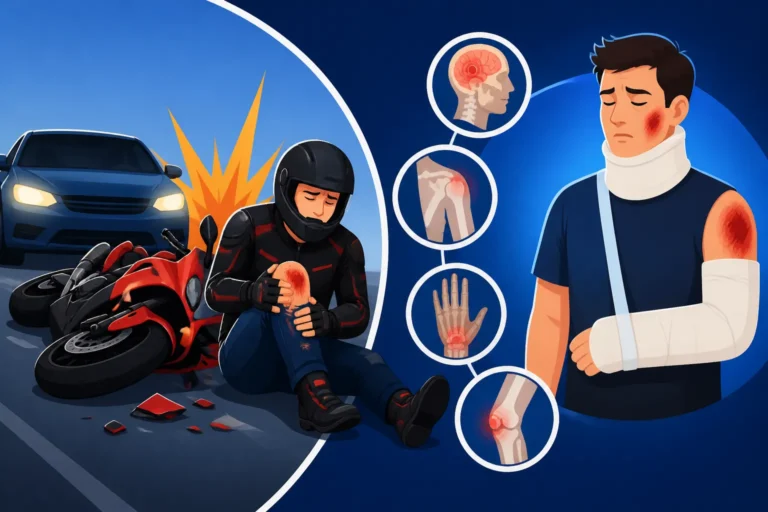
This means you could have broken bones, internal bruising, or even a head injury, and truly not feel the pain until hours later, once the adrenaline starts to dissipate. That initial surge might enable you to push your bike to the side of the road, exchange information, or even stand around talking to the police, all while your body is silently suffering.
Delayed Symptom Onset
Beyond the adrenaline rush, many types of injuries simply don't manifest symptoms immediately. It's not like in the movies where a character instantly clutches a wound. In real life, the body's response to trauma can take time to develop.
- Inflammation Takes Time: Many injuries, particularly soft tissue damage like sprains, strains, or even whiplash, don't show their true colors until inflammation sets in. This process can take hours or even a full day or two. As swelling increases, it puts pressure on nerves, leading to pain, stiffness, and reduced range of motion.
- Neurological Symptoms Can Be Subtle: Head injuries, from mild concussions to more severe traumatic brain injuries (TBIs), can be particularly insidious. You might not lose consciousness, and initially, you might just feel a bit "off," dizzy, or have a slight headache. These symptoms can be easy to dismiss in the chaotic moments after a crash, and they often worsen over time. This is why immediate medical attention for any head impact is so crucial. Even what seems like a minor bump can have serious long-term consequences if not properly diagnosed and treated. You can learn more about these risks in our guide on Motorcycle Traumatic Brain Injury: Claims and Compensation.
- Internal Injuries Are Often Silent: Perhaps the most frightening category of delayed symptoms comes from internal injuries. A ruptured spleen, a liver laceration, or internal bleeding in the abdomen or chest can cause significant damage before any external signs or even noticeable pain appear. By the time symptoms like severe abdominal pain, lightheadedness, or weakness become undeniable, the situation could be life-threatening.
Imagine a rider who gets into a low-speed fender bender on a Sunday afternoon in Sacramento. They feel a bit shaken but no pain, so they go home, rest, and think nothing of it. By Monday morning, they wake up with a stiff neck and a throbbing headache, or worse, they experience abdominal pain that turns out to be internal bleeding. These delayed symptoms prove just how critical it is to seek medical attention right away.
Hidden Dangers Lurking Beneath the Surface
The biggest reason to see a doctor, even if you feel completely unscathed, is the very real possibility of hidden injuries. These aren't always obvious to the naked eye or even to the person experiencing them.
Traumatic Brain Injuries TBIs and Concussions
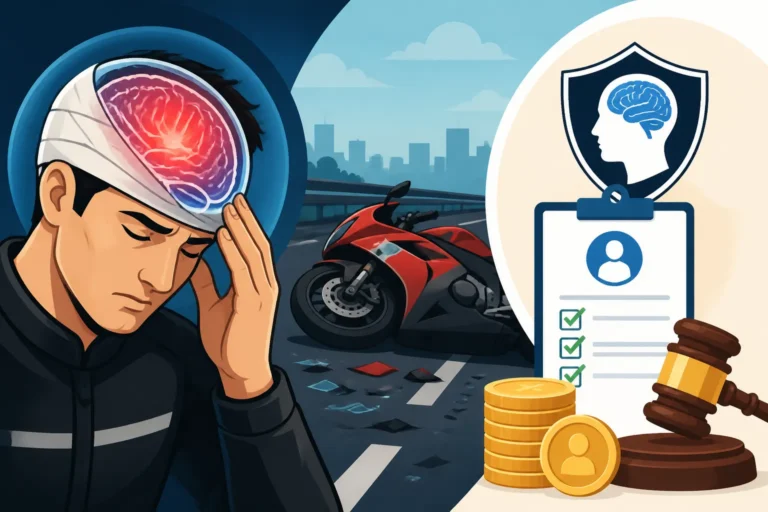
Let’s be honest, head injuries are a primary concern for any rider. Even with a DOT-approved helmet, a significant impact can still transmit forces to your brain. You might experience a concussion, which is a mild form of TBI, without ever losing consciousness. The symptoms often creep up on you. Initially, you might just be a little confused or have a minor headache, but these can escalate to debilitating migraines, extreme sensitivity to light and sound, memory problems, and even personality changes.
These aren't just uncomfortable; they can significantly impact your life, career, and relationships. Untreated, a concussion can lead to post-concussion syndrome, a condition where symptoms persist for weeks, months, or even years. Without a medical professional performing a thorough evaluation, including neurological checks and potentially imaging, these injuries can be missed. Early diagnosis and intervention are key to managing symptoms and promoting recovery. Our resource on Long-Term Effects of a TBI delves deeper into what you might face.
Internal Bleeding and Organ Damage
This is perhaps the most urgent and dangerous category of hidden injuries. Your internal organs are delicate, and the forces involved in a motorcycle accident can easily cause them to bruise, tear, or rupture. The insidious nature of these injuries is that they often don't present with immediate, sharp pain. Instead, you might notice subtle signs over time:
- Abdominal Pain or Tenderness: This might start as a dull ache and gradually worsen.
- Swelling or Bruising: While some external bruising might appear, significant internal bleeding might not show outward signs until much later, if at all.
- Lightheadedness or Dizziness: As blood loss occurs internally, your blood pressure can drop, leading to these symptoms.
- Nausea or Vomiting: These can be general signs of distress or specific to injuries of the gastrointestinal organs.
Without medical imaging like CT scans or ultrasounds, internal injuries can go undiagnosed until they become critically severe, potentially leading to organ failure or hemorrhagic shock. This is why emergency room doctors will often order a "FAST exam" (Focused Assessment with Sonography for Trauma) after an accident to quickly check for internal bleeding.
Spinal Cord and Soft Tissue Injuries
While perhaps not as immediately life-threatening as internal bleeding, spinal cord and soft tissue injuries can lead to chronic pain and long-term disability if not addressed promptly. The violent jolting motion of a crash can cause:
- Whiplash: This common neck injury occurs when the head is suddenly forced backward and then forward. The ligaments, muscles, and nerves in your neck can be stretched or torn. Symptoms like stiffness, pain, headaches, and dizziness often don't appear for 24-48 hours.
- Herniated Discs: The force of impact can cause the soft, jelly-like discs between your vertebrae to rupture or bulge, putting pressure on spinal nerves. This can lead to radiating pain, numbness, or weakness in your arms or legs. These symptoms may not be apparent until days or even weeks after the accident.
- Sprains and Strains: Ligaments, tendons, and muscles throughout your body can be overstretched or torn, particularly in your back, shoulders, knees, and wrists. Again, swelling and pain can be delayed.
Ignoring these injuries, even if they seem minor, can lead to chronic conditions that require extensive physical therapy, injections, or even surgery down the line. It's far better to get them checked out early and begin treatment, rather than letting them fester and worsen. You can gain more insight into these specific issues by reading our article on Spinal Cord Injuries from Motorcycle Accidents.
Protecting Your Health and Your Claim
Beyond your immediate physical well-being, seeing a doctor after a motorcycle accident is absolutely fundamental to protecting your legal rights and ensuring you can pursue a fair settlement for your injuries and damages.
Establishing a Clear Medical Record
Think of your medical records as the bedrock of any personal injury claim. Insurance companies are notorious for scrutinizing every detail to minimize payouts, and a gap in medical treatment after an accident is a red flag for them. When you seek medical attention immediately, you create an undeniable paper trail that directly links your injuries to the accident.
This record starts with your initial visit and continues through all follow-up appointments, diagnostic tests (X-rays, MRIs, CT scans), specialist referrals, physical therapy sessions, and medication prescriptions. Each entry serves as objective evidence of your injuries, their severity, and the progression of your recovery. Without this documented history, it becomes incredibly challenging to prove that your pain, discomfort, or disability is a direct result of the crash, especially if weeks or months have passed before you finally decide to seek help. Our guide on How to Document Injuries for a Claim offers more detailed advice on this critical step.
Connecting Injuries to the Accident
Insurance adjusters are trained to look for any opportunity to deny or devalue a claim. One of their favorite tactics is to argue that your injuries aren't actually related to the accident. If you wait days or weeks to see a doctor, they'll inevitably argue that:
- You weren't really hurt: "If you were truly injured, why didn't you go to the ER or see a doctor immediately?"
- Your injuries came from something else: "You could have hurt yourself doing anything between the accident and your first doctor's visit."
- Your injuries are pre-existing: They might try to dig up old medical records and claim your current pain is merely a flare-up of a prior condition.
By getting immediate medical attention, you create an unassailable chronological link between the accident and your injuries. A doctor's diagnosis, made shortly after the incident, provides compelling evidence that the crash caused your harm. This direct connection is vital for overcoming the tactics insurance companies employ to dispute causation. Understanding this is a key part of the First Steps to Protect Your Motorcycle Claim after a collision.
Avoiding Accusations of Malingering
Malingering is the act of faking or exaggerating an illness or injury to gain something, such as financial compensation. While it's an unfair accusation for a genuinely injured rider, insurance companies are not above making such suggestions if they find inconsistencies in your actions. If you initially claim to be fine, then suddenly present with severe injuries weeks later, it raises suspicion in the eyes of an adjuster.
This doesn't mean your injuries aren't real, but it certainly makes it an uphill battle to prove their legitimacy. A consistent and prompt medical evaluation schedule ensures that your injuries are objectively documented as they develop. It removes any doubt about the timing and origin of your symptoms, making it much harder for the opposing side to claim you're not being truthful about your pain or suffering. Remember, any delay in seeking care or gaps in your treatment can be used against you, potentially hurting your claim significantly. You can find more information on this particular vulnerability in our article, How Gaps in Treatment Hurt Your Claim.
What to Expect When You See a Doctor
So, you've decided to prioritize your health and get checked out after your accident, even if you still feel relatively okay. Good call! Knowing what to expect can help ease any anxiety and ensure you get the most comprehensive evaluation possible.
Comprehensive Evaluation and Diagnostics
Your first medical visit after an accident, whether it's to an emergency room, an urgent care center, or your primary care physician, will typically involve a thorough examination. Here's a breakdown:
- Medical History and Accident Details: The doctor or medical staff will ask you detailed questions about the accident itself: how it happened, the impact, how you landed, and any immediate symptoms you experienced. Be as specific and honest as possible, describing everything you felt, no matter how minor. This includes any bumps, bruises, scrapes, or even just feeling "shaken up."
- Physical Examination: A doctor will perform a head-to-toe physical assessment. They'll check your vital signs, assess your range of motion, test your reflexes, and look for any visible signs of injury like swelling, bruising, cuts, or abrasions (even minor road rash should be noted). They'll pay close attention to your head, neck, back, and limbs.
- Neurological Assessment: This is especially important after any impact. They'll check your pupils, cognitive function (asking questions about time, place, and recent events), balance, and coordination to look for signs of a concussion or more severe brain injury.
- Diagnostic Imaging: Based on your symptoms and the nature of the accident, the doctor will likely order diagnostic tests.
- X-rays: Used to detect fractures or dislocations in bones.
- CT Scans: These provide more detailed images than X-rays and are often used to check for internal bleeding in the abdomen, chest, or skull, as well as complex bone fractures.
- MRIs: Often ordered for soft tissue injuries (ligaments, tendons, muscles), spinal cord damage, herniated discs, or more subtle brain injuries that a CT might miss.
It's vital to remember that these tests are not just for obvious pain points. Even if your head doesn't hurt, a doctor might still order a CT if the impact was severe, just to rule out a hidden TBI or internal bleeding. Trust their expertise.
Following Medical Advice and Treatment Plans
Getting an initial diagnosis is only the first step. The real work begins with consistently following your doctor's recommendations. This is critical for two main reasons:
- Your Recovery: Adhering to your treatment plan is paramount for your physical recovery. Skipping physical therapy sessions, not taking prescribed medications, or failing to follow up with specialists can hinder your healing process and potentially lead to long-term complications.
- Your Legal Claim: Just as important, consistently following medical advice reinforces the legitimacy and severity of your injuries for your personal injury claim. If you have gaps in treatment or don't comply with your doctor's orders, insurance companies will seize on this. They might argue that you weren't truly in pain, that your injuries weren't serious enough to warrant continuous care, or even that you exacerbated your own injuries by not following medical advice.
This could severely reduce the compensation you receive for medical bills, lost wages, and pain and suffering. So, attend all appointments, complete all prescribed therapies, and keep detailed records of your progress and any ongoing pain. This diligent approach will not only benefit your health but also strengthen your case.
Here's a table summarizing some common delayed symptoms and why they demand immediate medical attention:
| Symptom Group | Common Manifestations | Why It's Dangerous to Ignore | Potential Underlying Injuries |
|---|---|---|---|
| Head & Neck Pain | Headache, stiff neck, dizziness, confusion, vision issues | Could indicate head trauma or spinal injury worsening. | Concussion, Traumatic Brain Injury (TBI), Whiplash, Disc Herniation |
| Abdominal Pain | Dull ache, tenderness, bloating, nausea, vomiting | May signal life-threatening internal bleeding or organ damage. | Spleen rupture, Liver laceration, Kidney damage, Internal Hemorrhage |
| Back & Limb Numbness | Tingling, weakness, radiating pain in arms/legs | Can indicate nerve compression, spinal cord damage. | Herniated Disc, Spinal Cord Injury, Pinched Nerves |
| Increased Bruising/Swelling | New or growing bruises, noticeable swelling hours later | Sign of continued internal bleeding, fractures, or soft tissue damage. | Fractures, Muscle tears, Hematoma formation, Ligament damage |
| Mood/Cognitive Changes | Irritability, difficulty concentrating, memory issues | Classic signs of evolving head injury. | Post-concussion syndrome, TBI effects |
Final Thoughts: Don't Play Hero with Your Health
After a motorcycle accident, it’s natural to feel a rush of relief if you can stand up and walk away. That primal urge to feel "fine" and push past the trauma is a strong one. But in the world of motorcycle accidents, that initial feeling of being okay can be a cruel illusion. Your health, both short-term and long-term, is too precious to gamble with. Hidden injuries like concussions, internal bleeding, or spinal trauma can lie dormant, only to emerge hours or days later with potentially devastating consequences.
Beyond your immediate well-being, remember that every minute you delay seeing a doctor after a crash creates a larger gap in your medical record. This gap is exactly what insurance companies will exploit to undermine your claim, arguing that your injuries aren't legitimate or weren't caused by the accident. By taking the proactive step of seeking immediate medical evaluation, you are not only safeguarding your physical health but also laying the crucial groundwork to protect your legal rights and pursue the compensation you deserve. Don't be a hero; be smart. Get checked out, even if you feel fine.
Disclaimer
The information provided in this blog post is for informational purposes only and not for the purpose of providing legal advice. You should contact your attorney to obtain advice with respect to any particular issue or problem.