How Adaptive Equipment Is Covered
When a motorcycle accident leaves you with severe, life-altering injuries, the road to recovery often means more than just physical therapy and doctor's visits. Many riders find themselves facing a new reality that requires significant changes to their daily lives and homes, often involving expensive adaptive equipment. Understanding how these crucial costs are covered in a motorcycle accident claim is absolutely vital for your long-term well-being and financial stability. This guide will walk you through the ins and outs of ensuring adaptive equipment expenses are properly accounted for and recovered.
What Exactly is Adaptive Equipment After a Motorcycle Accident?
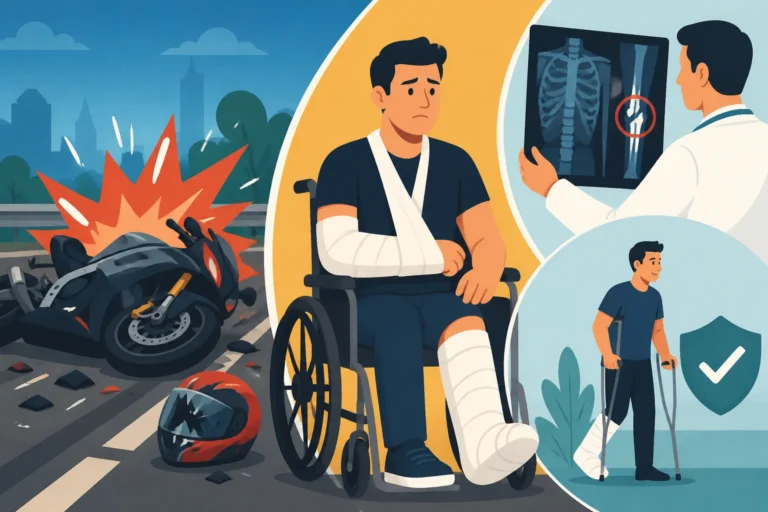
Experiencing a serious motorcycle accident can be a truly devastating event, not just for your physical health but for your entire way of life. Suddenly, things you once took for granted – walking, getting into bed, even opening a door – can become monumental challenges. This is where adaptive equipment comes into play, becoming an essential component of rehabilitation and helping you regain as much independence as possible. It’s not just about getting by; it’s about rebuilding a fulfilling life.
Defining Adaptive Equipment for Recovery
Adaptive equipment, at its core, refers to any device, tool, or modification designed to assist an individual with a disability or injury in performing daily tasks and maintaining a greater level of independence. After a motorcycle crash, especially one involving catastrophic injuries, your body might not function the way it once did. These tools bridge that gap, making the seemingly impossible tasks achievable again. It's about adapting your environment to your new capabilities, rather than constantly struggling against limitations.
Think about it this way: if you've suffered a spinal cord injury, you might need a specialized wheelchair. If you've had an amputation, prosthetics are a form of adaptive equipment. Even seemingly simple items like grab bars in a bathroom, raised toilet seats, or specialized eating utensils can fall under this umbrella. The definition is broad because the needs are so diverse, varying greatly depending on the specific injuries and their impact on your daily functions.
The Range of Equipment Needed
The spectrum of adaptive equipment is incredibly vast, ranging from relatively minor aids to sophisticated, high-tech devices. For instance, someone recovering from a severe leg injury might initially need crutches, a walker, or a knee scooter. As they progress, they might transition to specialized exercise equipment for physical therapy at home. On the more complex end, someone with a traumatic brain injury may require cognitive aids, specialized communication devices, or even environmental controls for their smart home system.
Consider a rider who suffered a debilitating spinal cord injury. Their needs might include a power wheelchair, a specialized bed with pressure-relieving mattress, a patient lift for transfers, a shower chair, and even a modified vehicle for transportation. For those with a severe Motorcycle Amputation: Claims and Compensation, prosthetic limbs are a fundamental form of adaptive equipment, and these can be incredibly advanced, offering different functionalities for various activities. The range of potential needs means the associated costs can quickly skyrocket, making proper legal and insurance coverage absolutely critical.
Why it's Crucial for Long-Term Well-being
Adaptive equipment isn't a luxury; it's often a necessity for recovery, rehabilitation, and long-term quality of life. Without the right equipment, an individual might face increased risks of secondary injuries, prolonged dependence on caregivers, and a significantly diminished ability to participate in society, work, or even enjoy hobbies. Imagine trying to navigate your home in a wheelchair if the doorways aren't wide enough, or attempting to shower without proper support after a serious back injury.
The emotional and psychological impact of severe injuries is already immense. Having the right tools to regain some control and independence can significantly boost mental health, reduce feelings of frustration, and foster a more positive outlook on rehabilitation. Proper adaptive equipment ensures that the physical limitations imposed by the accident don't completely define a person's life, allowing them to pursue vocational goals, social activities, and personal passions to the fullest extent possible. It’s an investment in a dignified and active future, which is why these expenses must be diligently pursued in your personal injury claim.
Navigating Insurance Coverage for Adaptive Equipment
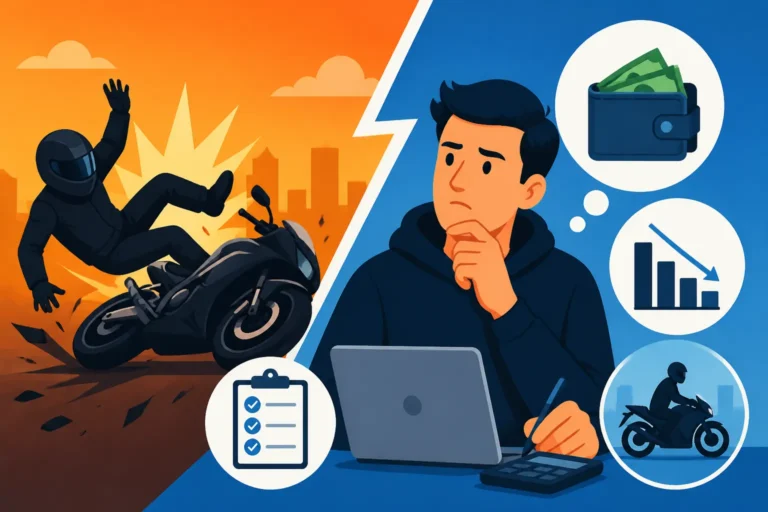
Once you've identified the adaptive equipment you need, the next big hurdle is figuring out how to pay for it. The costs can be staggering, and navigating the complex world of insurance can feel like a full-time job in itself. It’s often not a straightforward process, and you'll likely deal with multiple insurance providers, each with their own rules, limitations, and claim procedures.
Health Insurance vs. At-Fault Driver's Liability Insurance
When it comes to covering adaptive equipment, you'll typically be looking at two primary sources: your own health insurance and the at-fault driver's liability insurance. Your health insurance, whether private or government-funded like Medicare or Medicaid, will often be the first payer for medical necessities, which can include some adaptive devices. However, health insurance policies frequently have limitations, exclusions, co-pays, and deductibles, and they might only cover the most basic version of a device. They also won't cover things like home modifications or specialized vehicle adaptations.
This is where the at-fault driver's liability insurance becomes critical. If the other driver was at fault for your motorcycle accident, their insurance policy is primarily responsible for covering all your damages, including the full cost of necessary adaptive equipment, rehabilitation, and even home and vehicle modifications. Unlike health insurance, which focuses solely on medical necessity, a liability claim aims to make you "whole" again by compensating you for all losses incurred due to the other party's negligence. This means they should cover the reasonable and necessary costs to restore your quality of life as much as possible, including advanced or custom adaptive solutions. For a comprehensive overview of the financial impacts, you might find our guide on Types of Damages in a Motorcycle Accident Claim helpful.
Understanding Your Policy Limits and Coverage
Both health insurance and liability insurance have policy limits. Your health insurance might have an annual or lifetime maximum, or simply strict criteria on what it considers "medically necessary." For instance, they might cover a standard manual wheelchair but deny a more advanced power wheelchair or an all-terrain model, even if it's essential for your lifestyle or ability to work.
With the at-fault driver's insurance, the amount they will pay is capped by the driver's policy limits. If your injuries are catastrophic, as is common in a Motorcycle Accident Spinal Cord Injury: Claims and Compensation or Motorcycle Traumatic Brain Injury: Claims and Compensation, the costs of medical care, lost wages, and adaptive equipment can easily exceed these limits. This is a common and frustrating reality. In such cases, your personal injury lawyer will need to explore all available avenues to ensure you receive adequate compensation, which might involve seeking additional coverage from your own insurance policies. This could also be a factor that What Affects Your Motorcycle Accident Payout.
The Role of Uninsured/Underinsured Motorist Coverage
This brings us to a crucial type of coverage many riders overlook: Uninsured/Underinsured Motorist (UM/UIM) coverage. If the at-fault driver either has no insurance (uninsured) or their policy limits are too low to cover your extensive damages (underinsured), your own UM/UIM policy can step in to cover the difference, up to your policy's limits. This coverage is absolutely vital for motorcyclists, as catastrophic injuries are unfortunately common, and many drivers carry only the minimum state liability insurance, which is often insufficient for severe accident claims.
Without adequate UM/UIM coverage, you could be left footing the bill for expensive adaptive equipment out of your own pocket, even if the other driver was 100% at fault. It’s a proactive step that can save you immense financial hardship down the road. If you haven't already, review your motorcycle insurance policy carefully to ensure you have robust UM/UIM coverage. It’s an investment in your future, protecting you from the financial irresponsibility of others.
Proving the Need and Value of Adaptive Equipment in Your Claim
The insurance company won't simply take your word for it when it comes to adaptive equipment. They'll want irrefutable proof that the equipment is necessary, appropriate, and that the costs are reasonable. This requires meticulous documentation and often the input of specialized experts. This part of the claim process is heavily evidence-based, and any gaps in documentation can be used by insurers to reduce your settlement offer.
Comprehensive Medical Documentation is Key
The foundation of any successful claim for adaptive equipment lies in thorough and consistent medical documentation. Every diagnosis, every treatment, every recommendation from your doctors, therapists, and specialists must be meticulously recorded. This includes records from your initial hospital stay, rehabilitation facilities, physical therapy sessions, occupational therapy, and follow-up appointments.
Your medical records should clearly state the nature of your injuries, how they impact your daily life, and why specific adaptive equipment is medically necessary for your recovery, independence, or to prevent further complications. For example, if you need a power wheelchair, your doctor should explicitly state why a manual chair is insufficient given your injury and functional limitations. Detailed notes from occupational therapists are particularly valuable, as they are experts in assessing functional abilities and recommending appropriate adaptive solutions. Think of every medical document as a piece of the puzzle that proves your need for adaptive equipment. This also ties into How to Document Injuries for a Claim effectively.
Expert Testimonies and Life Care Plans
For more complex or severe injuries requiring extensive adaptive equipment and long-term care, a simple doctor's note often isn't enough. This is where expert testimonies and a comprehensive "life care plan" become indispensable. A life care planner is a medical professional (often a nurse or rehabilitation specialist) who assesses your long-term needs after a catastrophic injury. They will interview you, review all your medical records, consult with your treating physicians, and conduct an in-depth evaluation of your living situation, vocational aspirations, and overall quality of life.
The life care plan is a detailed document that outlines all future medical care, rehabilitation, medications, home health services, psychological counseling, and, critically, all adaptive equipment you will need over your lifetime. This includes not only the initial purchase price but also maintenance, repairs, and eventual replacement costs. For instance, a life care plan for someone with a Motorcycle Spinal Cord Injury: Claims and Compensation might project multiple wheelchair replacements over several decades, each costing tens of thousands of dollars. This plan serves as powerful evidence in your claim, providing an objective, expert-backed projection of your future expenses. This is How Future Medical Costs Are Estimated and helps substantiate claims for substantial payouts.
Estimating Future Costs and Replacements
One of the trickiest aspects of adaptive equipment claims is accurately estimating future costs. Unlike a one-time medical bill, adaptive equipment often requires ongoing investment. Power wheelchairs need battery replacements and service. Prosthetics need adjustments, repairs, and eventually, entirely new devices as technology advances or your body changes. Home modifications might need updates over time.
This is why the life care plan, often combined with an economic expert's analysis, is so critical. An economist can take the life care plan's projections and calculate the present value of these future expenses, accounting for inflation and investment returns. This ensures that the compensation you receive today will actually be sufficient to cover your needs years or even decades down the line. Without this expert analysis, insurance companies will often try to lowball these future costs, leaving you with a significant financial burden as time goes on. Remember, your settlement should cover these long-term needs, as explained in How Medical Bills Affect Your Settlement.
Overcoming Challenges and Maximizing Your Claim for Adaptive Equipment
Dealing with the aftermath of a motorcycle accident is challenging enough without battling insurance companies over every single expense. When it comes to adaptive equipment, you're likely to face resistance, as these costs can be substantial and represent a long-term financial commitment for the insurer. However, with the right approach and support, you can successfully navigate these hurdles.
Dealing with Insurance Company Denials and Disputes
It's an unfortunate reality that insurance companies are businesses, and their goal is to minimize payouts. They might deny coverage for certain adaptive equipment by claiming it's not "medically necessary," that a cheaper alternative exists, or that it's beyond the scope of their policy. They might question the severity of your injuries or suggest that your needs are exaggerated. This is a frustrating and common experience for accident victims.
When faced with a denial, don't give up. The first step is often to understand the specific reason for the denial. Is it a lack of documentation? Is it a policy exclusion? Once you know the reason, you can strategize. Often, providing additional medical records, a letter of medical necessity from your doctor, or an independent medical review can help overturn an initial denial. It's an adversarial process, and you need to be prepared to advocate strongly for your needs.
The Advantage of Legal Representation
This is precisely why having an experienced motorcycle accident lawyer by your side is almost always a game-changer. An attorney who specializes in personal injury claims understands the tactics insurance companies use to undervalue or deny claims, especially for complex damages like adaptive equipment. They know how to gather the necessary evidence, secure expert testimonies, and negotiate effectively. Trying to handle these complex negotiations and legal arguments while you're also focusing on your physical recovery is incredibly difficult, if not impossible. If you’re asking yourself Do You Need a Motorcycle Accident Lawyer, the answer is likely yes, especially when adaptive equipment is involved.
A skilled lawyer will not only fight for the initial costs of your equipment but will also ensure that future maintenance, upgrades, and replacements are factored into your settlement. They can work with life care planners and economists to build a robust case that accurately reflects your long-term needs. Their involvement often leads to a significantly higher settlement than what you would achieve on your own, making their fees a worthwhile investment that allows you to fully focus on healing. They are also adept at explaining how Economic vs Non-Economic Damages Explained in detail. Ultimately, their goal is to help you How to Maximize Your Motorcycle Accident Settlement.
Accounting for Home Modifications and Vehicle Adaptations
Adaptive equipment isn't limited to items you can easily move. For many severely injured riders, achieving true independence means modifying their living space and transportation. These can be some of the most expensive and impactful aspects of adaptive equipment. Home modifications might include widening doorways for wheelchair access, installing ramps, modifying bathrooms with roll-in showers and grab bars, lowering countertops in kitchens, or even installing elevators or stairlifts.
Similarly, vehicle adaptations are often essential for maintaining personal mobility. This could involve hand controls, wheelchair lifts or ramps for vans, specialized driving aids, or even entirely new vehicles designed for individuals with disabilities. These costs, like the equipment itself, must be thoroughly documented and included in your claim. A good attorney will work with contractors and vehicle adaptation specialists to obtain detailed estimates and present them as part of your overall damages. These significant expenses are a testament to the severe impact of your injuries and form a critical component of your overall What Affects Your Motorcycle Accident Payout.
| Type of Adaptive Equipment | Common Use Cases After Accident | Typical Cost Range (USD) | Primary Funding Sources |
|---|---|---|---|
| Mobility Aids | |||
| Manual Wheelchair | Temporary or limited mobility | $100 – $2,000 | Health Insurance, Liability Insurance |
| Power Wheelchair | Long-term, severe mobility impairment | $5,000 – $30,000+ | Health Insurance, Liability Insurance, VA Benefits |
| Crutches/Walkers | Initial injury support | $50 – $500 | Health Insurance |
| Prosthetic Limbs | Amputations | $5,000 – $100,000+ (per limb, depending on complexity) | Health Insurance, Liability Insurance, VA Benefits |
| Home Modifications | |||
| Ramps | Entry/Exit access | $500 – $15,000 | Liability Insurance, Grants |
| Bathroom Modifications | Roll-in showers, grab bars, accessible toilets | $5,000 – $25,000+ | Liability Insurance, Grants |
| Door Widening | Wheelchair access | $1,000 – $5,000 (per door) | Liability Insurance |
| Stair Lifts/Elevators | Multi-story home access | $3,000 – $50,000+ | Liability Insurance, Grants |
| Vehicle Adaptations | |||
| Hand Controls | Driving without foot pedals | $1,000 – $3,000 | Liability Insurance, Grants |
| Wheelchair Lifts/Ramps | Vehicle entry/exit | $2,000 – $15,000 | Liability Insurance, Grants |
| Modified Van | Accessible transportation | $30,000 – $80,000+ (conversion cost) | Liability Insurance, Grants, Vocational Rehab |
| Other Aids | |||
| Specialized Beds | Pressure relief, positioning | $2,000 – $15,000+ | Health Insurance, Liability Insurance |
| Communication Devices | Speech/cognitive assistance | $500 – $10,000+ | Health Insurance, Liability Insurance |
| Patient Lifts | Transfer assistance | $1,500 – $8,000 | Health Insurance, Liability Insurance |
Note: Costs are estimates and can vary widely based on location, brand, customization, and specific needs.
Disclaimer
The information provided in this guide is intended for general informational purposes only and does not constitute legal advice. Motorcycle accident claims are complex and highly dependent on individual circumstances and state laws. It is strongly recommended to consult with a qualified personal injury attorney to discuss your specific situation and understand your legal rights and options.