How to Find a Lawyer Who Handles Motorcycle Cases
After a motorcycle accident, the sheer chaos and immediate aftermath can leave you feeling completely overwhelmed, both physically and emotionally. Beyond the pain of your injuries and the stress of dealing with a damaged bike, you’re suddenly faced with a mountain of paperwork, calls from insurance adjusters, and the daunting question of how to even begin picking up the pieces. This guide is here to walk you through the essential steps to finding a lawyer who truly understands the complexities of motorcycle accident cases, ensuring you have expert guidance when you need it most.
Why Finding the Right Motorcycle Accident Lawyer is Crucial
Let's be honest, the thought of navigating a legal claim after an accident is enough to make anyone's head spin. You're probably hurting, worried about medical bills stacking up, and maybe even missing work. The last thing you want to do is sift through legal jargon or try to figure out which lawyer is actually worth their salt. But here's the thing: a motorcycle accident isn't just "another" vehicle accident. It comes with its own unique challenges, biases, and legal nuances that demand specialized attention. Trying to handle it alone, or with a general practice lawyer, can leave you at a significant disadvantage against well-oiled insurance companies.
The Unique Challenges of Motorcycle Accident Claims
It's an unfortunate truth that motorcyclists often face an uphill battle when it comes to personal injury claims. There's a persistent, unfair stereotype out there that portrays riders as reckless thrill-seekers, even when they're simply obeying the law. This bias can manifest in various ways, from how police reports are filed to how insurance adjusters evaluate your claim, and even how a jury might perceive you. Drivers of larger vehicles sometimes claim they "didn't see" a motorcyclist, shifting blame away from their own negligence. This phenomenon, often referred to as the "'I Didn't See the Motorcycle' Defense Explained", is a common tactic you'll encounter.
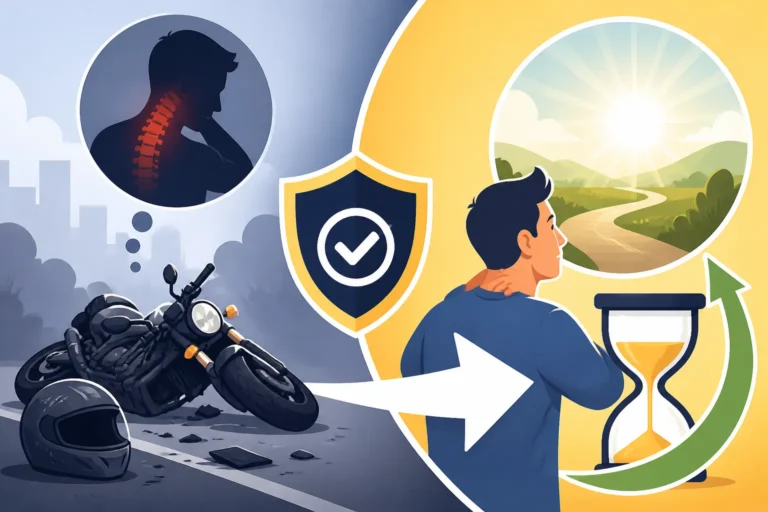
Furthermore, the injuries sustained in motorcycle accidents are often far more severe than those in car accidents. Riders lack the protective shell of a car, leading to devastating injuries like road rash, broken bones, traumatic brain injuries, and spinal cord injuries. These injuries require extensive medical treatment, rehabilitation, and often result in significant long-term impacts on your life and livelihood. An attorney who specializes in motorcycle accidents understands the profound impact these injuries have and knows how to accurately calculate the full scope of your damages, including future medical costs, lost earning capacity, and immense pain and suffering. They also know that proving Motorcycle Accident Evidence for Proving Fault is key.
The Importance of Specialized Experience
You wouldn't go to a general practitioner for brain surgery, right? The same principle applies to legal representation after a motorcycle crash. A lawyer who handles a little bit of everything – family law, real estate, and occasionally a car accident – simply won't have the in-depth knowledge, resources, or specific experience needed to effectively advocate for you in a motorcycle accident claim. They might not be familiar with state-specific motorcycle laws, like lane-splitting regulations in California or helmet laws in Florida, which can significantly impact liability.
A specialized motorcycle accident attorney lives and breathes these types of cases. They understand the nuances of how fault is determined in motorcycle accidents, are familiar with the common defenses insurance companies use against riders, and know how to counter those biases effectively. They have a network of experts, such as accident reconstructionists and medical professionals, who can provide crucial testimony to support your case. This focused expertise is paramount in building a strong claim, protecting your rights, and ultimately securing the maximum possible compensation you deserve. It’s about ensuring that your story, and the true extent of your injuries and losses, are heard and understood, not dismissed by unfair assumptions. Many riders often wonder, Do You Need a Motorcycle Accident Lawyer? If your injuries are serious or fault is disputed, the answer is almost always yes.
Where to Begin Your Search for a Motorcycle Accident Attorney
The search for the right lawyer can feel like another daunting task on top of everything else you're dealing with. It's not about picking the first name you see on a billboard; it's about strategic research and due diligence to find someone who aligns with your specific needs and who has a proven track record in motorcycle accident cases. You need someone who speaks your language, understands the rider's perspective, and is ready to fight for you.
Leveraging Online Directories and Referral Services
In today's digital age, one of the first places many people turn is online. Legal directories and referral services can be excellent starting points, but you need to know how to use them effectively. Websites like LegalMatch are specifically designed to connect individuals with attorneys who specialize in their particular legal needs. You can enter details about your motorcycle accident, and the platform will match you with qualified lawyers in your area who have experience handling similar cases. This can save you a tremendous amount of time and effort compared to sifting through endless search results for "injury lawyer near me." When looking for How to Find the Best Motorcycle Accident Attorney, these services streamline the process.
When using these platforms, pay close attention to attorney profiles. Look for lawyers who explicitly mention experience with motorcycle accidents, rather than just general personal injury. Read client testimonials and look for any peer endorsements. While a broad online search can also yield results, be critical. Don't just pick the firm with the flashiest website. Instead, look for evidence of specific expertise, such as articles they've written about motorcycle law or case results related to motorcycle crashes. Many attorneys will list their focus areas, and a dedicated section on motorcycle accident claims is a strong indicator of specialization.
Here's a quick rundown of what to look for on attorney profiles:
| Feature | Why It Matters |
|---|---|
| "Motorcycle Accident" | Explicitly states their niche. |
| Case Results | Shows successful outcomes in similar cases. |
| Client Testimonials | Provides insight into their client communication and service. |
| Bar Admissions | Confirms they are licensed to practice in your state. |
| Professional Affiliations | Membership in relevant legal associations (e.g., American Association for Justice, local bar associations). |
| Years of Experience | Indicates their depth of practice. |
Seeking Recommendations and Local Insights
While online resources are invaluable, don't underestimate the power of word-of-mouth and local knowledge. Fellow riders often have the best insights. If you're part of a local motorcycle club or community, reach out and ask if anyone has experience with attorneys they would recommend after an accident. These personal referrals often come with firsthand accounts of an attorney's effectiveness, communication style, and overall client experience. Someone who has been through a similar ordeal can offer invaluable perspectives on who truly understands the rider's plight.
You might also consider reaching out to local motorcycle dealerships or repair shops. Owners and staff often interact with many riders and may have heard recommendations or warnings about specific legal professionals in the area. These businesses often see the aftermath of accidents and might have a good pulse on which legal teams genuinely support the riding community. Even non-motorcycle-specific personal injury lawyers sometimes get referrals from riders who appreciated their handling of a claim. Remember, you're looking for someone who not only knows the law but also understands the culture and unique vulnerabilities of motorcyclists. Getting insights from people who live and breathe the motorcycle world can connect you with attorneys who genuinely "get it." It's one of the best ways to know How to Choose a Motorcycle Accident Attorney.
Key Qualities and Questions to Consider When Choosing
Once you've compiled a list of potential lawyers, the next step is to evaluate them. This isn't just about their legal prowess; it's also about finding someone you can trust, communicate with effectively, and who truly has your best interests at heart. This is a significant decision that can impact your recovery and financial future, so take your time and be thorough.
Experience, Focus, and Track Record
When you're interviewing potential attorneys, delve deep into their experience. Ask specific questions about their history with motorcycle accident cases. How many have they handled? What kind of outcomes did they achieve? Don't be shy about asking for examples of cases similar to yours. A lawyer who can discuss the specifics of previous motorcycle cases with confidence and clarity is likely a good sign. It's not enough for them to simply list "personal injury" as an area of practice; you need to know if they have dedicated experience with motorcycle claims, specifically.
Inquire about their trial experience. While most personal injury cases settle out of court, having an attorney who is prepared and willing to go to trial if necessary sends a strong message to insurance companies. It often leads to better settlement offers because the insurer knows your lawyer isn't afraid to fight. Ask about their track record in court and their ability to stand up to large insurance defense firms. Also, understand their typical client base. Do they primarily represent motorcyclists, or are they a general injury firm? A dedicated focus on motorcycle law suggests a deeper understanding of the unique challenges and biases riders face. Understanding What a Motorcycle Accident Lawyer Does should be a key part of your initial consultation.
Communication, Fees, and Client-Centered Approach
Beyond legal acumen, how a lawyer communicates and manages their client relationships is incredibly important. You'll be working closely with this person, possibly for an extended period, so you need someone who is responsive, transparent, and empathetic. Ask about their communication style: How often can you expect updates? Who will be your primary point of contact – the attorney themselves or a paralegal? Do they explain legal processes in an understandable way, or do they talk over your head? Clear and consistent communication is paramount, especially during a stressful time.
Next, discuss fees. Most reputable motorcycle accident attorneys work on a contingency fee basis, meaning they only get paid if you win your case. This structure allows injured riders, regardless of their financial situation, to access high-quality legal representation. However, you need to fully understand the percentage they will take from your settlement and how case expenses (like court filing fees, expert witness costs, and investigation expenses) are handled. A clear, written agreement detailing all fees and expenses should be provided. Make sure you understand How Motorcycle Accident Lawyers Get Paid and How Contingency Fees Work.
Finally, evaluate their client-centered approach. Do they seem genuinely interested in your story and your well-being, or do you feel like just another case file? A good attorney will listen intently, validate your concerns, and clearly explain the process and potential challenges. They should make you feel empowered and supported, not dismissed. This human element is crucial. When asking Questions to Ask a Motorcycle Accident Attorney, don't forget to inquire about their values and approach to client care.
The Initial Consultation: Your Opportunity to Evaluate
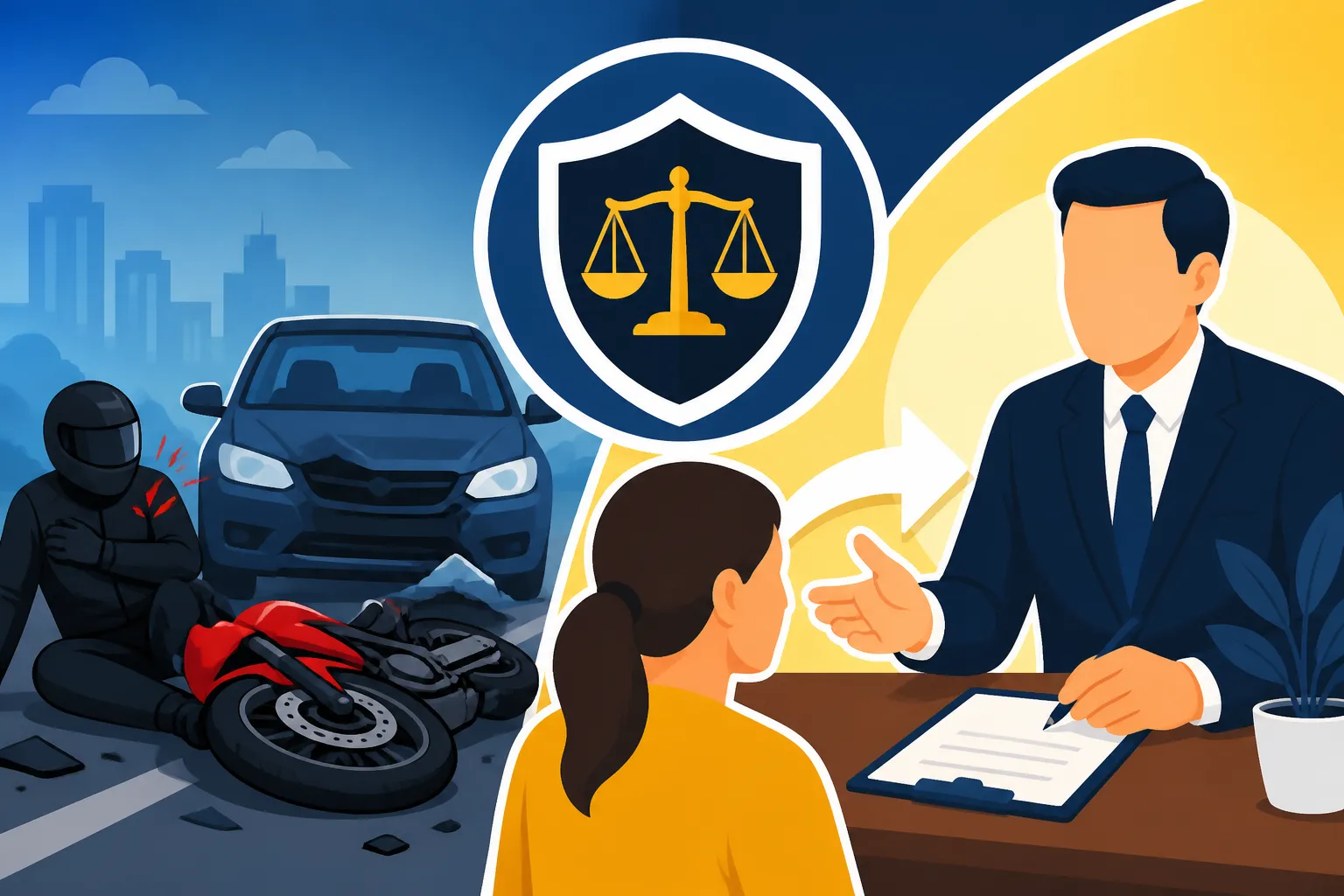
The initial consultation is your chance to interview potential lawyers, get a feel for their approach, and determine if they're the right fit for you. Think of it as a two-way street: they're assessing your case, and you're assessing their suitability to represent you. Most personal injury attorneys offer a free initial consultation, so take advantage of this opportunity to meet with a few different firms. This crucial step is often the first time you might feel a glimmer of hope after your accident.
Preparing for Your First Meeting
To make the most of your consultation, come prepared. Gather all the documents and information you have about your accident. This includes the police report, contact information for any witnesses, photos or videos from the scene, your medical records related to the accident, bills, and any correspondence you've had with insurance companies. Even if you don't have everything perfectly organized, bring what you have. The more information you can provide upfront, the better the attorney can assess your situation and offer relevant advice.
Think about what you want to achieve with this consultation. Do you have specific questions about the legal process, potential compensation, or the timeline of a claim? Write them down. This will help ensure you cover all your concerns and make an informed decision. Remember, this meeting is also your chance to gauge their communication style, responsiveness, and how well they understand the unique circumstances of motorcycle accidents. A good attorney, like those you might find through LegalMatch, will appreciate your preparedness and use the time efficiently to discuss your options thoroughly. Knowing What to Bring to Your First Lawyer Meeting can make a big difference.
What to Expect and How to Assess Fit
During the consultation, the attorney will likely ask you to recount the details of your accident, your injuries, and how the incident has impacted your life. Be honest and thorough. They'll also review your documentation and explain the legal process, including key timelines, potential challenges, and possible outcomes. They should provide a clear assessment of your case's strengths and weaknesses. This is also when they will explain their fee structure and how expenses are handled.
As they explain things, pay attention to how they articulate complex legal concepts. Do they use plain language you can understand, or do they resort to confusing jargon? Do they listen actively to your questions and concerns, or do they seem rushed or dismissive? A good attorney will treat you with respect, empathy, and patience. They should also demonstrate a solid understanding of how insurance companies assign blame to riders and how they plan to counter those arguments.
Trust your gut feeling. Do you feel comfortable with this person? Do they inspire confidence? Are they truly passionate about helping motorcyclists? If you leave the consultation feeling more confused or less confident, it might be a sign to explore other options. The goal is to find an attorney who not only has the legal expertise but also genuinely cares about your recovery and is someone you feel comfortable entrusting with such a critical aspect of your life. This is about more than just legal representation; it's about finding an advocate who will stand by you through thick and thin, fighting for the justice and compensation you deserve. For information on when to move forward, review When to Hire a Motorcycle Accident Lawyer and Signs You Need a Motorcycle Accident Lawyer.
Disclaimer
Please remember that this information is intended for general guidance only and does not constitute legal advice. Every motorcycle accident case is unique, and the laws governing personal injury claims can vary significantly by state and specific circumstances. It is crucial to consult with a qualified personal injury attorney in your jurisdiction to discuss the specifics of your case and receive personalized legal advice.