Questions to Ask a Motorcycle Accident Attorney
Finding yourself in the chaotic aftermath of a motorcycle accident is terrifying and disorienting. Beyond the physical pain and the often daunting process of recovery, you're hit with a barrage of decisions, one of the most critical being who to trust with your legal claim. Choosing the right attorney can feel like searching for a needle in a haystack, especially when you're already overwhelmed. This comprehensive guide is here to cut through that confusion, arming you with the essential questions to ask any prospective motorcycle accident lawyer, ensuring you make an informed choice for your future.
Why Asking the Right Questions Matters Immensely
It’s easy to feel pressured into making a quick decision after an accident. Insurance adjusters might call, medical bills might start piling up, and the thought of simply getting someone to handle it all can be incredibly tempting. However, this isn't the time for haste. The attorney you choose will be your advocate, your guide through a complex legal landscape, and a pivotal factor in the outcome of your case. Rushing this decision or not asking tough questions can lead to significant regrets down the line, potentially impacting your compensation and overall recovery.
The Stakes Are Higher for Riders
Let's be real: motorcycle accidents often result in far more severe injuries compared to car accidents. As riders, we're simply more exposed, leading to injuries like traumatic brain injuries, spinal cord injuries, and extensive road rash. This isn't just about pain; it's about potentially life-altering consequences, long-term medical care, lost income, and a drastically altered quality of life. Because the stakes are so high, you need an attorney who truly understands the unique challenges and biases motorcycle riders face, both on the road and in the courtroom. You need someone who will fight tooth and nail for every penny you deserve, not just settle for an easy win. The complexities involved in proving damages and ensuring full compensation for such serious harm demand a lawyer who is not only skilled but deeply committed to rider advocacy.
Avoiding Common Pitfalls and Bad Hires
Not all personal injury attorneys are created equal, and some might not be the best fit for a motorcycle accident claim. A lawyer who primarily handles fender-benders might lack the specific expertise needed for complex motorcycle cases, which often involve unique legal arguments, engineering assessments, and a keen understanding of rider stereotypes that can influence juries and insurance adjusters. If you don't ask the right questions upfront, you might end up with someone who is unfamiliar with the nuances of motorcycle law, fails to properly investigate the specific causes of motorcycle accidents, or doesn't know how to effectively counter common defenses like the "I didn't see the motorcycle" argument. This can result in a significantly lower settlement or even the dismissal of your case. It's about protecting yourself from an attorney who might be over their head or not fully dedicated to securing your best outcome. You deserve representation that truly understands the unique aspects of being a motorcyclist and how those impact your legal fight.
Experience and Specialization: Digging into Their Background
One of the first things you need to establish is whether the lawyer you're considering has a genuine understanding of motorcycle accident claims, not just personal injury in general. This isn't a generic car accident; it's a motorcycle crash, and that distinction matters profoundly.
How Much Motorcycle Accident Specific Experience Do They Have?
It's one thing to be a personal injury lawyer; it's another to be a motorcycle accident lawyer. When you're sitting down with them, ask them directly: "How many motorcycle accident cases have you personally handled in the last year, or over the course of your career?" Don't be shy about asking for specifics. You want to hear about cases that involved similar injuries to yours, or similar circumstances. For instance, if you were involved in a Left-Turn Motorcycle Accidents Explained, ask if they've handled many of those.
A lawyer who specializes in motorcycle accidents understands the common biases against riders – the assumption that we're all reckless thrill-seekers. They know how to counter the "motorcycle defense" where the blame is unfairly shifted to the rider. They'll also be familiar with specific laws that apply to motorcycles, such as lane splitting laws in California or helmet laws by state. This specialized knowledge is invaluable. An attorney who can speak fluently about the unique physics of a motorcycle crash, the types of catastrophic injuries riders typically sustain, and the specific strategies insurance companies use against motorcyclists is worth their weight in gold. Look for someone who can tell you stories about their past motorcycle cases, detailing the challenges and triumphs, showing a genuine passion for advocating for riders. Some platforms, like LegalMatch, can help you find attorneys who specifically list motorcycle accident law as one of their specialties, giving you a head start in your search for specialized representation.
What is Their Track Record and Success Rate?
While no attorney can guarantee an outcome (and you should be wary of anyone who does), they should be able to discuss their past successes. Ask questions like: "What is your typical success rate for motorcycle accident claims?" or "Can you provide examples of settlements or verdicts you've achieved for clients with similar injuries or circumstances to mine?" Don't just accept vague answers. Ask for specifics, even if they can't disclose client names due to confidentiality. They should be able to describe the types of results they've achieved, whether it was a favorable settlement, a successful jury verdict, or an effective negotiation that maximized their client's recovery.
It's also important to understand how they define success. Is it just getting any settlement, or is it getting the maximum possible settlement that truly reflects the client's losses? A good lawyer will aim for the latter. They should be transparent about cases that went to trial versus those that settled, and why. Their track record isn't just about winning; it's about their ability to effectively value a case, negotiate skillfully, and, if necessary, litigate fiercely. Understanding their track record helps you gauge their effectiveness in securing compensation for things like Pain and Suffering in Motorcycle Settlements and other damages.
Understanding Their Caseload and Capacity
You're not just another file; you're a person recovering from a traumatic event. It's reasonable to wonder if your attorney will have enough time and attention to dedicate to your case. Ask: "What is your current caseload like?" and "How many active motorcycle accident cases are you handling right now?"
This isn't to judge their popularity but to ensure they aren't stretched too thin. A lawyer with an overwhelming caseload might struggle to give your case the detailed attention it deserves, potentially delaying progress or overlooking crucial details. While a busy lawyer can indicate demand and competence, there's a point where efficiency can suffer. A good attorney will have a support team – paralegals, legal assistants, investigators – to help manage the workload, but they should still be personally involved in your case's key decisions and strategy. They should be able to explain how they manage their cases to ensure each client receives dedicated attention, without letting critical deadlines or details slip through the cracks. This insight will give you a sense of how accessible they might be throughout the process, which is critical for your peace of mind.
Case Strategy and Process: What to Expect
Once you're comfortable with their experience, you need to understand how they actually plan to handle your specific case. This involves getting a clear picture of their approach and what the journey ahead might look like.
How Do You Approach Motorcycle Accident Cases?
Every case is unique, but a seasoned motorcycle accident attorney will have a strategic framework they generally follow. Ask them: "What is your initial strategy for my case, given the details I've shared?" They should be able to outline the steps they'll take, starting from the initial investigation to gathering evidence, dealing with insurance companies, and ultimately, seeking compensation. This might involve obtaining the police report, speaking with witnesses, securing medical records, and potentially hiring accident reconstruction experts. For example, they might explain how they plan to gather Motorcycle Accident Evidence for Proving Fault, or how they'll assess the various Types of Damages in a Motorcycle Accident Claim you've sustained.
Listen for a plan that feels thorough and proactive, not generic. They should discuss how they plan to investigate the Common Causes of Motorcycle Accidents and clearly define Who Is at Fault in a Motorcycle Accident. A good attorney will emphasize early action to preserve evidence and establish liability. They should also explain how they anticipate the defense might respond and what their counter-strategies would be. This proactive approach demonstrates a deep understanding of the legal process and a commitment to building the strongest possible case for you from day one.
What is the Typical Timeline for a Case Like Mine?
One of the most frustrating aspects of any legal claim is the waiting. While no one can give you an exact date, a knowledgeable attorney should be able to provide a realistic estimate of the timeline. Ask: "Based on cases similar to mine, what's a realistic timeframe for this process, from start to finish?" They should explain the different stages and how long each typically takes, from investigation and medical treatment to negotiation and potential litigation.
They should also clarify factors that can influence the timeline, such as the severity of your injuries, the complexity of proving fault, the responsiveness of insurance companies, and court backlogs. For instance, a case involving Catastrophic Motorcycle Injuries Explained will almost certainly take longer than one with minor injuries, as it requires extensive documentation of long-term care needs. They should also discuss the importance of waiting until you reach Maximum Medical Improvement (MMI) before seriously considering a settlement. This helps set realistic expectations and allows you to plan your life without false hopes or unnecessary stress. This discussion about the Motorcycle Accident Settlement Process Explained is crucial for your peace of mind.
How Will I Be Kept Informed?
Clear and consistent communication is paramount. You don't want to feel like your case has disappeared into a black hole. Ask: "How will you keep me updated on the progress of my case?" and "What is your preferred method of communication – phone, email, text?"
They should outline a communication plan that makes you feel comfortable and informed. This might include regular scheduled updates, immediate notifications for significant developments (like a settlement offer or a court filing), or a client portal where you can check case status. Find out who your primary point of contact will be – is it the attorney directly, a paralegal, or a case manager? This clarity helps manage expectations regarding accessibility. A good firm understands that you're going through a tough time and values transparent communication. They should demonstrate a commitment to being accessible and responsive to your questions, ensuring you never feel left in the dark about your own case.
Fees and Costs: Getting Clarity on the Financials
The financial aspect of hiring a lawyer can be intimidating, especially when you're already facing medical bills and lost wages. Transparency here is absolutely non-negotiable. Don't be afraid to ask direct questions about how they get paid and what expenses you might incur.
How Do Your Fees Work? The Contingency Fee Model
Most personal injury attorneys, especially those specializing in motorcycle accidents, work on a contingency fee basis. This means they only get paid if you win your case, either through a settlement or a trial verdict. If they don't recover compensation for you, you typically don't owe them attorney fees. Ask specifically: "What percentage do you take from the settlement or verdict?" and "Are there any upfront fees I need to pay?"
The standard contingency fee for personal injury cases often ranges from 33% to 40% of the gross recovery, though this can vary depending on whether the case settles before litigation or goes to trial. It's crucial to get this percentage in writing. Understand that this percentage is typically taken before other case expenses are deducted, but sometimes it's after. Clarify this point: is it 33% of the gross amount, or 33% of the net amount after expenses? A transparent attorney will explain How Contingency Fees Work in clear, unambiguous terms, ensuring you fully grasp how their payment structure impacts your final payout. You want no surprises when it comes to the lawyer's cut.
What Other Costs and Expenses Should I Expect?
Beyond the attorney's fee, there are often various case expenses that accumulate throughout the legal process. These are separate from the attorney's contingency fee and can include things like filing fees, court costs, deposition costs, expert witness fees (which can be substantial, especially for accident reconstructionists or medical specialists), and costs for obtaining medical records and police reports. Ask: "Who is responsible for these case expenses?" and "How are these expenses paid – up front, or reimbursed from the settlement?"
In most contingency fee arrangements, the law firm advances these costs on your behalf and then gets reimbursed from the settlement or verdict before you receive your share. However, it's vital to clarify this. What happens if you lose the case? Are you still responsible for reimbursing these advanced costs? Most reputable firms will only seek reimbursement if they win, but you need to confirm this policy in writing. This conversation helps you understand How Motorcycle Accident Settlements Are Calculated more thoroughly, ensuring you account for all potential deductions. Transparency around these costs is a hallmark of an ethical and client-focused law firm.
Understanding the Net Payout After All Deductions
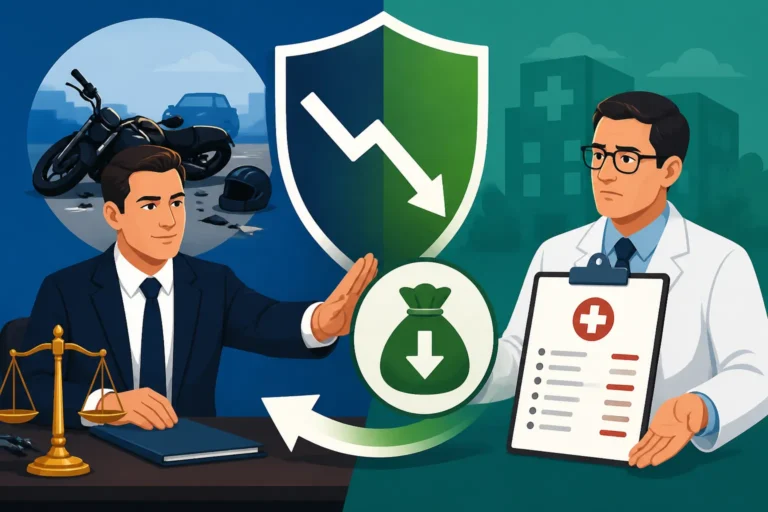
It's easy to get excited by a large gross settlement figure, but what truly matters is the net amount you'll actually put in your pocket. This is perhaps the most important financial question: "Can you provide an estimate of what my net payout might look like, after all fees, costs, and medical liens are paid?" While this can only be an estimate, a good attorney can give you a realistic range based on similar cases they've handled.
They should explain how things like medical liens (repayments to your health insurance for accident-related care) and any outstanding bills will be handled. This helps you understand How Much of a Settlement You Actually Keep and allows you to plan your financial recovery more accurately. A clear breakdown of potential deductions, including attorney fees, case expenses, and medical reimbursements, is crucial. This proactive discussion helps manage expectations and avoids sticker shock when the final distribution statement arrives. It's about ensuring you understand the full financial picture, not just the headline number.
Communication and Client Relationship: Building Trust
Beyond their legal prowess, your attorney will be a crucial partner during an incredibly challenging time. Their ability to communicate clearly, empathetically, and consistently will significantly impact your experience.
Who Will Be My Primary Contact?
When you sign with a firm, it’s not always the lead attorney who handles every single interaction. Sometimes, a paralegal or legal assistant might be your go-to person for day-to-day updates and questions. Ask, "Who will be my main point of contact for routine questions and updates?" and "Will I have direct access to you, the lead attorney, for significant decisions or concerns?"
It’s perfectly fine if a team approach is used, as long as you know who to talk to and when. What's not okay is feeling bounced around or ignored. You want to ensure that if a critical question arises or you simply need to speak with the attorney who is strategizing your case, you won't face insurmountable hurdles. Understanding the firm's structure and your communication chain helps you set realistic expectations about responsiveness and ensures you always know who is responsible for providing you with information about your case. A good firm will have a system in place that balances efficiency with personal attention.
How Often Will We Communicate and Through What Channels?
Communication frequency and methods are critical for peace of mind. Ask: "How often can I expect to receive updates on my case?" and "What methods of communication do you primarily use – phone calls, emails, video conferences, or perhaps a client portal?"
You might prefer a weekly email update, while someone else might prefer a call once a month. Discuss your preferences and see if they align with the firm's standard practice. A reputable attorney will establish clear expectations for communication from the outset. They should explain their commitment to keeping you informed about significant developments, such as receiving an offer or filing a lawsuit. If they use a client portal, ask for a demonstration or explanation of how it works. This upfront conversation about communication helps build trust and ensures that you feel supported and informed throughout the entire legal process. It also lets them know your preferred methods of contact, which is important.
What is Your Policy on Client Updates and Availability?
Life happens, and sometimes you'll have an urgent question or need to discuss a new development. Ask: "What is your policy regarding client availability outside of scheduled updates?" and "How quickly can I expect a response if I have an urgent question?"
While you shouldn't expect your attorney to drop everything for every minor query, there should be a reasonable expectation for responsiveness, especially for urgent matters. A good attorney or their team will acknowledge receipt of your message and provide a timeframe for a more detailed response. It’s about managing expectations and ensuring you don't feel abandoned. They should have a system in place for returning calls and emails within a reasonable time frame, often within one or two business days. This level of transparency about their availability shows respect for your time and your situation, reinforcing your confidence in their ability to manage your case effectively and keep you informed.
Proving Fault and Damages: Their Investigative Approach
Establishing fault and accurately calculating damages are the cornerstones of any successful motorcycle accident claim. You need an attorney who is not only good at legal arguments but also skilled in investigation and evidence collection.
What Evidence Will Be Crucial in My Case?
A strong case hinges on compelling evidence. Ask your potential attorney: "What specific types of evidence do you believe will be most crucial in proving fault and establishing the full extent of my damages in this case?" They should be able to rattle off a list tailored to your situation. This might include police reports, witness statements, photographs and videos from the accident scene, traffic camera footage, black box data from the involved vehicles, and, of course, your medical records.
For motorcycle accidents, it's often critical to show road conditions, visibility, and even the "profile" of your bike to counter arguments that you were hard to see. They should also detail how they plan to document your injuries and recovery, stressing the importance of continuous medical treatment and keeping an How to Document Your Recovery journal. This discussion will give you insight into their strategic thinking and how they plan to build a robust case to demonstrate Proving Fault in a Motorcycle Accident.
How Do You Handle Shared Fault or 'Rider Bias' Arguments?
Unfortunately, a common hurdle in motorcycle accident claims is the pervasive bias against riders, sometimes leading to unfair accusations of shared fault. Insurance companies and defense attorneys often try to argue that the motorcyclist was speeding, lane splitting improperly, or riding recklessly, regardless of the actual circumstances. Ask: "How do you specifically address the 'rider bias' that often comes up in motorcycle accident cases?" and "What strategies do you employ when the other side tries to argue I am partially at fault?"
They should be prepared to discuss how they'll proactively combat these stereotypes and utilize state laws regarding Comparative Negligence in Motorcycle Accidents. They might talk about using accident reconstruction experts, eyewitness testimony, or even showing evidence of your safe riding history to challenge these assumptions. A good lawyer will explain how they plan to investigate factors like blind spots, distracted driving, or failure to yield by the other driver, which are common causes of these crashes. This is a critical area, as even a small percentage of shared fault can significantly reduce your How Comparative Negligence Reduces Your Payout. You want an attorney who is well-versed in countering these unfair tactics and protecting your rights.
What Experts Do You Typically Work With?
Complex motorcycle accident cases often require the testimony of various experts to fully understand the incident and its aftermath. Ask: "What kinds of expert witnesses do you typically retain for motorcycle accident cases, and how do they contribute to building a stronger claim?"
They might mention accident reconstructionists who can scientifically determine how an accident occurred, biomechanical engineers who can explain injury causation, medical experts who can detail the long-term impact of your injuries, and vocational experts who can assess your lost earning capacity. For instance, if you sustained a Motorcycle Accident Traumatic Brain Injuries, they'll likely discuss neuropsychologists or neurologists. These experts cost money, but their testimony can be invaluable in establishing fault, demonstrating the severity of your injuries, and calculating fair compensation. Understanding their network of experts shows their commitment to thoroughly investigating your case and proving the full extent of your damages, beyond what might be immediately apparent.
Settlement vs. Trial: Preparing for All Outcomes
While most personal injury cases settle out of court, it's crucial that your attorney is prepared to go to trial if a fair settlement can't be reached. You want a fighter, not just a negotiator.
What is Your Approach to Settlement Negotiations?
A significant portion of your attorney's work will involve negotiating with insurance companies. Ask: "What is your approach to negotiating settlements with insurance companies in motorcycle accident cases?" and "How do you determine a fair settlement value for a case like mine?"
They should explain their strategy, which typically involves preparing a comprehensive demand letter outlining all your damages – medical bills, lost wages, pain and suffering, property damage, and future expenses. They should also be able to explain how they determine the value of Pain and Suffering Damages Explained and other non-economic damages. A good attorney won't jump at the first offer, especially if it's a "lowball" offer. They'll have a clear understanding of your case's true value and be prepared to hold firm until a reasonable offer is on the table. They should also explain How Insurance Companies Assign Blame to Riders and how they will counter this during negotiations. It's about getting the maximum possible How to Maximize Your Motorcycle Accident Settlement, not just accepting something to get it over with.
What Happens if My Case Goes to Trial?
While most cases settle, some simply have to go to trial to achieve justice. Ask: "What are the steps involved if my case needs to go to trial?" and "Are you personally comfortable trying cases in court?"
A confident attorney will explain the litigation process, including filing a lawsuit, discovery (exchanging information and evidence with the other side), depositions, motions, and ultimately, the trial itself. They should describe their trial preparation process, how they select a jury, present evidence, and make arguments. You want an attorney who doesn't shy away from the courtroom and has the experience to back it up. Even the threat of a trial can sometimes compel insurance companies to offer a more equitable settlement. Knowing that your attorney is fully prepared to go the distance provides significant leverage during negotiations and reassures you that they are truly fighting for your best interests.
Understanding Their Trial Experience
There's a big difference between a lawyer who can go to trial and one who routinely goes to trial and wins. Ask: "How many motorcycle accident cases have you personally taken to trial, and what were the outcomes?" and "Can you describe a challenging trial you handled and how you achieved a favorable result?"
This question probes deeper than just "do you go to trial?" It seeks evidence of their actual courtroom skills and experience. Trial lawyers have a unique set of skills – they're compelling storytellers, expert cross-examiners, and adept at thinking on their feet. If a firm boasts a strong trial record, that's a significant advantage, as it signals to insurance companies that they're serious and won't back down. The decision to settle or go to trial is ultimately yours, but you want to be advised by an attorney who truly understands the pros and cons of both paths, informed by real trial experience.
Logistics and Firm Specifics: Practical Considerations
Beyond the legal strategy and fees, there are practical aspects of working with a law firm that you should clarify. These can impact your convenience and the overall efficiency of your case.
What Geographic Areas Do You Serve?
While many law firms advertise broadly, personal injury claims are often governed by state and local laws. Ask: "In what specific counties or states do you primarily practice motorcycle accident law?" This is especially important if your accident occurred near a state line, or if you reside in a different area from where the accident took place.
Most attorneys focus on specific jurisdictions where they are licensed and familiar with the local court rules, judges, and opposing counsel. While a firm like LegalMatch can help you find attorneys across different regions, you want to ensure the specific lawyer you're speaking with has direct experience in the area relevant to your accident. A lawyer practicing in San Diego, California, for example, will be intimately familiar with California's unique traffic laws, comparative negligence rules, and local court procedures, which could be very different from those in, say, Phoenix, Arizona. Local knowledge can be a significant advantage in navigating the specific legal landscape your case falls within.
What Resources Does Your Firm Bring to My Case?
A strong law firm isn't just one lawyer; it's a team and a network of resources. Ask: "What resources does your firm have that will benefit my case?" This could include in-house investigators, a network of medical specialists who work on liens, access to accident reconstruction software, or extensive legal research databases.
A firm with robust resources can move your case forward more efficiently and effectively. For instance, having investigators who can quickly respond to an accident scene to gather evidence (like preserving footage from nearby businesses or getting witness statements) can be invaluable. Access to medical professionals who understand motorcycle injuries and are willing to work on a lien basis (meaning they get paid from your settlement) can be a lifesaver, especially if you have limited health insurance or high deductibles. These resources often translate into a more thorough investigation, better expert testimony, and ultimately, a stronger claim for compensation.
Are There Any Potential Conflicts of Interest?
It's a rare but important question to ask to ensure your attorney can represent you without any hindrances. Ask: "Have you ever represented the driver who hit me, or the insurance company involved in my case?"
While ethical rules generally prevent attorneys from representing opposing parties, it's good practice to ensure there are no lingering relationships or past representations that could create even an appearance of a conflict. Reputable firms will already have conflict-checking systems in place, but asking directly shows your diligence. This is less about distrust and more about ensuring that your attorney's loyalty is solely and unequivocally with you, the client, throughout the entire legal process. Transparency on this point reinforces the attorney-client relationship built on trust.
TABLE: Essential Questions for Your Motorcycle Accident Attorney
To help you organize your thoughts and ensure you cover all your bases, here's a handy table summarizing the key questions discussed:
| Category | Key Questions to Ask | Why It Matters |
|---|---|---|
| Experience & Specialization | 1. How many motorcycle accident cases have you personally handled, and what are some recent examples? | Ensures they have specialized knowledge of unique rider challenges, biases, and laws (e.g., Lane Splitting and Motorcycle Accident Liability). |
| 2. What is your success rate for motorcycle accident claims, and can you provide examples of favorable outcomes? | Gauges their effectiveness in achieving positive results and securing fair compensation. | |
| 3. What is your current caseload? | Confirms they have sufficient capacity to dedicate time and attention to your specific case. | |
| Case Strategy & Process | 4. What is your initial strategy for my case, and what steps will you take? | Helps you understand their proactive approach to investigation, evidence gathering (e.g., How Dashcam Footage Proves Fault), and claim building. |
| 5. What is a realistic timeline for a case like mine? | Sets realistic expectations for the duration of the legal process and potential resolution. | |
| 6. How will you keep me updated on my case's progress? | Ensures consistent and clear communication, preventing you from feeling uninformed or overlooked. | |
| Fees & Costs | 7. How do your contingency fees work, including the percentage? Are there any upfront fees? | Provides full transparency on their payment structure and ensures you understand how their fees (e.g., What Percentage Do Injury Lawyers Take) will impact your net recovery. |
| 8. What other case expenses should I expect, and who pays for them? What if we lose? | Clarifies all potential costs beyond attorney fees and defines financial responsibilities, especially important for understanding your How Much of a Settlement You Actually Keep. | |
| 9. Can you estimate my net payout after all deductions (fees, costs, liens)? | Gives a realistic financial projection, helping you understand the true value of your potential settlement. | |
| Communication & Trust | 10. Who will be my primary contact, and how accessible will you (the lead attorney) be for major decisions? | Establishes clear communication channels and ensures you have direct access to the decision-maker when needed. |
| 11. What is your policy on client updates and responsiveness to urgent questions? | Guarantees you'll receive timely information and ensures your concerns are addressed promptly. | |
| Proving Fault & Damages | 12. What specific evidence will be crucial in my case, and how will you collect it? | Shows their strategic understanding of evidence (e.g., Motorcycle Accident Evidence for Proving Fault) needed to build a strong claim. |
| 13. How do you counter "rider bias" or arguments of shared fault? | Reveals their expertise in defending against common tactics used to unfairly blame motorcyclists (e.g., How Insurers Use Rider Stereotypes Against You). | |
| 14. What types of expert witnesses do you typically work with for motorcycle accident cases? | Demonstrates their commitment to thoroughly investigating complex aspects of your case, from accident reconstruction to medical prognosis for Common Motorcycle Accident Injuries. | |
| Settlement vs. Trial | 15. What is your approach to settlement negotiations, and how do you value a case like mine (e.g., Average Motorcycle Accident Settlement Amounts)? | Explains their strategy for securing maximum compensation without rushing to accept low offers. |
| 16. What happens if my case goes to trial, and how much trial experience do you have? | Confirms their capability and willingness to litigate if a fair settlement cannot be reached, providing leverage in negotiations. | |
| Logistics & Firm Specifics | 17. What geographic areas do you primarily serve? | Ensures they are familiar with the specific laws, courts, and procedures relevant to where your accident occurred. You can use services like LegalMatch to find local counsel. |
| 18. What resources does your firm have that will benefit my case (e.g., investigators, medical network)? | Shows their capacity to support a thorough and effective case, from initial investigation to securing expert testimony and medical care. | |
| 19. Have you ever represented the opposing party (driver or insurance company)? | Confirms there are no conflicts of interest, ensuring their loyalty is exclusively to you. |
Choosing a motorcycle accident attorney is one of the most significant decisions you'll make after a crash. Don't let the stress or confusion push you into a quick, uninformed choice. By taking the time to ask these detailed questions, you empower yourself to select an advocate who is not only legally competent but also deeply committed to understanding your unique situation as a rider. This diligent approach will provide you with the confidence and peace of mind you need to focus on your recovery, knowing your legal future is in capable hands.
Disclaimer
Please remember that this article provides general information and is not legal advice. Every motorcycle accident claim is unique, and the information provided here should not be taken as a substitute for consulting with a qualified attorney in your specific jurisdiction. Laws vary by state, and a personalized legal consultation is always recommended.