How to Choose a Motorcycle Accident Attorney
After a motorcycle accident, it often feels like your world has been turned upside down. You're likely dealing with painful injuries, mounting medical bills, and a damaged bike, all while trying to navigate the confusing aftermath. The last thing you want to worry about is finding the right legal representation, but it's a critical step that can make or break your ability to recover. This comprehensive guide is here to walk you through the essential steps and considerations for choosing a motorcycle accident attorney who truly understands your unique situation and can fight for the compensation you deserve.
Why You Absolutely Need a Specialized Motorcycle Accident Attorney
Many people think any personal injury lawyer will do after an accident, but when you're on a motorcycle, the stakes are different, and the nuances are incredibly specific. Motorcycles are unfortunately subjected to negative stereotypes, and the legal landscape can be complex. You need an attorney who doesn't just understand personal injury law, but who lives and breathes motorcycle culture and the distinct challenges riders face.
Understanding Rider Bias and Stereotypes
It's an unfortunate truth that motorcycle riders often face unfair biases from juries, insurance adjusters, and even law enforcement. There's a persistent stereotype that riders are reckless thrill-seekers, inherently putting themselves in danger. This "rider bias" can be incredibly damaging to your case, regardless of whether you were driving safely and legally. Insurance companies, especially, are notorious for trying to exploit these stereotypes to assign partial blame to the rider, even when the other driver was clearly at fault.
For example, imagine you were riding responsibly, well within the speed limit on a bright sunny day, when a car suddenly pulled out in front of you, violating your right-of-way. In a car accident, the fault might be clear. But in a motorcycle crash, an insurance adjuster might try to argue that you "should have been more visible" or "could have reacted faster," attempting to shift blame. A dedicated motorcycle accident attorney knows how to preemptively combat these unfair narratives. They understand the "I Didn't See the Motorcycle" Defense Explained and are prepared to gather evidence, such as visibility studies, witness testimonies, and accident reconstruction, to prove the other driver's negligence and to demonstrate your responsible riding habits. This experience is invaluable because it directly counters the preconceptions that can drastically reduce your potential settlement.
Navigating Complex Motorcycle Accident Laws
Motorcycle accidents involve a unique blend of traffic laws, personal injury statutes, and specific regulations that don't always apply to other vehicle crashes. Each state, for example, has its own rules regarding lane splitting, helmet laws, and comparative negligence. An attorney specializing in motorcycle accidents will be intimately familiar with these laws in your specific jurisdiction and know how they apply to your case.
Consider the intricacies of something like Lane Splitting and Motorcycle Accident Liability. While legal in some states like California, it's prohibited in many others. If you're involved in a crash while lane splitting where it's legal, an inexperienced lawyer might not know how to argue that your legal action was not negligent. Conversely, if you were in a state where lane splitting is illegal, a specialized attorney can advise you on how that might impact your claim and what defenses or arguments can still be made to protect your right to compensation for the other driver's fault. They can also explain how specific state laws, such as Motorcycle Accident Fault Laws in California or Motorcycle Accident Fault Laws in Texas, might influence the determination of fault and your ability to recover damages. These legal experts are also well-versed in understanding concepts like Comparative Negligence in Motorcycle Accidents and how shared fault might reduce, but not eliminate, your compensation.
The Sheer Scale of Your Injuries and Damages
Motorcyclists, due to their lack of external protection, often suffer far more severe injuries than occupants of cars or trucks, even in seemingly minor collisions. From road rash and broken bones to traumatic brain injuries and spinal cord damage, the medical costs can be astronomical, and the long-term impact on your life profound. An attorney specializing in motorcycle accidents understands the full scope of these injuries and how to accurately value the true cost of your physical, emotional, and financial suffering.
For instance, Common Motorcycle Accident Injuries include severe road rash that might require multiple skin grafts and extensive rehabilitation. While a general personal injury lawyer might see "scrapes," a motorcycle accident attorney understands the immense pain, risk of infection, scarring, and long-term psychological impact associated with these types of injuries. They know how to account for not just your current medical bills and lost wages, but also future medical expenses, ongoing therapy, lost earning capacity, and significant pain and suffering. They can fight to ensure that all these damages, from the tangible to the intangible, are fully recognized and compensated, something vital for your long-term recovery and financial stability. Without this specialized understanding, you risk settling for far less than your case is truly worth.
Key Qualities to Look for in a Motorcycle Accident Lawyer
Finding the right legal advocate is paramount. You need someone who is not only a skilled legal professional but also someone who genuinely understands the world of motorcycling and the unique challenges you face as a rider.
Experience with Motorcycle-Specific Cases
This is perhaps the most critical quality. A general personal injury lawyer might have handled car accidents for years, but motorcycle accidents present distinct challenges that require specialized knowledge. You need a lawyer who has a proven track record of successfully litigating and settling motorcycle accident cases.
Why does this matter so much? A lawyer who regularly handles motorcycle accident claims will understand the common accident scenarios, such as Left-Turn Motorcycle Accidents Explained or Motorcycle Accidents Caused by Road Hazards. They'll know precisely what evidence to collect – from skid marks and road conditions to traffic camera footage and eyewitness statements – to establish fault. They'll also be intimately familiar with the types of serious injuries common in motorcycle crashes, like Motorcycle Accident Traumatic Brain Injuriesor spinal cord injuries, and understand how to properly value these complex damages, including future medical care and loss of earning capacity. They won't be surprised by the "helmet defense" often used by insurance companies to try and reduce payouts, and they'll know how to counter arguments about How Not Wearing a Helmet Affects Your Settlement. This specific experience means they can anticipate the insurance company's tactics and build a stronger case for you from the start.
Strong Litigation and Negotiation Skills
While many motorcycle accident cases settle out of court, you want an attorney who is not afraid to go to trial if necessary. Insurance companies often offer lower settlements if they know the attorney on the other side is reluctant to face a jury. Therefore, your chosen lawyer must possess excellent negotiation skills to secure a fair settlement and strong litigation skills to represent you effectively in court if a settlement can't be reached.
Think of it this way: the negotiation process is a high-stakes chess match. An attorney with strong negotiation skills knows when to push, when to hold, and when to compromise. They can effectively articulate the full extent of your damages, presenting a compelling case that pressures the insurance company to offer a reasonable sum. However, if negotiations stall, you need a lawyer who can confidently pivot to litigation. This means they are skilled at presenting evidence, cross-examining witnesses, and arguing before a judge and jury. Their reputation as a capable trial lawyer can often be leverage in itself, signaling to the insurance company that you mean business. Ask potential attorneys about their trial experience and their success rate in the courtroom. Knowing your lawyer is prepared to go the distance can make all the difference in achieving a just outcome.
A Proven Track Record of Success
Don't just take a lawyer's word for it; look for concrete evidence of their success. This means examining their past results, client testimonials, and professional reputation. While every case is unique and past results don't guarantee future outcomes, a consistent history of favorable verdicts and settlements in motorcycle accident cases is a strong indicator of competence.
When you're researching potential attorneys, look for information that highlights their success in similar cases to yours. Have they secured significant settlements for riders with comparable injuries? Do they have a reputation for fighting tirelessly for their clients? Websites and directories like LegalMatch can be good starting points, allowing you to search for attorneys in your area and review their profiles, case results, and client feedback. Pay attention to how often they handle cases like yours and their general approach to client communication and support. A lawyer who consistently achieves good results likely does so because they are thorough, strategic, and genuinely committed to their clients' well-being. This track record instills confidence that they can navigate the complexities of your claim and work towards the best possible outcome for you.
The Attorney's Approach to Your Case
Beyond their qualifications, how an attorney plans to handle your specific case and their commitment to client communication are vital indicators of their suitability. You want someone who will be proactive, transparent, and supportive throughout what can be a very challenging time.
Comprehensive Case Investigation
A truly effective motorcycle accident attorney will leave no stone unturned in investigating your accident. This isn't just about reviewing the police report; it's about building a robust case from the ground up, identifying all potential sources of evidence and thoroughly analyzing every detail.
A comprehensive investigation goes far beyond what you might imagine. This includes visiting the accident scene, interviewing witnesses (and locating those the police might have missed), obtaining traffic camera footage or nearby surveillance video, and working with accident reconstruction experts when necessary. They will meticulously examine vehicle damage, review medical records, and gather evidence of lost wages and other economic damages. For instance, in a complex collision, an expert might analyze tire marks, vehicle resting positions, and impact damage to definitively prove How Fault Is Determined in Motorcycle Accidents, especially in disputes where the other driver claims you were at fault. They will also look into potential third-party liability, such as a municipality responsible for Government Liability for Road Hazards if a pothole contributed to your crash, or a manufacturer if Manufacturer Liability for Defective Parts played a role. This exhaustive approach ensures that every piece of evidence is gathered to support your claim and counter any attempts by the insurance company to minimize their responsibility.
Communication and Client Care
One of the biggest frustrations clients often report with legal representation is a lack of communication. A good motorcycle accident attorney understands that you are going through a difficult time and will prioritize keeping you informed, answering your questions, and explaining complex legal processes in an understandable way.
During your initial consultation, pay close attention to how the attorney communicates. Do they listen attentively to your story? Do they explain things clearly, without excessive legal jargon? Do they seem empathetic to your situation? A great attorney will set clear expectations for communication from the outset. They should explain how often you can expect updates, what methods of communication they prefer (phone, email, client portal), and who your primary point of contact will be. For example, will you primarily communicate with the lead attorney, a paralegal, or a case manager? Knowing that you'll have consistent, clear communication can significantly reduce stress and anxiety during your claim process. They should also be patient and willing to discuss concerns about your medical treatment, recovery process, and financial stability, ensuring you feel supported every step of the way, from the initial shock of the accident to the final Motorcycle Accident Settlement Process Explained.
Fee Structures and Transparency
Understanding how your attorney will be paid is absolutely crucial. Most personal injury attorneys, especially those specializing in motorcycle accidents, work on a contingency fee basis. This means they only get paid if you win your case, and their fee is a percentage of your final settlement or award. However, the exact percentage and how case expenses are handled can vary.
During your consultation, ask for a detailed explanation of their fee structure. Confirm that they work on a contingency basis and what percentage they charge (typically 25-40%, but this can vary by state and the stage of the case). More importantly, clarify how case expenses are handled. These are costs like filing fees, expert witness fees, deposition costs, and investigation expenses. Will these be paid upfront by you, advanced by the law firm and reimbursed from the settlement, or are they included within the contingency fee? Some firms may deduct these expenses before calculating their percentage, while others deduct them after, which can significantly impact your net payout. A transparent attorney will provide a clear written agreement detailing all fees and costs, preventing any unpleasant surprises down the road. For a deeper dive, read our guide on How Contingency Fees Work and How Much Does a Motorcycle Accident Lawyer Cost to be fully informed.
Where to Begin Your Search for the Right Attorney
The task of finding a qualified motorcycle accident attorney might feel daunting, especially when you're recovering from injuries. However, there are several reliable avenues you can explore to start your search effectively.
Personal Referrals and Recommendations
Word-of-mouth recommendations can be incredibly valuable. If you know fellow riders, friends, or family members who have been involved in a motorcycle accident and had a positive experience with an attorney, ask them for their insights. A personal referral often comes with a level of trust and firsthand knowledge that online searches can't immediately provide.
Think about tapping into your local riding community. Motorcycle clubs, dealerships, or even local biker-friendly businesses might have recommendations for attorneys known to be advocates for riders. These are often lawyers who understand the unique culture and challenges, which can be a huge asset. While a personal referral is a great starting point, always remember to do your own due diligence. What worked for one person's case might not be the perfect fit for yours, so use their experience as a springboard for your own research and interviews. Ask them not just if the attorney was effective, but also about their communication style, responsiveness, and overall client care.
Online Resources and Directories
In today's digital age, online resources are a powerful tool for finding legal representation. Legal directories and online search engines can help you identify qualified motorcycle accident attorneys in your area.
Websites like LegalMatch, Avvo, FindLaw, and state bar association directories allow you to search for attorneys based on their specialization, location, and client reviews. When using these platforms, pay attention to specific keywords like "motorcycle accident," "personal injury," and "motor vehicle accidents." Look for attorneys whose profiles highlight extensive experience with motorcycle cases, not just general car accidents. Read client testimonials to get a sense of their communication style, professionalism, and success rates. These platforms can also provide information about an attorney's education, practice areas, and even awards or recognitions they've received. While online reviews are helpful, always consider them as part of a broader research strategy; they should complement, not replace, direct communication and personal interviews.
Initial Consultations and Vetting Process
Once you've identified a few potential motorcycle accident attorneys, the next crucial step is to schedule initial consultations. Most personal injury attorneys offer a free, no-obligation consultation, which is your opportunity to interview them and assess if they are the right fit for your case.
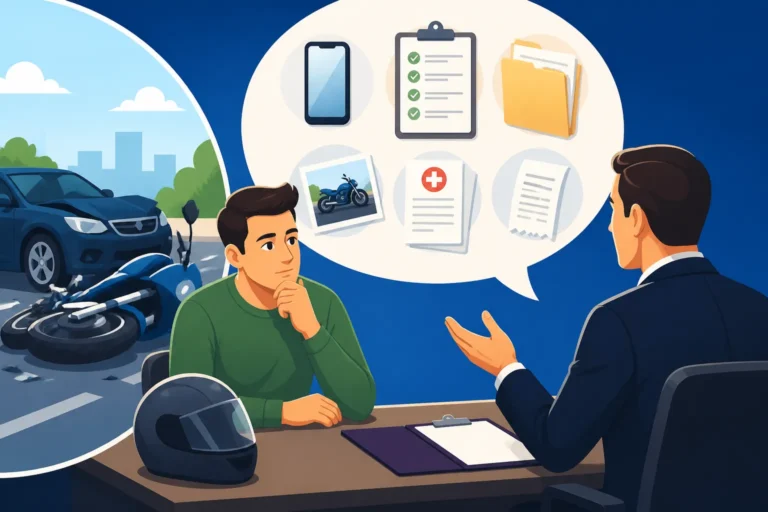
During these consultations, come prepared with a list of questions and any documents you have, such as the police report, medical records, and insurance information. Don't be shy about asking about their specific experience with cases like yours, their success rates, their proposed strategy for your claim, and their fee structure. Pay attention to how they answer your questions, their demeanor, and whether you feel comfortable and confident talking to them. This is a two-way street; you are interviewing them as much as they are evaluating your case. A good attorney will explain the legal process clearly, discuss potential challenges, and give you an honest assessment of your claim's strengths and weaknesses. It's during this vetting process that you'll determine if their expertise, communication style, and overall approach align with your needs. You can gain insights into what to expect by reviewing resources such as What to Bring to Your First Lawyer Meeting.
Questions to Ask During Your Consultation
Your initial consultation with a potential motorcycle accident attorney is a crucial opportunity to gather information and assess their suitability. Don't be afraid to ask direct and detailed questions. This is your chance to ensure you're making an informed decision about who will represent your best interests.
Experience and Specialization
It's not enough for an attorney to simply say they handle personal injury cases. You need to drill down into their specific experience with motorcycle accidents.
Ask pointed questions like: "How many motorcycle accident cases have you handled in the past year?" or "What percentage of your practice is dedicated to motorcycle injury claims?" This helps you gauge their actual specialization. Inquire about their experience with specific types of motorcycle crashes, such as Motorcycle Accidents Caused by Left-Turn Collisions or incidents involving specific types of injuries like road rash or traumatic brain injuries. You want to hear about cases similar to yours where they achieved favorable outcomes. Also, ask about their experience dealing with specific insurance carriers – some attorneys have more experience with certain companies like Progressive or GEICO than others, which can be an advantage. Their answers should demonstrate not just legal knowledge, but a deep understanding of the unique dynamics and prejudices associated with motorcycle claims.
Case Strategy and Expectations
Understanding how an attorney plans to approach your case and what outcomes you can realistically expect is vital for setting proper expectations and building trust.
Ask them to explain their initial strategy for your case. For instance, "What are the first steps you'll take in investigating my motorcycle accident?" or "What challenges do you foresee in my specific case, and how would you address them?" A good attorney will provide a clear roadmap of the legal process, from investigation and evidence gathering (like Motorcycle Accident Evidence for Proving Fault) to negotiation and potential litigation. Inquire about their estimated timeline for your case; while no attorney can guarantee an exact timeframe, they should be able to give you a realistic range based on similar cases they've handled. Discussing How Long Does a Motorcycle Settlement Take can help manage your expectations. Also, ask about their negotiation philosophy and whether they are willing to go to trial if a fair settlement cannot be reached. Their willingness and experience in trial matters significantly when dealing with stubborn insurance companies.
Fees and Costs Explained
Financial transparency is non-negotiable. You need a complete and clear understanding of all potential costs associated with your legal representation.
Beyond confirming their contingency fee percentage, delve into the specifics of case expenses. Ask, "How are case expenses handled? Are they deducted before or after the contingency fee is calculated, and what types of expenses should I anticipate?" Clarify what constitutes an "expense" versus a "fee" in their practice. Some firms might have administrative fees, while others roll them into the contingency. It's also wise to ask if they front the costs of litigation or if you'll be responsible for those upfront. Finally, ask about potential hidden costs or charges that might arise. A reputable attorney will be upfront about all these details and provide a written retainer agreement that clearly outlines everything. This ensures there are no surprises about How Attorney Fees Affect Your Net Payout or the overall cost of pursuing your claim.
Red Flags to Watch Out For
While you're diligently searching for the best motorcycle accident attorney, it's just as important to be aware of certain red flags that signal you might be dealing with someone less than ideal. Trust your instincts; if something feels off, it probably is.
Promises of Guaranteed Outcomes
No ethical attorney can or should guarantee a specific outcome for your motorcycle accident case. The legal process is inherently unpredictable, influenced by numerous factors including court rulings, jury decisions, witness availability, and the specifics of evidence. Be extremely wary of any lawyer who makes bold promises about the amount of money you will receive or guarantees a quick resolution.
For instance, if an attorney tells you, "We guarantee you'll get a $100,000 settlement," or "We'll have this wrapped up in three months, no problem," these are major red flags. Experienced attorneys understand the variables involved, such as the severity of your injuries, the other driver's insurance policy limits, and the complexity of proving fault (especially in cases where Shared Fault in Motorcycle Accidents might be a factor). They can offer an estimate based on their experience with similar cases, and discuss the average motorcycle accident settlement amounts but never a guarantee. An honest lawyer will manage your expectations, explaining the best-case and worst-case scenarios and focusing on the diligent work required to maximize your chances of a favorable outcome, not on unrealistic promises.
Lack of Communication or Transparency
Effective communication is the cornerstone of a successful attorney-client relationship. If a potential lawyer is difficult to reach, fails to return calls promptly, or provides vague answers during your initial consultation, these are warning signs. Similarly, a lack of transparency regarding their fees, their process, or even their experience should give you pause.
During your first meeting, if the attorney avoids discussing How Motorcycle Accident Lawyers Get Paid clearly, or if they seem annoyed by your questions about their approach to your claim, this indicates a potential issue. You should feel comfortable asking questions and expect clear, understandable answers. If they speak in overly complicated legal jargon without explaining it, or if they don't seem interested in thoroughly understanding the details of your accident and injuries, they might not be the right fit. Remember, you'll be entrusting them with a significant part of your life during a stressful period. A lack of transparent communication from the outset often signals a difficult and frustrating experience down the road.
High-Pressure Sales Tactics
A reputable attorney understands that choosing legal representation is a significant decision that requires careful consideration. If an attorney or their staff employs high-pressure sales tactics, urging you to sign a contract immediately or disparaging other law firms, it's a clear red flag. You should never feel rushed or coerced into making a decision.
Be cautious if a law firm pressures you with statements like, "If you don't sign today, we can't take your case," or "Our offer is only good for a limited time." While some deadlines, like The Statute of Limitations Explained for filing a claim, are real, the decision to hire an attorney should be made on your terms, after you've had time to think and compare options. A professional attorney will provide you with the information you need, answer your questions, and allow you the space to make an informed choice. Firms that resort to aggressive sales techniques often prioritize their own interests over yours, which is the exact opposite of what you need in an advocate after a serious motorcycle accident.
Making Your Final Decision
After you've done your research, conducted consultations, and weighed your options, it's time to make that all-important decision. This choice is deeply personal and should reflect both professional competence and a good personal fit.
Trust Your Gut Feeling
Beyond all the qualifications, experience, and fee structures, your gut feeling about an attorney matters immensely. You're entering into a long-term relationship with this person (or team), often during one of the most stressful times of your life. You need to feel comfortable, respected, and confident in their ability to advocate for you.
Did the attorney listen intently to your story without interruption? Did they show genuine empathy for your injuries and the impact the accident has had on your life? Did you feel a sense of trust when speaking with them? If you had to choose between two highly qualified attorneys, and one just felt like a better fit – more understanding, more aligned with your communication style – that feeling should play a significant role in your decision. Your attorney will be privy to sensitive details about your health and finances, so a strong sense of trust and rapport is crucial for an effective working relationship.
Reviewing the Retainer Agreement
Before you sign anything, carefully read and understand every word of the retainer agreement. This document is your contract with the attorney and outlines the terms of your representation, including fees, costs, and responsibilities.
Don't hesitate to ask for clarification on any section you don't understand. A good attorney will walk you through the document line by line if necessary. Pay particular attention to the contingency fee percentage, how case expenses will be handled (e.g., whether they are deducted before or after the fee, and what types of expenses are covered), and what happens if you decide to terminate the agreement. Confirm that the agreement specifies that the attorney specializes in motorcycle accident claims and outlines their obligations to you. This is your opportunity to ensure that what was discussed during your consultation is accurately reflected in the written contract, protecting you from future misunderstandings.
The Importance of a Written Agreement
Always, always insist on a written retainer agreement. Never proceed with legal representation based solely on verbal promises or handshake deals, no matter how trustworthy the attorney seems. A written agreement provides clarity and legal protection for both you and the law firm.
A detailed written contract ensures that all terms, including the scope of representation, the fee structure, the handling of costs, and the responsibilities of both parties, are explicitly documented. This prevents disputes down the line and serves as a reference point if any questions arise during your case. For instance, if there's ever a question about How Comparative Negligence Reduces Your Payout or How Insurance Policy Limits Affect Your Payout in relation to attorney fees, the written agreement will provide the definitive answer. A reputable attorney will always provide a written agreement as standard practice, ensuring transparency and professionalism.
What to Do After Hiring Your Attorney
Congratulations, you've made a crucial decision! Hiring the right motorcycle accident attorney is a huge step toward protecting your rights and securing your future. But your role doesn't end there. There are important actions you need to take to support your attorney and strengthen your case.
Gathering and Organizing Documentation
Your attorney will need a mountain of information to build a strong case, and the more organized you are in providing it, the more efficiently they can work. Think of yourself as a crucial member of the legal team, providing essential intel.
Start by meticulously gathering all relevant documents. This includes police reports, contact information for any witnesses, photographs or videos you took at the accident scene, medical records related to your injuries, medical bills, prescription receipts, and any documentation of lost wages from your employer. If you had protective gear, keep the damaged helmet, jacket, or boots – they can serve as powerful evidence of the impact's severity and How Gear Damage Supports Your Claim. Create a detailed timeline of events from the accident date, including doctor visits, therapy sessions, and any pain or limitations you experience daily. Keep a dedicated folder or digital file for all these items. The more comprehensive and organized your documentation, the more compelling your case will be, especially when proving the extent of your Economic vs Non-Economic Damages Explained.
Maintaining Open Communication
Just as you expect open communication from your attorney, they will expect it from you. Your lawyer needs to be kept in the loop about every development related to your accident and recovery.
This means immediately informing them of any new medical appointments, changes in your health condition, new medical bills, or any communication you receive from insurance companies or the at-fault driver. Even seemingly minor details can be important. If an insurance adjuster tries to contact you directly, politely redirect them to your attorney – remember, How Lawyers Deal with Insurance Companies is their specialty. Don't post about your accident or injuries on social media, and certainly don't discuss details of your case with anyone other than your legal team. Maintaining honest and consistent communication ensures your attorney has the most up-to-date information to negotiate effectively on your behalf and avoid any missteps that could harm your claim.
Focusing on Your Recovery
Ultimately, your primary job after a motorcycle accident is to focus on your physical and emotional recovery. By entrusting the legal complexities to a qualified attorney, you free yourself to heal.
Follow all your doctors' recommendations, attend all therapy sessions, and don't skip appointments. Gaps in medical treatment can be used by insurance companies to argue that your injuries aren't as severe as you claim. Prioritize your well-being. This might involve physical therapy, counseling for PTSD After a Motorcycle Accident, or simply resting and avoiding strenuous activities. Your attorney is there to handle the legal battles, allowing you to dedicate your energy to getting better. A dedicated focus on your recovery not only benefits your health but also reinforces the legitimacy and severity of your injuries, which is crucial for maximizing your Motorcycle Accident Settlement vs Trial or negotiating a fair settlement.
Disclaimer
The information provided in this guide is intended for general informational purposes only and does not constitute legal advice. Motorcycle accident laws vary significantly by state and jurisdiction. It is crucial to consult with a qualified and specialized motorcycle accident attorney in your area to discuss your specific situation and receive personalized legal counsel. Relying solely on the information presented here without professional legal advice is not recommended.