Motorcycle Accident Fault Laws in Ohio
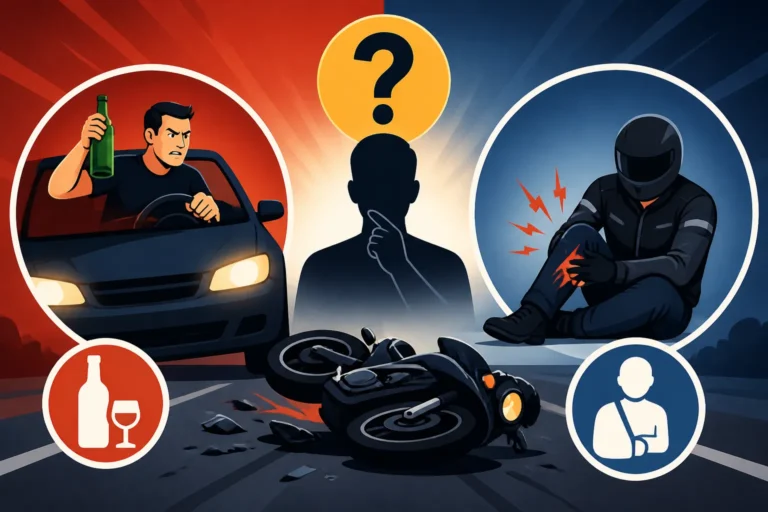
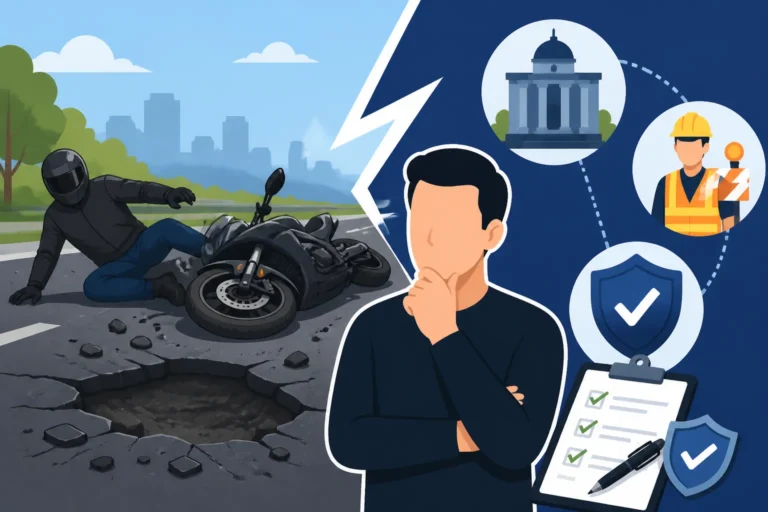
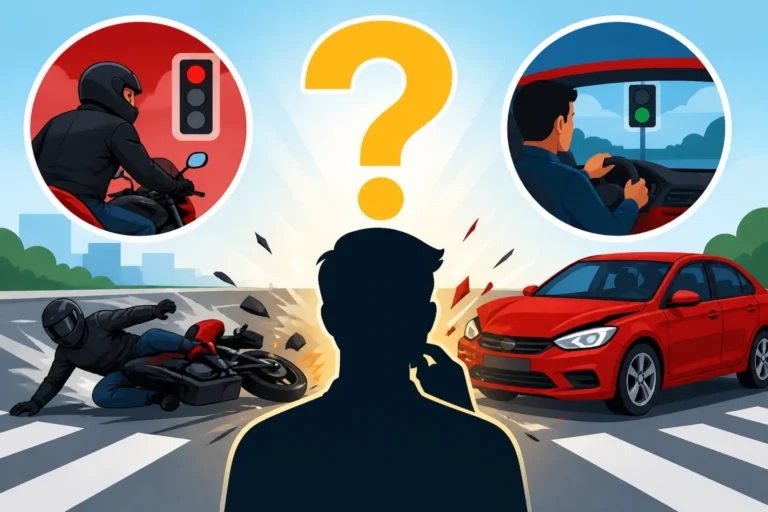
Getting into a motorcycle accident is a terrifying experience, and one of the most frustrating parts afterward is often dealing with the question of who was at fault. It feels like a blame game, especially when you're already trying to recover from injuries and deal with a damaged bike. In Ohio, figuring out how fault is assigned can be particularly confusing because our state has specific rules that directly impact your ability to get compensation. This guide will break down Ohio's motorcycle accident fault laws, helping you understand how they work and what you can do to protect yourself and your claim.
Understanding Ohio's Comparative Negligence System
When it comes to motor vehicle accidents, Ohio operates under a "modified comparative negligence" system. This isn't just a fancy legal term; it's a critical concept that dictates whether you can recover damages and, if so, how much. It means that even if you bear some responsibility for the crash, you might still be able to receive compensation from the other party, provided your share of the blame doesn't cross a certain threshold. It's a system designed to be fairer than older "contributory negligence" laws, which would completely bar you from recovery if you were even 1% at fault. However, it still requires a clear understanding of the rules to navigate successfully.
The 51% Rule: How It Works in Ohio
The cornerstone of Ohio's comparative negligence system is what's often referred to as the "51% rule." This rule states that you can recover damages for your injuries and losses as long as you are found to be 50% or less at fault for the motorcycle accident. If your assigned fault percentage crosses that 50% line and hits 51% or higher, you are unfortunately barred from recovering any compensation from the other driver. It’s a hard cutoff, and it's where many riders find themselves in a tough spot if they aren't careful about how their case is presented.
Imagine you're riding your motorcycle through downtown Columbus, and a distracted driver suddenly pulls out from a side street without looking. Let's say the investigation determines that the driver was 75% at fault for failing to yield, but you were going slightly over the speed limit, making you 25% at fault. Under Ohio's 51% rule, you would still be eligible to recover damages because your fault is below the 51% threshold. Your total compensation would simply be reduced by your 25% share of fault. Now, let's flip that. If the same scenario played out, but the evidence showed you were speeding excessively and that contributed significantly to the impact, perhaps making you 55% at fault, then you would receive nothing, regardless of how negligent the other driver was. This critical distinction is why determining fault precisely is such a high-stakes game.
How Fault Affects Your Compensation
Once your percentage of fault is determined – whether through negotiation with insurance companies or, if necessary, by a jury – it directly impacts the amount of compensation you can receive. It's not an all-or-nothing situation, as long as you stay within that 50% fault limit. Your total damages, which include things like medical bills, lost wages, property damage, and pain and suffering, are calculated first. Then, that total is reduced by your assigned percentage of fault. This reduction applies across the board, affecting every aspect of your claim.
For instance, consider a situation where you suffered a broken leg and extensive road rash after being cut off by a car on I-71 near Cincinnati. Let's say your total damages, including medical treatment, therapy, lost income from being off work, and compensation for your pain and suffering, come out to $100,000. If an investigation, potentially supported by expert testimony or a careful analysis of the police report, determines you were 20% at fault for, say, not reacting quickly enough, your $100,000 settlement would be reduced by 20%. This means you would ultimately receive $80,000. While still a significant amount, that 20% reduction represents a substantial hit. This is why when you're dealing with the aftermath of a crash, it's not just about proving the other driver's fault, but also minimizing any potential blame that could be unfairly assigned to you. For more insights on how these calculations work, you might want to read about How Comparative Negligence Reduces Your Payout.
Common Scenarios and Fault Determination in Ohio
Motorcycle accidents often occur under specific circumstances, and Ohio law applies fault differently depending on these situations. While every case is unique, understanding the typical scenarios can help you grasp how fault might be assigned and what challenges you might face. It’s crucial to remember that general driving laws apply, but the inherent vulnerability of motorcycles often plays a role in how insurance adjusters and juries perceive a collision.
Driver Negligence Often Takes Center Stage
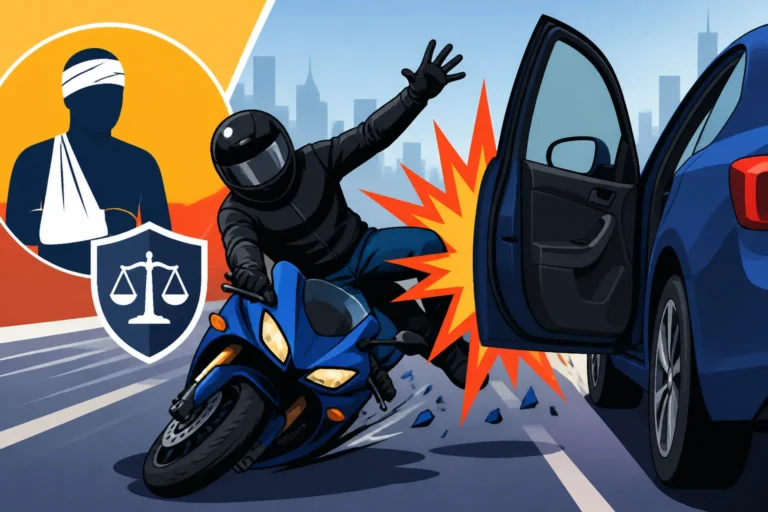
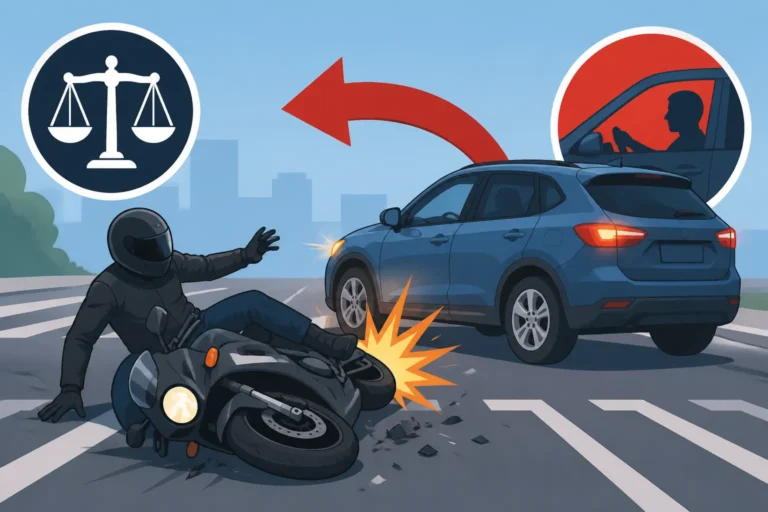
In a heartbreaking number of motorcycle accidents, the actions of the other driver are the primary cause. One of the most common and dangerous scenarios is a Left-Turn Motorcycle Accidents Explained. Here in Ohio, like many places, drivers often fail to see an approaching motorcycle when turning left, directly violating a rider's right-of-way. They might misjudge speed, distance, or simply not be looking for a smaller vehicle. Similarly, "failure to yield" is a frequent culprit, whether at intersections, stop signs, or when merging. Drivers who are distracted by their phones, talking to passengers, or simply not paying attention can easily cause a devastating crash. These actions — or inactions — often place the lion's share of fault squarely on the car driver.
Insurance companies, however, are notorious for trying to shift blame, often invoking the infamous "I didn't see the motorcycle" defense. While this might be true in the driver's mind, it doesn't absolve them of their duty to operate their vehicle safely and be aware of their surroundings. Ohio law still requires drivers to exercise reasonable care and be vigilant, regardless of whether they "saw" the motorcycle. An experienced attorney can often dismantle this defense by demonstrating the driver's clear negligence, showing they should have seen you if they had been driving responsibly. This is particularly important in busy Ohio cities like Cleveland, Akron, or Toledo, where traffic density increases the risk of these types of collisions.
When a Rider May Share Some Responsibility
While it’s easy to focus on the other driver’s mistakes, it's a harsh reality that sometimes, a motorcyclist’s own actions might contribute to an accident, leading to a portion of the fault being assigned to them. This is where Ohio’s 51% comparative negligence rule becomes critically important. For example, if you were speeding excessively through a residential area in Dayton and collided with a car pulling out of a driveway, you could be deemed partially at fault. Even if the car driver was also negligent, your high speed would be seen as a contributing factor. Similarly, if you were making an unsafe lane change or not following traffic signals, these actions could lead to a shared fault determination.
Another aspect that sometimes comes up is Lane Splitting and Motorcycle Accident Liability. In Ohio, lane splitting, which is riding a motorcycle between lanes of stopped or slowly moving traffic, is currently illegal. If you were involved in an accident while lane splitting, even if another driver made a mistake, you could face a significant percentage of fault due to your illegal maneuver. This doesn't mean you automatically take all the blame, but it certainly complicates your claim under Ohio law. Furthermore, while Ohio does not have a universal helmet law for all riders (only those under 18 or with less than one year of riding experience are mandated to wear one, unless they also carry adequate insurance), not wearing a helmet, even if legal for you, can sometimes be used by the defense to argue that your injuries were made worse by your own choice. While this generally doesn't assign fault for the cause of the accident, it can affect the damages awarded for head injuries. It's a tricky area, and it highlights why it's so important to be aware of all the details surrounding your actions before and during a crash.
Proving Fault and Protecting Your Claim in Ohio
Proving fault in a motorcycle accident claim in Ohio is rarely straightforward. Insurance companies, even your own, are not inherently on your side. Their primary goal is to minimize payouts, and they will often go to great lengths to find reasons to shift blame, even partially, onto the motorcyclist. This is where diligent evidence collection and skilled legal representation become invaluable. Without a solid case proving the other driver's negligence, your compensation could be severely reduced or even eliminated under Ohio's 51% rule.
Gathering Evidence at the Scene
The moments immediately following a motorcycle accident are chaotic and traumatic, but the actions you take then can be absolutely crucial for proving fault later on. First and foremost, if you are able, call 911 immediately to report the accident and request emergency medical services. Even if you feel okay, getting checked out by paramedics and following up with a doctor is paramount, not just for your health but also to establish a clear link between the accident and your injuries. A delay in seeking medical treatment can be used by insurance companies to argue that your injuries weren't caused by the crash.
While waiting for law enforcement, if your injuries permit, try to gather as much evidence as you possibly can. Take photographs and videos of everything: the scene from multiple angles, damage to both vehicles, skid marks on the road, traffic signs, road conditions, and any visible injuries you or your passenger sustained. Get contact information from any witnesses who saw the crash unfold; their unbiased statements can be gold. When the police arrive, they will create a How Police Reports Establish Fault. While not always definitive, a police report can be a crucial piece of evidence that outlines the officer's initial determination of fault and details the accident circumstances. Remember to never admit fault at the scene, even if you think you might have made a mistake. Just stick to the facts and let the professionals investigate.
The Role of Legal Expertise in Ohio Cases
Navigating Ohio's specific fault laws and dealing with aggressive insurance adjusters can feel like an impossible task, especially when you're recovering from serious injuries. This is precisely why having a legal expert on your side is so important. A seasoned motorcycle accident attorney understands the nuances of Ohio's modified comparative negligence statute and how to build a compelling case that minimizes any blame unfairly attributed to you. They know that insurance companies often harbor biases against motorcyclists and will actively work to exploit these perceptions to reduce your settlement.
Your attorney will conduct a thorough investigation, often going beyond what law enforcement did at the scene. This might involve reviewing the police report for inaccuracies, interviewing witnesses, analyzing traffic camera footage, and even working with accident reconstruction experts to piece together exactly what happened. They can collect crucial evidence like cell phone records to prove distracted driving or black box data from vehicles. They will also meticulously document all your damages, from current and future medical expenses to lost wages and the significant pain and suffering you've endured. With this comprehensive approach, they can present a strong argument to the insurance company, or to a jury if a lawsuit becomes necessary, ensuring your claim is valued fairly under Ohio law. Their expertise can truly make the difference between a paltry offer and the full compensation you deserve.
Here's a quick look at how Ohio's comparative negligence stacks up:
| System | Description | Impact on Recovery |
|---|---|---|
| Modified Comparative Negligence (Ohio) | You can recover damages as long as you are 50% or less at fault. | Your compensation is reduced by your percentage of fault. If you are 51% or more at fault, you cannot recover any damages. |
| Pure Comparative Negligence | You can recover damages no matter your percentage of fault. | Your compensation is reduced by your percentage of fault, even if you are mostly to blame (e.g., 90% at fault, you still get 10% of damages). |
| Contributory Negligence | If you are found to be even 1% at fault, you cannot recover any damages. | No recovery if you bear any responsibility for the accident, regardless of how minor. (Ohio does not use this system.) |
Disclaimer
The information provided in this guide is for general informational purposes only and does not constitute legal advice. Motorcycle accident laws are complex and can vary based on specific circumstances and jurisdiction. It is highly recommended to consult with a qualified legal professional for advice tailored to your individual situation.