Motorcycle Helmet Law in New York
Riding a motorcycle through the bustling streets of New York City, or enjoying the scenic routes upstate, is an unparalleled experience. But with the thrill comes a significant responsibility, not just for your safety, but for understanding the specific laws that govern riders in the Empire State. Many riders, especially those new to New York or passing through, often wonder about the exact requirements for helmets, which can be a real headache if you get it wrong. This comprehensive guide is here to clear up all that confusion, detailing New York's motorcycle helmet law and what it truly means for you, both on the road and, unfortunately, if you ever find yourself in an accident.
The Core of New York's Motorcycle Helmet Law
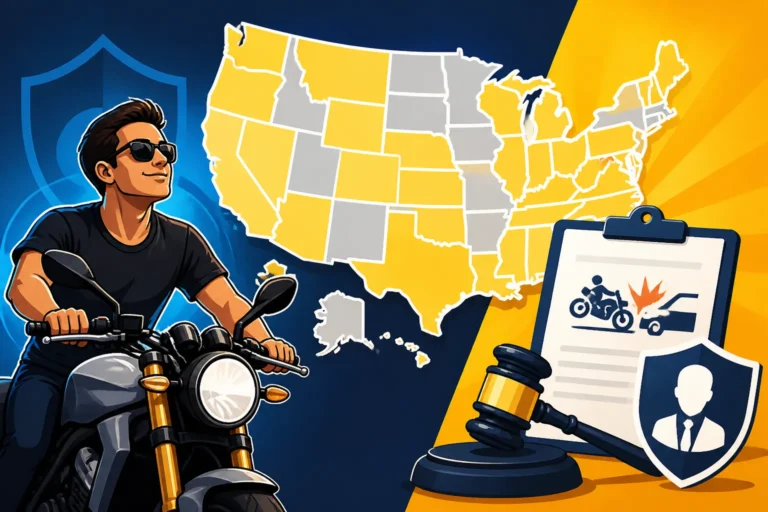
Let's cut right to the chase: New York has one of the strictest motorcycle helmet laws in the United States. Unlike some states that have partial helmet laws, often applying only to younger riders or those without specific insurance, New York requires all motorcycle riders and passengers to wear a helmet at all times when operating or riding on a motorcycle. This isn't a suggestion; it's a non-negotiable legal requirement that has been in place since 1967. The law is explicit and leaves no room for interpretation or exceptions based on age, experience, or insurance coverage.
Universal Application and Its Implications
When we say "universal," we mean it applies to absolutely everyone on the motorcycle, regardless of their age. There's no "if you're under 21" clause, no "if you have a certain amount of medical coverage" loophole. If you're on a two- or three-wheeled motorized vehicle defined as a motorcycle by New York Vehicle and Traffic Law, you need a helmet. This strict approach is aimed at maximizing rider safety, given the heightened risks associated with motorcycle accidents.
For out-of-state riders, this is particularly important. You might be accustomed to different laws in your home state—perhaps you don't need a helmet if you're over 21 in Pennsylvania or Florida. However, the moment you cross into New York, you are subject to New York's laws. Ignorance of the law is not a valid defense, and a New York State Trooper or local police officer will enforce the helmet mandate just as strictly for visitors as they would for residents. Getting caught without a helmet can lead to fines, points on your license, and can even complicate matters with your insurance if you're involved in an incident. It's truly safer and smarter to just wear one.
What Makes a Helmet "Legal" in New York
It’s not enough to just wear any helmet; it has to be a legal helmet. In New York, this means your helmet must meet the safety standards set by the U.S. Department of Transportation (DOT). You'll typically find a "DOT" sticker on the back of any compliant helmet. This certification isn't just a label; it signifies that the helmet has undergone rigorous testing to ensure it can adequately protect your head in a crash.
A DOT-compliant helmet will have specific features designed to absorb impact and remain securely on your head. This usually includes a sturdy outer shell, an impact-absorbing foam liner (often EPS foam), and a strong chin strap that fastens reliably. Contrast this with "novelty helmets," which might look cool but often lack the critical protective layers and materials to meet DOT standards. These helmets are essentially fashion accessories and offer minimal, if any, real protection in an accident. Wearing a novelty helmet in New York is the same as not wearing a helmet at all in the eyes of the law, and could lead to the same penalties and legal complications. When you're looking for a helmet, always check for that DOT sticker. Reputable brands like Bell, Shoei, Arai, or HJC found at stores like Cycle Gear almost exclusively sell DOT-compliant helmets, ensuring you're both safe and legal. To delve deeper into what these standards mean, consider checking out our article on what a DOT-compliant helmet entails, and how it differs from other types.
Beyond the Helmet: Other Essential Gear in New York
While the helmet is the star of New York's legal requirements, it’s crucial to understand that your overall safety on a motorcycle goes far beyond head protection. While not every piece of gear is mandated by law, the cumulative protection offered by a full suite of riding gear is invaluable. Think of it this way: your helmet protects your brain, but what about the rest of you? Road rash, broken bones, and other injuries are still a significant risk.
Eye Protection Requirements
Beyond the helmet, New York law does specifically address eye protection. If your motorcycle doesn't have a windscreen or windshield that's high enough to offer adequate eye protection, then you are legally required to wear approved eye protection. This can take the form of goggles or a face shield that is attached to your helmet. The logic here is clear: debris, insects, wind, and rain can severely impair a rider's vision, leading to dangerous situations. Clear vision is paramount for safe riding, and a momentary distraction from something hitting your eye can have catastrophic consequences.
Approved eye protection must also meet certain safety standards, usually related to shatter resistance and optical clarity. Again, reputable brands and retailers will ensure their products meet these standards. It's a small detail that makes a huge difference in both comfort and safety on the road.
The Role of Protective Apparel in Your Ride and Claim
While New York doesn't legally mandate specific jackets, gloves, pants, or boots, wearing them is a non-negotiable for any seasoned rider. This gear significantly reduces the severity of injuries in a crash, particularly common motorcycle injuries like road rash. Imagine sliding across asphalt at 40 mph; a sturdy leather or armored textile jacket and pants are going to offer a lot more protection than a t-shirt and jeans.
Gear like armored jackets, riding pants, gloves, and sturdy over-the-ankle boots can prevent deep lacerations, severe abrasions, and even some fractures. Companies like Alpinestars, Dainese, and yes, even the varied selection at Cycle Gear, offer specialized apparel designed for motorcycle riders that incorporate impact protection in critical areas like shoulders, elbows, hips, and knees. While this isn't about avoiding a ticket, it's about minimizing personal injury. In the unfortunate event of an accident, having worn appropriate gear can also subtly affect how your injury claims are perceived, demonstrating a commitment to safety. Our detailed guide on how gear affects injury severity illustrates this point further.
How Helmet Law Compliance Affects Your Accident Claim
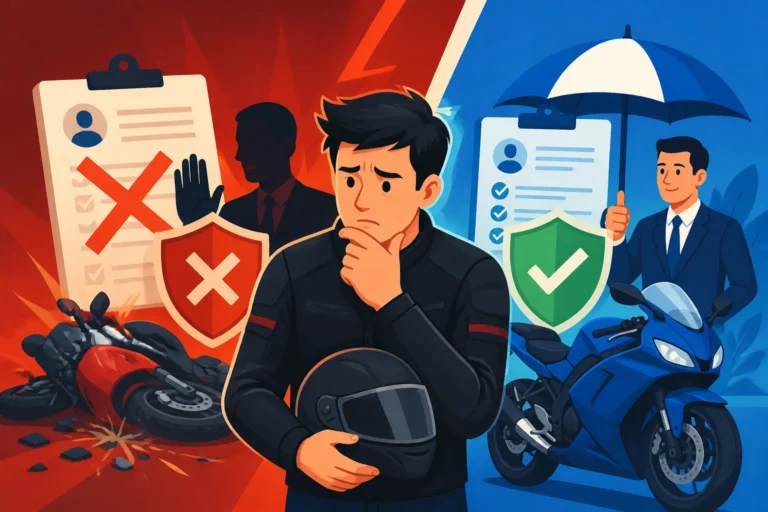
This is where things can get a bit complicated, even if you weren't at fault for the accident itself. While New York's universal helmet law is primarily a safety measure, non-compliance can have significant ramifications for any personal injury claim you might pursue after a motorcycle accident. Insurance companies are always looking for ways to reduce payouts, and a lack of proper safety gear is often a target.
The "Helmet Defense" and Comparative Negligence
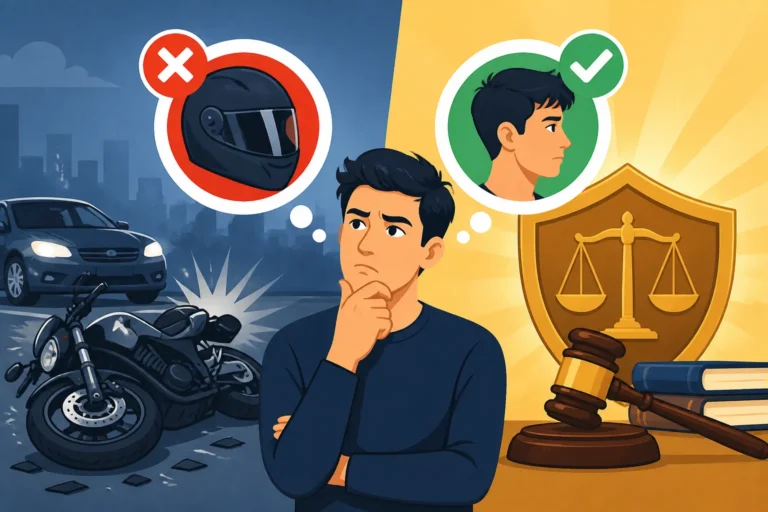
The "helmet defense" is a tactic often employed by insurance companies or opposing counsel to argue that your injuries, particularly head injuries, would have been less severe had you been wearing a DOT-compliant helmet. Even if the other driver was clearly at fault for causing the accident – for example, they made a negligent left turn across your path – if you weren't wearing a helmet and suffered a traumatic brain injury, the defense might claim that your non-compliance contributed to the severity of those specific injuries.
New York operates under a system of "pure comparative negligence." This means that even if you are partially at fault for an accident, you can still recover damages, but your compensation will be reduced by your percentage of fault. For instance, if you're found to be 20% at fault for the crash, your total damages would be reduced by 20%. The helmet defense tries to apply this principle not to the cause of the accident, but to the cause of your injuries. If a jury determines that your traumatic brain injury would have been 30% less severe if you had worn a helmet, then your compensation for that specific injury could be reduced by 30%, even if the other driver was 100% at fault for the collision itself. This can significantly impact the final settlement amount. Understanding how helmet use affects comparative negligence is vital for any rider involved in a crash. It also underscores why knowing your rights and preparing for these defenses is important, as explored in our guide on how to fight an unfair fault assignment.
Evidence and Proving Helmet Use (or Non-Use)
In the aftermath of an accident, whether you were wearing a helmet, and the condition of that helmet, becomes crucial evidence. Police reports will typically note whether a helmet was worn. Witness statements can also play a role. However, the most compelling evidence often comes from medical records and photographs from the accident scene.
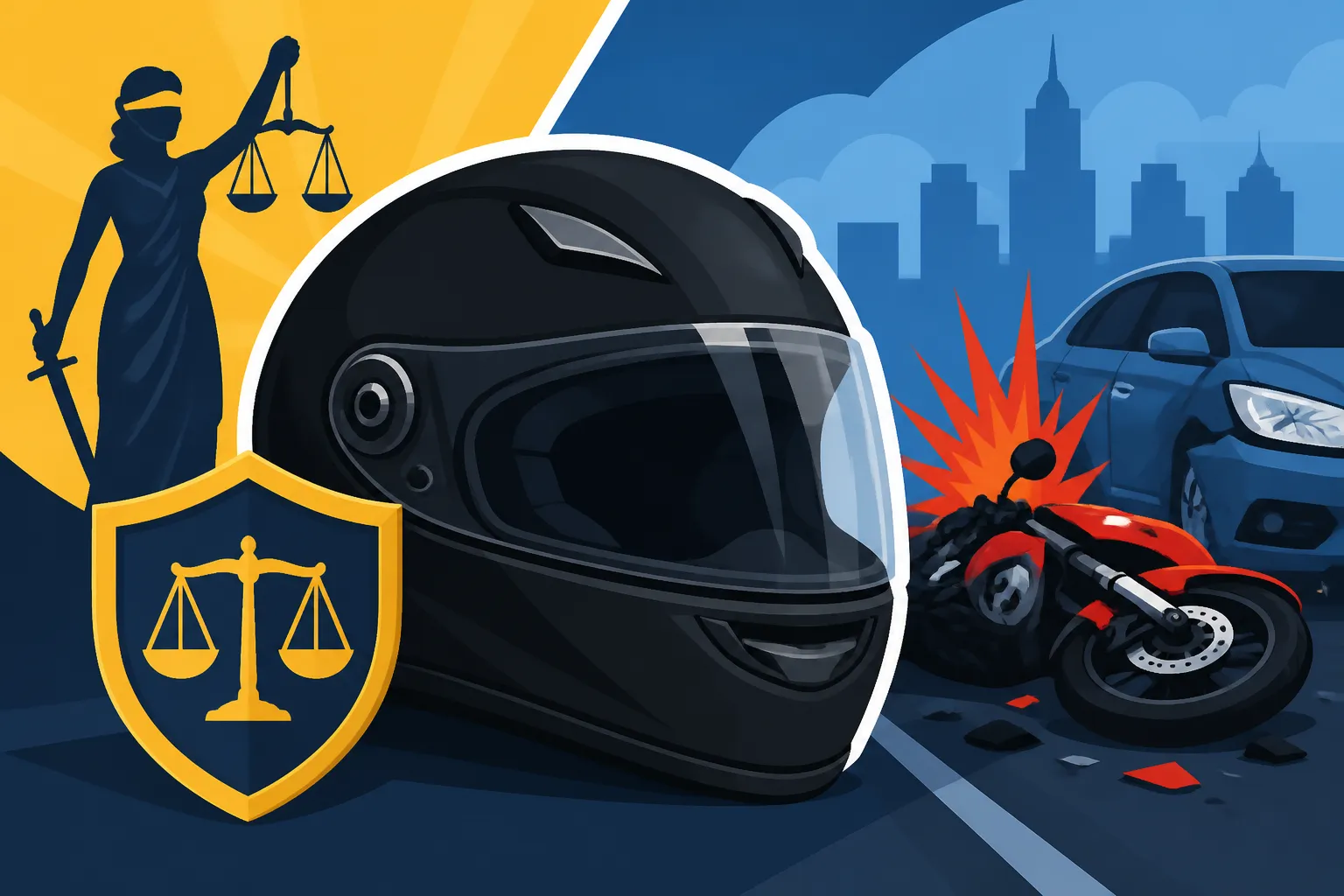
If you were wearing a DOT-compliant helmet, documenting its condition after the crash is vital. Photos of a cracked or scuffed helmet provide powerful visual evidence of the impact forces it absorbed, demonstrating that it did its job in protecting your head. This can directly counter any "helmet defense" arguments. Conversely, if you weren't wearing one, or were wearing a novelty helmet, this fact will undoubtedly be used against you by the at-fault driver's insurance company. They might argue that had you complied with the law, your injuries might not be as severe, thereby reducing their liability for your medical bills, lost wages, and pain and suffering. This is why preserving evidence, including your damaged gear, is so important, and why knowing how to prove you wore a helmet can make a significant difference in your claim.
Staying Safe and Legal on New York Roads
Navigating the roads of New York on two wheels is an incredible experience, but it comes with the responsibility of adhering to the law and prioritizing your safety above all else. Knowing and following New York’s strict helmet laws is the first and most crucial step.
Best Practices for Helmet Choice and Maintenance
Choosing the right helmet isn't just about legality; it's about ultimate protection. Always ensure your helmet has that DOT certification. Beyond that, consider a full-face helmet for maximum protection, as it safeguards your jaw and face, areas particularly vulnerable in a motorcycle crash. The fit is paramount: a helmet should be snug but not uncomfortably tight, with no excessive movement when you shake your head. Sizes vary between brands, so always try one on before buying. Many riders find quality helmets at retailers like Cycle Gear that offer a wide selection to ensure proper fit and comfort.
Helmets aren't designed to last forever. They have a limited lifespan, typically around 5 years, due to the degradation of internal materials, even if they haven't been in a crash. More importantly, if your helmet sustains any impact, even if it looks fine on the outside, its structural integrity might be compromised. Always replace a helmet after a crash, no matter how minor it seems. Regular inspection for cracks, frayed straps, or loose components is also good practice. This proactive approach ensures your helmet is always ready to offer the protection it was designed for. You can learn more about specific requirements in our detailed article on DOT helmet requirements explained.
Understanding Local Nuances and Staying Informed
While the overarching New York helmet law is consistent across the state, local enforcement practices can vary. Some municipal police departments might be more vigilant about helmet checks than others. Regardless, the law is the law, and it's your responsibility to comply.
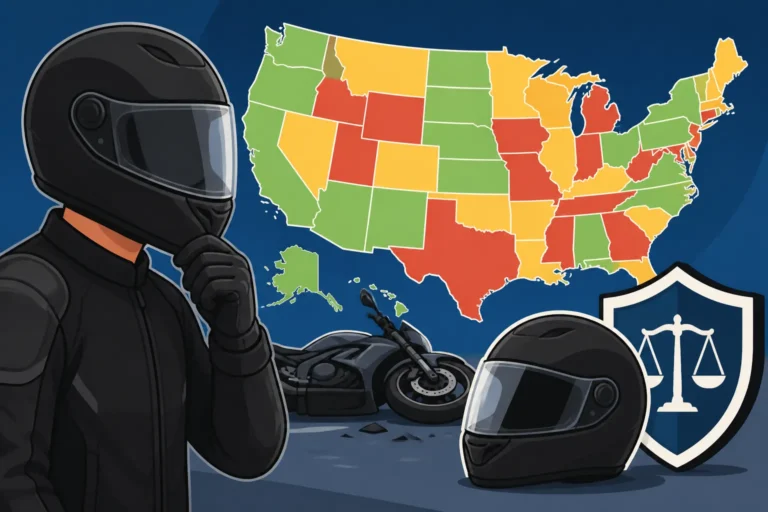
Beyond helmets, it’s wise to stay updated on other minor equipment requirements, such as working headlights, taillights, turn signals, and mirrors. The New York State Department of Motor Vehicles (DMV) is the official source for all current motorcycle laws and regulations. Make it a habit to check their website periodically for any updates or clarifications. The bottom line is that while riding is about freedom, it’s also about responsibility. Prioritizing safety by wearing a DOT-compliant helmet and all available protective gear, like what you’d find at Cycle Gear, not only keeps you legal but dramatically increases your chances of walking away from an unforeseen incident with fewer injuries and a stronger position should you ever need to file a claim. If you're looking for more general information on these topics, our article on motorcycle helmet laws by state provides a broader context.
Here’s a quick overview of essential gear components:
| Gear Component | Legal Requirement in New York (Primary) | Recommended Best Practice (Safety) |
|---|---|---|
| Helmet | Universal: DOT-compliant for ALL riders/passengers | Full-face, proper fit, replace after impact or every 5 years |
| Eye Protection | Required unless motorcycle has adequate windshield | Goggles or face shield (clear and tinted options), anti-fog treated |
| Jacket | None | Armored (CE-rated), abrasion-resistant (leather/textile) |
| Pants | None | Armored (CE-rated), abrasion-resistant (kevlar jeans/riding pants) |
| Gloves | None | Full-fingered, impact protection, good grip |
| Boots | None | Over-the-ankle, sturdy, good grip soles |
Disclaimer
Please remember that this article provides general information and insights into motorcycle helmet laws in New York and their potential impact on accident claims. It is not a substitute for legal advice. Laws can change, and their application can vary based on specific circumstances. If you have been involved in a motorcycle accident or have specific legal questions, it is always best to consult with a qualified legal professional specializing in motorcycle accident cases.