Should You Keep Your Damaged Gear After a Crash
After the gut-wrenching experience of a motorcycle accident, one of the last things you're probably thinking about is your mangled helmet or ripped riding jacket. Your mind is racing, you might be in pain, and all you want to do is get home and forget it ever happened. But amidst the chaos and emotional fallout, there's a critical step many riders overlook that can significantly impact their future claim: deciding what to do with your damaged gear. This guide will walk you through why keeping your broken helmet, torn leathers, and even scuffed boots is not just a good idea, but potentially crucial evidence for your motorcycle accident claim.
Why Your Damaged Gear is Crucial Evidence
It’s easy to want to toss out anything that reminds you of a traumatic event, especially something as visibly damaged as your motorcycle gear. But before you even think about throwing away that cracked helmet or those shredded gloves, consider this: your gear isn't just protective equipment; it's a silent witness to the crash. It holds vital clues about the impact, the forces involved, and even the nature of your injuries. This physical evidence can be far more compelling than simply describing what happened, especially when an insurance adjuster or opposing counsel tries to downplay the severity of the incident or your injuries.
Visualizing Impact and Force
Imagine explaining the force of impact to someone who wasn't there. It's tough. But a picture, or in this case, a physical object, is worth a thousand words. Your damaged gear can vividly illustrate how severe the collision was. A helmet with deep gouges or a completely shattered shell isn't just a sign of a ruined piece of equipment; it's tangible proof of a high-energy impact that could have easily resulted in a catastrophic head injury if not for its protection. Similarly, road rash patterns on your jacket or pants can show exactly how you slid, the distance traveled, and the type of surface you encountered. This visual demonstration of force can directly correlate to the pain and suffering you endured.
Corroborating Injury Claims
One of the biggest battles in a personal injury claim is often proving the extent of your injuries. Insurance companies are notorious for trying to minimize medical costs and deny the severity of your pain. Your damaged gear can serve as powerful corroborating evidence for your injury claims. For instance, if you sustained a serious head injury, a severely damaged helmet confirms the trauma your head experienced, directly linking the crash to your diagnosis. If you have severe road rash on your arm, the corresponding tears and scrapes on your riding jacket or gloves reinforce that narrative. This kind of physical evidence can be invaluable in establishing the connection between the accident and your medical condition, helping to counter arguments that your injuries are exaggerated or pre-existing. It's all part of how to prove your injuries in a motorcycle accident claim.
What Gear You Should Keep and Why
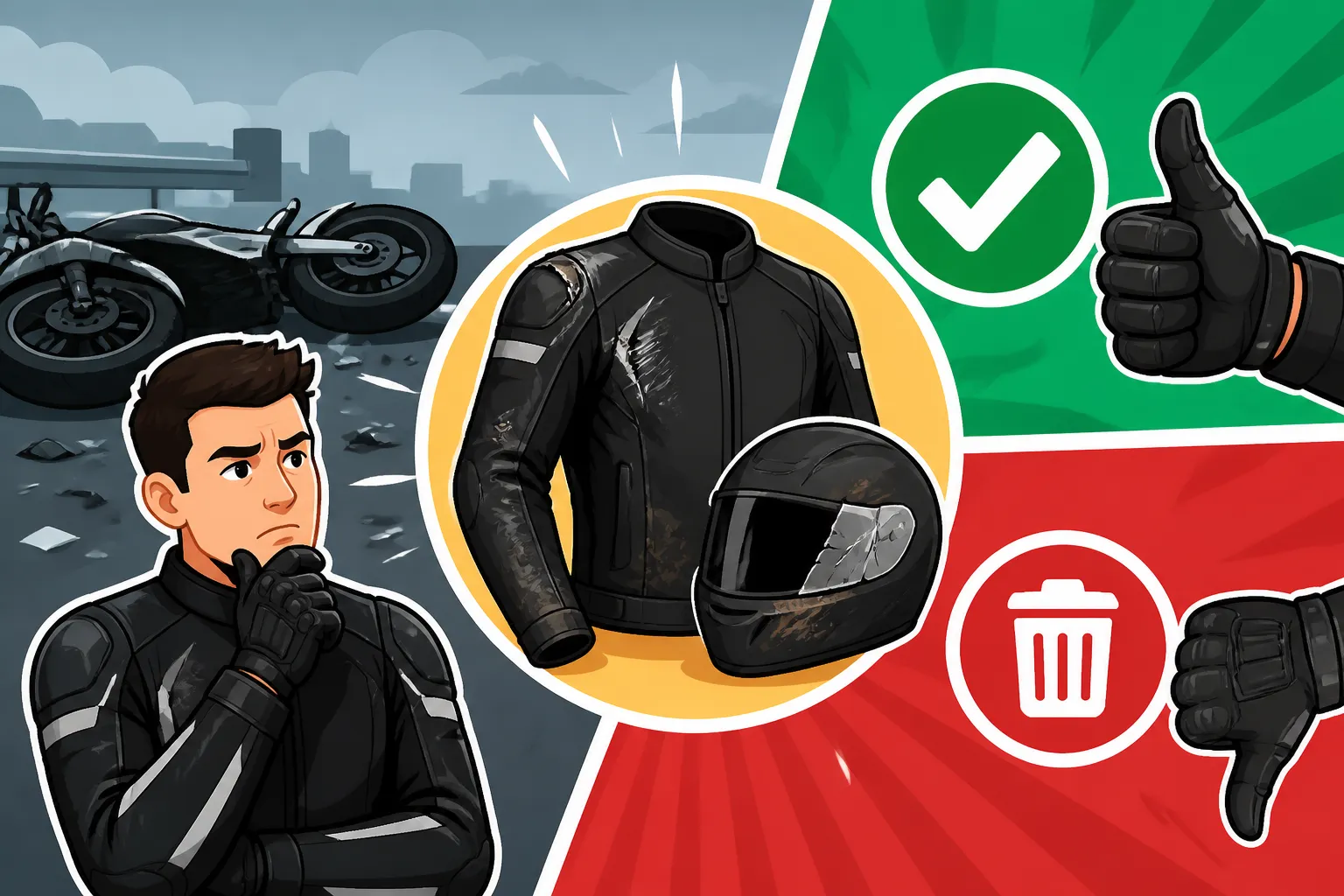
It might seem overwhelming to figure out what to keep, especially if your garage is now filled with various pieces of wrecked equipment. The general rule of thumb is: if it was on your body or motorcycle and was damaged in the crash, keep it. Every piece tells a part of the story, even if you don't immediately see its significance.
Helmets and Head Protection
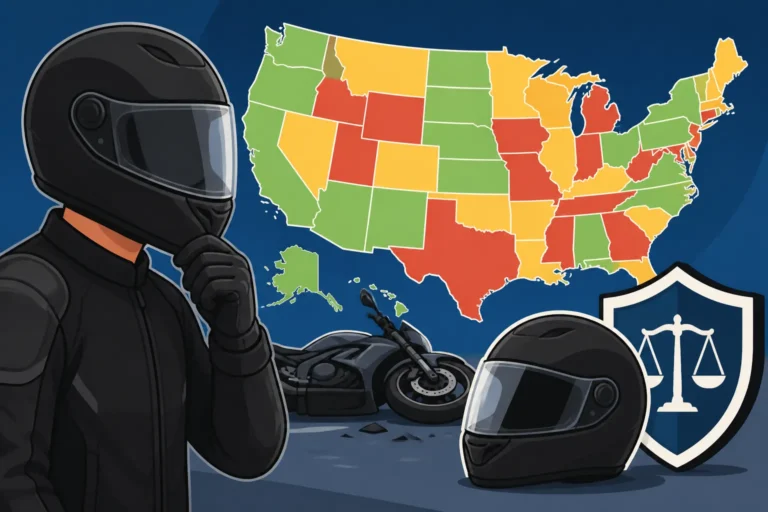
Your helmet is arguably the most critical piece of evidence. Even if it looks fine from the outside, internal damage might be present, indicating it absorbed significant force. Always keep your helmet, regardless of visible damage. In many states, Motorcycle Helmet Laws by State are in place, and demonstrating that you were wearing a compliant helmet, even one that sacrificed itself to protect you, can prevent the "helmet defense" argument from being used against you. This defense, where the at-fault party argues your injuries would have been less severe if you had worn a proper helmet, can be debilitating to a claim. Keeping your DOT-approved helmet, even if it's in pieces, directly counters that narrative and is critical for your Helmet Laws and Head Injury Claims.
Riding Jackets, Pants, and Suits
Whether you were wearing textile, leather, or a full riding suit, any garment that shows signs of impact or abrasion should be kept. Tears, scuffs, melted spots from friction, or even dirt and debris embedded in the fabric can tell a story. For example, a shredded elbow on your jacket might correspond to a broken arm, or significant road rash on your hips might align with damage to your riding pants. These items provide context for injuries like road rash, which can range from minor scrapes to severe wounds requiring skin grafts. The condition of your gear can illustrate the initial impact and the subsequent slide, directly influencing the calculation of damages for your suffering. Many reputable brands, like those found at Cycle Gear, engineer their apparel to sacrifice itself in a crash, and that sacrifice itself becomes evidence.
Gloves, Boots, and Other Protective Accessories
Don't overlook the smaller items. Your gloves, for instance, often show significant damage because our natural instinct is to put our hands out to break a fall. Scrapes, holes, or even severed fingers on gloves directly demonstrate how your hands were impacted and protected. Similarly, damaged riding boots can confirm ankle or foot injuries, showing that the boots bore the brunt of the impact before your bones did. Even items like back protectors, knee sliders, or armor inserts that were ripped from their pockets should be kept. Each piece contributes to the overall picture of how your body was impacted and protected. It all serves as Protective Gear as Evidence in a Claim.
Here’s a quick overview of common gear and its potential evidential value:
| Gear Item | Potential Evidential Value | Connection to Injuries |
|---|---|---|
| Helmet | Shows impact points, crush zones, and structural integrity failure; confirms helmet use. | Head trauma, concussions, TBI, skull fractures. |
| Jacket | Demonstrates abrasion (road rash), impact points (broken ribs, shoulder injuries), and fabric tears. | Road rash, fractures (shoulder, clavicle, ribs), soft tissue injuries. |
| Pants/Jeans | Exhibits road rash patterns on legs/hips, tears at impact sites, and protection failures. | Road rash, hip fractures, knee injuries, lower limb soft tissue damage. |
| Gloves | Reveals hand/finger impact and abrasion, grip damage, and protection failure. | Broken hands/fingers, severe road rash on palms/knuckles, wrist injuries. |
| Boots | Shows scuffs, tears, sole damage, and crushing from impact. | Ankle sprains/fractures, foot injuries, crushed bones. |
| Back Protector | Demonstrates direct impact to the spine, compression, or displacement. | Spinal cord injuries, back fractures, severe bruising. |
How to Properly Preserve Your Damaged Gear
Keeping your damaged gear is one thing; preserving it correctly so it remains useful as evidence is another. You don't want it to degrade, get lost, or have its evidential value compromised. Think of it as handling crime scene evidence – careful documentation and storage are paramount.
Documenting the Condition with Photos and Video
Before you even touch your gear, document its initial post-accident condition. This is similar to how you would Photos to Take to Prove Motorcycle Fault at the scene. Take high-resolution photographs and videos from multiple angles, capturing every tear, scuff, dent, and broken piece. Pay close attention to areas that correspond with your injuries. For example, if you have a broken wrist, photograph your glove around that area. Use a ruler or common object for scale in photos to give a clear idea of the size of the damage. Make sure these photos and videos are time-stamped if possible. This visual record is crucial because even perfectly preserved gear might need its initial state explained.
Cleaning and Storage Best Practices
Once documented, you need to store the gear properly. First, resist the urge to "clean" the gear thoroughly. While you might want to remove dirt or blood, extensive cleaning could wash away crucial forensic evidence, like paint transfer from another vehicle, tire marks, or embedded debris. A light shake-off of loose dirt is acceptable, but avoid scrubbing, washing, or altering the gear more than necessary.
Store each item separately in a breathable container, like a cardboard box or paper bag, not plastic, which can trap moisture and promote mold or mildew, especially if there's any biological residue. Label each container clearly with the date of the accident, what the item is, and where it was found/worn. Keep these containers in a cool, dry place away from direct sunlight or extreme temperatures. Your garage or a spare closet is usually fine. Make sure they are secure and cannot be tampered with. This meticulous storage ensures the gear retains its integrity until it's needed for inspection or presentation.
Avoiding Tampering or Alteration
This point cannot be stressed enough: do not tamper with or alter your damaged gear in any way. This means no attempting repairs, no cutting off damaged sections, and no discarding parts. If a piece of armor is detached, keep both the armor and the garment. If your helmet liner is ripped, keep the liner. Any alteration, even with good intentions, can be perceived by the opposing side as an attempt to manipulate evidence, which can severely undermine your credibility and your claim. If an insurance company or defense attorney suspects tampering, they might try to argue that the damage wasn't from the crash or that you're trying to inflate the value of your case. Maintain the chain of custody and keep it as close to its post-accident state as possible.
When Your Damaged Gear Becomes a Key Piece of Your Claim
Keeping your gear is proactive, but knowing when and how it will be used in your claim can help you understand its true value. This isn't just about showing off a wrecked helmet; it's about strategic use in negotiations and, if necessary, in court. Your damaged gear can really strengthen your argument for How Injury Severity Affects Compensation.
During Insurance Negotiations
When you're dealing with insurance adjusters, they often operate on spreadsheets and data, not empathy. Presenting physical evidence like your damaged gear can shift their perspective. When they see a severely cracked helmet, it becomes harder for them to argue that your traumatic brain injury isn't that serious. When they see a jacket shredded to pieces corresponding to extensive road rash, it underscores the intensity of your pain and the medical treatment required. This tangible evidence forces them to acknowledge the reality of the accident and the potential for significant damages. It supports your property damage claim and also helps in calculating non-economic damages like pain and suffering. This is why preserving your gear becomes a critical part of How to Maximize Your Motorcycle Accident Settlement.
Expert Witness Reviews
In complex cases, an expert witness, such as an accident reconstructionist or a medical expert, might review your damaged gear. An accident reconstructionist can analyze the deformation patterns on your helmet or the abrasion marks on your leathers to determine the angle of impact, the speed of travel, and even how your body moved during the crash. This information can be crucial in proving fault, especially if liability is disputed. For instance, if the other driver claims you swerved into them, the marks on your gear might tell a different story. Similarly, a medical expert can use the gear to visually demonstrate to a jury how your injuries align with the impact points on your protective clothing.
Presenting Evidence in Court or Mediation
If your case proceeds to trial or mediation, your damaged gear can be a powerful exhibit. Imagine a jury seeing a helmet that saved your life, or a jacket that protected you from even worse injury. These visual aids are often far more impactful than verbal descriptions or even photographs alone. They personalize the trauma and make the reality of the accident undeniable. A physical exhibit helps jurors grasp the severity of the event and the extent of your suffering, making them more likely to award fair compensation for your medical bills, lost wages, and pain and suffering. It's a stark reminder that motorcycles offer less inherent protection than a car, making Motorcycle Safety Gear and Legal Protection all the more important and, paradoxically, its damage a strong argument for your claim. Even a seemingly minor crash can yield heavily damaged gear, influencing how property damage is calculated in a motorcycle claim.
Ultimately, keeping your damaged gear after a motorcycle crash is a proactive measure that can pay dividends. It serves as irrefutable physical evidence that can validate your injury claims, strengthen your position in negotiations, and provide compelling visual proof if your case ever goes to court. Don't underestimate the silent story your gear tells; it could be the key to securing the compensation you deserve.
Disclaimer
Please remember that this article provides general information and is not legal advice. Every motorcycle accident claim is unique, and the information presented here may not apply to your specific situation. We strongly recommend consulting with a qualified legal professional specializing in motorcycle accident cases to discuss your individual circumstances and legal options. They can provide personalized advice based on the laws of your state and the specifics of your accident.