Helmet Ticket vs Injury Claim Impact
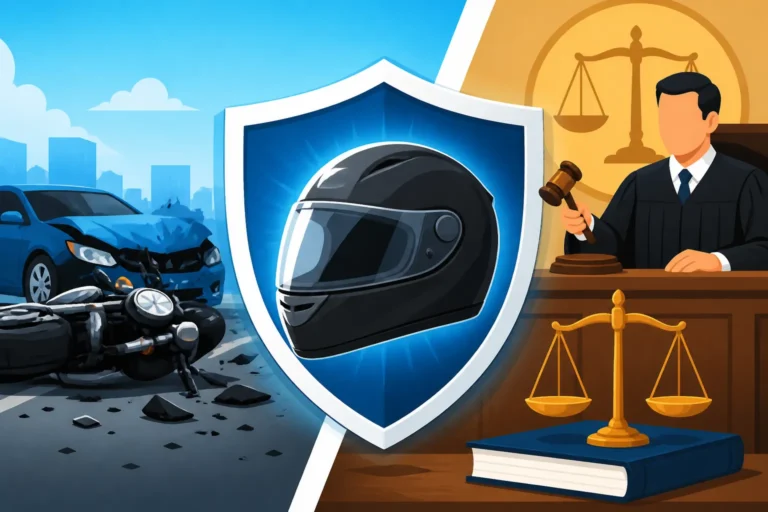
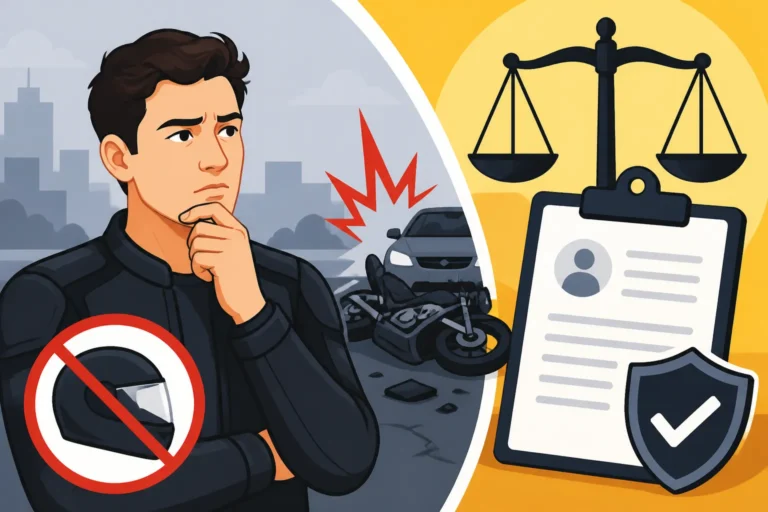
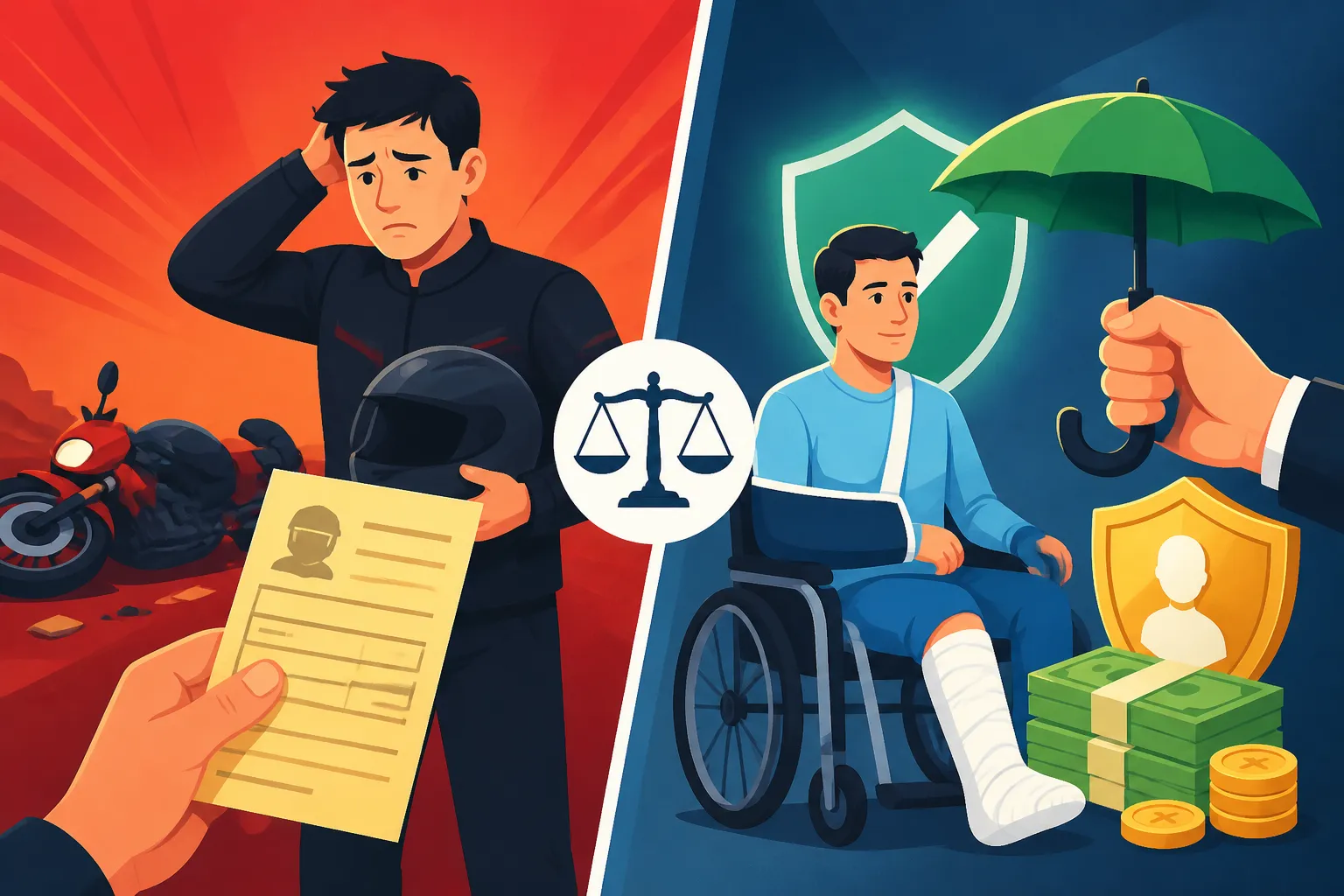
Getting a helmet ticket after a motorcycle accident can feel like a punch to the gut. Not only are you dealing with the trauma and injuries from the crash, but now you have this official document suggesting you did something wrong, and a sinking feeling that it could jeopardize your entire injury claim. This guide will walk you through exactly what a helmet ticket means for your motorcycle accident case, how insurance companies might use it against you, and what steps you can take to protect your right to compensation.
Understanding Your Helmet Ticket and the Immediate Fallout
When you're involved in a motorcycle accident, the last thing you're probably thinking about is whether your helmet choice or lack thereof is going to become a legal issue. But if a police officer issues you a ticket for a helmet violation, it immediately adds another layer of stress and complexity to an already overwhelming situation. This ticket isn't just about a potential fine; it's a piece of paper that could be weaponized against you.
What Constitutes a Helmet Violation Ticket
A helmet violation ticket can take a few different forms depending on where your accident occurred. Some states, like California, have what are known as "universal helmet laws," meaning all riders and passengers must wear a DOT-compliant helmet, regardless of age. In these states, if you're caught riding without one, or with a novelty helmet that doesn't meet safety standards, you could be ticketed. Other states, like Florida, have "partial helmet laws," often requiring helmets only for riders under a certain age (e.g., 21) or those without specific insurance coverage. If you don't meet these requirements, or if you don't have the required personal injury protection (PIP) or medical payment coverage in states that allow riding without a helmet for older riders, you could also receive a citation.
The specific violation might be listed as "failure to wear a helmet," "improper helmet," or something similar. This ticket is a traffic infraction, similar to a speeding ticket, and typically results in a fine and possibly points on your driving record. It’s important to understand that a traffic ticket, by itself, is not an automatic admission of civil fault for the accident itself. However, it can certainly be used by the opposing side to imply negligence on your part, particularly regarding your injuries.
Distinguishing Traffic Citations from Injury Claim Liability
This is a crucial distinction that many riders misunderstand. A helmet ticket addresses a violation of traffic law. It's a matter between you and the state or municipality. Your injury claim, on the other hand, is a civil matter that seeks compensation from the at-fault driver (and their insurance company) for damages you suffered due to their negligence.
While these two things are legally distinct, they can become intertwined. The opposing insurance company, or even the at-fault driver's legal team, will likely seize upon any traffic violation you received, including a helmet ticket, to try and reduce their liability. They might argue that if you weren't wearing a helmet, or were wearing an improper one, you contributed to your own injuries, especially head injuries. This is often part of a broader strategy to assign blame to riders, and it’s a frustrating reality for many in the motorcycle community.
How Helmet Laws and the "Helmet Defense" Impact Claims
The direct connection between your helmet ticket and your injury claim comes down to something called the "helmet defense." This is a legal argument used by defendants (the at-fault driver and their insurance) to reduce the amount of compensation they have to pay by arguing that your failure to wear a proper helmet either caused or worsened your injuries.
The Legal Basis for the Helmet Defense
The helmet defense is rooted in the legal principle of comparative negligence or contributory negligence, depending on your state's laws. In essence, these laws allow for damages to be reduced if the injured party (you, the rider) was partially at fault for their own injuries.
For instance, in states that follow pure comparative negligence, like California, even if you are found 99% at fault, you could theoretically still recover 1% of your damages. More commonly, if a jury determines you were 20% responsible for your head injury because you weren't wearing a helmet in a state with a universal helmet law, your total compensation for that head injury could be reduced by 20%. Other states, like North Carolina, adhere to strict contributory negligence, where if you are found even 1% at fault for your injuries, you might be completely barred from recovery. Understanding Contributory vs Comparative Negligence Explained is vital here, as it dictates how your helmet use might affect your overall settlement.
The core of the helmet defense isn't that you caused the accident, but that you contributed to the severity of your injuries. The argument is typically that if you had been wearing a DOT-compliant helmet, your head injuries would have been less severe, or perhaps avoided altogether. This is why it’s so critical to understand the specific Motorcycle Helmet Laws by State where your accident occurred.
Proving Causation: The Insurer's Burden
Here's where it gets complicated and where the insurance company has a significant hurdle to clear. Simply having a helmet ticket isn't enough for them to automatically reduce your settlement. The insurance company must prove a direct causal link between your failure to wear a helmet and the specific injuries you sustained. This is known as proving "causation."
For example, if you weren't wearing a helmet and suffered a traumatic brain injury (TBI), the insurance company will argue that the TBI would have been less severe with a helmet. They might bring in medical experts or accident reconstructionists to testify to this effect. However, if your injuries were primarily road rash on your arms and legs, or a broken collarbone, it's much harder for them to argue that a helmet would have prevented or mitigated those specific injuries. The Helmet Defense Explained delves deeper into this concept.
This is a battle fought with medical records, expert opinions, and sometimes even accident simulations. It's not a straightforward "no helmet, no money" situation, though that's certainly what insurers would like you to believe. They often rely on general anti-motorcyclist biases and stereotypes, pushing the narrative that riders are inherently reckless, especially if they weren't wearing a helmet. This is an area where having detailed documentation of all your injuries and medical treatment becomes paramount.
Impact on Different Types of Damages
A helmet ticket's impact isn't uniform across all the damages you might claim.
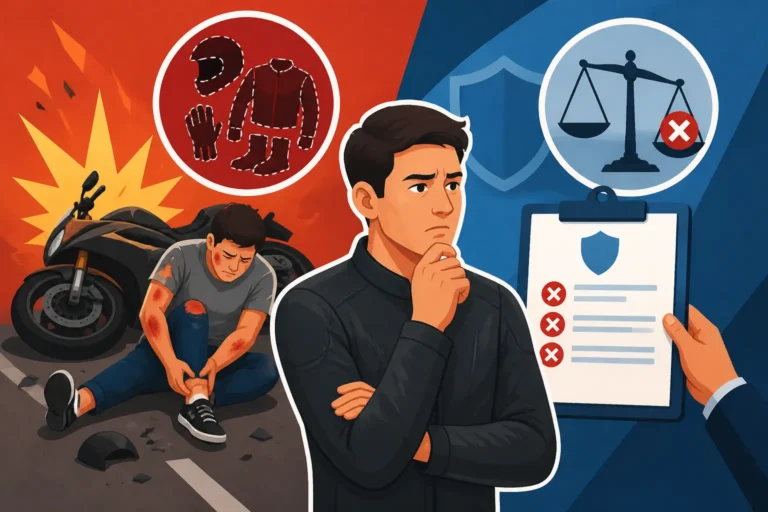
- Head Injuries: This is the most direct and vulnerable area. If you sustained head trauma and weren't wearing a helmet (or had a non-DOT helmet), the insurer will aggressively argue that your negligence contributed to the severity of these injuries. This can lead to a significant reduction in compensation for medical bills, lost wages, and pain and suffering related to your head injury. The question of How Not Wearing a Helmet Affects Your Settlement becomes acutely relevant here.
- Non-Head Injuries: For injuries like broken bones in your limbs, internal organ damage, or severe road rash on areas not protected by a helmet, the argument for the helmet defense is much weaker. It's difficult for an insurer to logically link a helmet violation to a broken ankle or a fractured rib. However, they might still try to use the ticket to generally paint you as a careless rider, hoping to sway a jury or reduce your claim's overall perceived value.
- Property Damage: A helmet ticket generally has no bearing on your claim for property damage to your motorcycle or personal gear. The damage to your bike is a direct result of the collision itself, not your helmet use.
- Pain and Suffering: This is where the subjective nature of the helmet defense can be particularly frustrating. While a helmet might not prevent all pain, an insurer will try to argue that any avoidable pain and suffering related to head injuries should not be fully compensated. This can significantly reduce the non-economic damages you might receive.
The Role of State Helmet Laws
The specific helmet laws in your state are the foundational layer of this defense.
| State Helmet Law Type | Description | Impact on Injury Claim (General) |
|---|---|---|
| Universal Helmet Laws | Mandates all motorcycle riders and passengers to wear DOT-compliant helmets, regardless of age or insurance coverage. (e.g., California, Georgia, New York, North Carolina, Oregon, Washington, D.C.) | If you were ticketed for not wearing a helmet in a universal law state, the helmet defense is typically strong and frequently applied to head injuries. The burden of proof for causation still rests with the defendant, but the legal expectation of helmet use is clear. It can lead to significant reductions in head injury compensation. |
| Partial Helmet Laws | Requires helmets for riders under a certain age (e.g., under 18 or 21) or for riders without a specific amount of medical insurance coverage. (e.g., Florida, Pennsylvania, Arizona, Michigan, Tennessee, Texas) | If you were legally permitted to ride without a helmet (e.g., over 21 with proper insurance in Florida) and chose not to, a helmet ticket would likely not be issued, and the helmet defense would be weaker. However, if you should have been wearing one (e.g., under 21, or no insurance as required), the defense can still be robust, similar to universal law states, especially if a ticket was issued. |
| No Helmet Laws | Very few states have no helmet laws at all, but those that do might only require helmets for new riders or specific scenarios. (e.g., Iowa, Illinois, New Hampshire for adults) | In states with no helmet law for adults, receiving a helmet ticket is unlikely. Consequently, the helmet defense argument is significantly weakened, if not entirely negated, as there was no legal obligation to wear one. However, some insurance companies might still attempt to argue common law negligence, suggesting a reasonable person would wear one for safety, though this is a much harder argument to win. For instance, in states like Illinois, if you're over 18, you're not legally mandated to wear a helmet, so a helmet ticket wouldn't be a factor. |
It's clear that the presence and type of your state's helmet law are critical. This is why seeking counsel from a lawyer experienced in Motorcycle Accident Fault Laws in California (or your specific state) can make all the difference.
Strategies for Mitigating the Impact of a Helmet Ticket
While a helmet ticket is certainly a hurdle, it doesn't automatically doom your injury claim. There are proactive steps you can take to challenge the "helmet defense" and protect your right to fair compensation.
Challenging the Helmet Ticket Itself
Sometimes, the best defense is a good offense. If you believe the helmet ticket was issued in error, or if there are mitigating circumstances, fighting the ticket in traffic court might be a viable option.
- Dispute the Facts: Was the helmet truly non-DOT compliant, or did the officer simply assume? Was your helmet knocked off during the crash? Did you have the required insurance coverage in a partial helmet law state? Gathering evidence like photos of your helmet (if it’s still intact and DOT-compliant), insurance documents, or witness statements can be crucial.
- Legal Representation for the Ticket: While it might seem minor, having a lawyer handle your traffic ticket can sometimes prevent a conviction that could later be used against you in your civil injury claim. A skilled traffic attorney might be able to get the ticket dismissed or reduced to a non-moving violation that carries less weight in a civil case. This is a strategic move to undermine the foundation of the helmet defense before it can even be fully built.
Remember, if you plead guilty or are found guilty of the helmet violation, that conviction could potentially be used as evidence of negligence in your injury claim, making it harder to fight the helmet defense later on.
Emphasizing Lack of Causation
This is often the strongest line of defense against the helmet argument in an injury claim. As discussed, the insurance company has to prove that your lack of a helmet caused or worsened your head injuries.
- Medical Expert Testimony: Your legal team can enlist medical professionals, such as neurologists or trauma surgeons, to testify that your head injuries would have been just as severe even if you had been wearing a helmet, especially in high-impact collisions. They might argue that the force of impact was so extreme that no helmet could have completely prevented the damage.
- Accident Reconstruction: An accident reconstruction expert can analyze the dynamics of the crash, the point of impact, and the forces involved to demonstrate that the primary cause of your injuries was the negligence of the other driver, not your helmet use. They can also explain how the crash mechanism resulted in non-head injuries that a helmet would not have protected against.
- Focus on Other Injuries: Systematically document and highlight all other injuries you sustained (e.g., fractures, internal injuries, road rash). For these injuries, the helmet defense is largely irrelevant. By emphasizing the severity and extent of these non-head injuries, you shift the focus away from the helmet issue and onto the overall impact of the accident caused by the other driver.
The Importance of a DOT-Compliant Helmet
Even if you were technically wearing a helmet, if it wasn't DOT-compliant, an insurance company could still try to apply the helmet defense. This is why always investing in a proper, safety-certified helmet from reputable retailers like Cycle Gear is so important.
- DOT Standards: The Department of Transportation (DOT) sets minimum safety standards for motorcycle helmets. A DOT-compliant helmet has specific features designed to absorb impact and protect your head. What Is a DOT-Compliant Helmet provides comprehensive details.
- Novelty Helmets: "Novelty" helmets, while often fashionable, do not meet DOT standards and offer little to no real protection. If you were wearing a novelty helmet, the legal argument against you can be nearly as strong as if you weren't wearing a helmet at all, as it implies a disregard for safety.
- Evidence of Compliance: If you were wearing a DOT-compliant helmet that was damaged in the crash, it's crucial to preserve it as evidence. Pictures of the damaged helmet can show that it performed its job, protecting your head as designed, and can counter claims that your injuries were due to lack of protection. This supports your argument about Motorcycle Safety Gear and Legal Protection.
Documenting Your Injuries and Medical Treatment
Thorough documentation is your best friend when fighting any injury claim, especially one complicated by a helmet ticket.
- Immediate Medical Attention: Always seek immediate medical attention after an accident, even if you feel fine. Delayed symptoms, especially for head injuries, are common. Gaps in treatment can be used by insurers to argue your injuries aren't as severe as claimed or weren't caused by the accident.
- Detailed Medical Records: Ensure your medical records are comprehensive, detailing every injury, symptom, diagnosis, and treatment. This includes all physician's notes, hospital reports, imaging results (X-rays, CT scans, MRIs), and therapy records.
- Injury Journal: Keep a detailed journal of your pain levels, limitations, treatments, and how your injuries affect your daily life. This personal account can be powerful evidence of your non-economic damages, like pain and suffering.
- Photos and Videos: Take photos of all your injuries, from initial scrapes and bruises to surgical scars. Document your recovery process. Visual evidence can be compelling in demonstrating the severity and impact of your injuries. You'll want to take Photos to Take to Prove Motorcycle Fault as well as your injuries.
The Indispensable Role of a Motorcycle Accident Attorney
Navigating the complexities of a helmet ticket's impact on your injury claim is incredibly difficult without experienced legal counsel.
- Expert Negotiation: An attorney knows how insurance companies operate and their tactics to minimize payouts. They can counter arguments regarding the helmet defense with evidence and legal precedent. They understand How Insurers Use Rider Stereotypes Against You and can help to prevent it.
- Resource Access: Lawyers have access to networks of medical experts, accident reconstructionists, and other specialists whose testimony can be crucial in disproving causation or establishing the full extent of your damages.
- Litigation Experience: If a fair settlement cannot be reached through negotiation, a skilled attorney will be prepared to take your case to trial. Their experience in presenting cases to a jury and refuting defense arguments is invaluable.
- Protecting Your Rights: From the moment you receive a helmet ticket to the final settlement or verdict, an attorney works to protect your legal rights and maximize your compensation, helping you understand complex topics like How Fault Affects Your Settlement. They ensure you don't inadvertently say or do anything that could jeopardize your claim.
A good motorcycle accident attorney will assess the specifics of your accident, the helmet laws in your state (e.g., Motorcycle Accident Fault Laws in Texas or your specific jurisdiction), the nature of your injuries, and the strength of the evidence to build a robust case on your behalf. They can also advise you on What to Do After a Motorcycle Accident to protect your claim from the very beginning.
Disclaimer
Please remember that this information is for educational purposes only and does not constitute legal advice. Motorcycle accident claims are complex, and the impact of a helmet ticket can vary significantly depending on the specific facts of your case, the laws of your state, and the details of your injuries. It is always best to consult with a qualified motorcycle accident attorney to discuss your individual situation and get personalized legal guidance.