Motorcycle Helmet Law in Washington
It's incredibly frustrating when you're trying to do everything right as a rider, but the specific laws in each state feel like a tangled web. You want to stay safe, comply with the rules, and protect yourself in every way possible, but navigating the nuances can be a real headache. This comprehensive guide is here to untangle the specifics of the motorcycle helmet law in Washington state, helping you understand not just what's required, but why it matters for your safety and any potential accident claim.
Understanding Washington's Universal Helmet Law
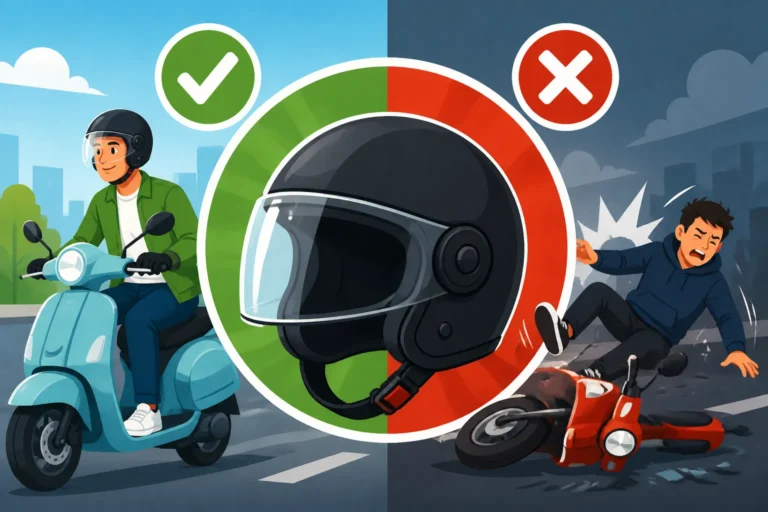
Washington State has always been pretty clear about its stance on motorcycle safety, especially when it comes to head protection. Unlike some states that might have age restrictions or specific conditions for helmet use, Washington operates under a universal helmet law. This means that if you're riding a motorcycle, whether you're behind the handlebars or enjoying the ride as a passenger, a helmet is absolutely non-negotiable.
The Specifics of the Law for Riders and Passengers
When we talk about "universal" in Washington, we mean everyone. This isn't just for new riders or those under a certain age; it applies to every single person on a motorcycle. The Revised Code of Washington (RCW) 46.37.530 states that "It is unlawful for any person to operate or ride upon a motorcycle or moped upon the public highways of this state unless wearing a safety helmet of a type conforming to rules and regulations adopted by the state patrol." This rule has been in effect for a long time, emphasizing the state's strong commitment to reducing severe head injuries and fatalities in motorcycle accidents.
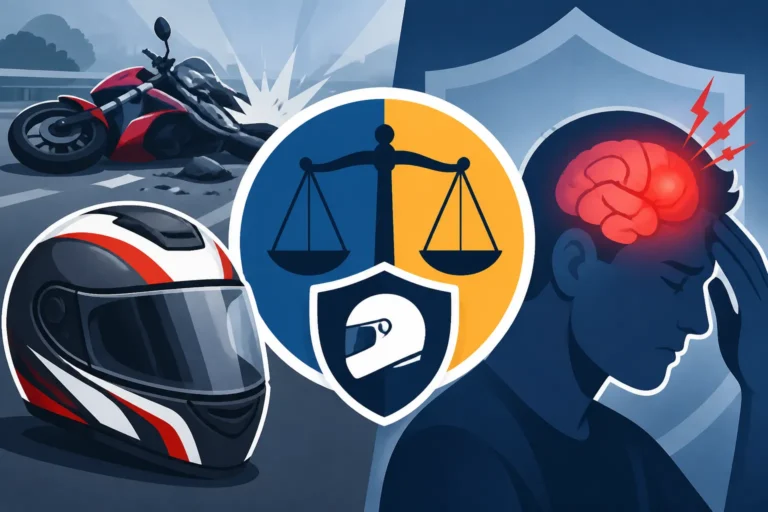
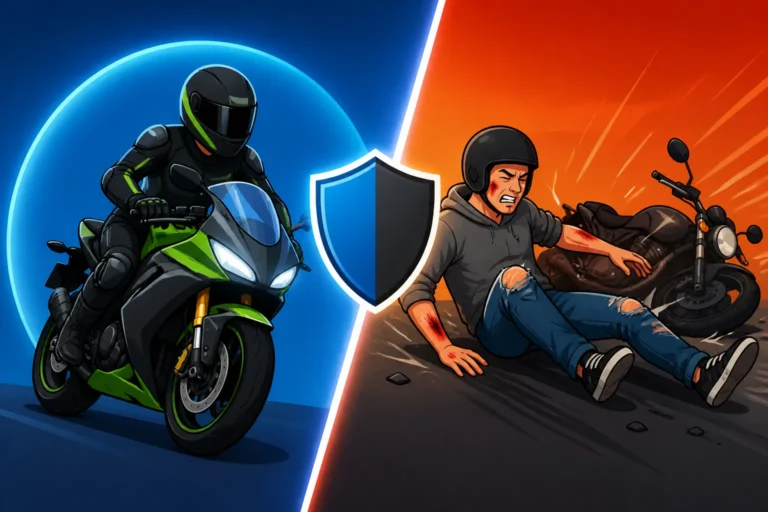
The intent behind such a stringent law is simple: to save lives and prevent devastating injuries. Motorcycles, by their very nature, offer less protection than enclosed vehicles. In a collision, riders are far more exposed, and the head is particularly vulnerable. A properly worn, compliant helmet acts as your first and often last line of defense against traumatic brain injuries, which can have life-altering consequences. It’s not just about avoiding a ticket; it’s about protecting your most vital asset.
How Washington's Law Compares to Other States
It’s easy to get confused when you ride across state lines or talk to riders from different parts of the country. Many states have what are called "partial" helmet laws, meaning helmets are only required for riders under a certain age, often 18 or 21, or if they lack sufficient insurance coverage. For example, states like Florida and Texas have partial helmet laws, allowing adult riders to go without a helmet if they meet specific insurance requirements. Then there are a handful of states, like Iowa or New Hampshire, that don't have any helmet law for adults at all.
Washington, however, firmly stands with states like California, New York, and Georgia, which all enforce universal helmet laws. This means that if you're visiting Washington from a state with more lenient laws, you need to be aware that the rules change the moment you cross the border. Ignorance of the law is never a valid excuse, and Washington state troopers are serious about enforcement. This consistent, universal approach reflects a public policy choice to prioritize the safety of all motorcyclists on its roads, aiming to reduce the societal and personal costs associated with severe motorcycle accident injuries.
What Makes a Helmet Legal in Washington State
Simply putting something on your head isn't enough to comply with Washington's helmet law. The law specifically mandates a "safety helmet of a type conforming to rules and regulations adopted by the state patrol." In practice, this means your helmet must meet federal safety standards. This isn't just bureaucratic red tape; it's about ensuring the helmet you choose actually provides the protection it's designed for.
The Importance of DOT Compliance
The gold standard for helmet safety in the United States, and what Washington’s law indirectly refers to, is certification by the Department of Transportation (DOT). A DOT-compliant helmet has undergone rigorous testing to ensure it can withstand certain impacts and protect your head in a crash. These tests evaluate things like impact absorption, penetration resistance, and retention system effectiveness.
When you're looking for a helmet, you'll want to check for the unmistakable DOT sticker on the back. This sticker isn't just a label; it's a manufacturer's declaration that the helmet meets Federal Motor Vehicle Safety Standard (FMVSS) 218. Without this sticker, your helmet is considered non-compliant, regardless of how robust it might look or how much you paid for it. Be wary of "novelty" helmets that might be lightweight and stylish but offer virtually no protection. These helmets often lack the critical inner padding and structural integrity necessary to absorb impact forces. You can find a fantastic selection of DOT-compliant helmets at reputable retailers like Cycle Gear, where the staff can often help you understand the differences and features. For more specifics on what makes a helmet legal, you can read up on What Is a DOT-Compliant Helmet.
Beyond the DOT Sticker: Fit and Condition
Even a helmet with a shiny new DOT sticker isn't going to do its job if it doesn't fit properly or is past its prime. Think of it like this: a seatbelt can't protect you if it's too loose. A helmet needs to be snug but comfortable. When you try one on, it should sit level on your head and not tilt back or forward. You should be able to feel even pressure around your head, cheeks, and jaw. Try shaking your head gently from side to side and up and down; the helmet shouldn't shift independently of your head. If it slides around, it’s too big and could move during an impact, exposing your head.
The condition of your helmet is just as vital as its initial fit. Helmets are designed to absorb and distribute impact forces, often by crushing materials within the shell. If your helmet has been in a crash, even if it looks fine on the outside, its structural integrity might be compromised. It's crucial to replace a helmet after any significant impact. Furthermore, helmets don't last forever. The materials degrade over time due to UV exposure, sweat, and general wear and tear. Most manufacturers recommend replacing your helmet every five years, or sooner if it shows signs of damage. Investing in quality gear from places like Cycle Gear and maintaining it properly isn't just about adhering to the law; it's a fundamental part of staying safe on the road.
The Impact of Helmet Use on Motorcycle Accident Claims
It might seem unfair, but even if another driver is entirely at fault for a motorcycle accident, whether you were wearing a helmet and its condition can become a significant factor in any subsequent injury claim. This is a tough pill to swallow for many riders, but it's a reality that every motorcyclist in Washington needs to understand.
The "Helmet Defense" in Washington State
Insurance companies are always looking for ways to reduce the amount they have to pay out in a settlement. One common tactic they employ, particularly in states without universal helmet laws, but also in states like Washington, is what's known as the "helmet defense" or "helmet non-use defense." Even though Washington requires helmets, if your helmet was non-compliant, improperly worn, or demonstrably failed due to its condition, the defense might argue that your head injuries would have been less severe had you been wearing a proper, functional helmet. The Helmet Defense Explained
In Washington, like many states, personal injury claims operate under a system of Comparative Negligence in Motorcycle Accidents. This means that if you are found partially at fault for your own injuries, even if you weren't at fault for causing the accident itself, your total compensation can be reduced by your percentage of fault. For instance, if you suffer a severe head injury in an accident where the other driver ran a red light, but an investigation reveals you were wearing a novelty helmet, the insurance company might argue that your choice of helmet contributed to the severity of your head injury. If a jury determines you were, say, 20% at fault for the extent of your head injury due to a non-compliant helmet, your compensation for that specific injury could be reduced by 20%. This is how How Comparative Negligence Reduces Your Payout can impact your claim.
It's important to remember that this defense usually applies to head and neck injuries. If you suffered a broken leg or road rash, the absence or inadequacy of a helmet wouldn't typically be used to diminish compensation for those specific injuries. However, it can significantly complicate your claim and reduce the payout for the most serious and often most costly injuries.
Proving Helmet Use and Its Benefits
To counter the helmet defense, or simply to ensure your claim is as strong as possible, documenting your helmet use and its compliance is crucial. After an accident, if you are able, always include your helmet in photos of the scene. Photos to Take to Prove Motorcycle Fault showing a damaged but DOT-compliant helmet can be powerful evidence that you were taking all necessary safety precautions and that the helmet performed as intended. Police reports often note whether a helmet was worn, and witness statements can also corroborate this.
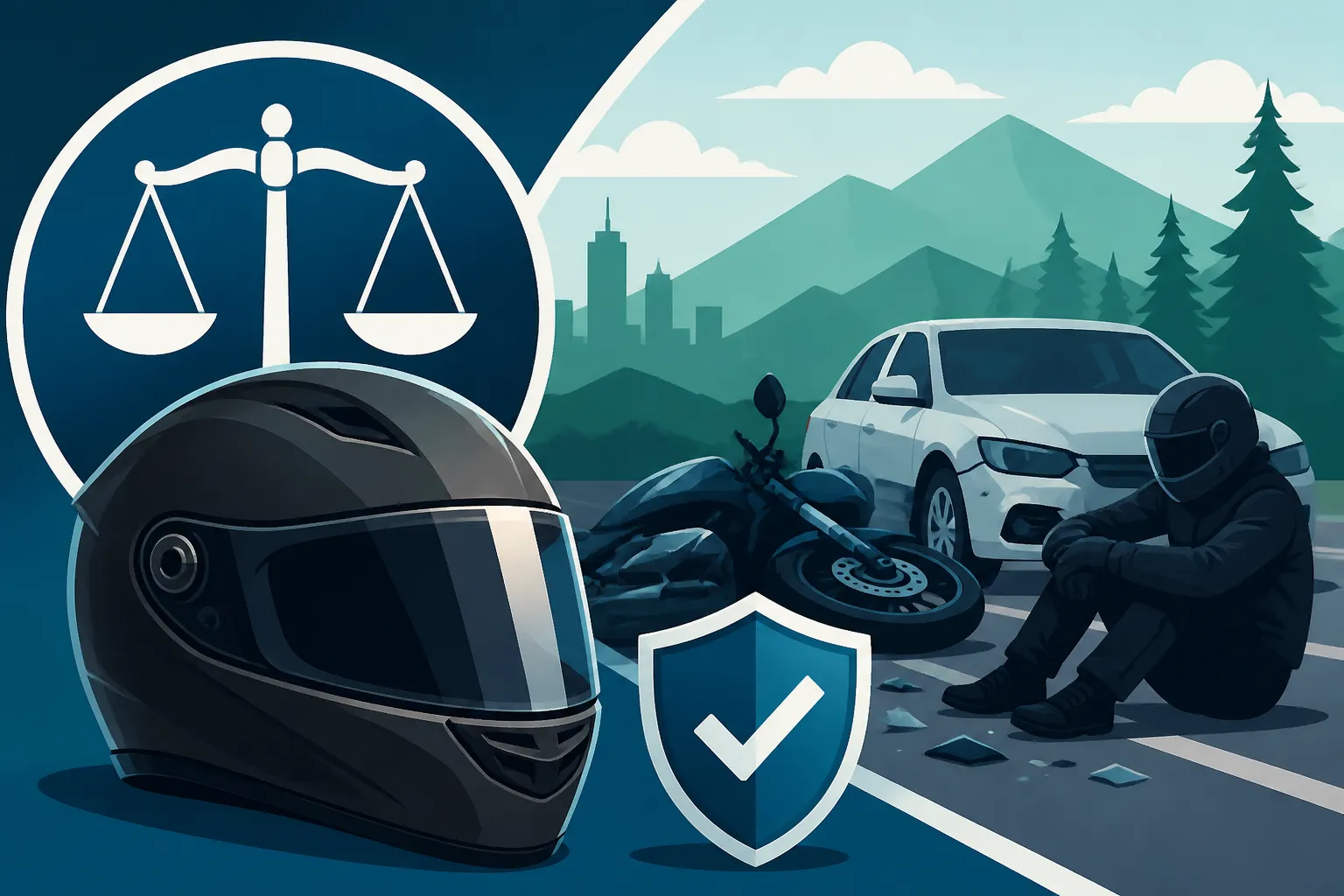
Even with a helmet, severe head injuries can unfortunately still occur due to the sheer force of an impact. A helmet is a protective device, not an impenetrable force field. If you suffered a head injury despite wearing a DOT-compliant helmet, your claim should not be diminished. In fact, evidence of a damaged, compliant helmet can powerfully illustrate the severity of the impact and thus the legitimacy of your injuries. This demonstrates that you were a responsible rider, which can go a long way in how insurance adjusters and potential juries view your case. Wearing comprehensive Motorcycle Safety Gear and Legal Protection helps paint a picture of a safety-conscious rider, strengthening your position considerably.
Penalties and Consequences of Non-Compliance
Choosing not to wear a helmet, or wearing one that doesn't meet Washington's legal requirements, carries more than just personal risk. It also comes with direct legal and financial consequences that can be immediate and far-reaching, impacting both your wallet and your ability to seek justice after an accident.
Fines and Legal Repercussions
The most immediate consequence of not complying with Washington's universal helmet law is a traffic infraction. If a law enforcement officer observes you riding without a proper helmet, they can pull you over and issue a citation. The specific fine for a helmet violation can vary, but it's typically a monetary penalty. In Washington, this could be around $124 for a standard infraction. While it might seem like a minor offense compared to other traffic violations, these fines add up, and they also appear on your driving record.
Repeated offenses for not wearing a helmet could potentially lead to more serious repercussions, though this is less common for a first-time offense. Beyond the initial fine, continuous non-compliance can signal a disregard for traffic laws, which could potentially factor into other legal proceedings or even lead to increased insurance premiums. It’s a simple rule to follow, and the cost of a ticket is a small price to pay compared to the potential medical bills from a head injury.
Insurance and Injury Claim Implications
This is where the consequences truly hit home. Let's say you're involved in a collision, and the other driver is clearly at fault – maybe they made an illegal left turn in front of you, or they were distracted driving. If you weren't wearing a DOT-compliant helmet, or any helmet at all, the at-fault driver's insurance company will almost certainly try to use that against you. This is an integral part of How Helmet Laws Affect Your Accident Claim.
They will argue that by not wearing a helmet, you contributed to the severity of your own head or neck injuries, even if their insured driver caused the accident. This argument, as discussed with the helmet defense, can directly lead to a reduction in the amount of compensation you receive for those injuries. How Not Wearing a Helmet Affects Your Settlement because an insurer might claim that had you been properly helmeted, your injuries would have been less severe, or perhaps even avoided. This isn't about whether you were at fault for the crash itself, but whether you were at fault for the extent of your injuries.
While not wearing a helmet won't necessarily bar you from recovering any damages, it can significantly complicate your case and reduce your ultimate settlement or award. It provides the defense with leverage to undervalue your claim, especially for things like medical expenses, lost wages due to head injury recovery, and pain and suffering directly related to head trauma. This is why it's so incredibly important to not only wear a helmet but to ensure it's a compliant one.
Practical Advice for Riders in Washington
Riding in Washington State means embracing its incredible scenery and diverse terrain, but it also means being a smart, responsible rider. Following the helmet law isn't just about avoiding a ticket; it's about safeguarding your life and your future.
Choosing the Right Helmet and Other Gear
When it comes to helmets, don't skimp. This is not the place to try and save a few bucks. Invest in a high-quality, full-face, DOT-compliant helmet from a reputable brand like Shoei, Arai, Bell, or HJC. These brands, often found at stores like Cycle Gear, invest heavily in research and development to offer the best protection. A full-face helmet provides the most comprehensive protection for your head and face, which is especially critical in a motorcycle accident. Always ensure the helmet carries the DOT certification sticker and fits snugly. Don't forget that helmets have a lifespan; replace it after any crash or every five years, whichever comes first.
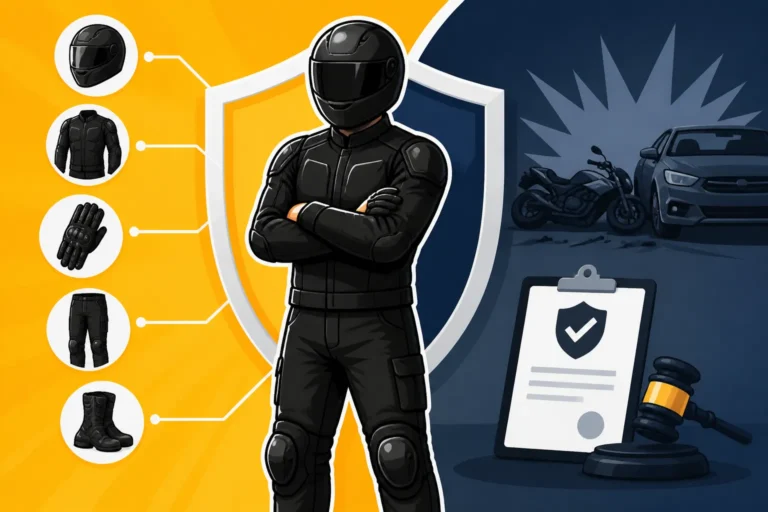
Beyond your helmet, think about the rest of your gear. While Washington doesn't have universal laws for other protective gear, wearing a sturdy motorcycle jacket with armor, abrasion-resistant pants (not just jeans!), gloves, and proper motorcycle boots can prevent or minimize road rash, broken bones, and other Common Motorcycle Accident Injuries. All of this gear, though not legally mandated, shows responsible riding and can strengthen your position if you ever need to make a claim for Motorcycle Accident Liability: A Complete Guide.
Documentation and Post-Accident Steps
No one wants to think about an accident, but being prepared can make a huge difference if the worst happens. After a motorcycle accident, your actions immediately following the incident are crucial. Your priority is always your safety and health. What to Do Immediately After a Motorcycle Accident includes moving to a safe location if possible, checking for injuries, and calling 911. Even if you feel okay, seek immediate medical attention. Many injuries, especially head injuries, have delayed symptoms. Why You Should Seek Immediate Treatment cannot be overstated. Get checked out by medical professionals as soon as possible, and continue to follow their advice and document all your medical appointments. How to Document Injuries for a Claim is vital for any future claim.
If you are able and it is safe to do so, document the accident scene thoroughly. Take photos of everything: your motorcycle, the other vehicles involved, road conditions, traffic signs, and importantly, your helmet and any other gear you were wearing. These photos can be critical evidence. For instance, pictures of a severely damaged, DOT-compliant helmet can prove you were wearing appropriate protection and illustrate the force of impact. Do not admit fault or make assumptions about the accident. Simply exchange information with the other parties involved. Knowing your rights and responsibilities under Washington law, and having a good grasp of the specifics of the helmet law, will serve you well, even in the most stressful situations.
| Aspect of Law | Description | Compliance Check | Importance for Claim |
|---|---|---|---|
| Universal Helmet Law | All riders and passengers on motorcycles/mopeds in WA must wear a helmet. | Ensure everyone on the bike has one. | Demonstrates responsibility, mitigates "helmet defense." |
| DOT Compliance | Helmet must meet Federal Motor Vehicle Safety Standard (FMVSS) 218. | Look for the DOT sticker on the back. | Essential for legal compliance and actual protection; strengthens injury claim. |
| Proper Fit | Helmet should be snug, level, and not shift on your head. | Try it on, shake head gently; if it moves, it's too big. | Maximize protective benefits, harder for defense to argue poor performance. |
| Good Condition | Replace helmet after any impact or every 5 years. | Inspect for cracks, frayed straps, degraded padding. | A damaged helmet offers less protection and can be used against your claim. |
Disclaimer
Please remember, this article provides general information and insights into Washington's motorcycle helmet laws and their potential impact on accident claims. This content is for informational purposes only and should not be considered legal advice. Motorcycle accident laws can be complex and are subject to change. If you have been involved in a motorcycle accident or have specific questions about your legal rights and obligations, it is always best to consult with a qualified legal professional specializing in motorcycle accident cases in Washington State.