How Gear Affects Injury Severity
Riding a motorcycle offers unparalleled freedom, but it also comes with inherent risks. One of the toughest realities riders face is the undeniable vulnerability when an accident occurs. Even a low-speed tip-over can result in painful, debilitating injuries, let alone a collision with another vehicle. This guide will delve deep into how proper motorcycle gear dramatically impacts the severity of injuries sustained in a crash, and why investing in it is one of the most crucial decisions a rider can make for their safety and future well-being.
Understanding the Rider's Vulnerability on the Road
Let's be honest, we all know the statistics aren't always kind to motorcyclists. When a two-wheeled machine weighing a few hundred pounds comes into contact with a multi-ton vehicle or the unforgiving asphalt, the rider is almost always going to come out worse. Unlike car drivers, we don't have airbags, seatbelts, or a steel cage surrounding us. Our own bodies are the crumple zones, and that's a chilling thought. This raw exposure is precisely why every piece of gear we choose plays such a critical role in our safety net.
The Exposed Human Body in a Crash Scenario
Imagine hitting the pavement at even 30 miles per hour. That's a rapid deceleration from cruising speed to zero, and your body is subjected to massive kinetic forces. Your skin, the largest organ, is no match for asphalt, which acts like sandpaper, stripping away layers in a fraction of a second. Bones can snap under impact, joints can dislocate, and the delicate organs within your torso are vulnerable to crushing forces. The human body, while resilient in many ways, has its limits, and those limits are often tested in a motorcycle accident. Without protection, even minor incidents can lead to devastating, life-altering trauma. This is especially true for injuries like road rash, which can range from superficial scrapes to deep, third-degree wounds requiring extensive skin grafts, prolonged hospital stays, and costly rehabilitation.
Common Motorcycle Accident Injuries
The list of potential injuries from a motorcycle accident is unfortunately extensive. Beyond the immediate and obvious cuts, bruises, and broken bones, riders often suffer from very specific types of trauma. These include traumatic brain injuries (TBIs), spinal cord injuries, severe road rash, fractures to extremities (legs, arms, wrists), internal organ damage, and devastating facial injuries. For more on this, you can learn about Common Motorcycle Accident Injuries. Many of these injuries carry long-term consequences, impacting a rider's ability to work, enjoy hobbies, and maintain their quality of life. The severity of these injuries is often directly correlated with the type and quality of protective gear worn at the time of the crash. It's not just about surviving the initial impact; it's about minimizing the damage that could haunt you for years to come.
The Essential Role of Specific Motorcycle Gear
When we talk about "gear," we're not just talking about looking cool, though that's certainly a bonus. We're talking about a meticulously engineered system designed to protect you from impact, abrasion, and punctures. Every single item, from your helmet to your boots, has a job to do, and understanding that job helps riders make informed choices. This isn't just about meeting minimum legal requirements; it's about investing in your future.
Helmets: The Ultimate Head Protection
The helmet is, without a doubt, the single most critical piece of motorcycle safety gear. Its primary job is to protect your brain and skull from impact, preventing or mitigating the most catastrophic injuries. Modern helmets are complex pieces of engineering, consisting of a tough outer shell, an impact-absorbing EPS (Expanded Polystyrene) liner, comfort padding, and a retention system.
When selecting a helmet, two factors are paramount: fit and certification. A helmet that doesn't fit correctly won't do its job in a crash, potentially shifting or coming off. Always look for helmets with DOT certification, which means they meet the minimum safety standards set by the U.S. Department of Transportation. Many riders also opt for helmets that have additional certifications like Snell or ECE, which often signify even higher levels of impact protection. Full-face helmets offer the most comprehensive protection, safeguarding your entire head and face from both impact and road abrasion, a crucial consideration for preventing severe Motorcycle Facial Injuries Claims and Compensation. While partial helmet laws exist in some states, a full-face helmet offers superior protection.
Jackets and Pants: Shielding Your Skin and Joints
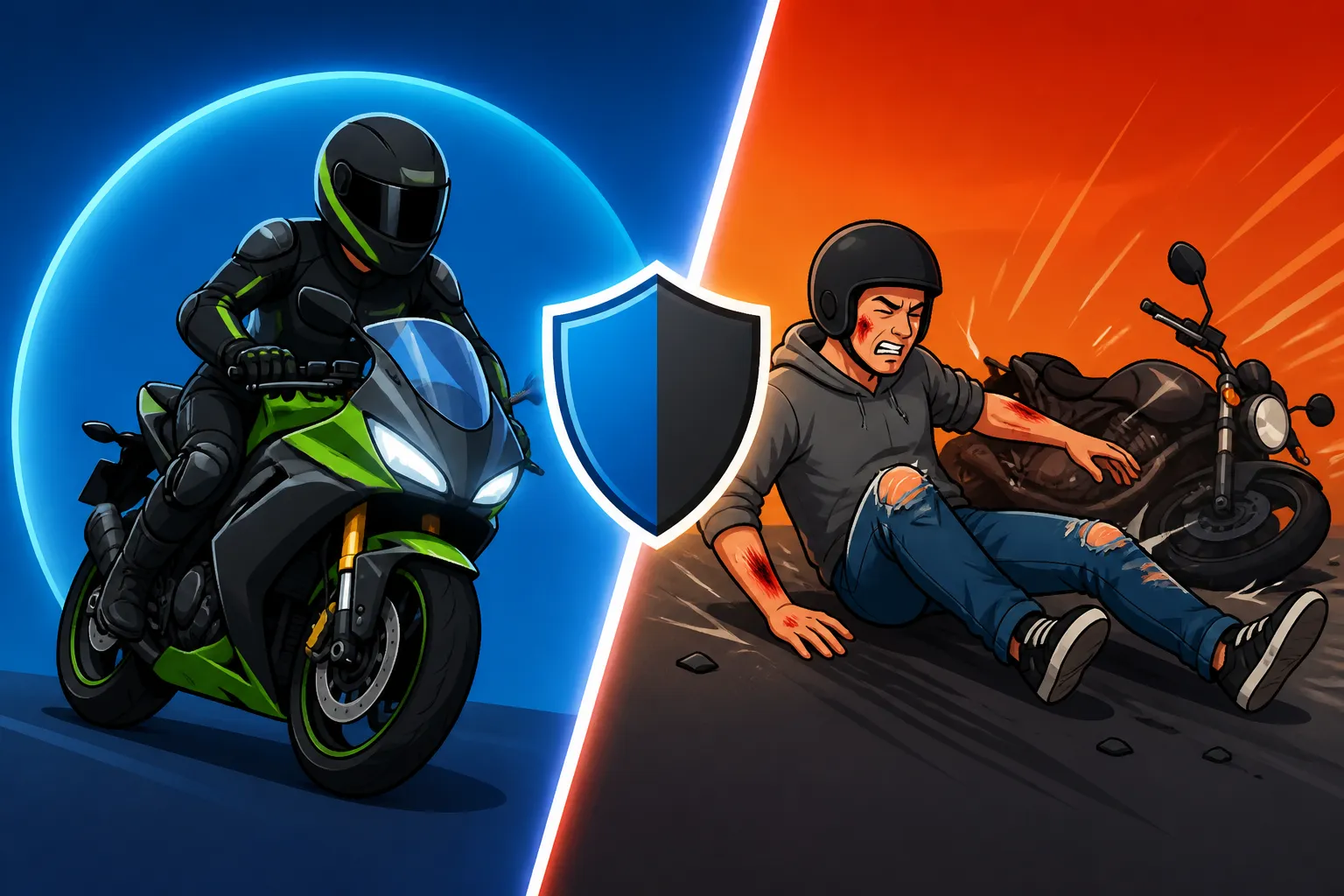
Motorcycle-specific jackets and pants are designed to protect your torso and limbs from abrasion, impacts, and the elements. They are vastly different from regular street clothes. Materials like leather, Cordura, and Kevlar are commonly used for their incredible abrasion resistance. Think about it: sliding across asphalt at speed would shred denim in an instant, leaving your skin completely exposed.
Beyond abrasion resistance, good motorcycle jackets and pants incorporate armor at key impact points: shoulders, elbows, back, hips, and knees. This armor, often made from viscoelastic materials like D3O or SAS-TEC, is designed to absorb and dissipate impact energy, significantly reducing the risk of fractures and severe bruising. Brands like Cycle Gear offer a wide range of jackets and pants, from full leather suits for track days to textile options with advanced armor for touring, catering to diverse riding styles and protection needs. Many quality garments will have CE-rated armor, indicating they meet European safety standards for impact protection.
Gloves and Boots: Protecting Extremities
Your hands and feet are often the first points of contact with the ground in a fall, and they are incredibly complex structures with many small bones that are prone to fracture. Motorcycle gloves provide critical abrasion resistance for your palms and fingers, as well as impact protection for your knuckles. Look for gloves with reinforced palms, sturdy seams, and knuckle armor.
Similarly, motorcycle boots are designed to protect your ankles and feet from crushing injuries, twisting, and abrasion. They typically feature strong ankle support, reinforced toe and heel areas, and robust soles. While any closed-toe shoe is better than sandals, proper riding boots can mean the difference between a sprained ankle and a permanently debilitating foot injury. The right boots will prevent your foot from bending in unnatural ways during an accident, protecting you from Motorcycle Broken Bones Claims and Compensation in your lower extremities. Investing in these items is not just about avoiding immediate pain; it's about protecting the functionality of your hands and feet for a lifetime of activity.
How Protective Gear Minimizes Injury Severity
The direct link between wearing proper gear and reducing injury severity is not anecdotal; it's backed by extensive research and countless real-world scenarios. Each component of your riding kit works in concert to mitigate the forces and trauma that would otherwise devastate an unprotected rider.
Preventing and Reducing Road Rash
Road rash is one of the most common motorcycle accident injuries, and it can be incredibly painful, disfiguring, and costly to treat. It occurs when unprotected skin scrapes against the road surface, essentially grinding away layers of flesh. High-quality riding gear – especially abrasion-resistant jackets, pants, and gloves – acts as a sacrificial layer between your skin and the pavement.
Instead of your epidermis being stripped away, the tough materials like leather or reinforced textiles take the brunt of the slide. While the gear itself might be shredded or damaged, your skin often remains intact, or at least suffers only minor abrasions. This can prevent the need for agonizing wound cleanings, skin grafts, and long-term scarring. The difference between a simple clean-up and a third-degree road rash requiring weeks of painful medical treatment and potential permanent disfigurement is often just the quality of your riding jacket.
Absorbing and Dissipating Impact Forces
Beyond abrasion, impacts are a major concern. Hitting a car, a guardrail, or even just the ground can transfer immense energy to your body. This is where impact-absorbing armor, strategically placed in helmets, jackets, and pants, truly shines. This specialized armor is designed to deform and distribute the energy of an impact over a larger area and a longer period, reducing the peak force that reaches your body.
For example, a helmet's EPS liner crushes during impact, extending the duration of the energy transfer and significantly lowering the g-forces transmitted to your brain. This can be the difference between a mild concussion and a severe Motorcycle Traumatic Brain Injury Claims and Compensation. Similarly, knee and elbow armor might crack or compress, but in doing so, they prevent your bones from bearing the full brunt of a direct hit, thus avoiding fractures or joint dislocations. This engineered energy management is a cornerstone of modern protective gear.
Protecting Against Penetration and Extreme Weather
While less common, sharp objects or debris on the road can pose a penetration risk. The sturdy materials and layers in riding gear offer a degree of protection against punctures that ordinary clothing simply cannot. Imagine sliding through broken glass or sharp metal – thick leather or reinforced textiles provide a vital barrier.
Furthermore, gear designed for various weather conditions also indirectly contributes to safety. Being too cold, wet, or hot can impair a rider's focus and reaction time, increasing the risk of an accident in the first place. Waterproof jackets keep you dry, vented gear keeps you cool, and insulated layers keep you warm, allowing you to maintain concentration on the road ahead. This isn't just about comfort; it's about maintaining optimal cognitive function and control, which are critical for accident prevention.
Legal and Insurance Implications of Gear Use
It's not just about physical protection; the gear you wear (or don't wear) can have significant repercussions on your motorcycle accident claim. Insurance companies and legal teams often scrutinize gear use to assign fault or reduce payouts, particularly in states with specific helmet and gear laws. This is a cold, hard truth that many riders only discover after a crash.
The "Helmet Defense" and Comparative Negligence
In many jurisdictions, if you sustain a head injury in a motorcycle accident while not wearing a helmet, the opposing party's insurance company or legal team may invoke what's known as the "helmet defense." This argument asserts that your injuries would have been less severe, or perhaps avoided entirely, had you been wearing an approved helmet. Even in states where helmets are not universally mandated, this defense can still be used to argue that you contributed to the severity of your own injuries.
This ties directly into the concept of Comparative Negligence in Motorcycle Accidents. If a court finds that your failure to wear a helmet contributed to the extent of your head injuries, your overall compensation for those specific injuries could be reduced by the percentage of fault assigned to you for not wearing appropriate safety gear. For example, if you are deemed 20% responsible for the severity of your TBI due to not wearing a helmet, your damages for that injury might be reduced by 20%. This can significantly impact your motorcycle accident settlement payout for medical bills and pain and suffering.
Proving Gear Use and Mitigating Damages
If you're involved in an accident, proving you were wearing appropriate gear can be crucial for your claim. It helps counter any arguments that you contributed to your own injuries by being unprotected.
Here's how you can document and prove gear use:
- Photos of Damaged Gear: Take pictures of your damaged helmet, jacket, pants, gloves, and boots at the accident scene or immediately afterward. This evidence clearly shows you were wearing the gear and that it sustained impact, proving its protective role.
- Witness Statements: If there were witnesses, their testimony confirming you were fully geared up can be very helpful.
- Police Report: The investigating officer may note if you were wearing a helmet or other gear. Always review the police report for accuracy. Learn about How Police Reports Establish Fault.
- Medical Records: Medical professionals might note your gear during initial treatment, especially if it had to be cut off to access injuries.
By proactively documenting your gear, you can strengthen your claim and prevent insurance companies from using the "helmet defense" or other arguments to reduce your rightful compensation. Even if your state doesn't have a universal helmet law, demonstrating that you took every reasonable precaution to protect yourself can speak volumes about your diligence.
How Missing Gear Affects Your Claim
When you don't wear adequate gear, or any gear at all, insurance adjusters and defense attorneys will aggressively use this against you. They will argue that your injuries were exacerbated by your negligence, shifting a portion of the responsibility (and thus the financial burden) onto you. For example, if you suffer severe road rash while riding in shorts and a t-shirt, the insurer will likely argue that proper riding pants and a jacket would have prevented or minimized those injuries. This argument can be incredibly effective in reducing compensation for Motorcycle Road Rash Claims and Compensation.
It's not just about head injuries. If you break your ankle while wearing sneakers instead of sturdy riding boots, they might argue that proper boots would have provided sufficient support to prevent the fracture. This can be deeply frustrating for riders already dealing with the aftermath of an accident, but it's a harsh reality of how claims are evaluated. Understanding these implications emphasizes why gear isn't just a recommendation; it's a vital component of protecting both your body and your financial recovery.
The Financial Impact of Gear-Related Injuries
While the physical and emotional toll of a motorcycle accident is immeasurable, the financial consequences can be equally devastating. The lack of proper gear doesn't just increase injury severity; it directly escalates the costs associated with those injuries, often leading to protracted financial hardship.
Medical Expenses and Long-Term Care
Severe injuries sustained due to lack of gear, such as traumatic brain injuries, spinal cord injuries, or extensive road rash, typically come with exorbitant medical bills. A severe TBI can require immediate emergency care, multiple surgeries, intensive care unit stays, and prolonged rehabilitation involving physical therapy, occupational therapy, and cognitive therapy. The costs can quickly climb into hundreds of thousands, if not millions, of dollars over a lifetime. For a deep dive into these types of damages, look into Medical Expenses in a Motorcycle Claim.
Similarly, extensive third-degree road rash might necessitate multiple debridement procedures, skin grafts, and specialized wound care, all of which are costly and painful. These long-term care needs can extend for months or even years, putting immense financial strain on the injured rider and their family. If an insurer successfully argues that a portion of these costs could have been avoided by wearing gear, your settlement could be significantly reduced, leaving you to shoulder a substantial portion of these overwhelming expenses.
Lost Wages and Diminished Earning Capacity
Beyond immediate medical costs, severe injuries often lead to significant lost wages. If your injuries prevent you from returning to work, or if they force you into a lower-paying job, the financial impact is profound. For example, a severe spinal cord injury could result in permanent disability, preventing a construction worker from ever returning to their trade. Even less severe injuries, like a broken arm, could keep someone like a mechanic or an artist out of work for months, leading to substantial income loss. You can find more information about Lost Wages in a Motorcycle Claim and how they are calculated.
When an insurer can argue that the severity of these injuries, and thus the extent of your lost earning capacity, was partially due to not wearing appropriate gear, they have a strong basis to reduce your compensation. This means you might receive less money to cover future lost income, forcing you to bear the financial burden of your decreased earning potential, all because of a decision not to wear a jacket or sturdy boots.
Pain, Suffering, and Quality of Life Damages
Pain and suffering damages are a significant component of many motorcycle accident settlements, compensating victims for physical pain, emotional distress, disfigurement, and loss of enjoyment of life. However, if your injuries are deemed more severe because you weren't wearing gear, the insurance company will argue that you bear some responsibility for your increased pain and suffering.
Imagine living with severe, permanent scarring from road rash that could have been prevented by a proper riding jacket. Or coping with chronic pain from a knee injury that might have been less severe with impact-absorbing knee armor. While you are undeniably suffering, the defense may contend that a portion of that suffering was "self-inflicted" by your choice of attire. This can lead to a lower valuation of your non-economic damages, further impacting your overall settlement. For further reading on this specific type of damage, check out Pain and Suffering Damages Explained. This demonstrates that the decision to wear full gear extends beyond simple physical safety; it safeguards your entire future quality of life and your ability to seek fair compensation for losses.
Choosing and Maintaining Your Riding Gear for Maximum Protection
Investing in the right gear is a commitment, and it's one that every rider should take seriously. It's not just about buying the most expensive items, but about making informed choices and ensuring your gear remains in top condition. Think of it as your personal investment in safety and future peace of mind.
Sizing, Fit, and Material Selection
The effectiveness of any piece of protective gear hinges heavily on its fit. Gear that is too loose can shift during an impact, exposing vulnerable areas, while gear that is too tight can be uncomfortable and restrictive, potentially distracting you while riding. Always try on helmets, jackets, pants, gloves, and boots to ensure a snug, comfortable fit that doesn't hinder movement or vision. A reputable store like Cycle Gear will have knowledgeable staff to help you find the right size and fit.
When it comes to materials, consider your riding style and climate. Leather offers excellent abrasion resistance and a classic look but can be hot in summer. Textile gear, often made from Cordura or similar synthetic fabrics, offers good abrasion resistance, can be more breathable, and often incorporates waterproof membranes for wet weather. Kevlar-lined jeans provide a more casual look with some protection, but often lack the comprehensive impact armor of dedicated riding pants. Weigh the pros and cons of each material against your personal riding needs.
Regular Inspection and Replacement
Your riding gear isn't designed to last forever, especially after a crash. Even if a helmet looks fine after a minor drop, its internal EPS liner might be compromised, reducing its ability to protect you in a future impact. Most helmet manufacturers recommend replacing helmets every five years, or immediately after any impact, even if there are no visible signs of damage.
Similarly, jackets, pants, and gloves should be regularly inspected for wear and tear. Look for frayed seams, torn fabric, or damaged armor. Over time, the protective qualities of materials can degrade, especially with exposure to sunlight and harsh elements. Replacing worn-out gear is a crucial step in maintaining your safety. Remember, your gear is your last line of defense, and it's only as good as its current condition.
Beyond the Basics: Advanced Protective Features
As technology advances, so does riding gear. Many modern helmets now feature MIPS (Multi-directional Impact Protection System) technology, designed to reduce rotational forces on the brain during certain impacts. Airbag vests, like those offered by brands such as Alpinestars and Dainese, are also becoming more popular, deploying automatically in a crash to provide crucial protection to the torso, neck, and back.
Some riders also opt for specialized back protectors, hip protectors, or chest protectors that can be worn under or integrated into their jackets. These advanced features provide an additional layer of safety, especially for riders who participate in aggressive riding or frequently commute in high-traffic areas. While these items represent an additional investment, they offer enhanced protection that can significantly reduce the severity of catastrophic injuries. Your decision to use these advanced protections can also serve as strong evidence that you were diligent in protecting yourself, should you ever need to make a claim.
| Gear Item | Primary Protection | Secondary Protection | Common Materials | Impact on Injury Severity (Without) |
|---|---|---|---|---|
| Helmet | Head/Brain Impact | Facial Abrasion | Fiberglass, Carbon Fiber, EPS | Severe Traumatic Brain Injury, Skull Fractures, Facial Disfigurement |
| Jacket | Torso Abrasion, Shoulders/Elbows | Impact Absorption, Weather Protection | Leather, Cordura, Kevlar-Textile | Extensive Road Rash, Broken Bones (Shoulder/Elbow), Internal Injuries |
| Pants | Leg Abrasion, Hips/Knees | Impact Absorption | Leather, Kevlar-Lined Denim, Textile | Extensive Leg Road Rash, Broken Bones (Hip/Knee) |
| Gloves | Hand Abrasion | Knuckle Impact | Leather, Textile, Carbon Fiber | Severe Hand Road Rash, Broken Fingers/Wrist |
| Boots | Ankle/Foot Impact | Twisting Injuries, Abrasion | Leather, Reinforced Synthetics | Broken Ankles/Feet, Sprains, Puncture Wounds |
Disclaimer
Please remember that this article provides general information and insights into motorcycle gear and its impact on injury severity. It is not legal advice. If you are involved in a motorcycle accident, it is highly recommended to consult with a qualified legal professional who specializes in motorcycle accident claims to discuss the specifics of your situation and understand the laws in your state.