Motorcycle Helmet Law in Louisiana
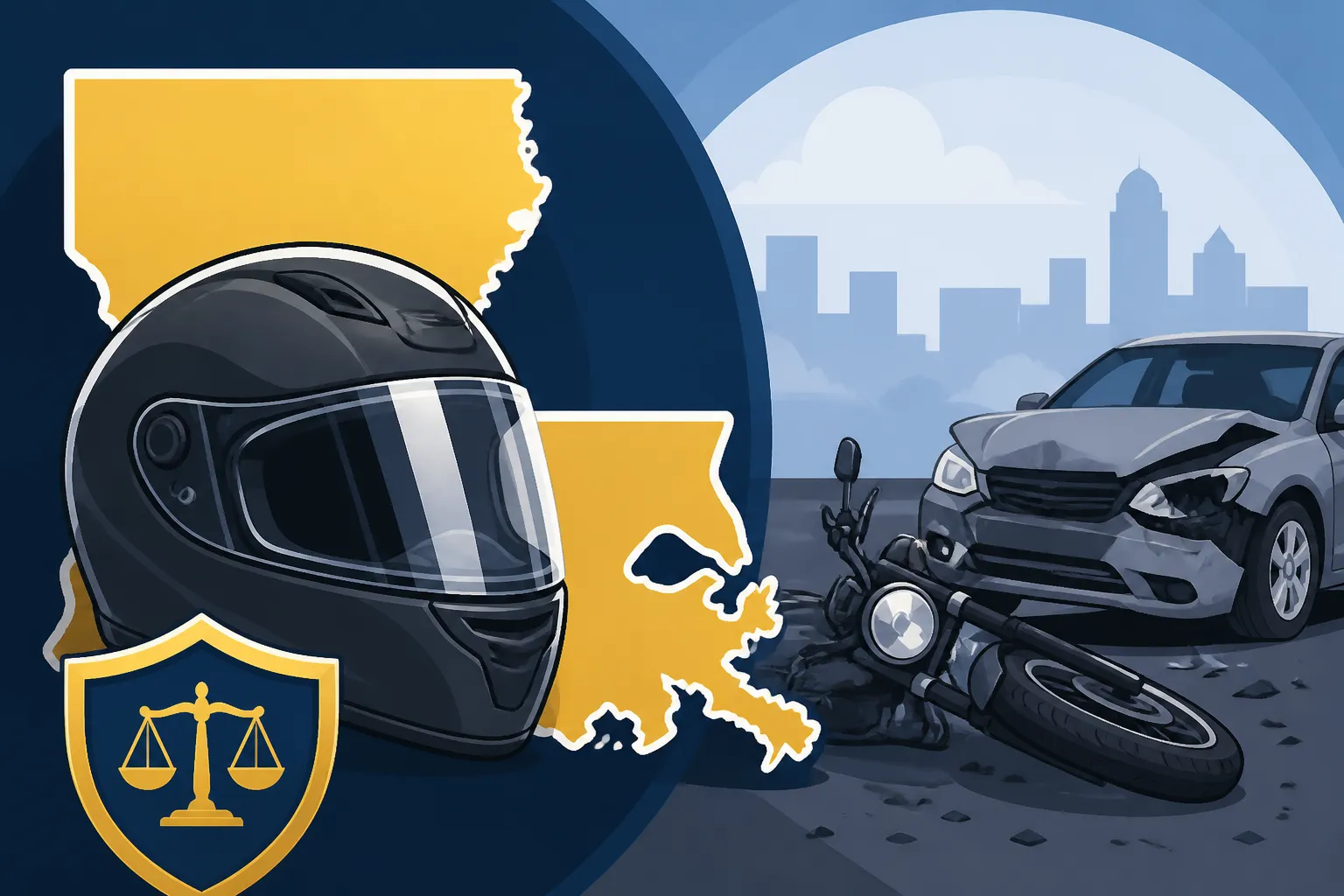
Navigating motorcycle helmet laws can feel like deciphering a cryptic puzzle, especially when you're just trying to enjoy the open road. Riders often find themselves wondering if they're fully compliant with state regulations, and the truth is, these laws vary wildly. If you're a rider in the Pelican State, understanding the specific motorcycle helmet law in Louisiana isn't just about avoiding a ticket; it's about protecting yourself and your potential accident claim. This comprehensive guide will break down everything you need to know, from who absolutely needs a helmet to how compliance impacts your legal standing after a crash.
The Specifics of Louisiana's Helmet Law
Louisiana's approach to motorcycle helmet laws is pretty straightforward compared to some other states, which can have complex age or insurance requirements. Here, the law leans heavily towards universal protection, which means most riders won't find themselves trying to navigate confusing loopholes. It's a system designed with rider safety in mind, aiming to reduce serious head injuries on the road.
Who Must Wear a Helmet in Louisiana
Unlike some states where helmet use is only mandatory for younger riders or those without specific insurance coverage, Louisiana operates under a universal helmet law. This means that if you're riding a motorcycle in Louisiana, whether you're behind the handlebars or enjoying the ride as a passenger, you must wear a helmet. This applies regardless of your age, your riding experience, or how much insurance you carry. The state's Department of Public Safety and Corrections is quite clear on this point. It's not just a recommendation; it's a legal requirement designed to offer maximum protection to everyone on two wheels. Imagine cruising down Highway 90 near New Orleans or taking a scenic route through the bayou; you'll see riders of all ages sporting their helmets, and that's because it's the law. This universal mandate simplifies compliance, removing any ambiguity about whether you need one on any given ride. For more detailed information, you can always look into the broader topic of Motorcycle Helmet Laws by State and see how Louisiana compares.
Exceptions and Conditions
While Louisiana's helmet law is largely universal, some states have specific exceptions for certain types of vehicles or situations. For instance, mopeds, motorized bicycles, or three-wheeled vehicles might sometimes fall under different regulations in other jurisdictions. However, in Louisiana, the law is quite encompassing for "motorcycles," which generally includes any vehicle designed to travel on not more than three wheels in contact with the ground, with a seat or saddle for the rider. This broad definition means that if it looks, feels, and rides like a motorcycle, a helmet is required. There are no notable exceptions for experienced riders, specific insurance coverages, or age groups once you're on a vehicle classified as a motorcycle. This removes the guesswork, ensuring that everyone operating or riding a motorcycle is afforded the same level of legal protection through helmet use.
What Makes a Helmet Legal in Louisiana?
It's not enough to simply wear any helmet; it has to be the right helmet. Just grabbing a novelty helmet from a roadside stand might feel cool, but it won't satisfy Louisiana's legal requirements or, more importantly, provide adequate protection in a crash. The law specifies certain standards that helmets must meet, focusing on safety and impact protection.
DOT Compliance and Safety Standards
Louisiana law, like federal regulations, mandates that motorcycle helmets must be compliant with the safety standards established by the U.S. Department of Transportation (DOT). What does "DOT compliant" actually mean? It means the helmet has met rigorous testing requirements, ensuring it can adequately protect your head in the event of an impact. These standards cover things like impact absorption, penetration resistance, and retention system effectiveness. You'll typically find a "DOT" sticker on the back of any compliant helmet. Without this sticker, law enforcement may consider your helmet illegal, potentially leading to a fine or, worse, offering significantly less protection during a crash. When you're shopping for new gear, whether at a local shop like Cycle Gear in Metairie or online, always look for that crucial DOT certification. Choosing a helmet that meets these standards is critical, not just for legal reasons, but for your personal safety. Learning about DOT Helmet Requirements Explained can give you a deeper understanding of these vital standards.
Beyond the Helmet: Other Required Gear
While the helmet is paramount, Louisiana law also has provisions for other protective gear, particularly eye protection. If your motorcycle isn't equipped with a windshield, both the operator and any passenger must wear eye protection. This could be a face shield attached to your helmet, goggles, or safety glasses. This requirement is logical; nobody wants dust, debris, or a rogue bug impairing their vision while navigating traffic on I-10. Beyond legal requirements, savvy riders understand that full protective gear significantly reduces the severity of injuries in an accident. Think about sturdy jackets, gloves, and riding pants. While not always legally mandated in Louisiana, wearing them is a wise choice for anyone serious about safety. Many riders invest in high-quality items from reputable brands available at stores like Cycle Gear, recognizing that this gear can mean the difference between minor scrapes and severe road rash or broken bones. This kind of preparation can also play a role in your legal standing if you ever need to make a claim, as discussed in Motorcycle Safety Gear and Legal Protection.
How Helmet Laws Can Impact Your Accident Claim
This is where understanding the law really hits home for many riders. When you've been involved in a motorcycle accident, the aftermath is incredibly stressful. Beyond dealing with injuries and vehicle damage, you're faced with insurance claims, potential legal battles, and the burden of proving who was at fault. Your adherence to helmet laws can surprisingly influence the outcome of these claims.
The "Helmet Defense" in Louisiana
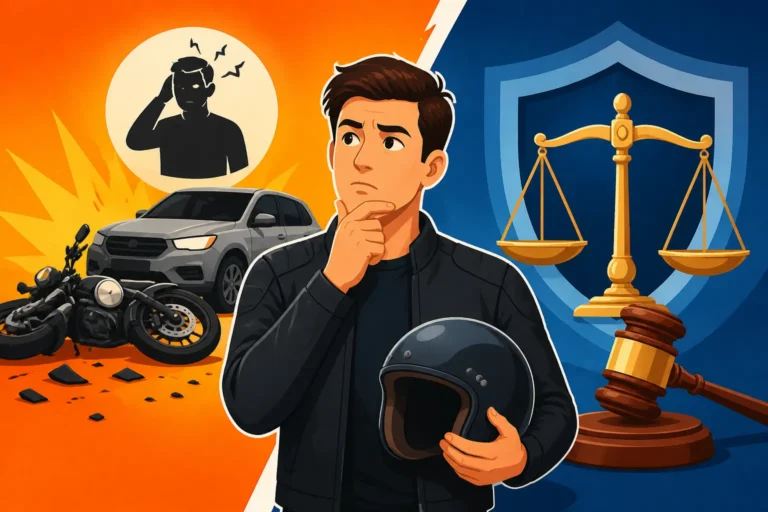
One of the most frustrating challenges a rider might face after an accident, especially if they weren't wearing a DOT-compliant helmet, is something known as the "helmet defense." This is a legal strategy often employed by the at-fault driver's insurance company or legal team. They might argue that even if their client caused the accident, your injuries (especially head injuries) would have been less severe, or perhaps even avoided, if you had been wearing a legal helmet. Essentially, they try to shift some degree of responsibility for your injuries onto you, claiming your non-compliance contributed to your harm.
In Louisiana, the legal system generally follows a pure comparative negligence rule for accident claims. This means that if you are found to be partially at fault for the accident or your injuries, your total compensation can be reduced by your percentage of fault. For example, if a jury determines you suffered a traumatic brain injury and awards you $500,000, but also decides that your lack of a DOT-compliant helmet made your injury 20% worse, your award could be reduced by $100,000. This "helmet defense" doesn't necessarily mean you can't recover any damages, but it can significantly diminish your payout. It’s a bitter pill to swallow when you're already suffering. This concept is thoroughly explored in resources like How Helmet Laws Affect Your Accident Claim and The Helmet Defense Explained, which highlight how crucial it is to meet these legal requirements.
Protecting Your Claim with Proper Gear and Documentation
To effectively counter the "helmet defense" or any attempt to diminish your claim, being proactive about safety and documentation is key. First and foremost, always wear a DOT-compliant helmet and ensure any passengers do the same. This immediately removes one potential argument against your claim. After an accident, if you are able, document everything. Take photos of your helmet – its condition, the DOT sticker, and how it was damaged. This can serve as crucial Protective Gear as Evidence in a Claim.
Medical records are also vital. Seek immediate medical attention, even if you feel fine. Documenting your injuries from the outset creates a clear timeline and link between the accident and your harm, making it harder for insurance companies to argue otherwise. Furthermore, maintain records of all related expenses, including medical bills, lost wages, and property damage. Even if the other driver was clearly at fault in a Left-Turn Motorcycle Accident, the insurance company will look for any reason to pay out less. Having proper gear and meticulously documenting the aftermath of an accident strengthens your position considerably. This comprehensive approach helps ensure that your focus can remain on recovery, knowing you've done everything possible to protect your legal rights. Understanding How to Prove You Wore a Helmet can provide practical steps for documenting this crucial evidence.
Staying Safe and Legal on Louisiana Roads
Riding a motorcycle is an exhilarating experience, but it comes with inherent risks. Adhering to safety laws and adopting best practices isn't just about compliance; it's about minimizing those risks and ensuring you can continue to enjoy the road for years to come. In Louisiana, with its often unpredictable weather and diverse road conditions, being prepared is half the battle.
Best Practices for Rider Safety
Beyond the legal requirements, there are numerous best practices that every rider should embrace. Always assume other drivers don't see you. This defensive mindset is critical on Louisiana's busy roads, especially in urban areas like Baton Rouge or Shreveport. Maintaining a safe following distance, using your signals consistently, and making eye contact with drivers at intersections can literally save your life. Regular maintenance of your motorcycle, including checking tires, brakes, and lights, is also non-negotiable. A well-maintained bike is a safer bike. Investing in advanced rider training courses, even if you're an experienced rider, can sharpen your skills and improve your reaction time. Many local motorcycle groups in Louisiana offer these courses, and they're an excellent way to connect with other riders while enhancing your safety. Remember, safety gear extends beyond the helmet to include robust jackets, pants, gloves, and sturdy boots. Stores like Cycle Gear offer a wide array of protective clothing designed to protect you from impacts and road abrasion. Prioritizing safety through gear and training means you're not just a statistic; you're a proactive rider.
Common Misconceptions About Helmet Use
There are quite a few myths floating around about helmet use that can sometimes deter riders from wearing them or choosing the right kind. One common misconception is that helmets impair hearing or peripheral vision, making them more dangerous. Modern, DOT-compliant helmets are designed with careful consideration for these factors, often enhancing rider safety by reducing wind noise fatigue and offering wide fields of view. Another myth suggests that helmets cause neck injuries in a crash by twisting the head. Studies, however, consistently show that helmets drastically reduce severe head injuries without a corresponding increase in neck injuries; the helmet's primary function is to absorb impact, not to be a rigid weight.
Some riders also mistakenly believe that a simple skull cap or a non-DOT-approved novelty helmet offers sufficient protection. As we've discussed, these often provide minimal to no impact protection and will not meet Louisiana's legal requirements. Understanding What Is a DOT-Compliant Helmet can help dispel some of these myths by highlighting the rigorous testing and design standards involved. Educating yourself about these facts can help you make informed decisions, ensuring you're not falling prey to misinformation that could jeopardize your safety or your legal standing.
Summary of Louisiana Motorcycle Helmet Law
To make it easy to remember the key points about motorcycle helmet laws in Louisiana, here's a quick overview:
| Feature | Louisiana Law Requirement | Implications for Riders |
|---|---|---|
| Helmet Use | Universal: All operators and passengers must wear a helmet. | No exceptions based on age, insurance, or riding experience. |
| Helmet Standard | Must be DOT (U.S. Department of Transportation) compliant. | Look for the DOT sticker; novelty helmets are illegal and unsafe. |
| Eye Protection | Required if the motorcycle does not have a windshield. | Goggles, face shields, or safety glasses are acceptable. |
| Impact on Claims | Non-compliance can lead to the "helmet defense," reducing payout. | Always wear a compliant helmet to protect your legal claim. |
| Penalties | Fines and potential legal repercussions for non-compliance. | Avoid tickets and ensure maximum safety on the road. |
This table serves as a handy reference for staying compliant and safe while enjoying your ride across Louisiana. Remember, the law is there to protect you.
Disclaimer
This article is for general informational purposes only and does not constitute professional advice. Laws and regulations vary by location and change over time. Consult a qualified professional for guidance on your specific situation.