Motorcycle Helmet Law in Tennessee
Riding a motorcycle in a state with unique helmet laws can be incredibly confusing, leaving you wondering if you're truly compliant or if you're unknowingly putting yourself at risk, both on the road and legally. Navigating these rules, especially when you cross state lines or haven't checked them recently, can feel like a minefield. This guide will thoroughly explain Tennessee's motorcycle helmet law, what it means for every rider, and how it can impact you, even in the unfortunate event of an accident.
Understanding Tennessee's Helmet Law for Motorcyclists
Tennessee has always been pretty clear about its stance on helmets, standing out from some of its neighbors. Unlike states with more relaxed rules that might only apply to younger riders or those without specific insurance, Tennessee adheres to a more protective approach. It’s not about if you should wear a helmet; it’s about the fact that you must if you’re riding a motorcycle on public roads here.
The Basics of the Universal Helmet Law
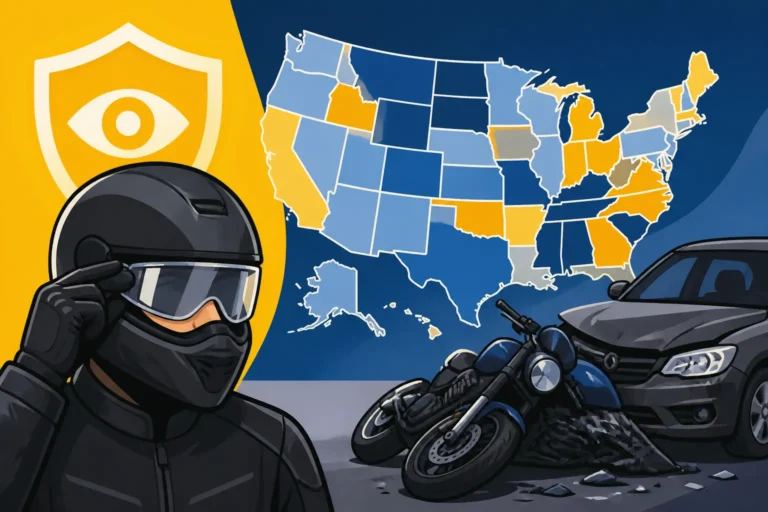
In Tennessee, the law is unambiguous: it's a "universal" helmet law. This means that every single person, regardless of their age, experience level, or whether they carry extra insurance, is legally required to wear a motorcycle helmet when operating or riding as a passenger on a motorcycle. There are no exceptions for adult riders, which is a common point of confusion for those traveling from states with partial or no helmet laws. For instance, if you're accustomed to riding helmet-free in a state like Iowa or New Hampshire, you'll need to secure a DOT-compliant helmet the moment your wheels hit Tennessee asphalt. This stringent rule is designed to offer maximum protection to riders, recognizing the inherent vulnerabilities associated with motorcycling.
The core idea behind a universal law is to mitigate serious injuries in accidents. While some riders might feel it infringes on personal freedom, the data consistently shows that helmets significantly reduce the risk of head injury and fatality. When you're cruising down scenic routes like the Tail of the Dragon or through the bustling streets of Nashville, that helmet isn't just a legal requirement; it's your first line of defense.
Who is Required to Wear a Helmet
As mentioned, the answer is everyone. If you’re on a motorcycle in Tennessee, your head needs to be protected by an approved helmet. This includes:
- Motorcycle Operators: Whether you’re a seasoned veteran rider with thousands of miles under your belt or a new rider just getting your endorsement, the helmet is mandatory.
- Motorcycle Passengers: Even if you're just enjoying the ride from the back, Tennessee law requires you to wear a helmet. This applies equally to adults and children. There’s no age cutoff where a passenger becomes exempt.
- Riders of Mopeds and Motor-Driven Cycles: While often seen as separate categories, Tennessee's helmet law extends to these smaller motorized two-wheelers when ridden on public roads. It's crucial not to confuse mopeds or scooters with bicycles; if it has an engine, assume the helmet law applies.
This all-encompassing requirement contrasts sharply with states that have partial helmet laws, where only riders under 18 or 21 are required to wear helmets, or those that have no helmet law at all. The universal nature of Tennessee's law aims to provide consistent safety standards for everyone sharing the road on two wheels. Failing to comply isn't just a minor infraction; it can lead to direct legal consequences and, more critically, severely exacerbate injuries in a crash. Understanding these nuances is crucial for any rider passing through or living in the state, and it's a vital part of staying safe and legal. You can learn more about specific laws in your area by checking out articles like Motorcycle Helmet Law in Tennessee.
Penalties for Non-Compliance
So, what happens if you're caught riding without a helmet in Tennessee? It's not just a slap on the wrist; there are actual penalties you'll face. The primary consequence is typically a traffic citation, which carries a fine. The exact amount can vary depending on the jurisdiction (e.g., city, county) and whether it's your first offense or a repeat. Beyond the monetary fine, you'll also likely incur points on your driving record. Accumulating too many points can lead to increased insurance premiums or even, in more severe cases, suspension of your motorcycle endorsement or driver's license.
Imagine you're pulled over for a routine traffic stop near Gatlinburg and the officer notices you're not wearing a helmet. You could be looking at a fine and a ding on your record, even if you were otherwise riding perfectly safely. It's an automatic violation because the law is clear. While the immediate penalty might seem manageable, the long-term impact on your insurance rates can be significant. Furthermore, if you get into an accident while not wearing a helmet, the legal ramifications extend far beyond a simple ticket, potentially complicating any injury claims you might have. This aspect alone often makes the cost of a good helmet seem like a bargain.
What Makes a Helmet Legal in Tennessee: DOT Compliance
It’s not enough to just wear any helmet; it has to be a helmet that meets specific safety standards. This is where the term "DOT-compliant" comes into play, and it's a critical distinction to understand for every rider in Tennessee.
Recognizing a DOT-Compliant Helmet
A helmet is considered DOT-compliant if it meets the safety standards set by the U.S. Department of Transportation (DOT), specifically Federal Motor Vehicle Safety Standard (FMVSS) 218. This standard dictates requirements for energy attenuation, penetration resistance, retention system structural integrity, and peripheral vision. Essentially, it means the helmet has been tested and proven to offer a certain level of protection in a crash.
So, how do you know if your helmet is DOT-compliant? It's usually quite easy to spot. Look for a "DOT" sticker on the back of the helmet. This sticker isn't just for show; it's the manufacturer's certification that the helmet meets the standard. However, be cautious – there are fake DOT stickers out there. A genuinely compliant helmet will also typically have:
- A sturdy chin strap with rivets: This ensures the helmet stays on your head during an impact.
- Thick inner lining (at least one inch of firm foam): This is crucial for energy absorption.
- A weight that feels substantial: While lightweight helmets exist, extremely light ones might not offer adequate protection.
When you're shopping for a helmet, whether at a local shop in Memphis or browsing online, always verify these characteristics. Reputable brands like Bell, Shoei, and HJC consistently produce DOT-compliant helmets. For a deeper dive into what makes a helmet compliant, check out DOT Helmet Requirements Explained.
The Dangers of Non-Compliant Helmets
This is where the rubber meets the road, so to speak, in terms of safety and legal standing. Many riders, often unknowingly, wear what are commonly referred to as "novelty helmets." These helmets might look cool, feel lighter, and provide some wind protection, but they do not meet DOT safety standards. They are essentially fashion accessories that offer minimal to no real protection in a crash.
The dangers of novelty helmets are stark. In an accident, a non-compliant helmet is highly unlikely to absorb impact energy effectively. This means that forces from a collision are transmitted directly to your head, drastically increasing your risk of severe traumatic brain injury, skull fractures, or even fatal injuries. Imagine you're involved in a low-speed collision on I-40. Even a minor impact could become life-threatening if your helmet cracks or comes off easily.
From a legal standpoint, wearing a non-compliant helmet in Tennessee is equivalent to not wearing a helmet at all. If you're involved in a crash, an insurance company or opposing counsel will quickly point out that your helmet did not meet legal requirements. This can significantly hurt your motorcycle accident claim, even if the other driver was clearly at fault. They can argue that your injuries would have been less severe had you been wearing a proper helmet, thereby reducing the amount of compensation you might receive. This is part of what's known as the "helmet defense," which we'll discuss further. The bottom line: prioritize safety by always choosing a helmet with genuine DOT certification.
Beyond the Law: How Helmet Use Impacts Your Accident Claim
Beyond simply avoiding a ticket, wearing a DOT-compliant helmet plays a massive role in protecting you in the aftermath of an accident, especially when it comes to any injury claims you might need to make. The legal landscape here is complex, and insurance companies are always looking for ways to reduce payouts.
The "Helmet Defense" in Tennessee
The "helmet defense" is a tactic often used by insurance companies and opposing legal teams in motorcycle accident cases. In states like Tennessee with universal helmet laws, if a rider involved in a crash was not wearing an approved helmet, or was wearing a novelty helmet, the defense can argue that their head injuries were either caused or made significantly worse by this failure. Even if the other driver was entirely at fault for causing the accident, the defense might claim that the rider's damages for head injuries should be reduced because they didn't take reasonable steps to protect themselves.
This argument can be incredibly damaging to a claim for a traumatic brain injury (TBI), concussions, or other head-related trauma. For example, if you sustain a severe head injury in a crash where the other driver ran a red light, but you weren't wearing a DOT-compliant helmet, the insurance company for the at-fault driver might argue that your payout for medical bills and pain and suffering related to that head injury should be reduced by a certain percentage. This could mean a substantial reduction in your overall settlement.
While Tennessee operates under a modified comparative negligence rule, meaning you can still recover damages even if you're partially at fault (as long as your fault is not 50% or greater), the helmet defense specifically targets the severity of certain injuries. It's not about who caused the crash, but rather about whether your actions (or inactions) contributed to the extent of your injuries. This is why understanding How Helmet Laws Affect Your Accident Claim is so vital for every rider.
Protecting Your Claim with Proper Gear
Conversely, consistently wearing a DOT-compliant helmet and other appropriate motorcycle gear can significantly strengthen your motorcycle accident claim. When you're involved in a crash, showing that you took all reasonable precautions to ensure your safety can work strongly in your favor.
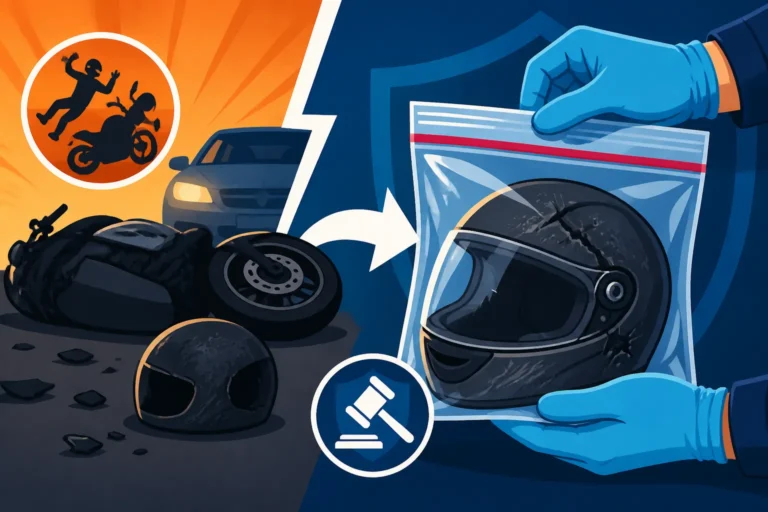
Think about it: if you're wearing a full-face, DOT-approved helmet, a sturdy jacket, protective pants, gloves, and boots, and you still sustain serious injuries like road rash, broken bones, or even a spinal cord injury, it makes it much harder for the defense to argue that you were negligent in protecting yourself. Your gear becomes crucial evidence. The damage to your helmet, for instance, can demonstrate the force of impact and how it protected your head from even worse trauma.
Furthermore, proper gear not only protects your body but also your financial recovery. It minimizes the chances of suffering certain injuries (like TBIs or severe road rash) that could become contentious points in a claim. When you show up with documented proof of severe road rash despite wearing a sturdy jacket and riding pants, it clearly illustrates the impact's severity and the extent of your suffering. Reputable brands that prioritize safety, such as Alpinestars, Dainese, or the comprehensive offerings you'd find at a retailer like Cycle Gear, invest heavily in protective technologies. Their products aren't just about comfort or style; they're designed to save you from the worst. This diligence can positively influence how insurance companies and juries perceive your claim, potentially leading to a more favorable settlement for damages like medical expenses, lost wages, and pain and suffering.
Practical Tips for Tennessee Riders
Riding a motorcycle is about freedom and the open road, but it's also about responsibility. Being proactive about your safety and understanding the laws in Tennessee can make a huge difference.
Choosing the Right Helmet
Selecting a helmet isn't just about complying with the law; it's about protecting your most valuable asset: your brain. When you're in Tennessee, ensure any helmet you purchase is explicitly DOT-compliant. Beyond that, consider these factors:
- Fit is Paramount: A helmet should fit snugly all around your head without being uncomfortably tight or having pressure points. It shouldn't move side-to-side or front-to-back when you shake your head. A loose helmet is almost as bad as no helmet in a crash. When you try one on, it should be a little difficult to slide on, and your cheeks should feel compressed.
- Helmet Type:
- Full-face helmets: These offer the most comprehensive protection, covering your entire head, face, and chin. They're excellent for protecting against impact, wind, road debris, and even road rash on your face. This is generally the gold standard for safety.
- Modular (Flip-up) helmets: These combine the full-face protection with the convenience of an open-face helmet, allowing the chin bar to flip up. Ensure the chin bar mechanism is robust.
- Open-face (3/4) helmets: These cover the top, back, and sides of your head, but leave your face exposed. If you choose this style, you must also wear eye protection in Tennessee, typically a face shield or goggles.
- Half helmets: These offer the least protection, covering only the very top of your head. While some may be DOT-compliant, they provide minimal coverage compared to other styles and are generally not recommended for maximum safety.
- Ventilation and Comfort: Especially during Tennessee's hot summers, good ventilation can make a ride much more enjoyable. Look for helmets with adjustable vents. Inner linings that can be removed and washed are also a big plus for hygiene.
- Where to Buy: Purchasing from a reputable retailer, whether it's a dedicated motorcycle shop or a large chain like Cycle Gear, ensures you're getting genuine, quality products. Staff at these stores are often knowledgeable and can help with proper sizing and fit, which is crucial for safety. They can also advise you on additional Motorcycle Safety Gear and Legal Protection beyond just the helmet. Never buy a helmet without trying it on first.
Staying Informed About Law Changes
Laws, even something as seemingly stable as helmet laws, can change. While Tennessee's universal helmet law has been a long-standing fixture, it's always wise to stay informed. Legislative sessions can bring new discussions or amendments, and it's your responsibility as a rider to know the current regulations.
Here are a few ways to stay current:
- Check Official State Websites: The Tennessee Department of Safety and Homeland Security or the Tennessee General Assembly websites are excellent resources for the most up-to-date legal information.
- Follow Motorcycle Advocacy Groups: Organizations like the American Motorcyclist Association (AMA) or local riding clubs often track legislative changes and provide updates to their members. They are usually at the forefront of advocating for rider rights and safety.
- Consult Legal Professionals: If you have specific concerns about how a law applies to your unique situation, especially after an accident, a legal professional specializing in motorcycle accident claims will have the most current and accurate information.
Being proactive about understanding and adhering to Tennessee's helmet laws isn't just about avoiding a ticket; it's about safeguarding your life and your legal standing should the unthinkable happen. Your safety on two wheels should always be your top priority.
Here's a quick overview of Tennessee's Motorcycle Helmet Law:
| Aspect | Requirement | Details |
|---|---|---|
| Law Type | Universal Helmet Law | All riders (operators and passengers) on motorcycles, mopeds, and motor-driven cycles on public roads must wear a helmet. No age exceptions. |
| Helmet Standard | DOT-Compliant | Helmets must meet Federal Motor Vehicle Safety Standard (FMVSS) 218. Look for the "DOT" sticker on the back. |
| Eye Protection | Required if helmet lacks face shield | If your helmet doesn't have a face shield, you must wear separate eye protection (goggles or a face shield). |
| Penalties | Traffic citation, fine, points on driving record | Consequences for non-compliance include fines, potential increase in insurance premiums, and can complicate injury claims after an accident. |
| Accident Impact | "Helmet Defense" | Not wearing a DOT-compliant helmet can be used by defense to argue head injuries were exacerbated, potentially reducing compensation in an injury claim. |
| Why it Matters | Safety & Legal Protection | Helmets significantly reduce severe head injuries. Wearing proper gear strengthens your position in an accident claim, proving due diligence. |
Disclaimer
Please remember that this article provides general information and insights into Tennessee's motorcycle helmet laws. Laws can change, and interpretations may vary. This content should not be considered legal advice. If you have been involved in a motorcycle accident or have specific legal questions, it is highly recommended to consult with a qualified legal professional specializing in motorcycle accident cases in Tennessee.