Motorcycle Helmet Law in North Carolina
Dealing with the aftermath of a motorcycle accident is already a nightmare, filled with pain, confusion, and the daunting task of piecing your life back together. Add to that the stress of understanding how state laws, specifically helmet laws, might impact your ability to get the compensation you need, and it can feel overwhelming. This guide is here to shed light on North Carolina's motorcycle helmet law, what it means for every rider, and crucially, how your helmet use—or non-use—can play a significant role in any accident claim you might pursue.
Understanding North Carolina's Universal Helmet Law
When you ride in North Carolina, there's no wiggle room, no age cutoff, and no "if-you-have-enough-insurance" clause. North Carolina has a universal helmet law for motorcyclists. This means if you're operating or riding as a passenger on a motorcycle or moped on public roads in the Tar Heel State, you are legally required to wear a protective helmet. It's not just a suggestion; it's the law, plain and simple, for everyone, every time.
This isn't like some states where riders over a certain age can choose to go helmetless if they meet specific insurance requirements, or where only younger riders are mandated to wear them. In North Carolina, the law applies to all riders, regardless of age or experience. This mandate stems from a clear legislative intent to reduce the severity of injuries and fatalities associated with motorcycle accidents. When you look at the statistics, head injuries are overwhelmingly the leading cause of death and serious disability in motorcycle crashes. The helmet law is a direct effort to mitigate these devastating outcomes. You might feel the wind in your hair is part of the freedom of riding, and I get that, but the state prioritizes your safety and the societal costs of severe injuries. Failure to comply can result in fines and legal penalties, but more importantly, it leaves you incredibly vulnerable on the road.
The Critical Role of DOT-Approved Helmets
It's one thing to wear a helmet, and quite another to wear a helmet that actually offers real protection. North Carolina's universal helmet law isn't just about having something on your head; it specifically requires that the helmet be a DOT-approved helmet. This isn't just a label; it signifies that the helmet meets the safety standards set by the U.S. Department of Transportation. These standards involve rigorous testing for impact attenuation, penetration resistance, and retention system strength.
Differentiating Safe Helmets from "Novelty" Helmets
You see them all over the place – those sleek, minimalist, often thin-shelled helmets that look cool but offer little to no real protection. These are often referred to as "novelty" helmets. They might pass a visual inspection if a law enforcement officer isn't looking closely, but they are absolutely not DOT-approved and are illegal for use on North Carolina roads. More importantly, they provide negligible protection in a crash. Imagine hitting your head at 30 mph with a piece of plastic that offers no energy absorption – that's what a novelty helmet often amounts to. When you're cruising down I-40 or navigating the curves on the Blue Ridge Parkway, you want a helmet that's actually going to do its job.
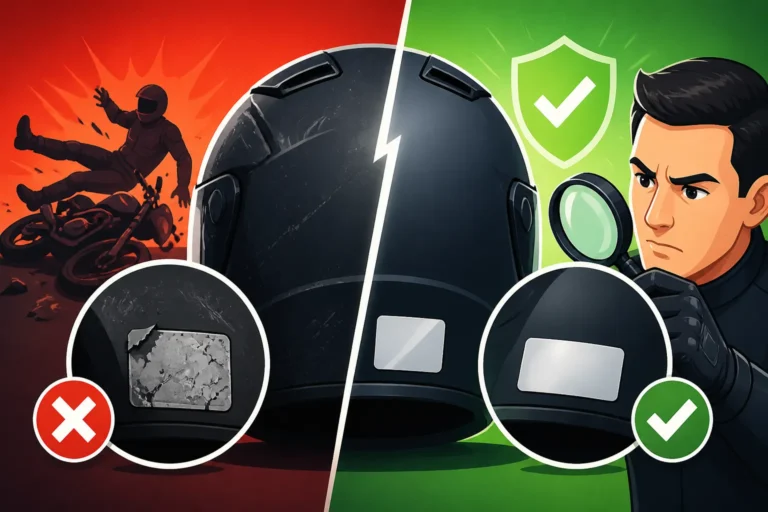
A DOT-compliant helmet will have an inner liner of dense foam (Expanded Polystyrene or EPS), a sturdy outer shell, and a robust chin strap system designed to keep the helmet securely on your head during an impact. Many reputable brands, like those found at Cycle Gear, specialize in helmets that meet and exceed DOT standards, often also carrying Snell or ECE certifications for even higher levels of protection. When you're shopping for a helmet, always look for the white DOT sticker on the back and consider the helmet's overall construction and weight. A helmet that feels too light to be substantial is likely not offering the protection you need. This sticker isn't just a formality; it’s your assurance that the helmet has been designed and tested to withstand significant impact forces and help protect your most vital organ.
How Helmet Use Impacts Your Motorcycle Accident Claim
This is where the rubber meets the road, so to speak, especially if you've been involved in a crash. In North Carolina, whether or not you were wearing a DOT-approved helmet can have a profound impact on your ability to recover damages in a personal injury claim. Insurance companies and opposing legal teams will scrutinize every detail of your accident, and your helmet use is at the top of their list.
The "Helmet Defense" and Contributory Negligence
North Carolina operates under a very strict legal principle known as pure contributory negligence. This is one of the harshest fault systems in the country. What does it mean for you? If you are found to be even one percent at fault for your accident, you could be completely barred from recovering any damages from the other driver, regardless of how negligent they were. It's a tough pill to swallow, but it's the reality of accident law in this state.
This is where the "helmet defense" comes into play. If you weren't wearing a DOT-approved helmet, the other side's insurance company will almost certainly argue that your failure to do so contributed to your injuries, especially head injuries. They don't have to prove you caused the crash; they just need to prove your own negligence (not wearing a helmet) made your injuries worse than they would have been otherwise. For instance, if you suffered a severe traumatic brain injury, the defense will argue that if you had been wearing a proper helmet, your injuries would have been less severe or even avoided entirely. This argument can be powerful enough to significantly reduce your settlement, or in a pure contributory negligence state like North Carolina, completely derail your claim for those specific injuries. This is why understanding How Helmet Laws Affect Your Accident Claim is so critical.
Protecting Your Claim by Protecting Yourself
Wearing a DOT-approved helmet isn't just about complying with the law and protecting your head; it's about protecting your financial recovery. When you wear a helmet, you directly combat one of the primary arguments insurance companies use against motorcyclists. It shows you were exercising due care and taking reasonable steps for your safety. If you sustain a head injury while wearing a helmet, it’s much harder for the defense to argue your negligence contributed to that specific injury. This can make a significant difference in how How Not Wearing a Helmet Affects Your Settlement is applied to your case.
Even if your injuries aren't head-related, the absence of a helmet can paint a picture of general recklessness in the minds of a jury or insurance adjuster, potentially affecting the perceived validity of your entire claim. Documenting your helmet use immediately after an accident, perhaps through photographs of the helmet itself (especially if it's damaged), can serve as crucial evidence. For more information on this, consider reading about The Helmet Defense Explained. It’s truly a situation where being prepared can save you a lot of heartache and money down the line.
Essential Gear Beyond the Helmet for Safety and Claims
While the helmet is paramount, especially in North Carolina where it's legally mandated, it’s just one piece of the safety puzzle. As a long-time rider, I can tell you that full protective gear isn't just about looking the part; it's about minimizing the devastating impact of road rash, broken bones, and other injuries that are all too common in motorcycle accidents.
Comprehensive Riding Gear and Its Benefits
Think about what happens in a typical motorcycle fall. Your body slides along asphalt, often at significant speed. That's where proper riding gear becomes your second skin. A good quality, abrasion-resistant jacket, made of leather or reinforced textile, can prevent deep, painful road rash and even bone fractures. Gloves protect your hands, which are instinctively put out to brace a fall, saving you from broken fingers, scraped palms, and debilitating nerve damage. Sturdy riding boots protect your ankles and feet from crushing injuries and severe abrasions. Eye protection, whether it's a helmet visor or goggles, shields your eyes from debris, wind, and impact, ensuring you maintain clear vision.
This commitment to comprehensive safety gear goes beyond just physical protection. It also strengthens your position in an accident claim. Just as a helmet protects against the "helmet defense," full gear protects against broader arguments of rider negligence regarding injury severity. If you're decked out in all the right gear and still suffer injuries, it's much harder for an insurance company to argue that your injuries were exacerbated by your own carelessness. This is a key aspect of Motorcycle Safety Gear and Legal Protection. When you visit stores like Cycle Gear, you’ll find a vast selection of jackets, gloves, pants, and boots specifically designed for motorcyclists, offering specialized protection that street clothes simply cannot.
Documenting Your Gear After a Crash
Similar to your helmet, any damage to your other riding gear after an accident can serve as compelling evidence. A torn jacket, scuffed gloves, or severely scraped boots tell a story of impact and slide distance, helping to corroborate accident reconstruction and injury claims. Photos of your damaged gear, alongside photos of your injuries, can powerfully illustrate the forces involved in the crash and underscore the extent of your suffering. It's a tangible way to show how the incident impacted you, and sometimes, those visual details speak volumes more than words alone. For further reading on this, check out Motorcycle Gear Laws and Requirements, which outlines legal requirements beyond helmets, though they are fewer than the common sense recommendations.
Investing in high-quality gear is an investment in your safety, your riding longevity, and potentially, your financial future should the unthinkable happen. It helps to tell the narrative that you are a responsible rider, which can subtly, but significantly, influence how your entire case is perceived.
Helmet Types and Features for North Carolina Riders
To help riders understand what a good helmet looks like, here's a brief comparison of different types of helmets and their typical features. Remember, for North Carolina, any helmet you choose must be DOT-approved.
| Helmet Type | Description | Ideal Use | Key Features for Safety |
|---|---|---|---|
| Full-Face | Covers the entire head, including the chin and face. Offers maximum protection. | Sport, Touring, Daily Commute | Chin bar, visor, excellent impact/abrasion protection, sound dampening |
| Modular (Flip-Up) | Full-face protection with a hinge mechanism to flip the chin bar and visor up. | Touring, Commuting, Adventure | Versatility, good protection, often heavier than full-face |
| Open-Face (3/4) | Covers the top, back, and sides of the head, leaving the face exposed. | Cruiser, Scooter, Casual Riding | Good ventilation, often paired with goggles or a shield, less chin protection |
| Half-Helmet | Covers the top of the head, leaving the ears, face, and neck exposed. | Cruiser, Low-Speed Riding | Minimal protection, lightweight, must still be DOT-approved |
| Off-Road/Dirt | Features an extended chin bar, large visor opening, and peak (sun shade). Often paired with goggles. | Dirt Biking, Motocross, Adventure Off-Road | Excellent ventilation, specialized impact zones, designed for goggles |
No matter which style you prefer, always ensure it bears that crucial DOT certification. Brands like Shoei, Arai, Bell, and HJC are widely recognized for their commitment to safety and offer models in all these categories.
Disclaimer
Please remember that this article provides general information and does not constitute legal advice. Motorcycle laws, including helmet laws and negligence rules, can be complex and vary by jurisdiction. If you have been involved in a motorcycle accident, it is always recommended to consult with a qualified legal professional specializing in motorcycle accident claims to discuss the specifics of your situation and understand your legal rights and options.