Shared Fault in Motorcycle Accidents
Shared fault and comparative negligence principles reduce motorcycle accident compensation and bar recovery in certain states.

Shared fault and comparative negligence principles reduce motorcycle accident compensation and bar recovery in certain states.
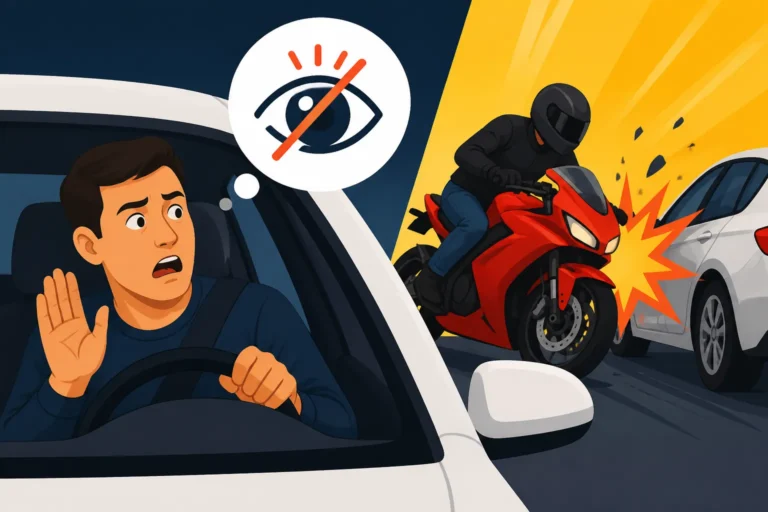
The didn’t see the motorcycle defense explains how insurance companies reduce payouts using comparative negligence laws.

Rider bias in motorcycle accident claims creates unfair fault determinations and affects compensation for injured motorists.

Independent witness testimony provides objective evidence to overcome rider bias and establish fault in motorcycle accident claims.

Police report investigations and witness interviews establish fault in motorcycle accidents using scene details and evidence.

No-fault insurance laws and personal injury protection exclusions explain how motorcycle accident claims work for riders.

Pure versus modified comparative negligence rules explain how shared fault impacts compensation for motorcycle accident damages.

Contributory negligence and comparative negligence legal doctrines determine how assigned blame impacts motorcycle accident claims.

Motorcycle accidents caused by failure to yield occur when drivers do not grant right-of-way, causing serious collisions.

Motorcycle intersection accidents, driver negligence scenarios, and how fault is determined for severe rider injuries like brain trauma.