Rider Bias in Fault Determination
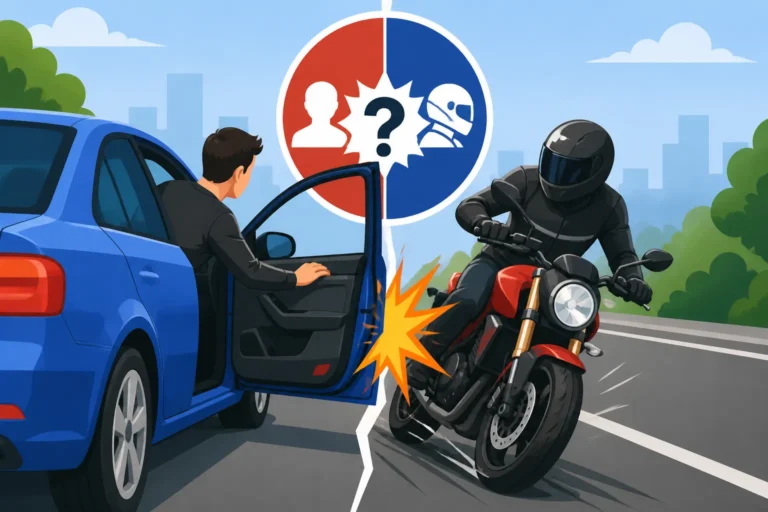
It's an unfortunate truth that when a motorcycle is involved in an accident, the rider often faces an uphill battle when it comes to determining who was truly at fault. Many riders feel judged or misunderstood right from the start, battling against unfair assumptions and ingrained biases that can significantly impact their ability to seek fair compensation. This comprehensive guide will delve into the pervasive issue of rider bias in fault determination, explaining why it exists, how it manifests in the aftermath of a crash, and most importantly, what steps you can take to protect your rights and ensure your side of the story is heard.
The Harsh Reality of Rider Bias in Accident Claims
For many motorcyclists, the road isn't just a means of travel; it's a way of life, a passion, a connection to the open air that car drivers rarely understand. Yet, despite being careful, skilled, and law-abiding riders, there's a deep-seated perception in society that motorcycles are inherently dangerous, and by extension, motorcycle riders are inherently reckless. This societal bias often creeps into accident investigations and claim determinations, making an already traumatic experience even more frustrating.
Understanding the "Invisible" Motorcycle Syndrome
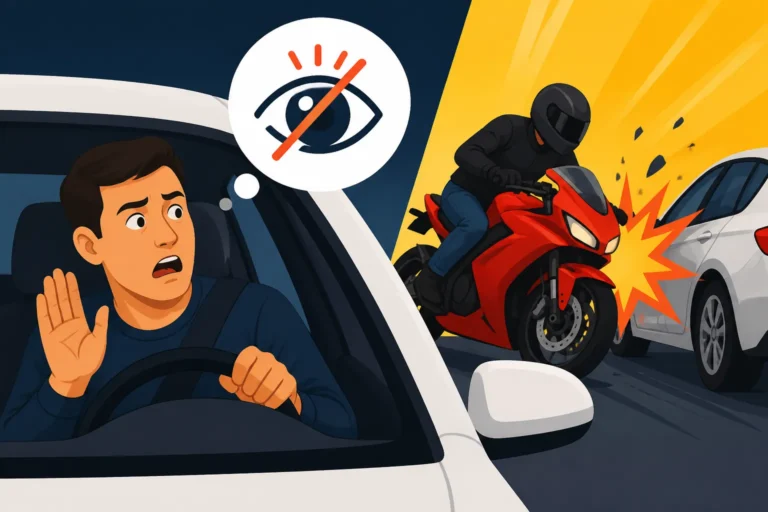
One of the most common refrains heard after a car-motorcycle collision is, "I didn't see the motorcycle." This isn't just a flimsy excuse; it points to a very real phenomenon known as "inattentional blindness" or the "invisible motorcycle syndrome." Drivers, particularly those accustomed to looking for larger vehicles like cars and trucks, can genuinely fail to register a motorcycle in their field of vision, even when looking directly at it. This isn't malice, but a cognitive bias where the brain prioritizes what it expects to see.
When an accident occurs, this "I didn't see them" defense can easily be twisted to imply that the rider was somehow at fault for not being visible enough, rather than the driver for failing to adequately scan their environment. It places an unfair burden on motorcyclists to be "hyper-visible," and unfortunately, this narrative often gets reinforced in official reports and by insurance adjusters. The fact that the driver "didn't see" you doesn't automatically mean you are responsible for the collision; it often points to negligence on the part of the other driver. Understanding this cognitive bias is the first step in combating the narrative that tries to shift blame unfairly onto the rider.
Societal Stereotypes and Their Unfair Influence
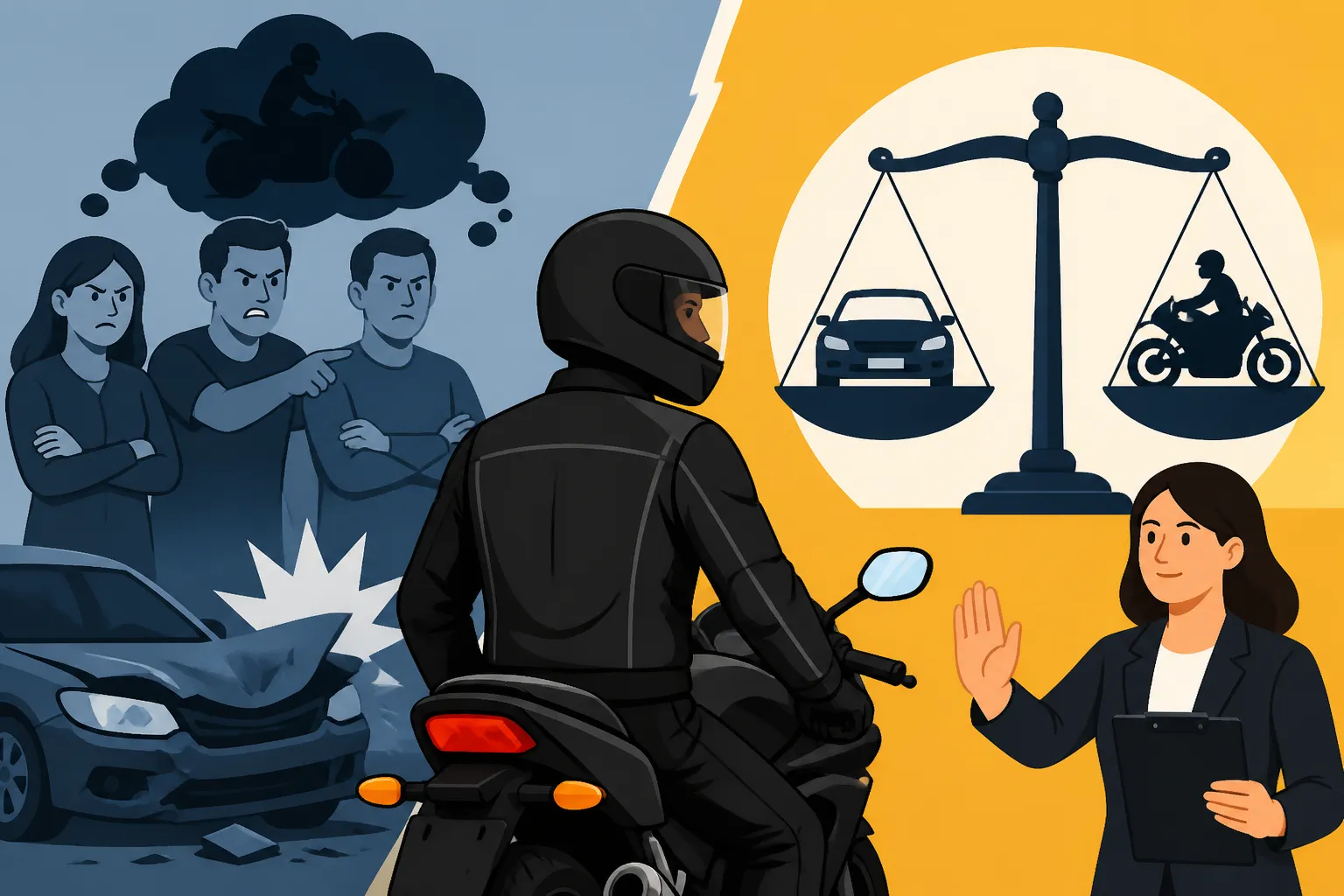
Beyond the "invisible motorcycle" phenomenon, riders often contend with a slew of negative stereotypes. The image of the "outlaw biker," the "speed demon," or the "reckless thrill-seeker" persists in popular culture, despite the vast majority of riders being responsible, safety-conscious individuals from all walks of life. These stereotypes, unfortunately, don't just exist in movies; they can subtly influence the perceptions of law enforcement, jury members, and even insurance adjusters tasked with determining fault after a crash.
Imagine a scenario where a rider, riding a custom Harley-Davidson, is involved in a collision with a sedan. If the reporting officer or insurance adjuster holds a preconceived notion about "bikers" being inherently aggressive or prone to speeding, they might unconsciously interpret the evidence in a way that favors the car driver. They might overlook details that point to the driver's negligence, or they might magnify any minor infraction on the rider's part. This is not always a conscious act of discrimination, but rather an implicit bias that can be incredibly difficult to overcome without strong, objective evidence and skilled advocacy. These unfair judgments can color initial impressions and set a negative tone for your entire claim.
How Rider Bias Manifests in Official Channels
The impact of rider bias isn't just a feeling; it translates into tangible consequences in the very systems designed to determine fault objectively. From the moment emergency services arrive at the scene to the final settlement negotiations, motorcyclists often find themselves scrutinized more harshly than drivers of other vehicles.
Police Reports and the Initial Narrative
The police report is often the first official document detailing the circumstances of an accident, and it carries significant weight in subsequent investigations by insurance companies and legal teams. Unfortunately, rider bias can heavily influence how police officers interpret the scene and gather information. Officers, like anyone else, can hold subconscious biases against motorcyclists. They might arrive at a scene and, upon seeing a motorcycle involved, immediately assume the rider was speeding, weaving through traffic, or otherwise riding recklessly, even without direct evidence.
For example, if a car makes a sudden lane change and cuts off a motorcycle, leading to a collision, an officer might focus on the damage to the car's side and the motorcycle's front, rather than looking for skid marks or witness accounts that clearly show the car's sudden movement. They might record observations that suggest the motorcycle was "out of control" or "traveling at high speed," even if traffic cam footage later disproves this. This initial narrative, once documented in a police report, can be incredibly difficult to challenge. A biased or incomplete police report can severely prejudice your case, painting an unfavorable picture that you then have to work tirelessly to correct. This is why understanding How Police Reports Establish Fault is so crucial, and why taking immediate steps at the scene, such as gathering your own evidence and seeking witness statements, is paramount.
Insurance Adjusters and Their Preconceived Notions
Once the police report is filed, your claim moves into the hands of insurance adjusters. These individuals are tasked with investigating the accident, determining liability, and ultimately deciding how much compensation, if any, their company will pay out. While they are supposed to be objective, insurance adjusters are employees of companies whose primary goal is to minimize payouts. They are also, unfortunately, susceptible to the same societal biases as anyone else.
Adjusters may exploit common stereotypes about motorcyclists, suggesting that riders are inherently risk-takers. They might use the "I didn't see the motorcycle" defense as justification to assign partial blame to the rider, arguing that the rider should have been more visible or taken evasive action, regardless of who legally had the right of way. They might also quickly question the severity of injuries, sometimes insinuating that a rider's "tough" image means they are exaggerating their pain. This is a common tactic, and it's how How Insurance Companies Assign Blame to Riders often leans against motorcyclists. They might lowball settlement offers, hoping you'll accept a quick, smaller payout rather than fighting a potentially long and drawn-out battle.
The Courtroom Challenge: Juries and Judges
If your case proceeds to litigation, the courtroom presents yet another battleground against rider bias. Judges and juries, composed of members of the general public, bring their own life experiences and preconceived notions into the courtroom. A jury that has never ridden a motorcycle, or perhaps even holds negative views about them, might find it harder to empathize with a rider's situation or believe their testimony.
Consider a jury in a state like Florida, where motorcycle culture is prevalent but so are stereotypes. If a defense attorney presents a narrative that paints the rider as reckless, despite evidence to the contrary, these biases can subconsciously sway jury members. They might be more inclined to believe the car driver's account or to assign a higher percentage of comparative fault to the motorcyclist, even if the evidence overwhelmingly points to the driver's negligence. This is a significant factor in How Fault Is Determined in Motorcycle Accidents and can dramatically impact the outcome of your case. Overcoming this requires not just presenting facts, but also skillfully dismantling these biases through compelling testimony and expert evidence that educates and persuades the court.
Common Misconceptions That Fuel Rider Bias
The biases against motorcyclists aren't always malicious; they often stem from a lack of understanding or ingrained misconceptions about riding itself. Addressing these head-on is a crucial part of dismantling unfair fault determinations.
The Myth of Reckless Riding
One of the most persistent misconceptions is that motorcycle riders are inherently reckless. News reports often highlight extreme cases of illegal street racing or dangerous stunts, creating a broad generalization that paints all riders with the same brush. The reality, of course, is far different. The vast majority of motorcyclists are responsible individuals who adhere to traffic laws, prioritize safety, and often take advanced riding courses to hone their skills. Many riders are commuters, parents, professionals, or retirees who simply enjoy the unique experience of motorcycling.
Yet, in the aftermath of an accident, this "reckless rider" myth can immediately prejudice investigators. If a car driver failed to yield, causing a collision, an insurance adjuster might still ask leading questions about the motorcycle's speed or modifications, implying that the rider must have been doing something dangerous to be involved in a crash. They might try to argue that any damage to the motorcycle proves the rider was going too fast, even if the speed limit was obeyed. This is a tactic used to assign Shared Fault in Motorcycle Accidents, even when it's unwarranted. It's a frustrating battle, but it highlights the importance of meticulously documenting your riding habits, your adherence to laws, and any training you've undertaken.
Misunderstanding Motorcycle Dynamics and Safety Gear
Another significant source of bias comes from a general public unfamiliar with how motorcycles operate and the critical role of safety gear. Many people don't understand that motorcycles require counter-steering, have different braking dynamics than cars, or react differently to road hazards. They might see a rider swerving to avoid a pothole and assume they were riding erratically, rather than performing a necessary evasive maneuver.
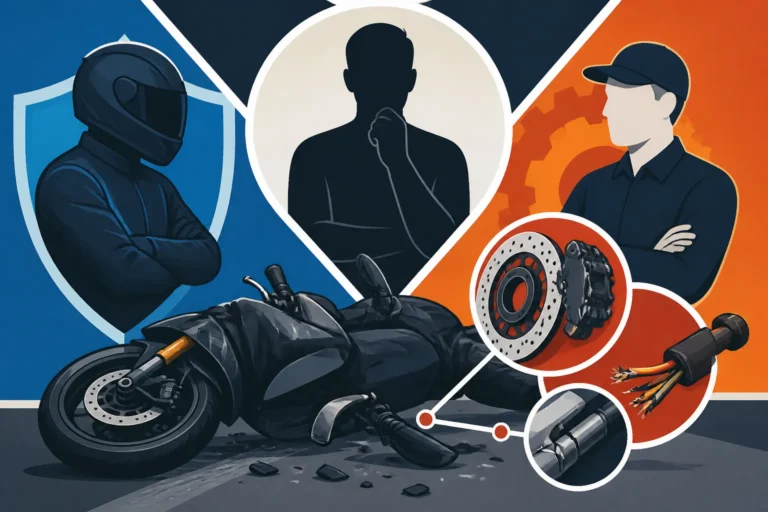
Furthermore, the sight of a seriously injured rider, even if wearing a full DOT-approved helmet, armored jacket, and protective pants, can lead to the assumption that the gear "didn't work" or that the rider was somehow unprepared for the inherent dangers of riding. This ignores the fact that these items significantly reduce the severity of injuries; without them, the outcomes would often be catastrophic. For example, if a rider suffers a broken leg but avoids a traumatic brain injury because they wore a quality helmet, some might still question why they were injured at all, rather than acknowledging the life-saving role of their gear. This misunderstanding fuels the "motorcycles are too dangerous" narrative, which can then be used to rationalize assigning fault to the rider simply for choosing to ride. It underscores the critical importance of proper Motorcycle Safety Gear and Legal Protection, not just for your physical well-being, but also for reinforcing your image as a responsible rider in the eyes of investigators.
Strategies to Combat and Overcome Rider Bias
Facing rider bias can feel overwhelming, but you are not powerless. There are concrete steps you can take to build a strong case and push back against unfair assumptions.
Documenting Everything: Your First Line of Defense
After a motorcycle accident, what you do in the immediate aftermath can be pivotal in countering bias. Start by meticulously documenting everything. Take copious photographs and videos of the accident scene from multiple angles. Capture the positions of all vehicles, road conditions, traffic signs, debris, skid marks, and any visible injuries or damage to your gear and motorcycle. The more visual evidence you have, the harder it is for someone to twist the narrative later.
Additionally, gather contact information from all witnesses. Their unbiased accounts can be invaluable in establishing Who Is at Fault in a Motorcycle Accident and contradicting biased police reports or insurance adjuster narratives. Note down everything you remember about the accident as soon as possible, as memories fade quickly. This detailed documentation serves as objective evidence that can refute assumptions of reckless riding or driver negligence. For a deeper dive into what to collect, consider reading about Motorcycle Accident Evidence for Proving Fault. This extensive documentation provides a factual foundation that is difficult for biased parties to ignore.
Here's a quick checklist for documenting:
| Type of Evidence | Details to Capture | Purpose |
|---|---|---|
| Photographs/Videos | Vehicle positions, road marks (skids, gouges), traffic signs/lights, debris, weather conditions, damage to all vehicles, your injuries, your damaged gear. | Provides objective visual proof of the scene, accident dynamics, and injury severity. Counters subjective interpretations and "I didn't see the motorcycle" defenses. Crucial for establishing Proving Fault in a Motorcycle Accident. |
| Witness Statements | Contact information, brief summary of what they saw. | Offers unbiased third-party accounts that can corroborate your story and contradict conflicting reports from the at-fault driver or biased authorities. Helps to overcome Rider Bias in Fault Determination by providing neutral perspectives. |
| Police Report | Case number, officer's name/badge, any statements made by parties/witnesses. | Essential official record, but be aware it can contain initial biases. Review it carefully for inaccuracies. |
| Medical Records | All diagnoses, treatment plans, prescriptions, therapy notes, imaging results (X-rays, MRIs, CT scans). | Establishes the full extent and severity of your injuries, linking them directly to the accident. Counters claims of exaggerated injury or pre-existing conditions. |
| Personal Journal | Daily notes on pain levels, limitations, emotional impact, doctor visits, lost workdays. | Documents your pain and suffering, as well as the non-economic impacts of the accident, which are often overlooked but crucial for compensation. It helps quantify things like Pain and Suffering Damages Explained. |
| Lost Wage Records | Pay stubs, tax returns, employer statements regarding missed work. | Provides concrete evidence of financial losses due to the inability to work post-accident. |
Expert Testimony and Accident Reconstruction
When fault is disputed, especially due to rider bias, bringing in specialists can make a monumental difference. Accident reconstruction experts are highly trained professionals who can analyze physical evidence from the scene – such as vehicle damage, skid marks, debris fields, and surveillance footage – to scientifically determine how an accident occurred. They use physics and engineering principles to create a detailed, objective account of the crash, often debunking biased assumptions about a rider's speed or maneuverability.
For instance, if an insurance adjuster claims you were speeding, an accident reconstructionist can use factors like the force of impact, vehicle weight, and road conditions to calculate the approximate speed of both vehicles involved. Their findings can provide an undeniable, scientific counter-argument to subjective biases. Similarly, medical experts can testify to the direct link between the accident and your injuries, as well as the long-term impact on your life, helping to overcome any doubts about the severity of your condition. Knowing When to Hire an Accident Reconstruction Expert can be a game-changer for your claim, particularly in complex scenarios or when facing stubborn bias.
Leveraging Legal Expertise to Level the Playing Field
Perhaps the most crucial step you can take to fight rider bias is to seek experienced legal counsel specializing in motorcycle accidents. A knowledgeable attorney understands the unique challenges motorcyclists face and how to effectively counter biased narratives. They know the tactics insurance companies use, the stereotypes that influence juries, and the legal strategies required to prove fault unequivocally.
An attorney can:
- Conduct an independent investigation, gathering evidence the police might have overlooked.
- Interview witnesses and depose involved parties.
- Work with accident reconstructionists and medical experts to build a rock-solid case.
- Negotiate fiercely with insurance companies, armed with facts and legal precedents, to ensure you receive fair compensation.
- Prepare your case for trial, if necessary, educating the judge and jury about motorcycle dynamics and dispelling common misconceptions.
They can also guide you through the intricate process of determining Who Is at Fault in a Motorcycle Accident and ensuring that every piece of evidence supports your position. Hiring an attorney early allows them to protect your rights from the very beginning, ensuring that your side of the story is not only heard but compellingly presented. This professional advocacy is often the most effective way to challenge How Insurers Use Rider Stereotypes Against You and achieve a just outcome.
The Impact of Rider Bias on Your Claim and Recovery
The presence of rider bias isn't just an abstract annoyance; it has tangible, often devastating, effects on a motorcycle accident victim's life, both financially and emotionally.
Reduced Settlement Offers and Denied Claims
The most immediate and painful impact of rider bias is often seen in the financial aspect of a claim. When bias influences the fault determination, even slightly, it can lead to significantly reduced settlement offers or even outright denials of your claim. If an insurance adjuster manages to assign even a small percentage of fault to you based on unfair assumptions, it can directly reduce the amount of compensation you receive, particularly in states that follow comparative negligence laws. For instance, if you're deemed 20% at fault in a state like California (a pure comparative negligence state), your total compensation will be reduced by 20%. In a modified comparative negligence state, if your fault exceeds a certain threshold (often 50% or 51%), you might be barred from recovering any damages at all.
This means that despite suffering serious injuries, substantial medical bills, and lost wages, an unfair fault determination can leave you with insufficient funds to cover your losses. The insurance company's initial offer might be a "lowball" attempt, banking on your desperation or lack of legal knowledge to accept less than you deserve. This can lead to a long and arduous battle to prove the other party's full liability, draining your time and resources at a point when you should be focusing solely on recovery. This phenomenon is directly tied to How Comparative Negligence Reduces Your Payout.
The Emotional and Financial Toll on Riders
Beyond the financial impact, fighting rider bias takes a severe emotional and psychological toll. Imagine being severely injured through no fault of your own, only to be questioned, doubted, and even implicitly blamed by the very systems meant to help you. This can be incredibly frustrating and isolating. Riders often feel misunderstood and targeted, adding a layer of stress to an already difficult recovery process.
The financial strain can be immense. Medical bills for motorcycle accident injuries are often catastrophic, ranging from tens of thousands to hundreds of thousands of dollars, particularly for severe road rash, broken bones, or traumatic brain injuries. Add to this the cost of repairing or replacing your damaged motorcycle, lost income from time off work, and the emotional distress of pain and suffering, and the financial burden becomes unbearable. If rider bias leads to a diminished settlement, you might struggle to cover these costs, potentially facing bankruptcy or long-term financial hardship. This unfair treatment can undermine your sense of justice and prolong the healing process, making it essential to understand What to Do After a Motorcycle Accident to protect both your physical and financial well-being.
Disclaimer
The information provided in this guide is for general informational purposes only and does not constitute legal advice. Motorcycle accident claims are complex, and the laws governing them vary by state. It is crucial to consult with a qualified motorcycle accident attorney to discuss the specifics of your case and understand your legal rights and options.