How Witnesses Affect Motorcycle Fault
After a motorcycle accident, it often feels like you're fighting an uphill battle, especially when it comes to proving who was actually at fault. Even when the other driver clearly messed up, the perception of motorcycles can unfortunately lead to bias against riders. That's where objective third-party accounts become absolutely critical, and this guide will walk you through exactly how witnesses affect motorcycle fault and how to make their testimony work for your claim.
The Critical Role of Witness Testimony in Motorcycle Accidents
When the dust settles and the adrenaline starts to fade after a motorcycle accident, one of the first things that happens is the blame game. You know what happened, the other driver might have their own version, and the police officer arriving at the scene wasn't there to see it unfold. This is precisely why independent witness testimony isn't just helpful; it's often the linchpin of a strong motorcycle accident claim. It provides an unbiased perspective that can corroborate your story and paint a clearer picture for investigators and insurance companies alike.
Bridging the Gap in Perception and Bias
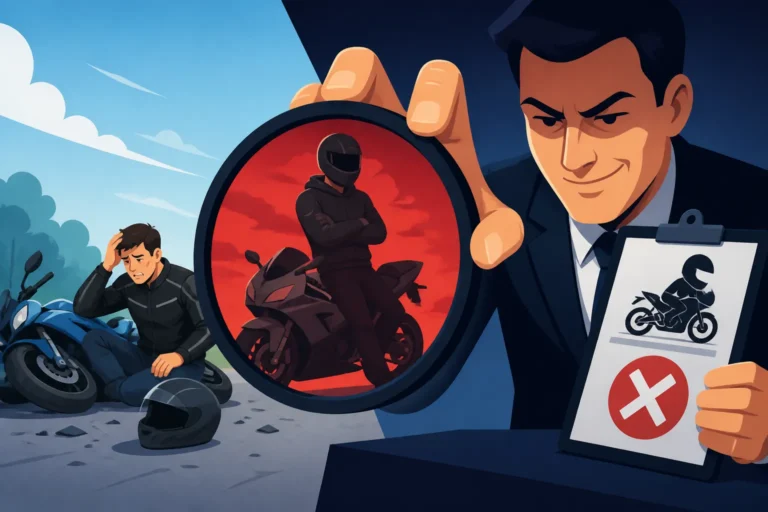
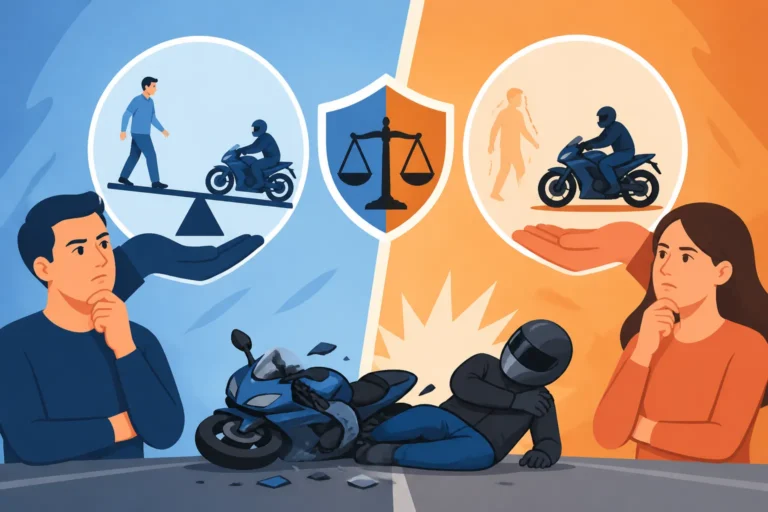
Let's be real: motorcyclists often face an unfair bias. People sometimes assume that if a motorcycle was involved, the rider must have been speeding, lane splitting, or somehow riding recklessly. This "rider bias" can make it incredibly difficult to prove the other driver's negligence, even when it's glaringly obvious. A disinterested witness, someone who simply observed the accident without any preconceived notions, can provide a crucial objective account. They can describe exactly what they saw, cutting through the assumptions and focusing on the facts.
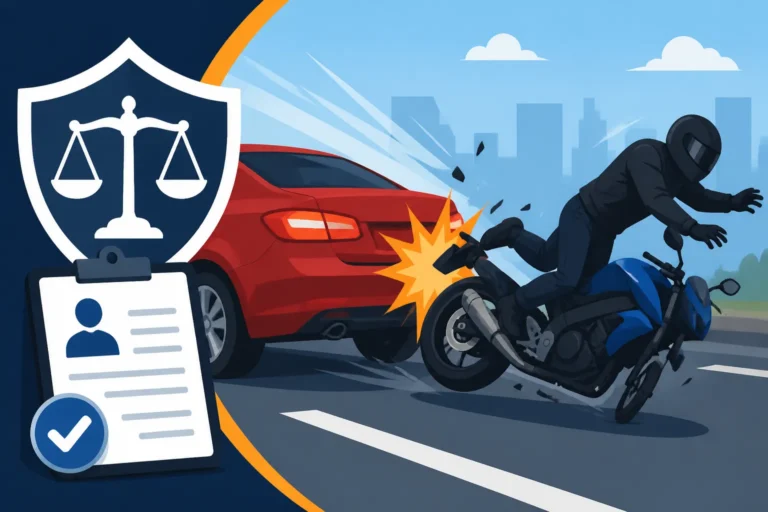
Imagine a scenario on a busy street in Los Angeles. You're riding defensively, but a distracted driver suddenly merges into your lane without looking. Their immediate reaction might be, "I didn't see the motorcycle!" This is a common defense, but a witness who saw the driver looking down at their phone or failing to signal can completely dismantle that argument. Their statement shifts the narrative from vague assumptions to concrete evidence, helping to establish who is at fault in a motorcycle accident.
Corroborating the Rider's Account
When you're involved in a crash, especially one that leaves you injured and shaken, your memory might not be perfectly linear, or you might be perceived as having a vested interest in the outcome. The other driver will likely present their own version of events, which often differs significantly from yours. This is where a witness becomes invaluable. Their account can back up your statements, adding significant weight to your side of the story.
Consider a collision at an intersection where a driver failed to yield. You might clearly remember them blowing through a stop sign, but without external proof, it can become a "he said, she said" situation. If a pedestrian waiting to cross saw the entire thing and confirms your narrative, their testimony provides the independent verification needed. This corroboration makes it much harder for the other driver or their insurance company to dismiss your claims or downplay their liability. Learn more about How Fault Is Determined in Motorcycle Accidents.
Countering Negative Stereotypes
Unfortunately, due to media portrayal or anecdotal experiences, motorcyclists can be unfairly stereotyped as thrill-seekers or reckless drivers. This perception can quietly influence how police officers write their reports or how insurance adjusters view your claim. A witness who can attest to your safe riding behavior leading up to the accident can counteract these negative stereotypes.
For example, if you were riding responsibly in traffic in Orlando, adhering to speed limits and maintaining safe distances, a witness who observed your riding style before the collision can be a powerful advocate. Their testimony can establish that you were operating your motorcycle with due care, making it much harder for the opposing side to argue that your own negligence contributed to the crash. This unbiased observation helps to chip away at the unfortunate prejudice sometimes faced by riders.
Different Types of Witnesses and Their Impact on Your Case
Not all witnesses are created equal, and understanding the different categories can help you appreciate the varying weight their testimony carries. From the immediate bystanders to professionals called in after the fact, each type of witness can contribute unique insights and strengthen different aspects of your motorcycle accident claim. Knowing who to seek out and what kind of information they can provide is key.
Eyewitnesses: The Gold Standard
Eyewitnesses are often considered the most crucial type of witness. These are individuals who were physically present at the scene of the accident and directly observed the collision unfold or the events immediately preceding or following it. Their accounts can be incredibly powerful because they offer a direct, unfiltered perspective of what happened.
A good eyewitness can describe the vehicles' speeds, directions, signal usage, and even driver behaviors. For instance, if you were involved in a Left-Turn Motorcycle Accidents Explained in San Francisco, an eyewitness might recount how the car turned directly in front of you without yielding, or how they were distracted by their phone. Their ability to place themselves at the scene and describe actions and conditions lends immense credibility. Gathering information from these individuals quickly after an accident is paramount because memories can fade or become distorted over time.
Expert Witnesses: Beyond the Scene
While eyewitnesses describe what they saw, expert witnesses offer specialized knowledge and analysis to interpret the facts. These professionals don't typically see the accident happen but use their expertise to reconstruct the events, explain complex issues, or analyze evidence. They are particularly vital in cases where fault is heavily disputed, or the mechanics of the crash are complex.
An accident reconstruction expert, for example, can analyze vehicle damage, skid marks, road conditions, and police reports to determine speeds, points of impact, and fault. They can use scientific principles to explain how the accident likely occurred, providing a credible, data-driven perspective that can contradict the other party's version of events. In cases involving severe injuries, medical experts can also serve as witnesses, detailing the extent of your injuries and their long-term impact, which directly influences your settlement.
Passenger and Occupant Witnesses
Passengers in your vehicle, or even occupants in the other vehicle, can also serve as witnesses. While their proximity to one of the involved parties might raise questions of bias, their testimony can still be incredibly valuable, especially if it aligns with other independent accounts or is particularly detailed and convincing.
A passenger on your motorcycle, for instance, experienced the accident from a very similar vantage point to yours. They can corroborate your recollection of events, speed, and other crucial details. While their emotional attachment might be acknowledged, a clear and consistent story can still be very impactful. Similarly, if a passenger in the other vehicle provides an account that contradicts their driver's story – perhaps admitting the driver was distracted – that testimony can be devastating for the defense.
Gathering Witness Information at the Scene of the Accident
The immediate aftermath of a motorcycle accident is chaotic, painful, and often confusing. However, it's also the most critical time to gather witness information. This isn't just about getting names and numbers; it's about securing fresh, unbiased accounts before memories fade or details become skewed. Overlooking this step can significantly weaken your ability to prove fault later on.
Immediate Steps to Identify and Secure Witnesses
After ensuring your safety and calling 911, identifying and approaching potential witnesses should be a top priority. Look for anyone who stopped, anyone lingering nearby, or even people in passing cars who might have slowed down to observe. It's often helpful to look for individuals who appear to be calm and observant amidst the chaos. Don't assume the police will get everyone's information; sometimes, in busy situations, witnesses can slip away unnoticed.
Politely ask if they saw what happened. If they agree, thank them for stopping and ask if they would be willing to provide their contact information. It can be overwhelming, but a simple, "Excuse me, did you happen to see the accident? I'm pretty shaken up, and any information would be really helpful" can go a long way. Make sure to get their full name, phone number, and email address. If they're hesitant, explain that their objective account could be crucial for a fair resolution. Remember, these initial steps are part of What to Do After a Motorcycle Accident.
What Information to Collect from Witnesses
Once you've identified a witness, it's not enough to just get their contact details. While still at the scene, if possible, try to get a brief, initial statement from them. Ask open-ended questions like, "What did you see happen?" or "Can you describe the vehicles' movements?" Avoid leading questions that might put words in their mouth. Encourage them to describe the events in their own words, focusing on objective observations rather than opinions.
Specifically, try to get details about:
- The movements of both vehicles leading up to the collision.
- Any traffic signals or signs involved (e.g., whether a driver ran a red light or failed to yield).
- The speed of the vehicles.
- Whether either driver appeared distracted or impaired.
- The weather and road conditions.
- Any specific sounds they heard, like screeching tires or horns.
- The point of impact.
- The approximate time and location of the accident.
Even if you can only get a few key facts, these initial details can be incredibly valuable when you're piecing together the events later or for your lawyer to follow up.
Documenting Witness Accounts Effectively
In the immediate aftermath, it’s best to write down whatever the witness tells you, even if it’s just a few bullet points. If you have a smartphone, quickly jot down notes in an app or record a voice memo (with their permission, of course) summarizing what they saw. It's often a good idea to take a photo of the witness with your phone, making sure to capture their face, which can help confirm their identity later. You should also make notes about where they were standing or sitting when they witnessed the accident, as their vantage point can impact the credibility and accuracy of their statement.
For instance, if a witness was across a busy intersection, their perspective on specific details might be less clear than someone who was standing right at the curb. This documentation is a critical part of Motorcycle Accident Evidence for Proving Fault. When the police arrive, ensure they also speak to any witnesses you've identified and that their contact information and statements are included in the official police report. If possible, get the police report number so you can reference it later. This thorough documentation ensures that their testimony isn't lost and can be properly utilized in your claim.
How Witness Statements Influence Fault Determination
The journey from accident scene to settlement is complex, and how fault is determined is arguably the most crucial step. Witness statements play a profound role at every stage, from shaping the initial police investigation to swaying the opinions of insurance adjusters, and ultimately, influencing the outcome if your case proceeds to litigation. Their objective accounts can shift the entire narrative.
Impact on Police Reports and Investigations
Police officers arriving at an accident scene are often tasked with figuring out what happened in a very short amount of time, usually based on physical evidence and the statements of the involved parties. When reliable witness statements are available, they significantly bolster the accuracy and credibility of the police report. An officer, for example, might be more inclined to issue a citation to the other driver if several independent witnesses confirm that the driver ran a red light or made an unsafe lane change.
A police report that clearly assigns fault to the other driver, supported by witness testimony, is a powerful piece of evidence. This report is often the first document insurance companies review. If the report itself is based heavily on what witnesses saw, it makes it much harder for an insurance company to later dispute the findings. Conversely, if no witnesses are found, the police report might simply state conflicting accounts, leaving more room for dispute and making it harder to establish Who Is at Fault in a Motorcycle Accident.
Influence on Insurance Company Decisions
Insurance companies are notoriously difficult to deal with, and they often look for any reason to minimize payouts or shift blame to the motorcyclist. A strong, consistent witness statement can be your greatest asset when negotiating with adjusters. When an insurance company receives multiple, corroborating witness accounts that clearly point to their policyholder's negligence, it becomes much harder for them to deny liability or try to assign Shared Fault in Motorcycle Accidents.
For example, if a witness explicitly states that the car driver was distracted by their phone just before swerving into your lane, the insurance company will find it difficult to argue that you were solely responsible. This evidence can prevent them from employing tactics like the "I didn't see the motorcycle" defense. The more independent evidence you have backing your claim, the greater leverage you have in negotiations, leading to a more favorable settlement. Remember that How Insurance Companies Assign Blame to Riders can be a complex process, and witnesses can tip the scales in your favor.
The Role in Litigation and Court Proceedings
If your motorcycle accident claim cannot be resolved through negotiation and proceeds to a lawsuit, witness testimony becomes even more critical. In a courtroom setting, a credible witness who can articulate clearly what they observed can be extremely persuasive to a jury or judge. Their live testimony, under oath, carries substantial weight and can profoundly impact the outcome of the case.
During a trial, witnesses can be cross-examined, and their ability to stand firm on their observations and recall details can reinforce the strength of your case. An effective witness can bring the chaotic scene of the accident to life for the jury, allowing them to visualize the events from an impartial perspective. This direct, human element often resonates more powerfully than just physical evidence or expert reports alone, especially when trying to prove subtle actions like distraction or aggressive driving.
Challenges and Limitations of Witness Testimony
While witness testimony is incredibly valuable, it's not a foolproof system. There are inherent challenges and limitations that can affect its reliability and impact on your motorcycle accident claim. Understanding these potential pitfalls can help you prepare for how witness statements might be scrutinized and how to best utilize them despite their imperfections.
Inconsistencies and Memory Lapses
Human memory is a tricky thing. Even the most well-meaning witness can suffer from memory lapses or unintentional inconsistencies, especially over time. Stress, trauma, the angle of observation, and even pre-existing biases can affect what someone recalls. It's not uncommon for multiple witnesses to have slightly different versions of the same event.
For instance, one witness might accurately remember the color of the car but be mistaken about its make and model, while another recalls the approximate speed but not the specific lane changes. These small discrepancies, while natural, can sometimes be exploited by opposing counsel to cast doubt on the overall credibility of the testimony. This is why gathering statements as soon as possible after the accident is crucial, as memories are freshest then.
Witness Bias and Credibility Issues
Just like police officers and insurance adjusters, witnesses can sometimes have their own biases, whether conscious or unconscious. A witness who is a friend or family member of one of the parties, while still able to provide useful information, might be perceived as less objective. Even strangers can have biases; for example, someone who has a general dislike for motorcycles might unconsciously interpret events in a way that places more blame on the rider.
Beyond direct bias, credibility can also be an issue. If a witness has a history of giving inconsistent statements, has vision problems, or was distracted themselves (e.g., on their phone), their testimony might be challenged. Opposing attorneys will often investigate witnesses thoroughly to find any factor that could undermine their credibility. A witness who appears uncertain, changes their story, or has a clear motive to fabricate information will likely not be helpful to your case and could even harm it.
The Elusive Nature of Witnesses
Perhaps one of the biggest challenges is simply finding and securing witnesses in the first place. In the chaos of an accident, many people might stop, but then quickly leave. They might feel they don't want to get involved, don't have time, or assume someone else will handle it. Even if you get contact information at the scene, people move, change phone numbers, or become unresponsive when followed up with.
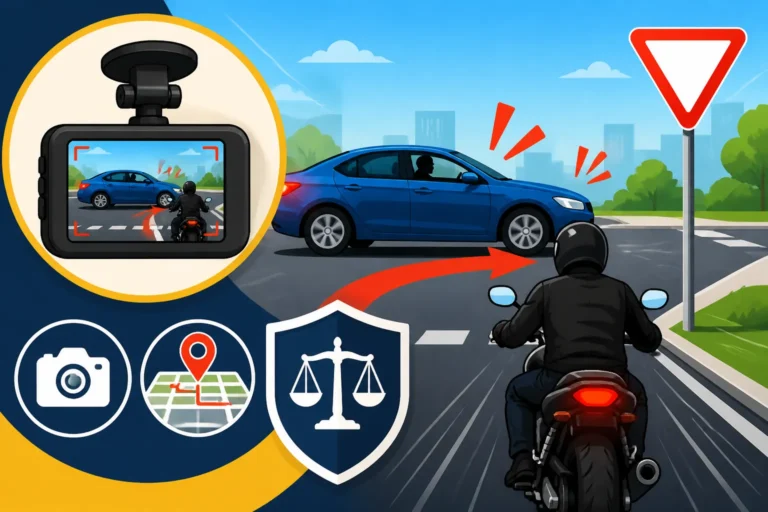
This "elusive nature" can mean that even if someone saw the entire incident, their testimony might never make it into your claim. This is why aggressive and immediate action at the scene is so important for What to Do Immediately After a Motorcycle Accident, including collecting witness details. If witnesses disappear, your legal team might need to rely more heavily on other forms of evidence, such as dashcam footage, traffic camera video, or accident reconstruction, to piece together the events and establish fault.
Maximizing the Impact of Witness Evidence in Your Claim
You've identified witnesses, collected their information, and maybe even secured initial statements. Now what? Ensuring that this valuable evidence is properly utilized and presented can make all the difference in the strength of your motorcycle accident claim. It's about strategic follow-up, thoughtful preparation, and sometimes, the legal finesse to make their accounts truly shine.
Prompt Follow-Up and Detailed Statements
The moment you're able, or as soon as your legal team can, follow up with witnesses. Don't wait. Memories fade, and details can become muddled quickly. A comprehensive, written statement from each witness, ideally drafted with the assistance of an attorney, is much more valuable than a few hurried notes from the scene. This detailed statement should include everything they recall, their vantage point, what drew their attention to the incident, and confirmation of accuracy.
Your lawyer will likely contact the witnesses to obtain a formal statement, which might be recorded or transcribed. This professional approach ensures that all relevant details are captured and documented in a way that holds up in negotiations or court. It also allows for clarification of any ambiguities from the initial conversation at the scene. This is a key step in Proving Fault in a Motorcycle Accident.
Integrating Witness Testimony with Other Evidence
Witness accounts are powerful, but they are even stronger when integrated seamlessly with other forms of evidence. Think of it like building a puzzle: each piece of evidence, including witness testimony, contributes to a complete and undeniable picture of how the accident occurred and who was responsible.
For example, if a witness states that the other driver sped through a red light, this testimony gains immense strength if you also have traffic camera footage showing the light red and the car moving at high speed. Similarly, if a witness describes the sound of screeching tires and then a heavy impact, this aligns with the physical evidence of skid marks at the scene and significant damage to your motorcycle. Your legal team will work to correlate witness statements with Photos to Take to Prove Motorcycle Fault, dashcam footage, police reports, and even expert analysis to create an irrefutable narrative. This comprehensive approach helps solidify your claim and makes it far more difficult for the opposing side to dispute the facts.
Witness Preparation for Depositions and Trial
If your case proceeds to formal legal proceedings, witnesses may be asked to give depositions or even testify in court. This can be an intimidating process, especially for someone who isn't used to legal environments. Proper preparation is essential to ensure they can confidently and clearly articulate their observations.
Your attorney will meet with witnesses to explain the process, review their statements, and prepare them for potential questions from opposing counsel. This isn't about coaching them on what to say, but rather helping them remember what they saw and how to present it effectively and confidently. A well-prepared witness who can deliver their testimony clearly and consistently under pressure can be a game-changer, significantly strengthening your position and increasing the likelihood of a successful outcome, whether through settlement or trial.
Disclaimer
Please remember that this article provides general information and insights into how witness testimony impacts motorcycle accident claims. It is not intended as legal advice. Every accident and legal case is unique, and the specific laws and procedures vary by jurisdiction. For personalized legal guidance regarding your situation, it is crucial to consult with a qualified motorcycle accident attorney in your state.