Signs of a Bad Settlement Offer
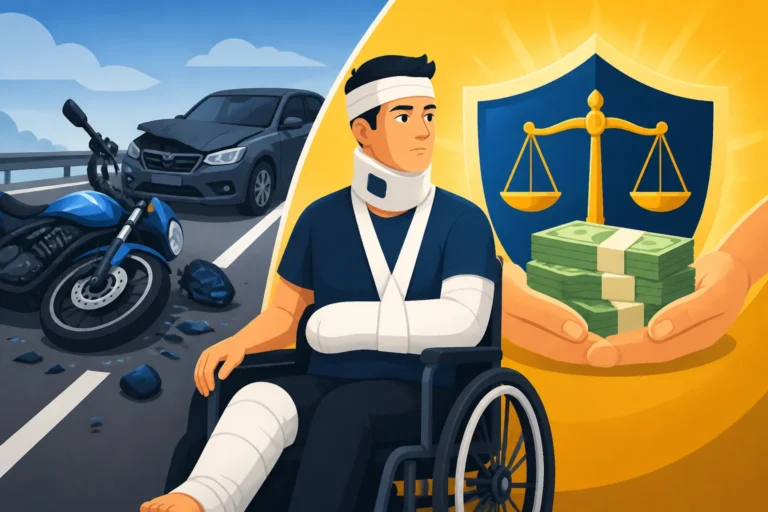
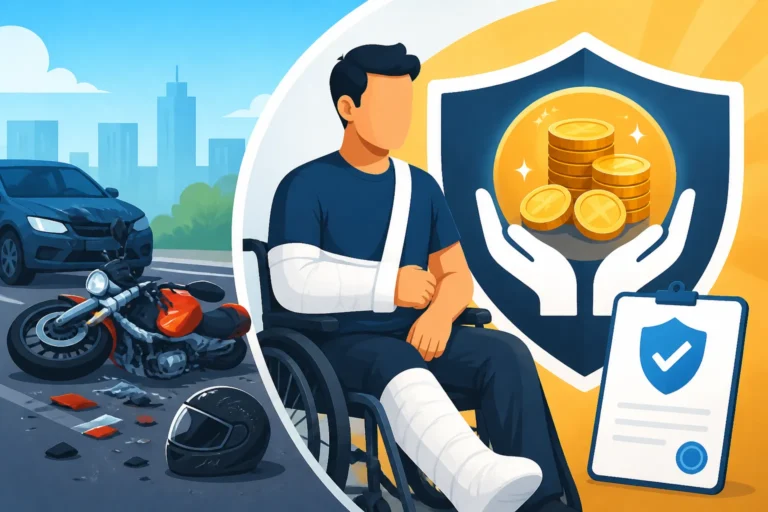
After a devastating motorcycle accident, the last thing you need is to feel like the insurance company is trying to pull one over on you. Receiving a settlement offer that feels insultingly low can be incredibly disheartening, especially when you're still grappling with serious injuries, medical bills, and lost income. This guide is here to help you identify the clear signs of a bad settlement offer so you can confidently push back and fight for the fair compensation you truly deserve.
The Insurance Company's Strategy in Motorcycle Accident Claims
It's crucial to understand that insurance companies, at their core, are businesses. Their primary objective isn't necessarily to ensure you're made whole after an accident, but rather to protect their bottom line by minimizing payouts. This isn't a cynical view; it's simply how their business model operates, and it's important for you to be aware of it when dealing with them.
Their Goal: Minimize Payouts, Maximize Profits
When you're involved in a motorcycle accident, the other driver's insurance company immediately goes into defense mode. They know that motorcycle accidents often result in severe injuries and high medical costs, which translates to potentially large payouts. Their first offer is almost never their best offer. Think of it as the opening bid in a negotiation – they're testing the waters to see how little you might be willing to accept. They might even try to capitalize on common biases against riders, subtly suggesting you were somehow more at fault simply because you were on a motorcycle. This tactic is unfortunately common, and it’s why understanding How Insurers Lowball Motorcycle Riders is so important. They hope you're feeling overwhelmed and vulnerable enough to accept a quick, cheap resolution.
Tactics Used to Undervalue Your Claim
Insurance adjusters are highly trained negotiators. They have a playbook full of tactics designed to reduce the value of your claim. One common approach is to downplay the severity of your injuries, even when you have clear medical documentation. They might question the necessity of certain treatments or argue that your pain isn't as significant as you claim. Another frequent tactic involves trying to assign a portion of the fault to you, the rider. Even a small percentage of fault can significantly reduce the amount they have to pay out.
For example, an adjuster might pore over the police report looking for any minor infraction or statement that could be twisted to suggest you contributed to the crash. They might even bring up pre-existing conditions, claiming your injuries weren't entirely caused by the accident. Delay tactics are also common, hoping that frustration and mounting bills will push you to accept whatever they offer. It’s disheartening to see how often How Insurance Companies Assign Blame to Riders is skewed against motorcyclists. They use sophisticated software and algorithms to calculate an initial offer, which is often a fraction of what your claim is truly worth.
Clear Signs an Offer Is Unfairly Low
Recognizing a bad settlement offer isn't always easy, especially when you're not an expert in personal injury law. However, there are several red flags that should immediately tell you to proceed with extreme caution and consider rejecting the offer outright.
Offer Doesn't Cover All Your Economic Damages
Economic damages are the quantifiable losses you've suffered due to the accident. This includes your medical bills, lost wages, and property damage. A settlement offer is almost certainly a lowball if it doesn't clearly cover every single one of these costs, both those you've already incurred and those you reasonably expect in the future.
Think about all the expenses you've accumulated: emergency room visits, ambulance fees, doctor appointments, physical therapy, prescription medications, specialist consultations, and even travel costs to and from these appointments. Beyond that, consider the income you've lost because you couldn't work, or the diminished earning capacity if your injuries prevent you from returning to your previous job. A bad offer will often cherry-pick certain bills or minimize future costs. For instance, if you anticipate needing ongoing physical therapy for a year, but the offer only accounts for three months, it's a huge red flag. Understanding How Medical Bills Affect Your Settlement and How Lost Wages Are Calculated is critical to ensuring these aren't overlooked.
Here's a quick comparison of what a fair offer typically covers versus what a bad offer might exclude:
| Category | What a Fair Offer Considers | What a Bad Offer Might Miss or Minimize |
|---|---|---|
| Medical Expenses | All past medical bills (ER, doctor, therapy, meds, surgery), estimated future medical care, adaptive equipment, rehabilitation. | Only immediate ER bills, ignoring future therapy, specialist visits, long-term care, or prescription costs. |
| Lost Wages | All past lost income from inability to work, estimated future lost earning capacity if permanent disability or job change. | Only a portion of past lost wages, no consideration for future income loss or benefits. |
| Property Damage | Full repair or replacement value of motorcycle, gear (helmet, jacket, etc.), and personal items damaged in the crash. | Only a depreciated value for your motorcycle, ignoring specialized gear or full replacement costs. |
| Travel Costs | Mileage, parking, public transport for medical appointments. | Rarely included or severely underestimated. |
| Home Modifications | Costs for necessary modifications to your home for accessibility due to permanent injury. | Almost never included in initial lowball offers. |
Ignoring or Minimizing Non-Economic Damages
While economic damages are straightforward to calculate with receipts and pay stubs, non-economic damages are far more subjective but equally vital. These include the profound impact of your injuries on your quality of life: your physical pain and suffering, emotional distress, mental anguish, loss of enjoyment of life, and any permanent scarring or disfigurement.
Insurance companies notoriously try to minimize these damages. They might offer a small, arbitrary amount that doesn't reflect the true agony, inconvenience, or psychological trauma you've endured. For instance, if you loved riding your motorcycle every weekend and now can't due to chronic pain, that loss of enjoyment of life is a significant non-economic damage. If you're experiencing PTSD or severe anxiety after the accident, that also falls into this category. A bad offer will either completely ignore these aspects or provide a token amount that doesn't come close to compensating you for the profound changes to your daily life. It’s why proper valuation of Pain and Suffering in Motorcycle Settlements is so critical.
Pressure to Settle Quickly
One of the clearest warning signs of a bad offer is pressure from the insurance company to accept and sign quickly. They might call you repeatedly, send emails, or even imply that the offer will expire if you don't act fast. This tactic is designed to catch you at a vulnerable moment, before you've had a chance to fully assess your injuries, understand your long-term prognosis, or seek legal advice.
Why do they do this? Because once you sign a settlement agreement, you typically waive your right to seek any further compensation related to that accident, even if your injuries worsen or new complications arise. If you're still undergoing medical treatment or haven't reached Maximum Medical Improvement (MMI), a quick settlement is almost always a bad idea. You simply don't know the full extent of your damages yet. Remember, it’s a big deal if What Happens If You Settle Too Early and realize later your injuries are more severe than anticipated.
Evaluating the Adequacy of a Settlement Offer
Knowing when an offer is bad is one thing, but understanding how to properly evaluate its adequacy is another. This requires a thorough assessment of all aspects of your claim and an understanding of the legal landscape.
Comprehensive Damage Assessment
Before you can determine if an offer is fair, you need a crystal-clear picture of all your damages. This means meticulously collecting and organizing every piece of documentation related to your accident and injuries. Gather all your medical records, from the ambulance report and ER visit to every follow-up appointment, specialist consultation, physical therapy session, and prescription. You'll also need all corresponding medical bills and receipts. Don't forget documentation for lost wages, including pay stubs, employment records, and a letter from your employer detailing time missed. If your motorcycle was totaled, get professional appraisals or repair estimates.
If you have catastrophic injuries, it's especially important to consult with medical experts who can project your future medical needs, including potential surgeries, long-term care, and adaptive equipment. A comprehensive damage assessment means leaving no stone unturned, as every single expense contributes to the true value of your claim. This deep dive into all your losses directly impacts What Affects Your Motorcycle Accident Payout.
Understanding Your State's Fault Laws
Your state's specific laws regarding fault and negligence play a massive role in how your settlement is calculated and, consequently, how much the insurance company is willing to offer. Most states operate under some form of "comparative negligence." This means that if you are found to be partially at fault for the accident, your total compensation can be reduced by your percentage of fault. For example, if your damages are assessed at $100,000, but you are deemed 20% at fault, your payout would be reduced to $80,000.
Some states, like North Carolina, have a much harsher "contributory negligence" rule, where if you are found even 1% at fault, you could be barred from recovering any damages at all. A low settlement offer might be a reflection of the insurer's aggressive assessment of your partial fault, even if it's an unfair assessment. It's crucial to understand Comparative Negligence in Motorcycle Accidents and how it applies to your situation, as it can be a primary lever insurance companies use to justify low offers.
Comparing Against Similar Cases and Policy Limits
While every accident is unique, understanding general settlement ranges for similar injuries can provide a benchmark. For example, an Average Settlement for a Broken Leg Motorcycle Accident might give you a rough idea of what to expect, but remember these are just averages and your specific circumstances will vary. More importantly, you need to understand the at-fault driver's insurance policy limits.
Even if your damages are extensive and truly worth $500,000, if the at-fault driver only carries the state minimum liability coverage of, say, $25,000 for bodily injury per person (which is common in many states), their insurance company isn't going to offer more than that maximum. This is a hard cap on what you can recover from their policy, regardless of the severity of your injuries. This situation often leads to what might feel like a lowball offer, even if it's the maximum the insurer is legally obligated to pay under that specific policy. Knowing How Insurance Policy Limits Affect Your Payout can help you determine if an offer is truly lowballing your actual damages or simply reflecting the limits of available coverage.
What to Do When You Suspect a Bad Offer
If an insurance company presents you with an offer that raises red flags, don't panic. You have options, and taking the right steps can significantly improve your chances of securing fair compensation.
Do Not Accept or Sign Anything Hastily
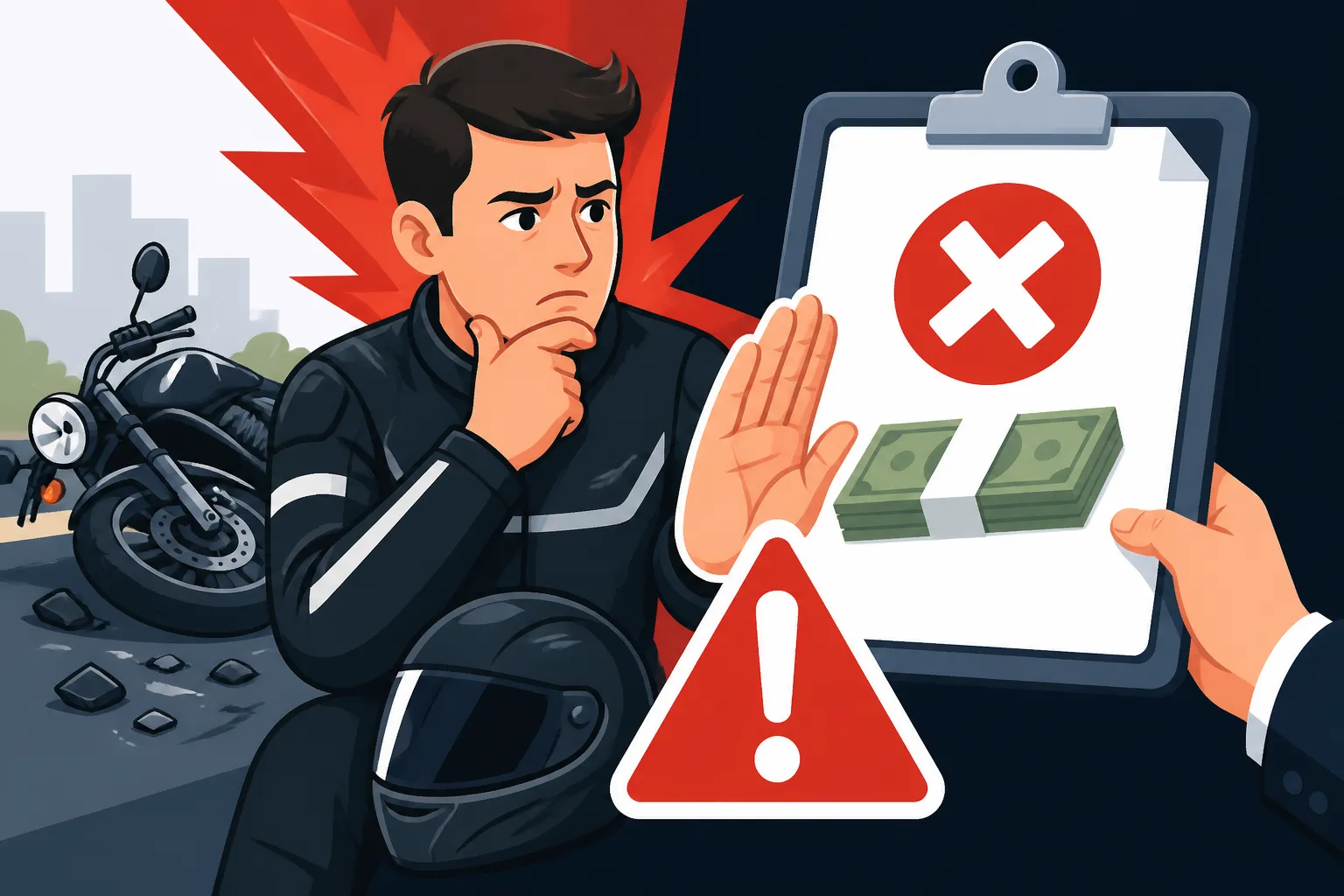
This cannot be stressed enough: do not accept, agree to, or sign any settlement offer without thoroughly reviewing it and ideally, consulting with a legal professional. An offer is not a demand; it's a starting point for negotiation. Once you sign a release, you effectively relinquish your right to pursue further compensation for that accident, even if your medical condition deteriorates or your costs exceed the settlement amount. Many riders regret signing too soon when they realize the long-term impact of their injuries. When you feel pressured, remember this is a tactic to get you to settle cheaply. Have the confidence to say no, or at least, "I need time to review this with my advisors." Knowing When to Reject a Settlement Offer is paramount to protecting your future.
Document and Organize Everything
To effectively counter a lowball offer, you need to be prepared with a mountain of evidence. Continue to document everything meticulously. Keep a detailed journal of your pain levels, treatment sessions, emotional state, and how your injuries impact your daily life. Take photos of your injuries as they heal (or don't heal), document any scarring, and photograph any damage to your motorcycle or gear. Maintain a comprehensive file of all medical bills, receipts, correspondence with insurance companies, and any police reports.
Every piece of documentation strengthens your position and makes it harder for the insurance company to deny the extent of your damages or your suffering. This diligent record-keeping is crucial for building a strong case and can make all the difference in proving your claim. For instance, detailed photos and medical records are key pieces of Motorcycle Accident Evidence for Proving Fault.
Seek Legal Counsel
Perhaps the most important step you can take when you receive a bad settlement offer is to consult with a qualified personal injury attorney who specializes in motorcycle accidents. Insurance companies often behave differently when they know a lawyer is involved. An experienced attorney understands the complexities of personal injury law, the tactics insurance companies employ, and the true value of your claim.
They can gather additional evidence, interview witnesses, work with accident reconstructionists, and most importantly, negotiate fiercely on your behalf. They can properly calculate your economic and non-economic damages, including future medical costs and lost earning capacity, which are often overlooked in initial offers. A lawyer can also navigate the legal procedures, file a lawsuit if necessary, and represent you in court. Many riders wonder Do You Need a Motorcycle Accident Lawyer, and in cases of serious injury and lowball offers, the answer is almost always yes. A skilled attorney can significantly increase your chances of getting a fair settlement and effectively guiding you through How to Negotiate a Motorcycle Accident Settlement.
Disclaimer
Please remember that this article provides general information and is not a substitute for professional legal advice. Every motorcycle accident claim is unique, and the information presented here may not apply to your specific situation. It is highly recommended to consult with a qualified personal injury attorney to discuss the details of your case and understand your legal options.