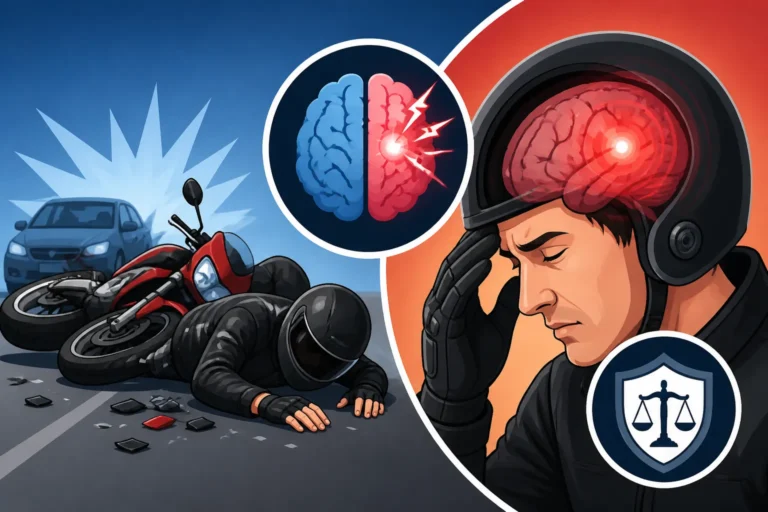
Wrongful Death Damages Explained
The sudden, tragic loss of a loved one in a motorcycle accident is an unimaginable pain, often compounded by overwhelming financial worries and the complex, intimidating legal questions that arise. Families are left to grapple not only with profound grief but also with the daunting task of navigating a system that demands answers and compensation for their devastating loss. This comprehensive guide aims to shed light on wrongful death damages, meticulously explaining the various types of compensation available, who can seek it, and the intricate legal process involved in these heartbreaking cases, helping you understand how to protect your family's future.
Understanding Wrongful Death in Motorcycle Accidents
The concept of wrongful death in the context of a motorcycle accident can feel abstract, especially when you're caught in the throes of grief. However, understanding the legal framework is crucial for seeking justice and recovering damages for your family's immense loss. It’s about more than just an accident; it’s about a life cut short due to someone else’s negligence or wrongdoing.
Defining Wrongful Death and Legal Basis
At its core, a wrongful death claim arises when an individual dies due to the fault or negligence of another party. In the realm of motorcycle accidents, this most often means the driver of another vehicle whose actions, whether distracted driving, speeding, or failing to yield, led to the fatality. The legal basis for these claims isn't found in criminal law, but rather in civil statutes enacted by each state. These statutes, like California Code of Civil Procedure 377.60 or Florida Statute 768.21, create a cause of action for specific family members to recover damages that they personally suffered as a result of the deceased's passing. These laws acknowledge that while money can never replace a life, it can help compensate for the significant financial and emotional void left behind.
Consider a situation where a driver, perhaps glancing at their phone, merges without looking and forces a motorcyclist off the road, resulting in a fatal collision. Even if that driver faces criminal charges for reckless driving, a wrongful death claim would be a separate civil action brought by the victim's family to seek financial recompense. This claim asserts that had the negligent party acted responsibly, the motorcyclist would still be alive, and therefore, the responsible party should be held accountable for all resulting damages.
Differentiating Wrongful Death from Survival Actions
It's easy to confuse wrongful death claims with what are known as "survival actions," but they serve distinct purposes and compensate different losses. A wrongful death claim compensates the surviving family members for their losses, such as lost financial support, companionship, and grief. It’s about the harm done to the survivors. For instance, a surviving spouse might claim for the loss of their partner's income and their irreplaceable presence in daily life.
On the other hand, a survival action is brought on behalf of the deceased's estate to recover damages the deceased person suffered between the time of the injury and their death. This could include medical expenses incurred during that period, or conscious pain and suffering the victim endured before they passed away. Think of it this way: if a motorcyclist survived for a few days in the hospital after a crash before succumbing to their injuries, a survival action could seek compensation for their hospital bills and any pain they consciously experienced during that time. The proceeds from a survival action typically go into the deceased's estate and are then distributed according to their will or state intestacy laws, whereas wrongful death damages go directly to the named beneficiaries. Many states allow both types of claims to be pursued simultaneously, as they address different facets of the profound loss.
Who Can File a Wrongful Death Claim
The question of "who can file" is critically important and strictly defined by state law. Generally, the primary beneficiaries are the deceased's spouse, children, and parents. For example, in many states, if a married motorcyclist dies, their surviving spouse and minor children would typically be at the top of the list. If there's no surviving spouse or children, the parents might then have the right to file.
However, the laws can vary significantly. Some states, like California, have broader definitions that might include domestic partners or even putative spouses (individuals who genuinely believed they were married to the deceased). Other states might allow adult children, even if independent, or financially dependent relatives to file under certain circumstances. It's not always as straightforward as it seems. For instance, if a motorcyclist was an only child and his elderly parents were financially dependent on him, they would likely have a strong claim. Conversely, if a distant cousin who wasn't financially dependent or a direct heir attempts to file, they would likely be excluded by most state statutes. Understanding the specific Motorcycle Accident Fault Laws in California or other states can clarify these nuances. Because the right to file is so specific, it's vital for families to consult with legal professionals early to determine their eligibility and ensure proper representation for all potential beneficiaries.
Types of Economic Damages in Wrongful Death Claims
When a motorcycle accident tragically takes a life, the financial ripple effects can be devastating and far-reaching for the surviving family. These are the tangible losses that can often be quantified with bills, pay stubs, and expert calculations. They represent the direct financial harm the family suffers due to the untimely death.
Financial Contributions and Support
One of the most significant economic damages in a wrongful death claim is the loss of the deceased's financial contributions and support. This isn't just about their current paycheck; it's about the entire financial future they would have provided. This includes the lost wages and future earning capacity of the deceased, which an economist often calculates, projecting their potential income, raises, and career advancements over their expected lifespan. For a young rider with a promising career ahead, this figure can be substantial. Beyond direct income, families also lose out on crucial benefits, such as employer-sponsored health insurance, pension contributions, retirement savings, and other perks that were part of the deceased's compensation package.
Consider a scenario where a rider, a young construction worker, was just starting to climb the ranks in his trade, earning $60,000 a year, with a clear path to becoming a foreman earning $90,000 within five years. His family would not only claim for the current $60,000 annual loss but also for the projected increases over his working life. This financial void can cripple a family, making it difficult to pay mortgages, save for college, or even cover daily living expenses. In addition to direct income, many households rely heavily on the uncompensated "household services" provided by the deceased. This includes everything from childcare and home maintenance to budgeting, gardening, and chauffeuring. While these services don't come with a pay stub, their value is real and can be substantial if the family has to pay for these services now.
Medical and Funeral Expenses
In the immediate aftermath of a fatal motorcycle accident, families are often faced with sudden, overwhelming medical bills, even if the victim passed away quickly. These pre-death medical treatment costs, which can range from emergency room services and ambulance rides to intensive care unit stays and surgical procedures, are rightfully sought as part of the damages. Even if the care was only for a short period, these costs can quickly escalate into tens of thousands of dollars, adding immense financial strain to an already grieving family.
Beyond medical care, there are the inevitable funeral and burial expenses. The average cost of a funeral in the United States can easily exceed $7,000-$10,000, not including ancillary costs like cremation, urns, gravestones, or memorial services. For example, in a major metropolitan area like Los Angeles, a funeral can be even more expensive. These are direct, out-of-pocket expenses that families must bear during their most vulnerable time. It's important to differentiate these direct costs from the emotional distress of having to pay them, although the emotional burden is undeniably linked. A wrongful death claim aims to recover these necessary and often unexpected expenses, ensuring families aren't further burdened by the financial aftermath of their tragic loss.
Non-Economic Damages for Profound Loss
While economic damages attempt to put a financial figure on measurable losses, non-economic damages delve into the deeper, intangible void left by a loved one's death. These are often harder to quantify, but they represent the profound human cost of a wrongful death and are a crucial component of any claim. This is where the true depth of loss is acknowledged beyond mere dollars and cents.
Loss of Companionship, Comfort, and Society
The loss of companionship, comfort, and society encompasses the irreplaceable emotional and relational aspects of the deceased's life. This isn't about money; it's about the absence of a partner, a parent, a child, or a loved one from daily life. It refers to the loss of love, affection, solace, moral support, protection, guidance, instruction, and the intimate companionship the deceased would have provided. For a surviving spouse, this could mean the absence of their life partner, their confidante, and the person with whom they shared their dreams. For children, it means growing up without a parent's nurturing, advice, and presence at milestones.
Assessing this intangible value in court is incredibly challenging but critical. It often involves testimonies from family members, friends, and even colleagues who can speak to the quality of the relationship and the profound impact the death has had on the survivors' lives. Imagine a family that regularly enjoyed weekend rides, shared meals, and vacationed together; the sudden absence of the rider leaves a gaping hole in these cherished activities and the overall fabric of family life. These damages acknowledge the deep emotional toll, the quiet moments of loneliness, the missed celebrations, and the future experiences that will never be shared. This aspect of the claim seeks to hold the negligent party accountable for disrupting the very core of a family's emotional well-being. This is distinct from quantifiable losses and often represents a significant portion of a wrongful death settlement. You can learn more about how similar damages are valued in this article on Pain and Suffering in Motorcycle Settlements.
Pain and Suffering of the Deceased
While wrongful death claims primarily focus on the survivors' losses, a survival action (as discussed earlier) may allow for the recovery of the deceased's conscious pain and suffering. This is a crucial distinction: it doesn't compensate the family for their grief, but rather for the physical agony and emotional distress the deceased endured from the moment of injury until their death. This means there must be evidence that the victim was conscious for some period after the accident and experienced pain or terror.
Proving conscious pain and suffering can be difficult, especially if the death was instantaneous. However, if medical records indicate a period of consciousness, even brief, or if witnesses describe the victim's cries or movements at the scene, these can be vital pieces of evidence. For instance, if a motorcyclist was trapped under a vehicle for 10 minutes before losing consciousness, the terror and physical pain they experienced during those minutes could be compensable. State laws vary dramatically on whether these damages are recoverable and how they are calculated. Some states have strict interpretations, requiring clear proof of awareness, while others may allow for a broader interpretation. The purpose here is to acknowledge the direct suffering of the individual who ultimately succumbed to their injuries, even if that suffering was tragically cut short.
Emotional Distress and Grief of Survivors
While related to the loss of companionship, some jurisdictions may specifically allow for recovery for the emotional distress and grief experienced directly by the surviving family members. This acknowledges the profound psychological impact that the sudden and violent death of a loved one can have. This isn't just sadness; it can manifest as severe depression, anxiety, PTSD, difficulty sleeping, or an inability to cope with daily life. The feeling of hopelessness and despair can be overwhelming, and it can require long-term therapy or medication to manage.
The challenge, of course, lies in quantifying such deep and personal grief. There isn't a formula for sorrow. However, courts and juries often consider factors such as the closeness of the relationship, the suddenness and violence of the death, and the visible manifestation of grief in the survivors (e.g., medical records showing mental health treatment, testimony from therapists, or accounts from friends and family). While the legal landscape varies, it's clear that the devastating psychological impact on a surviving family is a very real and profound injury, worthy of recognition within the scope of wrongful death damages. Families should diligently document their emotional struggles and any professional help they seek, as this can be crucial evidence in demonstrating this aspect of their loss.
Special Considerations and Punitive Damages
Wrongful death claims are rarely simple, and several factors can significantly impact the types and amounts of damages awarded. Beyond direct compensation for losses, there are elements like punitive damages, shared fault, and the hard limits of insurance policies that demand careful consideration. These complexities can make or break a family's ability to recover fully.
Punitive Damages in Egregious Cases
In certain exceptionally egregious cases, the court may award punitive damages in addition to compensatory damages. Unlike economic and non-economic damages, which aim to compensate the victim's family for their losses, punitive damages have a different purpose entirely: to punish the defendant for their malicious, reckless, or grossly negligent conduct and to deter others from similar actions in the future. They are not meant to make the family whole, but rather to send a strong message.
A classic example where punitive damages often apply is a drunk driving motorcycle accident. If a driver was operating their vehicle while heavily intoxicated and caused a fatal crash, a jury might decide that their actions warrant not only compensation for the family but also a significant punitive award. Other scenarios could include intentional acts of harm, or extremely reckless behavior that demonstrates a conscious disregard for human life. However, punitive damages are not awarded in every wrongful death case, and most states have strict rules regarding when they can be sought, often requiring a higher standard of proof than for compensatory damages. Furthermore, many states impose caps or limits on the amount of punitive damages that can be awarded, reflecting a balance between punishing wrongdoers and preventing excessive awards. For instance, in some states, like Texas, punitive damages are capped at specific amounts or multiples of economic damages, while other states may allow for uncapped punitive awards.
Impact of Comparative Negligence
The issue of comparative negligence can introduce a significant challenge to a wrongful death claim, particularly in motorcycle accidents where "rider bias" can sometimes unfairly place blame on the motorcyclist. Comparative negligence laws dictate how damages are reduced if the deceased person was found to be partially at fault for the accident. There are generally three types of rules across the states:
- Pure Comparative Negligence: In states like California, even if the deceased was 99% at fault, their family could still recover 1% of the damages. The award is simply reduced by their percentage of fault.
- Modified Comparative Negligence (50% Bar Rule): Found in states like Michigan, this rule allows recovery as long as the deceased's fault is 50% or less. If they are found 51% or more at fault, they recover nothing.
- Modified Comparative Negligence (51% Bar Rule): More common, this rule allows recovery as long as the deceased's fault is 51% or less. If they are found 51% or more at fault, they recover nothing. This is prevalent in states like Florida.
- Contributory Negligence: A few states, such as Maryland, still follow this harsh rule where any fault on the part of the deceased, even 1%, completely bars recovery.
Consider a scenario where a motorcyclist was traveling slightly above the speed limit when a distracted driver pulled out in front of them, causing a fatal collision. A jury might find the distracted driver 80% at fault and the motorcyclist 20% at fault for speeding. In a pure comparative negligence state, if the total damages were $1,000,000, the family would recover $800,000. However, in a 51% modified comparative negligence state, the family would also recover $800,000 because the rider's fault was below the 51% threshold. But if the rider was found 51% at fault, they would recover nothing. This is why determining Who Is at Fault in a Motorcycle Accident is so critical, as even a small percentage of fault can significantly reduce or eliminate a family's ability to recover.
Insurance Policy Limits and Multiple Claimants
A harsh reality of wrongful death claims is that even when fault is clear and damages are extensive, the amount a family can ultimately recover is often capped by the at-fault driver's insurance policy limits. Most drivers carry minimum liability insurance, which in many states, like Florida, might only be $10,000 for bodily injury per person and $20,000 per accident. If the economic and non-economic damages for a wrongful death claim easily exceed hundreds of thousands or even millions of dollars, a $20,000 policy is woefully inadequate.
This problem is further compounded when there are multiple claimants. If a deceased motorcyclist leaves behind a spouse and two children, and the at-fault driver only has a $50,000 per accident policy, that limited amount must be divided among three grieving beneficiaries. This can lead to difficult negotiations and an unfortunate reality where no single claimant receives full compensation for their profound loss. This is where the deceased's own uninsured/underinsured motorist (UM/UIM) coverage becomes incredibly important. If the at-fault driver's insurance is insufficient, the family might be able to tap into the deceased's UM/UIM policy to cover the remaining damages, providing a crucial safety net. Understanding How Insurance Policy Limits Affect Your Payout is essential for any family pursuing a wrongful death claim.
The Complex Process of Valuing and Proving Damages
Successfully navigating a wrongful death claim, particularly after a motorcycle accident, is a marathon, not a sprint. It demands meticulous attention to detail, a thorough understanding of legal principles, and often, the expertise of various professionals. Proving the full extent of a family's loss and securing fair compensation is an arduous but necessary journey.
Gathering Essential Evidence
The foundation of any strong wrongful death claim rests on comprehensive evidence. This involves a diligent and systematic approach to collecting every piece of information that can paint a complete picture of both the accident and the profound loss suffered. Immediately following the accident, collecting data such as the police report, witness statements, and photographs or videos of the scene and vehicles is paramount. These pieces of evidence help establish How Fault Is Determined in Motorcycle Accidents. Beyond the accident itself, families must meticulously document all financial losses. This means gathering the deceased's pay stubs, tax returns, employment history, and any records of benefits like health insurance or retirement contributions. These documents are crucial for calculating lost wages and future earning capacity.
Equally important is evidence of non-economic damages. Testimonies from family members, close friends, and even colleagues can speak volumes about the deceased's character, their role in the family, the depth of their relationships, and the impact their absence has had. These personal accounts help quantify the intangible loss of companionship and support. Medical records related to the deceased's final treatment, if any, and records of therapy or counseling sought by surviving family members for emotional distress are also vital. Every detail, from utility bills showing household contributions to photos depicting family life, can contribute to building a compelling case and proving the full scope of the Types of Damages in a Motorcycle Accident Claim.
Expert Testimony for Future Losses
Valuing the full scope of damages in a wrongful death claim often requires the specialized knowledge of various experts. This is especially true when attempting to quantify future losses, which can extend decades into the future. For example, forensic economists are indispensable for calculating lost earning capacity. They analyze the deceased's past income, career trajectory, education, and life expectancy to project what they would have earned over their lifetime, factoring in inflation, potential raises, and lost benefits. This calculation is incredibly complex, as it discounts future earnings to their present value.
Furthermore, if the deceased provided significant care for dependents or managed a household, vocational experts or life care planners might be brought in. A vocational expert can assess the value of lost household services, such as childcare, home maintenance, or financial management, which the family now has to outsource or cover themselves. In cases involving surviving dependents with special needs, life care planners can project the long-term care costs that the deceased would have provided. Psychologists or grief counselors might also provide expert testimony on the severe emotional distress and grief experienced by survivors, especially if documented through ongoing therapy. These experts provide objective, data-driven assessments that lend credibility and weight to the damage calculations, helping to demonstrate the true financial and emotional impact on the family.
Negotiation and Litigation Strategies
Once the evidence is gathered and damages are thoroughly calculated, the legal process moves into negotiation, and potentially, litigation. Dealing with insurance adjusters can be particularly challenging, as their primary goal is often to minimize the payout. They may dispute fault, question the severity of the family's emotional suffering, or attempt to devalue future economic losses. This is where a strong legal team becomes invaluable. A demand letter, meticulously outlining all damages and supported by compelling evidence, is typically the first step in formal negotiations. This letter presents the family's case and a requested settlement amount. You can read more about how this is structured in How to Negotiate a Motorcycle Accident Settlement.
The negotiation process can be lengthy, involving multiple offers and counter-offers. If a fair settlement cannot be reached through negotiation, the case may proceed to litigation, culminating in a trial. Preparing for trial involves extensive discovery, depositions of witnesses and experts, and crafting a persuasive narrative for a jury. This is a formidable undertaking, both emotionally and financially, for grieving families. Throughout this process, attorneys work to ensure that all potential avenues for compensation are explored, from the at-fault driver's liability insurance to the deceased's own UM/UIM policies. Their goal is to maximize the family's recovery, acknowledging the immense loss and ensuring financial stability for the future.
Comparative Overview of Wrongful Death Damages
To help clarify the various components of a wrongful death claim, here's a table comparing economic and non-economic damages, highlighting their nature and typical beneficiaries.
| Damage Type | Description | How it's Valued | Beneficiary |
|---|---|---|---|
| Economic Damages | |||
| Lost Financial Support | Loss of the deceased's income, wages, future earning capacity, and employment benefits (pensions, health insurance, etc.). | Calculated by forensic economists based on past income, career projections, life expectancy, and discounting to present value. | Spouse, Children, or other Dependents |
| Lost Household Services | Value of uncompensated services the deceased provided to the household (childcare, maintenance, chores, financial management). | Expert testimony from vocational experts or life care planners, estimating replacement costs for these services. | Spouse, Children, or other Dependents |
| Medical Expenses (Pre-Death) | Costs of emergency care, hospitalization, surgeries, and other treatments incurred from the time of injury until death. | Based on medical bills, hospital records, and invoices. | Deceased's Estate (typically) |
| Funeral & Burial Expenses | Costs associated with funeral services, cremation, burial plot, headstone, and memorial services. | Based on invoices and receipts from funeral homes and related service providers. | Deceased's Estate or Direct Payee (reimbursable) |
| Non-Economic Damages | |||
| Loss of Companionship | Loss of the love, affection, comfort, moral support, guidance, society, and intimate companionship provided by the deceased. | Subjective assessment by jury based on testimony from family/friends, nature of relationship, and impact on survivors' lives. No fixed formula. | Spouse, Children, Parents (statutory beneficiaries) |
| Pain & Suffering (Deceased) | Conscious physical pain, mental anguish, and emotional distress experienced by the deceased from the time of injury until death (only in survival actions). | Based on medical records, witness testimony, and expert opinions regarding the deceased's level of awareness and suffering. Highly state-dependent. | Deceased's Estate (ultimately for beneficiaries) |
| Emotional Distress (Survivors) | Severe grief, sorrow, anguish, and psychological trauma experienced directly by the surviving family members due to the death. | Evidence includes medical/therapy records, personal journals, and testimony from mental health professionals and close contacts. | Spouse, Children, Parents (statutory beneficiaries) |
| Punitive Damages | Awarded to punish the defendant for grossly negligent or malicious conduct, and to deter similar future actions (not compensatory). | Determined by jury discretion, often related to the egregiousness of the defendant's conduct. Subject to state caps and higher standards of proof. | State-dependent (may go to survivors or split) |
Disclaimer
Please remember that the information provided in this guide is intended for general informational purposes only and does not constitute legal advice. Wrongful death laws are complex and vary significantly by state. It is crucial to consult with a qualified legal professional to discuss the specifics of your individual situation and to understand your rights and options following a motorcycle accident that resulted in a fatality.