Motorcycle Facial Injuries: Treatment and Long-Term Impact
A motorcycle accident, especially one involving facial injuries, isn't just a physical ordeal; it's a deeply personal trauma that can shake your sense of self, your confidence, and your very identity. The road to recovery isn't just about mending bones or stitching skin; it's about navigating complex medical procedures, dealing with potential disfigurement, and coping with the emotional and psychological fallout. This guide aims to offer a comprehensive look into the treatment pathways and the profound long-term impact of motorcycle facial injuries, providing a realistic roadmap for what lies ahead.
Understanding Motorcycle Facial Injuries
When you're out on your bike, you're exposed, and unfortunately, your face is one of the most vulnerable parts of your body, even with a helmet. While a full-face helmet offers significant protection, impact forces can still cause severe facial trauma. The sheer force involved in a motorcycle collision means these aren't just minor scrapes; they're often complex, multi-layered injuries that demand specialized care.
Common Types of Facial Trauma
Motorcycle accidents can lead to a brutal array of facial injuries, far beyond what most people imagine. We're talking about everything from severe road rash that strips away layers of skin to catastrophic bone fractures that alter the entire facial structure.
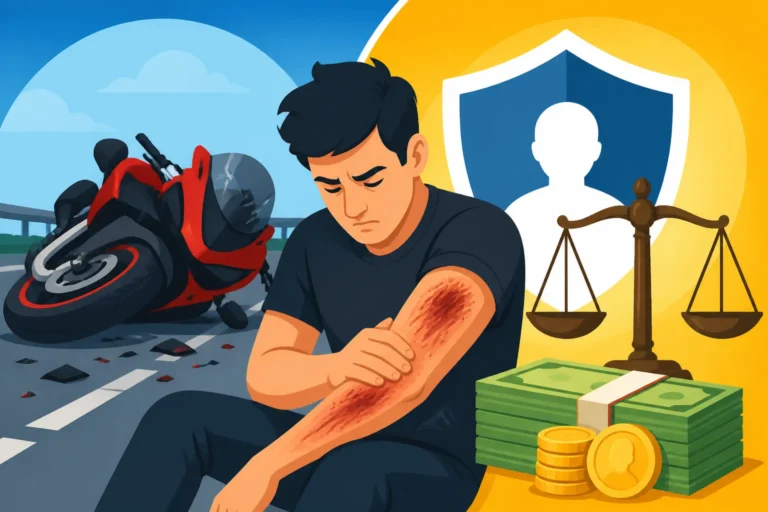
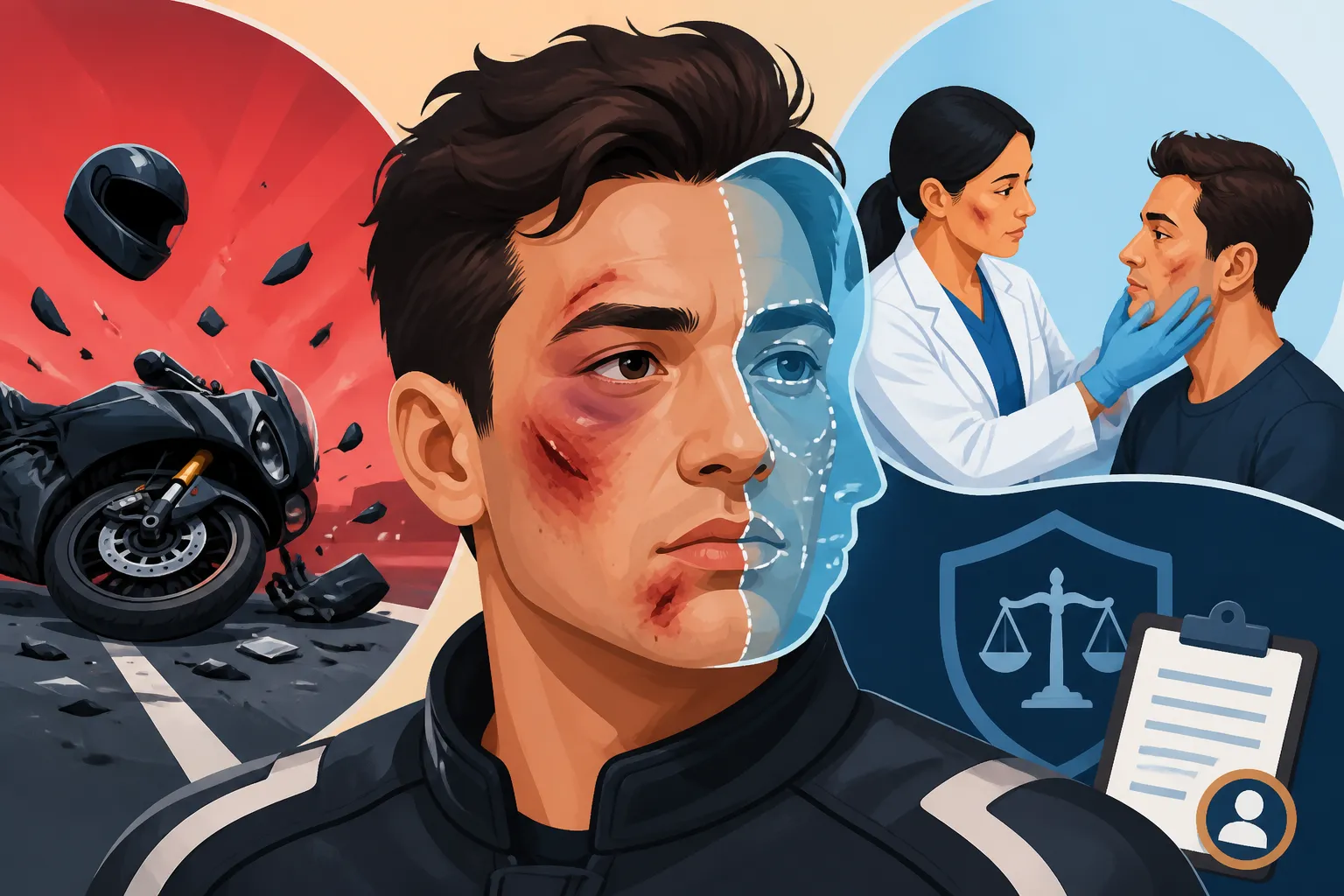
One of the most immediate and common injuries is Road Rash Injuries and Claims These abrasions can range from superficial, where only the top layer of skin is affected, to full-thickness avulsions where muscle and bone are exposed. Imagine sliding across asphalt at speed; the friction essentially grinds away your skin, leaving behind raw, painful wounds that are highly susceptible to infection and can leave significant scarring. Beyond the skin, soft tissue injuries like deep lacerations and contusions are also prevalent. These can affect muscles, nerves, and blood vessels, potentially leading to permanent numbness, weakness, or even paralysis in parts of the face.
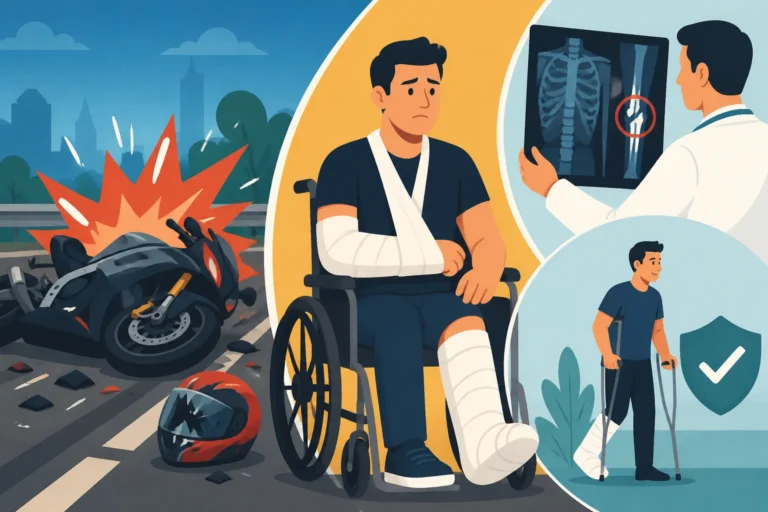
Then there are the bone fractures. The human skull and face are a complex mosaic of delicate bones. High-impact collisions can shatter the jawbone (mandible), cheekbones (zygoma), eye sockets (orbital bones), nasal bones, and even the bones in the forehead (frontal bone). A fractured jaw can make eating and speaking excruciatingly difficult, while orbital fractures can lead to double vision or even vision loss if the eye itself is damaged. These fractures often involve displacement, meaning the bones are no longer aligned, which complicates healing and often necessitates intricate surgical intervention to restore both function and appearance.
The Mechanics of Facial Injury in Motorcycle Accidents
The physics of a motorcycle accident are particularly unforgiving to the face. Unlike car occupants who are somewhat shielded by a vehicle's frame, a rider's head often makes direct contact with the ground, another vehicle, or an immovable object. The sudden deceleration can also cause the rider to be thrown from the bike, leading to a secondary impact with the road surface.
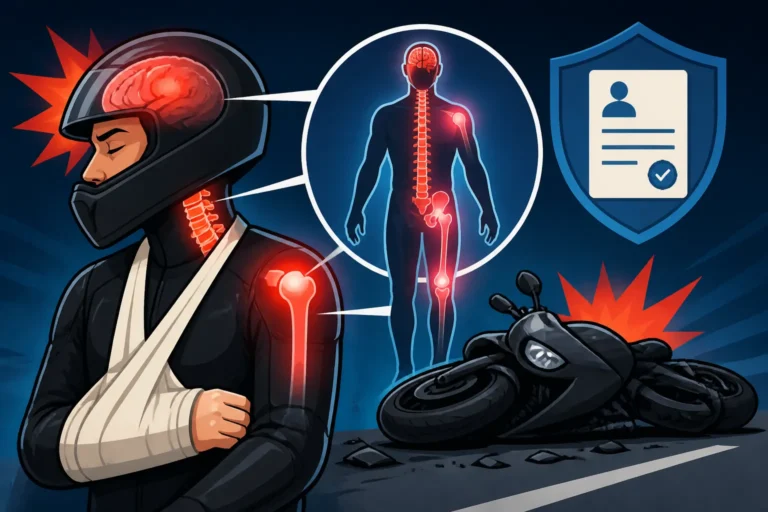
Even with a helmet, the energy transfer can be immense. While a DOT-approved full-face helmet is designed to absorb and distribute impact forces, it cannot completely eliminate them. A strong enough impact can cause the helmet itself to deform, or the lower portion to be sheared away, exposing the jaw and chin. Furthermore, rotational forces, where the head twists violently, can occur even with a helmet, leading to injuries deep within the brain, often in conjunction with superficial facial trauma. This is why Motorcycle Traumatic Brain Injuries are frequently seen alongside facial injuries. The materials of the road, debris, shattered glass, or vehicle components can act as abrasive or blunt instruments, inflicting devastating damage. The nature of these impacts makes facial injuries from motorcycle accidents uniquely severe, often requiring a multi-specialty approach for both initial stabilization and long-term recovery.
Immediate Treatment and Medical Intervention
The moments immediately following a motorcycle accident are chaotic and terrifying, especially when facial injuries are involved. Getting rapid and appropriate medical care is not just about healing; it's about potentially saving your life and preserving your future quality of life. Even if you feel okay, never skip an ambulance ride or a trip to the emergency room. Delayed symptoms after a motorcycle crash are very real, and some injuries aren't immediately obvious.
Emergency Medical Response
When emergency medical services (EMS) arrive on the scene, their first priority is stabilization. For facial injuries, this often means ensuring an open airway, as swelling or trauma to the mouth, nose, or throat can quickly compromise breathing. Paramedics are trained to manage bleeding, which can be profuse from facial wounds due to the rich blood supply. They will carefully assess the extent of visible injuries, looking for signs of severe trauma, such as exposed bone, severe lacerations, or obvious deformities.
Once you're stabilized, transport to a trauma center is crucial. Hospitals designated as Level I or II trauma centers have specialized teams available 24/7, including maxillofacial surgeons, neurosurgeons, plastic surgeons, and ophthalmologists. These experts are vital in addressing the complex and interconnected nature of facial injuries, as trauma to one area can have ripple effects on others. For example, a severe blow to the jaw might also involve damage to the cervical spine, necessitating a coordinated approach from multiple medical disciplines. This comprehensive immediate care lays the groundwork for all subsequent treatments.
Initial Hospital Care and Diagnostics
Upon arrival at the trauma center, a rapid and thorough diagnostic workup begins. This often involves a battery of imaging tests. A CT scan of the head and face is standard procedure to visualize bone fractures, identify internal bleeding, and assess for brain injuries. X-rays might also be used to get specific views of certain bones, like the jaw or nasal passages. In some cases, an MRI may be ordered to evaluate soft tissue damage, nerve involvement, or potential spinal cord injuries, which can be related to the head and neck trauma.
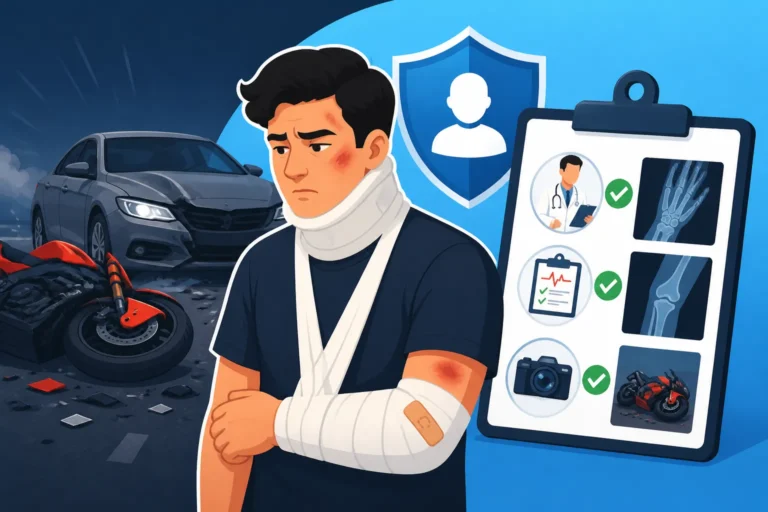
Doctors will also perform a detailed physical examination, checking for nerve function, vision, hearing, and the ability to move facial muscles. Any loss of sensation, difficulty with eye movement, or asymmetry in facial expression will be carefully documented. The goal during this initial phase is to identify every single injury, no matter how small, to create a comprehensive treatment plan. This diligent documentation of your injuries, including photos and detailed medical records, is absolutely essential later on if you need to pursue a Motorcycle Accident Claim. It's also during this critical period that wounds are cleaned, debrided (removing dead or contaminated tissue), and temporarily managed to prevent infection and prepare for more definitive surgical repair.
Long-Term Treatment and Rehabilitation
The path to recovery from motorcycle facial injuries extends far beyond the emergency room. It’s often a long, arduous journey involving multiple surgeries, specialized therapies, and immense resilience. The goal isn't just to heal the wounds, but to restore function, minimize disfigurement, and help you regain a semblance of your former life.
Surgical and Reconstructive Procedures
For many facial injury victims, surgery is an unavoidable reality. Maxillofacial surgeons, plastic surgeons, and sometimes neurosurgeons work together to repair the damage. Broken bones might require open reduction internal fixation (ORIF), where plates, screws, and wires are used to stabilize the fractures and realign the facial structure. This could mean intricate work to repair an eye socket, reconstruct a shattered jaw, or rebuild a nose. The process is incredibly delicate, as the goal is to not only fix the bones but also to preserve nerve function and aesthetic appearance.
Soft tissue damage, such as deep lacerations or extensive road rash, may necessitate skin grafts or flap surgeries. If a large area of skin is lost, tissue from another part of your body might be transplanted to the face. For more significant disfigurement, multiple reconstructive plastic surgeries may be required over months or even years. These can range from scar revision surgery to more complex procedures to restore facial symmetry or replace missing facial features. Each surgery comes with its own risks, recovery period, and emotional toll, making it crucial to have a strong support system. The costs associated with these procedures can be staggering, highlighting why understanding How Medical Bills Affect Your Settlement is so important.
Psychological and Emotional Support
It’s easy to focus solely on the physical wounds, but the psychological and emotional impact of facial injuries can be just as, if not more, debilitating. Waking up to a severely altered face can trigger profound feelings of shock, grief, anger, and anxiety. Many individuals experience symptoms of PTSD, depression, and significant social anxiety, especially if their injuries affect their ability to speak, eat, or express emotions. The sense of loss of identity can be overwhelming.
This is why integrated psychological support is not an option, but a necessity. Therapy, particularly cognitive behavioral therapy (CBT), can help survivors process the trauma, develop coping mechanisms, and address body image issues. Support groups, where individuals can connect with others who have experienced similar injuries, can also provide invaluable comfort and understanding. Learning to live with scars, changed facial expressions, or functional limitations is a monumental task, and professional mental health support can make all the difference in navigating this challenging journey. Recognizing Emotional Distress Damages as a legitimate part of your claim is also vital.
Ongoing Rehabilitation and Care
Beyond surgical intervention, ongoing rehabilitation is often necessary to regain function and adapt to new realities. Physical therapy might be needed to improve jaw mobility, facial muscle strength, or address neck and shoulder issues that frequently accompany facial trauma. Speech therapy can be critical if injuries affect the mouth, tongue, or vocal cords, helping individuals regain clear communication. Occupational therapy focuses on helping people adapt to daily activities, such as eating, drinking, or performing hygiene tasks, especially if there are permanent functional limitations.
Regular follow-up appointments with specialists—dentists, orthodontists, ophthalmologists, and neurologists—are often part of the long-term care plan. For those with severe disfigurement, specialized prosthetics might be an option, such as prosthetic eyes or dental implants. This continuous, multidisciplinary approach is essential for maximizing recovery, managing chronic pain, and addressing any new issues that may arise over time. It’s a testament to the human spirit's capacity for resilience, but it's a journey that no one should have to face without comprehensive support and resources.
The Lasting Impact of Facial Injuries
The effects of motorcycle facial injuries don't just fade away once the stitches are out and the bones mend. These injuries often leave a permanent mark, not just physically, but on every aspect of a survivor's life. Understanding these long-term impacts is critical for both personal coping and for pursuing appropriate compensation in a legal claim.
Physical and Functional Impairments
Even after extensive treatment, many facial injury survivors face lasting physical and functional challenges. Chronic pain is a common reality, whether it's from nerve damage, ongoing issues with joint mobility in the jaw, or persistent headaches. Nerve damage can lead to permanent numbness, tingling, or even paralysis in parts of the face, affecting sensations and muscle control. Imagine not being able to fully smile, blink, or frown – these seemingly simple actions are fundamental to human interaction and self-expression.
Vision problems are another significant concern, especially with orbital fractures. Double vision, reduced peripheral vision, or even blindness in one eye can dramatically impact daily life, making driving, reading, or simply navigating the world far more challenging. Dental complications are also common, including lost teeth, misaligned bites, and chronic jaw pain (TMJ disorders), requiring years of dental work, orthodontics, or prosthetics. These are just some of the Long-Term Effects of Motorcycle Injuries that truly underscore the severity of what riders endure. These impairments don't just affect physical comfort; they erode independence and can reshape how an individual interacts with the world.
Psychological and Social Repercussions
Perhaps the most profound and often underestimated long-term impact of facial injuries is the psychological and social toll. Our face is central to our identity, how we perceive ourselves, and how others perceive us. Significant scarring or disfigurement can lead to intense self-consciousness, shame, and social withdrawal. Activities that were once routine, like going to a restaurant, attending social gatherings, or simply making eye contact, can become sources of immense anxiety.
Many survivors grapple with persistent feelings of depression, anxiety, and even post-traumatic stress disorder (PTSD). The experience of the accident itself, combined with the trauma of facial disfigurement and the long, painful recovery process, can leave deep emotional scars. Relationships with family and friends may be strained, and romantic relationships can become challenging. The ability to work and maintain a career can also be severely impacted, especially if the job involves public interaction or requires physical capabilities affected by the injuries. It's an isolating experience that can strip away self-esteem and alter one's outlook on life, highlighting the value of Pain and Suffering Damages Explained in a claim.
Financial Burdens and Compensation
The financial fallout from severe motorcycle facial injuries is typically immense and long-lasting. Medical bills, even with insurance, can quickly reach hundreds of thousands of dollars, covering everything from emergency procedures and multiple surgeries to specialized rehabilitation, medications, and psychological counseling. Beyond direct medical costs, there's the economic impact of lost wages, both current and future. If your injuries prevent you from returning to your previous job, or limit your earning capacity, the financial strain can be catastrophic. Understanding How Lost Wages Are Calculated is paramount for securing adequate compensation.
| Type of Damage | Description | Examples for Facial Injuries |
|---|---|---|
| Economic Damages | Quantifiable monetary losses directly resulting from the accident. | Hospital bills, surgical fees, medication costs, rehabilitation (physical, speech, occupational therapy), dental work, vision care, lost income (past and future), transportation to appointments, home modifications, adaptive equipment. |
| Non-Economic Damages | Subjective, non-monetary losses related to pain, suffering, and diminished quality of life. These are harder to quantify but are extremely real. | Physical pain, emotional distress, psychological trauma (PTSD, depression, anxiety), disfigurement, scarring, loss of enjoyment of life, loss of consortium, social anxiety, grief, loss of self-esteem, inability to engage in hobbies. |
Navigating these financial burdens while recovering from such devastating injuries can feel impossible. This is where understanding Types of Damages in a Motorcycle Accident Claim becomes essential. A personal injury claim aims to recover both economic and non-economic damages to cover these costs and compensate for the profound impact on your life. However, insurance companies are notoriously difficult, often trying to minimize payouts. This is precisely why most riders find themselves needing to consult with a qualified professional. You need someone in your corner who understands the true value of these long-term impacts and how to fight for the compensation you deserve. This is where asking yourself, Do You Need a Motorcycle Accident Lawyer becomes a serious consideration.
Disclaimer
Please remember that the information provided in this guide is intended for general informational purposes only and does not constitute legal or medical advice. Every motorcycle accident and resulting injury is unique. It is crucial to consult with qualified medical professionals for diagnosis and treatment of your injuries and to seek advice from an experienced motorcycle accident attorney regarding your specific legal situation.