Prosthetics and Long-Term Care Costs
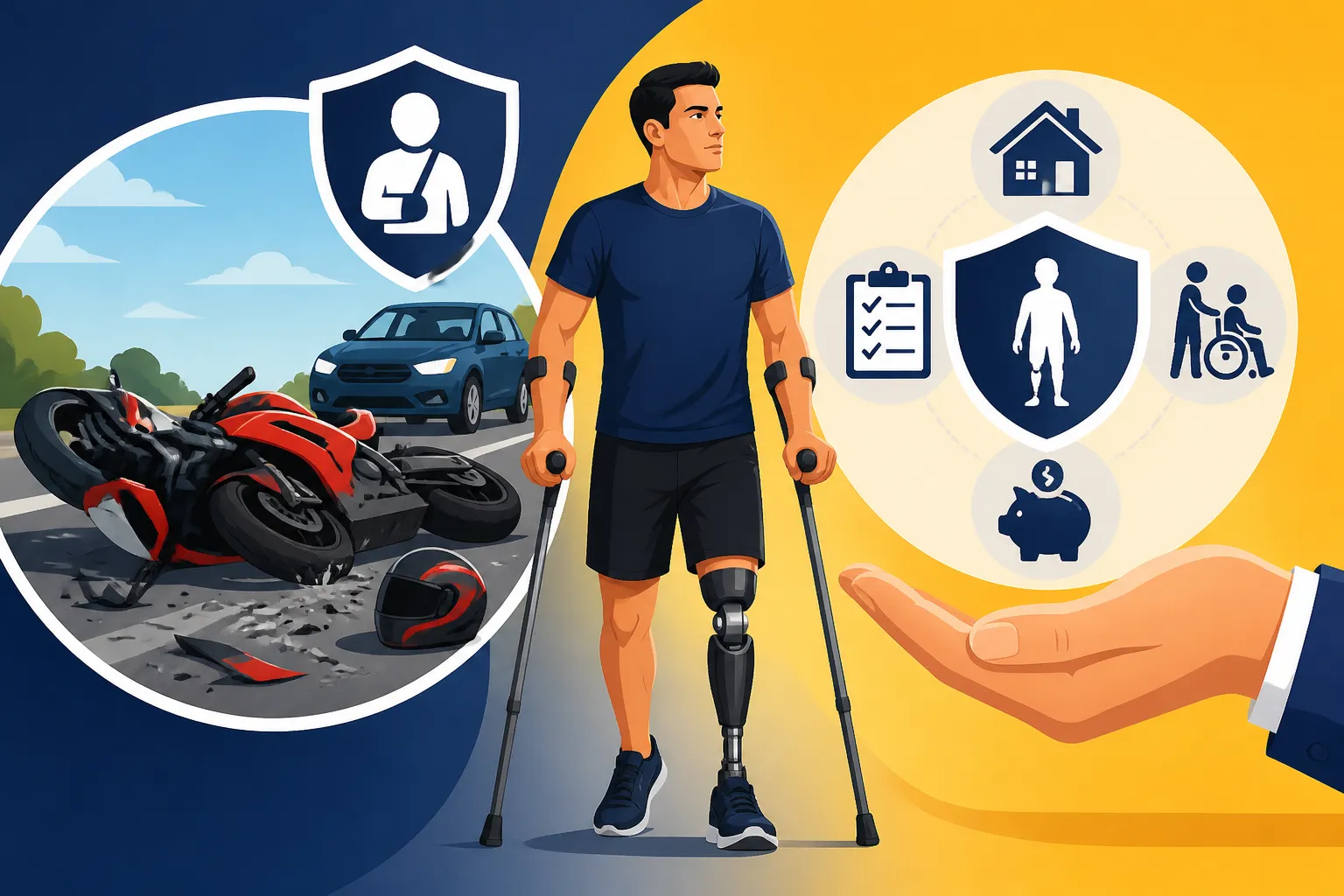
Experiencing a motorcycle accident can be truly life-altering, and for some, it tragically means facing the reality of amputation. The physical and emotional journey after such an injury is immense, but often, the financial burden of prosthetics and long-term care can feel just as overwhelming. This guide is here to walk you through understanding these significant costs and how to ensure they are fully accounted for in your motorcycle accident claim.
Understanding the Devastating Impact of Amputation After a Motorcycle Accident
When a motorcycle accident leads to amputation, it's not just a physical loss; it's a profound shift in every aspect of a person's life. The immediate aftermath is a whirlwind of medical procedures, pain management, and coming to terms with a new reality. Many riders often find themselves grappling with not only the immediate injuries but also the long-term implications that can dramatically alter their independence and quality of life. This isn't just about losing a limb; it's about adapting to a different way of moving, working, and engaging with the world.
Immediate Challenges After Amputation
The first few weeks and months post-amputation are incredibly intensive. You're likely facing multiple surgeries – initial amputation, perhaps revision surgeries, and then preparing the residual limb for a prosthetic. Think about the hospital stays, the consultations with specialists like orthopedic surgeons, vascular surgeons, and plastic surgeons, all working to stabilize your condition and begin the healing process. This phase alone racks up substantial medical bills. Beyond the physical healing, there's the initial physical therapy to regain strength, learn new movements, and manage phantom limb pain, a very real and often debilitating sensation. The mental fortitude required to push through these early stages is immense, and the costs associated with specialized care, medications, and therapeutic interventions can quickly become astronomical. This initial period is critical for laying the groundwork for rehabilitation, but it’s also when the first wave of financial strain hits, often before you even begin to consider the cost of a prosthetic.
The Psychological and Emotional Toll
It’s impossible to talk about amputation without addressing the deep psychological and emotional impact. Many accident survivors grapple with grief, loss, body image issues, and even post-traumatic stress disorder (PTSD). Imagine waking up after an accident and realizing a part of you is gone, and then having to face the world knowing things will never be the same. The mental health support required can be extensive, including therapy, counseling, and sometimes medication to manage depression, anxiety, or trauma. These services are not optional; they are crucial for a healthy recovery and integration into life with a prosthetic. Unfortunately, these vital aspects of recovery are often overlooked in initial damage assessments, yet they contribute significantly to the overall long-term care costs. Ignoring this component not only compromises a person's well-being but also leads to an incomplete picture of their overall damages, which is why it's so important to thoroughly document these non-physical injuries for your claim. This is a critical part of understanding the full spectrum of Long-Term Effects of Motorcycle Injuries.
Breaking Down the Costs of Prosthetics
When people think of prosthetics, they often picture a single device. However, the world of prosthetic limbs is incredibly complex and diverse, ranging from basic functional devices to highly advanced, bionic limbs that can cost as much as a luxury car. The choice of prosthetic depends heavily on the individual's needs, activity level, and the specific type of amputation. These devices are not one-time purchases; they require ongoing maintenance, repairs, and eventual replacement, all of which contribute to a significant financial burden over a lifetime.
Types of Prosthetics and Their Price Tags
Prosthetics are custom-made devices, not off-the-shelf products. The cost varies dramatically based on the limb affected, the technology involved, and the materials used. For an upper limb amputation, you might consider a purely cosmetic hand, a body-powered hook for basic function, or an advanced myoelectric hand that uses muscle signals for control. Lower limb amputations often involve prosthetics designed for walking, running, or even swimming, with specialized knees, ankles, and feet. For example, a basic prosthetic leg for walking might start around $5,000 to $10,000, but a high-tech, microprocessor-controlled knee or a bionic hand can easily exceed $50,000 to $100,000, sometimes even more. These figures represent the initial fitting and device, but they don't encompass the full financial picture.
Consider the various options and their typical cost ranges:
| Prosthetic Type (Example) | Description | Estimated Initial Cost Range |
|---|---|---|
| Basic Lower Limb | Simple walking prosthetic (e.g., SACH foot, basic pylon) | $5,000 – $15,000 |
| Advanced Lower Limb | Microprocessor knee, dynamic response foot | $20,000 – $100,000+ |
| Basic Upper Limb | Cosmetic hand, body-powered hook | $3,000 – $25,000 |
| Advanced Upper Limb | Myoelectric hand, multi-articulating fingers | $30,000 – $150,000+ |
| Sport-Specific | Running blade, swimming prosthetic | $10,000 – $30,000+ |
These numbers can be a shock, and it’s why understanding How Amputation Claims Are Valued is so important. A comprehensive claim must reflect the true cost of these life-changing devices.
Ongoing Maintenance and Replacement Needs
The initial purchase of a prosthetic is just the beginning. Just like any sophisticated piece of equipment, prosthetics require regular maintenance, repairs, and eventual replacement. Sockets may need to be refitted due to changes in residual limb volume, which can fluctuate over time. Components can wear out and break, especially with active use. Batteries in advanced electronic prosthetics need charging and replacement. Over a lifetime, an individual might go through multiple prosthetics as technology advances, as their activity levels change, or simply due to wear and tear.
For instance, a prosthetic liner might need replacement every six to twelve months at a cost of several hundred dollars. Major components, like knees or feet, may need replacement every 3-5 years, costing thousands. Children, in particular, will outgrow their prosthetics every year or two, requiring entirely new devices. This creates a recurring expense that can easily total hundreds of thousands of dollars over a person's lifespan. An accident claim must not only cover the cost of the first prosthetic but meticulously project all future expenses for maintenance, repairs, and replacements for decades to come.
Navigating Long-Term Care Expenses After a Motorcycle Accident
Beyond the direct costs of prosthetics, a motorcycle accident resulting in amputation often necessitates extensive long-term care that reshapes daily life. This isn't just about recovering from the accident; it's about creating an environment and support system that allows for maximum independence and quality of life going forward. These expenses can be complex and often hidden, making them difficult to quantify without careful planning.
Home Modifications and Assistive Devices
Returning home after an amputation often means confronting a living space that is no longer accessible or safe. Ramps may be needed to enter and exit the home, doorways might need widening for wheelchair access (even if not permanently in a wheelchair, a chair is often used during recovery or for certain activities), and bathrooms often require significant modifications, such as roll-in showers, grab bars, and raised toilet seats. Kitchens may need lower countertops or pull-out shelves to accommodate new limitations. Elevators or stair lifts might become necessary in multi-story homes.
Beyond structural changes, there's a need for various assistive devices. This can include wheelchairs for short distances or periods of fatigue, shower chairs, specialized beds, and adaptive equipment for cooking, dressing, and personal hygiene. Each of these modifications and devices comes with a significant price tag, ranging from a few hundred dollars for minor adjustments to tens of thousands, or even hundreds of thousands, for extensive renovations. These are essential investments for maintaining dignity and independence, and their costs must be thoroughly evaluated and included in a personal injury claim.
Professional Care and Support Services
Many individuals with amputations require ongoing professional care and support services. This can encompass a wide range of needs, from continued physical and occupational therapy to manage pain, improve mobility, and learn new skills, to in-home assistance for daily tasks. Depending on the severity of the injury and any other concurrent injuries, like a traumatic brain injury or spinal cord injury, the need for professional care can be quite extensive. A person might need assistance with bathing, dressing, meal preparation, or even transportation.
For some, especially those with additional severe injuries, continuous skilled nursing care or placement in a specialized long-term care facility might be necessary. The costs for these services are staggering. For example, in-home care from a certified nursing assistant in a state like Florida could cost anywhere from $25 to $35 per hour, quickly accumulating into thousands of dollars per week, while a semi-private room in a nursing home can average over $8,000 per month. These are expenses that will continue for years, if not for the rest of the injured person’s life. Calculating these future costs is a complex process, often requiring a life care planner to accurately project expenses over an expected lifespan, which is a key part of How Future Medical Costs Are Estimated.
Building a Strong Claim for These Catastrophic Damages
Successfully recovering compensation for prosthetics and long-term care after a motorcycle accident requires a meticulous approach. The insurance companies are not looking out for your best interest, and they will try to minimize what they pay. You need a rock-solid case that leaves no room for doubt about the extent and necessity of your damages. This means more than just presenting medical bills; it involves comprehensive documentation, expert analysis, and a clear presentation of your projected needs for the rest of your life. This level of detail is paramount, especially for Catastrophic Motorcycle Injuries Explained.
Documenting Every Expense and Need
The cornerstone of any strong personal injury claim is comprehensive documentation. For prosthetics and long-term care, this means keeping detailed records of every single expense, no matter how small. This includes invoices for initial prosthetics, receipts for liners and other supplies, repair bills, co-pays for physical therapy sessions, invoices for home modifications, and records of any assistive devices purchased. It's not enough to just collect bills; you also need to demonstrate the necessity of these items and services. This involves obtaining detailed reports and prescriptions from your doctors, prosthetists, physical therapists, and occupational therapists outlining your current and future needs.
An injury journal can also be incredibly powerful. Documenting your daily struggles, pain levels, and how your injuries impact your ability to perform routine tasks can provide a human element that reinforces the financial figures. Photos and videos of your injuries, your prosthetic in use, or any home modifications can further strengthen your claim by visually demonstrating the impact of your accident. Remember, every piece of evidence builds a stronger narrative of your suffering and needs. This careful collection of information is crucial for How to Document Injuries for a Claim.
Expert Testimony and Life Care Planning
For injuries as severe and long-lasting as amputation, relying solely on past expenses is insufficient. The legal system needs to understand your future needs, which can span decades. This is where expert testimony and a life care plan become indispensable. A life care planner is a medical professional who specializes in assessing the long-term needs of individuals with catastrophic injuries. They conduct thorough evaluations, consult with your medical team, and create a comprehensive report outlining all anticipated future medical care, therapies, prosthetics (including replacements and maintenance), medications, assistive devices, home modifications, and professional support services you will need for the remainder of your life.
This detailed plan will then be translated into a financial projection by an economic expert, who will calculate the present-day value of these future costs, accounting for inflation and investment returns. These experts can provide invaluable testimony in court or during settlement negotiations, lending credibility and professional weight to your claim. Their projections help ensure that your settlement truly reflects the full scope of your future financial burdens. Having these professionals on your side is often a critical factor in How a Lawyer Values Your Case.
The Role of Insurance and Legal Support
Dealing with insurance companies after a motorcycle accident, especially one involving such severe injuries, is rarely straightforward. They often look for ways to minimize payouts, dispute the necessity of certain treatments, or assign partial fault to the rider. Navigating these complexities while also recovering from a traumatic injury is nearly impossible for an individual. This is where experienced legal representation becomes absolutely crucial.
Dealing with Insurance Companies and Policy Limits
Insurance companies, both yours and the at-fault driver's, will scrutinize every aspect of your claim. They might argue that a less expensive prosthetic would suffice, that certain therapies are not strictly necessary, or that your home modifications are excessive. They may even try to use pre-existing conditions or suggest your own actions contributed to the accident to reduce their liability. Understanding How Insurance Companies Assign Blame to Riders is vital here.
Furthermore, a significant challenge can be the policy limits of the at-fault driver's insurance. If your damages for prosthetics, long-term care, lost wages, and pain and suffering exceed their coverage, you could be left with a substantial shortfall. A skilled personal injury attorney will meticulously investigate all potential avenues for recovery, including your own uninsured/underinsured motorist (UM/UIM) coverage, or even pursuing claims against multiple parties if applicable. They know how to negotiate with adjusters, counter their arguments, and fight for every dollar you deserve within the confines of available insurance.
How a Motorcycle Accident Lawyer Maximizes Your Claim
Hiring an experienced motorcycle accident lawyer is not just about getting legal advice; it's about leveling the playing field against powerful insurance corporations. A dedicated attorney understands the unique challenges motorcycle riders face and the devastating nature of injuries like amputation. They will take on the burden of gathering evidence, interviewing witnesses, coordinating with medical experts and life care planners, and handling all communication with insurance companies.
Your lawyer will meticulously build your case, demonstrating not only the extent of your current injuries but also the projected lifetime costs of your prosthetics and long-term care. They will fight vigorously to ensure that your compensation covers not only immediate medical bills and lost wages but also your future needs for adaptive equipment, home modifications, ongoing therapies, and the emotional pain and suffering you've endured. They understand the intricacies of How Future Medical Costs Are Calculated in a Motorcycle Claim and will ensure no stone is left unturned in accurately assessing and pursuing these damages. Ultimately, their goal is to secure a settlement or judgment that allows you to live the fullest life possible despite your injuries, providing you peace of mind about your long-term financial security.
Disclaimer
Please remember that this information is for educational purposes only and not legal advice. Every motorcycle accident claim is unique, and the specifics of your case, including state laws and insurance policies, will greatly influence your ability to recover damages. It is always recommended to consult with a qualified personal injury attorney to discuss the details of your situation and understand your legal options.