How to Check a Lawyer’s Track Record
When you've been in a motorcycle accident, the world can feel like it's been turned upside down. Beyond the physical pain and the often overwhelming medical bills, you're faced with a daunting task: finding someone you can truly trust to fight for your rights. Choosing the right attorney isn't just about picking a name from a list; it’s about entrusting your future to someone. This comprehensive guide will walk you through exactly how to check a lawyer's track record, ensuring you make the most informed decision possible for your motorcycle accident claim.
Why a Lawyer's Track Record Matters So Much for Motorcycle Riders
It's easy to feel lost after an accident, and the thought of digging into a lawyer's past performance might seem like just another heavy burden. But for motorcycle riders, understanding an attorney's track record isn't just good practice—it's absolutely critical. Your choice of legal representation can profoundly impact the outcome of your case and your ability to rebuild your life.
The Stakes Are Higher in Motorcycle Accidents
Let's be real: motorcycle accidents often result in far more severe injuries than typical car crashes. We're talking about everything from devastating road rash and broken bones to life-altering traumatic brain injuries or spinal cord damage. These injuries don't just mean immediate pain and medical expenses; they often lead to long-term care, lost wages, and a significant impact on your quality of life. Because of this, the financial compensation needed to cover these damages is typically much higher.
A lawyer with a proven track record understands the full scope of these severe injuries. They know how to accurately calculate not just your current medical bills and lost income, but also your future medical needs, lost earning capacity, and the immense pain and suffering you're enduring. Without this specialized experience, an attorney might undervalue your claim, leaving you with a settlement that doesn't truly cover your long-term needs. This is why understanding What Affects Your Motorcycle Accident Payout is so important from the outset.
Fighting Rider Bias
It's an unfortunate truth that motorcycle riders often face unfair stereotypes. In the aftermath of an accident, insurance companies and even jury members might harbor preconceptions, subtly or overtly suggesting that the rider was inherently reckless or somehow "asked for it." This rider bias can significantly complicate your claim, making it harder to prove fault and secure fair compensation.
A lawyer with a strong track record in motorcycle accident cases knows how to directly combat these biases. They have experience gathering compelling evidence, presenting it effectively, and reframing the narrative to focus on the facts and the other driver's negligence. They understand that proving Who Is at Fault in a Motorcycle Accident can be an uphill battle, and they're prepared to take it on. Their past successes in overcoming these ingrained perceptions speak volumes about their ability to advocate for you.
Maximizing Your Compensation
Ultimately, you want an attorney who can get you the maximum possible settlement or verdict. This isn't just about getting some money; it's about getting all the money you're rightfully owed to cover your extensive damages. A lawyer's track record directly reflects their capability to achieve this. Do they consistently secure substantial settlements? Have they won significant verdicts in court?
Looking at their past performance provides insight into their negotiation skills, their litigation prowess, and their overall commitment to their clients' financial recovery. An attorney who frequently settles cases for less than their full value, or one who shies away from going to trial when necessary, might not be the best choice for a complex and high-stakes motorcycle accident claim. A good lawyer knows How a Lawyer Increases Your Settlement by thoroughly documenting all damages and aggressively pursuing justice.
Essential Public Resources for Vetting Attorneys
When you're trying to figure out if an attorney is the real deal, you don't have to rely solely on their marketing materials or what they tell you during a quick phone call. There are several objective, public resources available that can provide invaluable insights into a lawyer's professional standing and past conduct. Taking the time to explore these resources is a crucial step in making an informed decision.
State Bar Associations: Your First Stop
Every lawyer practicing in the United States must be licensed by their respective state bar association. This makes the state bar website an indispensable tool for initial vetting. These organizations are responsible for regulating the legal profession, ensuring ethical conduct, and disciplining attorneys who fall short of professional standards.
When you visit your state's bar association website (for example, the State Bar of California or the Texas Bar Association), you can typically perform a public attorney search using a lawyer's name. What you're looking for here is verification of their active license status. More importantly, these sites often list any public disciplinary actions, such as suspensions, reprimands, or disbarments. While a minor, old reprimand might not be a dealbreaker, a pattern of ethical violations or recent serious disciplinary action should definitely give you pause. It's a fundamental check to ensure the person you're considering is in good standing to practice law.
Court Records and Dockets
This resource requires a bit more legwork but can yield incredibly specific information about an attorney's actual court performance. Court records, also known as dockets, are public documents that detail the proceedings of individual cases. While you might not be able to easily access every case an attorney has ever handled, you can often find information on significant trials, motions filed, and case outcomes in your local county or state court system.
Many court systems now offer online portals where you can search for cases by attorney name or case number. For instance, if an attorney claims extensive trial experience in Los Angeles County, you might be able to find a selection of their past cases in the Los Angeles Superior Court online portal. What you're looking for are patterns: how often do they go to trial? What are the outcomes of those trials? Are they frequently involved in complex litigation, or do most of their cases settle quickly? This can provide a realistic picture of their actual courtroom activity, rather than just relying on anecdotes. It can help you verify their claims about Why Trial Experience Matters for Settlements.
Online Legal Directories and Review Platforms
In the digital age, online legal directories and review platforms have become common starting points for people searching for an attorney. Sites like Avvo, FindLaw, Nolo, and of course, LegalMatch, provide profiles for thousands of attorneys. These platforms often include valuable information such as a lawyer's practice areas, years of experience, educational background, and even peer endorsements.
While these directories are great for initial searches, it's the client review sections that require careful attention. Look for consistent themes in positive reviews: clients praising communication, dedication, and successful outcomes. Conversely, be wary of repeated complaints about responsiveness, transparency, or unfavorable results. Remember that even the best lawyers might have a disgruntled client or two, but a pattern of negative feedback is a strong indicator of potential issues. LegalMatch can be particularly useful here because it allows you to connect with pre-screened attorneys and read reviews specifically about their performance in similar cases. Always cross-reference information found on these platforms with the official state bar records to ensure accuracy.
Deep Diving into a Lawyer's Case History and Experience
Once you've done the initial background checks, it's time to dig deeper into the actual substance of a lawyer's professional life: their case history and experience. This goes beyond simply seeing how long they've been practicing; it's about understanding the nature of their work and their effectiveness in similar situations to yours.
Understanding Case Outcomes
When you're vetting a potential attorney, don't be afraid to ask about specific case outcomes. While lawyers cannot disclose confidential client information, they can often speak in general terms about their successful cases or provide examples of the types of results they've achieved. You want to know if they have a history of securing favorable results for clients involved in motorcycle accidents.
Ask questions like: "What was your most challenging motorcycle accident case, and how did you resolve it?" or "Can you provide examples of settlements or verdicts you've obtained for clients with injuries similar to mine?" Pay attention to whether they can articulate the strategies they employed to achieve those outcomes. Were they able to prove Motorcycle Accident Evidence for Proving Fault effectively? Did they navigate complex liability issues with skill? A track record of strong case outcomes indicates a lawyer who knows how to build a winning strategy and execute it successfully.
Assessing Trial Experience vs. Settlement Skills
It's a common misconception that a good personal injury lawyer always takes cases to trial. In reality, most personal injury cases, including motorcycle accident claims, are resolved through negotiation and settlement before ever reaching a courtroom. However, a lawyer's willingness and ability to take a case to trial is a powerful negotiating chip. Insurance companies know which lawyers are prepared to go the distance, and they often offer more favorable settlements to avoid the time, expense, and uncertainty of a jury trial.
Therefore, when reviewing a lawyer's track record, consider their balance between settlement and trial experience. Ask them directly about their trial history: "How many motorcycle accident cases have you taken to trial? What were the results?" Conversely, ask about their negotiation philosophy: "How do you approach settlement discussions with insurance adjusters?" A lawyer who has significant experience on both fronts demonstrates a comprehensive skill set that can benefit your case, regardless of whether it settles or goes to court. Their track record should reflect a strategic approach to litigation, not just a preference for one method over another.
Specialization in Motorcycle Accidents
While any personal injury lawyer can take on a motorcycle accident case, one who specializes in them will almost always deliver superior results. Motorcycle accident law isn't just a subset of general personal injury; it comes with its own unique challenges, prejudices, and legal intricacies.
A specialized attorney's track record will demonstrate a deep understanding of issues specific to motorcycle crashes, such as:
- The "Motorcycle Helmet Defense Explained": They know how to counter arguments that not wearing a helmet (if permissible in your state) contributed to your injuries.
- Lane Splitting and Liability: If you were lane splitting (where legal, like in California), they understand the nuances of liability.
- Unique Injury Types: They are familiar with common motorcycle injuries like road rash, degloving injuries, and complex fractures, and how to effectively value these damages.
- Dealing with Rider Bias: As mentioned before, they have strategies to overcome the negative stereotypes that insurance companies often leverage.
Look for a track record that clearly shows a focus on and success in motorcycle accident claims. This specialization suggests they're not just learning on your dime but bringing a wealth of targeted knowledge and experience to the table. Platforms like LegalMatch allow you to filter attorneys by specific practice areas, making it easier to find lawyers with this crucial specialization.
Client Testimonials and Professional Reputation
While public records give you the objective facts, client testimonials and a lawyer's professional reputation offer a more qualitative look at how they operate and how satisfied their past clients have been. This human element is incredibly important when choosing someone to guide you through such a personal and often traumatic experience.
Reading Between the Lines of Online Reviews
Online reviews are a double-edged sword. They can offer genuine insights, but they can also be skewed by a single negative experience or, on the flip side, overly glowing and potentially fake endorsements. When sifting through client testimonials on sites like Google, Avvo, or LegalMatch, look for patterns rather than isolated comments.
Pay attention to what clients consistently praise or criticize. Do many clients mention excellent communication and regular updates? Or do multiple reviews lament a lack of responsiveness? Look for specific details in the reviews that resonate with your priorities. For instance, if a client mentions, "They really fought for me against the insurance company," that's a good sign they're not afraid to challenge lowball offers. Be wary of reviews that are overly vague or seem to use generic marketing language. A consistent stream of detailed, authentic-sounding positive reviews over several years is a strong indicator of a reputable attorney.
Peer Reviews and Professional Endorsements
Beyond what clients say, what do other lawyers think? Peer reviews and professional endorsements can be very telling. Legal professionals often rate their colleagues on platforms like Martindale-Hubbell or Avvo, commenting on their ethics, legal ability, and professionalism. These ratings usually come from other attorneys and judges who have direct experience with the lawyer's work, either as opposing counsel or in the courtroom.
An attorney who is highly regarded by their peers usually demonstrates a strong understanding of the law, ethical conduct, and a professional demeanor—qualities that are essential for effective legal representation. These endorsements suggest that the lawyer is respected within the legal community, which can be an advantage when negotiating with other firms or arguing in court. A lawyer's willingness to engage with others in the legal field, perhaps through bar associations or legal education programs, also speaks to their commitment to their profession.
The Importance of Referrals
Sometimes, the most reliable way to check a lawyer's track record isn't through public records or online reviews, but through personal referrals. If a trusted friend, family member, or even another attorney recommends a specific lawyer, that carries significant weight. These personal connections often come with firsthand knowledge of the lawyer's dedication, communication style, and results.
When you receive a referral, don't stop there. Use it as a starting point for your own due diligence. Ask the referrer specific questions about their experience: "How well did the lawyer communicate with you?" "Did they achieve the outcome you expected?" "Were they responsive to your questions and concerns?" A referral from someone who has been through a similar situation, like another motorcycle rider who had a successful claim, can be incredibly valuable because they understand the unique challenges you're facing. This personal connection, combined with your own research, creates a comprehensive picture of the attorney's suitability.
What to Discuss During Your Consultation
The free initial consultation is your golden opportunity to interact directly with the attorney and ask targeted questions about their track record and approach. Think of it as an interview where you're the employer, and you need to determine if this lawyer is the right fit for the job of representing your future.
Key Questions About Their Track Record
Don't be shy about directly asking a potential attorney about their experience and past results during your consultation. Here are some key questions to put on your list:
- "How many motorcycle accident cases have you handled similar to mine (e.g., involving specific injuries, like a Motorcycle Spinal Cord Injury: Claims and Compensation, or specific accident types, like Motorcycle Accidents Caused by Left-Turn Collisions)?" This helps you gauge their specific experience.
- "What was the outcome of those cases? Can you discuss any notable successes (without revealing confidential client details)?" This pushes them beyond general claims to concrete examples.
- "What percentage of your practice is dedicated to motorcycle accident claims?" A higher percentage often indicates specialized expertise.
- "What is your success rate in achieving favorable outcomes for your motorcycle accident clients?" While "success rate" can be subjective, their answer can reveal their confidence and past performance.
- "Have you ever handled a case against the specific insurance company involved in my accident?" Familiarity with the opposing party can be a significant advantage.
- "Are you comfortable taking a case to trial if settlement negotiations fail?" Their response and body language will tell you a lot about their litigation readiness.
Pay close attention not only to their answers but also to how they answer. Are they confident, articulate, and specific? Or do they seem evasive or generalize? This direct line of questioning about their track record is vital for making an informed decision. For more detailed inquiries, refer to our guide on Questions to Ask a Motorcycle Accident Attorney.
Gauging Communication and Transparency
A lawyer's track record isn't just about winning cases; it's also about how they treat their clients throughout the process. Legal battles can be long and stressful, and effective communication from your attorney can make a huge difference in your peace of mind. During the consultation, assess their communication style.
Ask about their typical communication process: "How often can I expect updates on my case?" "Who will be my primary point of contact?" "What's the best way to reach you or your team?" A good attorney should have a clear communication strategy and be transparent about their availability. They should also be able to explain complex legal concepts in a way that you can understand, without resorting to excessive legal jargon. Their willingness to answer your questions thoroughly and patiently during this initial meeting is a strong indicator of how they'll communicate with you throughout your case.
Understanding Their Case Strategy
Finally, a crucial part of checking a lawyer's track record is understanding their proposed strategy for your specific case. While they can't know every detail without a full investigation, they should be able to outline a general approach based on the information you provide.
Ask them: "Based on what I've told you, what do you see as the biggest strengths and weaknesses of my case?" "What are the first steps you would take if I hired you?" "What are the potential challenges we might face, and how would you plan to overcome them?" Listen for a thoughtful, realistic assessment. An experienced attorney will not make wild promises or guarantee a specific outcome, but they should be able to articulate a logical path forward. Their ability to explain their strategy for proving How Fault Is Determined in Motorcycle Accidents and maximizing your claim will give you confidence in their expertise and their ability to handle your case effectively.
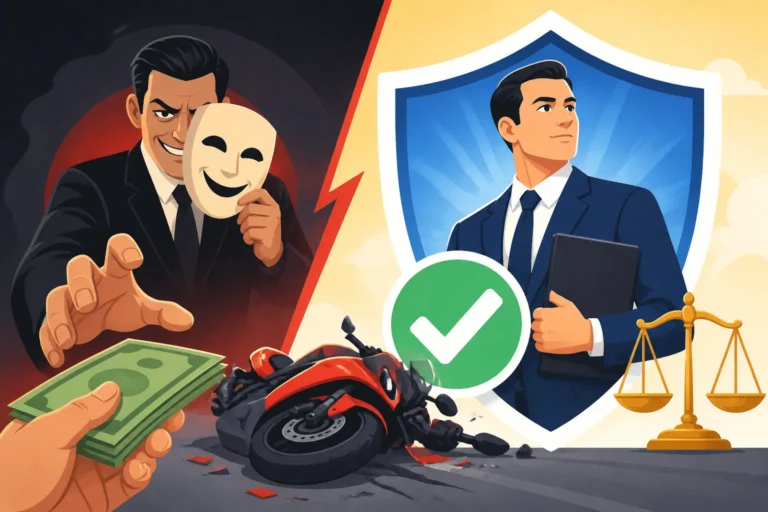
Red Flags and Warning Signs to Watch Out For
Just as important as identifying positive indicators in a lawyer's track record is recognizing the red flags that suggest they might not be the right fit, or worse, could potentially jeopardize your claim. Trust your gut feeling, but also back it up with concrete observations.
Lack of Transparency or Evasiveness
A lawyer who is unwilling to be transparent about their experience, fees, or case processes should raise immediate red flags. If you ask direct questions about their track record—such as how many motorcycle accident cases they've handled or their average settlement amounts—and they respond with vague answers, change the subject, or become defensive, that's a clear warning sign. Good lawyers are confident in their abilities and willing to discuss their past performance openly (within ethical boundaries regarding client confidentiality).
Similarly, be wary if they are not upfront about their fee structure, potential costs, or how they handle expenses. A reputable personal injury attorney working on a contingency fee basis will clearly explain their percentage and what happens if you don't win. They should also be transparent about any potential liens that could affect your settlement, such as medical liens. If you feel like you're being given the runaround or that information is being withheld, it's probably time to look elsewhere.
Disciplinary Actions or Poor Reviews
We already touched on checking state bar associations for disciplinary actions and reading online reviews. However, it bears repeating: significant or numerous disciplinary actions against an attorney are absolute dealbreakers. These actions indicate a history of unethical conduct or professional negligence, which could put your case at serious risk. Always verify any lawyer's standing with your state bar.
Regarding online reviews, a scattering of negative reviews among many positive ones might be acceptable, but a consistent pattern of complaints about issues like poor communication, lack of progress, or dissatisfaction with outcomes is a major warning. If several clients on platforms like LegalMatch or Avvo complain about the same problem, that's likely a systemic issue, not just an isolated incident. Remember, after a motorcycle accident, you're already in a vulnerable position; you need an advocate you can fully trust, not one with a questionable professional history.
Guaranteed Outcomes or High-Pressure Tactics
This is one of the biggest red flags of all: any attorney who guarantees a specific outcome for your motorcycle accident case is being unethical and unrealistic. The legal system is inherently unpredictable, and no lawyer can promise a definitive result, especially early in the process before all facts are known. Be extremely skeptical of statements like, "I guarantee we'll get you a million dollars," or "This is an open-and-shut case, you're guaranteed to win."
Equally concerning are high-pressure sales tactics. If an attorney pressures you to sign a retainer agreement on the spot, makes you feel rushed, or suggests that you'll miss out on a "limited-time" opportunity, walk away. A reputable attorney understands that you need time to make such a significant decision, especially after a traumatic event like a motorcycle crash. They should provide you with information, answer your questions, and allow you the space to decide without coercion. Your choice of legal representation should be a calm, considered decision, not one made under duress. This is why knowing Red Flags When Hiring an Injury Lawyer is so critical.
Disclaimer
Please remember that this article provides general information and insights into checking a lawyer's track record for a motorcycle accident claim. It is not legal advice. Every accident and legal situation is unique, and the information presented here should not replace consultation with a qualified legal professional in your specific jurisdiction. Laws regarding personal injury claims, negligence, and attorney conduct vary by state.