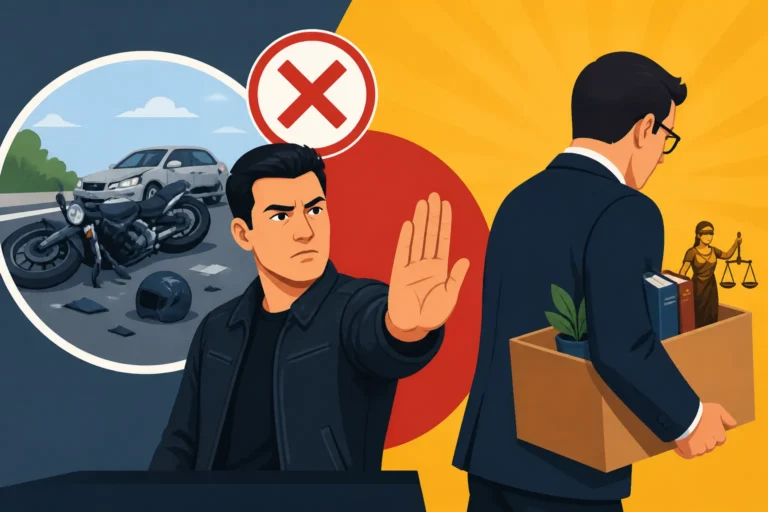
How Lawyers Handle Medical Liens
Navigating the aftermath of a motorcycle accident is already a dizzying experience, filled with physical pain, emotional trauma, and the daunting task of piecing together what happened. But beyond the immediate chaos, many riders quickly discover a hidden layer of complexity: medical liens. These legal claims on your future settlement can feel like another weight on your shoulders, making you wonder how you’ll ever get a fair shake. This guide will demystify how experienced lawyers tackle medical liens, protecting your interests and ensuring you keep as much of your rightful compensation as possible.
Understanding Medical Liens After a Motorcycle Accident
When you've been injured in a motorcycle accident and receive medical treatment, those healthcare providers want to be paid. If you don't have health insurance, or if your health insurance refuses to cover accident-related care (which happens more often than you'd think), medical providers might place a lien on any future settlement or judgment you receive. It's a way for them to stake a claim on your recovery funds directly.
What Exactly is a Medical Lien?
At its core, a medical lien is a legal right held by a healthcare provider (or an insurance company) to be reimbursed from the proceeds of a personal injury settlement or award. Imagine it like a placeholder: the hospital, emergency room, or even your own health insurance company knows you're pursuing a claim for your injuries, and they want to ensure their bills are settled once that claim resolves. So, they file a lien, formally notifying you and often the at-fault party's insurance company that a portion of any payout should go to them. It can feel incredibly frustrating to be in a position where money you desperately need for your recovery is already earmarked for others, especially when you're not even sure how much your total settlement will be.
It's a common misconception that if you have health insurance, all your medical bills will simply be paid without issue after an accident. While health insurance often covers a significant portion, they too can assert a lien, known as a subrogation lien. This means if they paid for your accident-related care, they want to be reimbursed from your settlement for those payments, essentially claiming back the money they spent on your behalf. This is a crucial area where proper legal guidance becomes indispensable.
Common Types of Medical Liens in Personal Injury Cases
Medical liens aren't a one-size-fits-all situation; they come from various sources, each with its own rules and implications. Understanding these different types is the first step in knowing what you're up against.
- Hospital Liens: These are often the most immediate and significant. If you were rushed to an emergency room like Cedars-Sinai in Los Angeles or Massachusetts General Hospital in Boston after a crash, those facilities can place a lien on your personal injury claim for the cost of your emergency care, diagnostics, and initial hospitalization. Many states have specific statutes that allow hospitals to file these liens, and they often take priority over other types of claims.
- Physician and Other Provider Liens: Beyond hospitals, individual doctors, physical therapists, chiropractors, and other specialists can also assert liens. If you've been seeing a pain management specialist or undergoing extensive physical rehabilitation, those providers have a right to seek payment for their services from your settlement if arrangements aren't made directly through insurance.
- Health Insurance Liens (Subrogation): As mentioned, your own health insurance provider (like Blue Cross Blue Shield, UnitedHealthcare, or even Medicare/Medicaid) can pursue a subrogation claim. This means if they paid for your treatment that was necessitated by someone else's negligence, they have a right to recover those costs from your settlement. This is often dictated by the terms of your policy or by federal/state law, particularly with government-funded programs. They're essentially stepping into your shoes to recover what they paid out.
- Workers' Compensation Liens: If your motorcycle accident occurred while you were working or commuting for work, your workers' compensation insurer might cover your medical expenses and lost wages. In such cases, they will almost certainly place a lien on any personal injury settlement you receive, seeking reimbursement for the benefits they've paid. This is another complex area where coordination between claims is critical.
Why Medical Liens Become a Problem for Injured Riders
The presence of medical liens can dramatically complicate an already difficult situation. For one, they directly reduce the amount of money you actually receive from your settlement. Imagine you're hoping a $100,000 settlement will help cover your long-term care and lost wages, only to find out that $30,000 of it is immediately spoken for by various liens. This can be a huge shock and source of stress, especially when you're still facing ongoing medical needs or an inability to work.
Furthermore, these liens can create significant delays in receiving your funds. Before a settlement can be finalized and paid out, all valid liens must be identified, verified, and often negotiated down to a manageable amount. This back-and-forth process can extend the timeline for your settlement, leaving you in financial limbo for longer than you anticipated. Without a clear understanding of your legal rights and obligations regarding these liens, you could end up paying more than you legally owe, or worse, inadvertently failing to satisfy a lien, which could lead to future legal action against you directly. Understanding how to handle a lowball settlement offer becomes even more critical when liens are a major factor.
The Lawyer's Role in Identifying and Managing Liens
Dealing with medical liens effectively requires a proactive and strategic approach. This isn't something you want to try to navigate on your own, especially when you're still healing from your injuries. This is precisely where a skilled motorcycle accident attorney becomes an invaluable ally. They act as a buffer between you and the various entities trying to claim a piece of your recovery, ensuring that your rights are protected and that you receive the maximum possible net settlement.
Investigating All Potential Liens
One of the first and most critical tasks an attorney undertakes is a thorough investigation to identify every potential lienholder. This isn't always straightforward. It involves more than just looking at the bills you've received. Your lawyer will meticulously gather all your medical records related to the accident, cross-referencing them with billing statements and explanations of benefits (EOBs) from your health insurance. They'll send out specific inquiries to every healthcare provider you've seen, as well as any health insurance plans you have (or had) that might have paid for treatment.
They'll delve into the specifics of your health insurance policy to understand its subrogation clauses, which outline their right to reimbursement. For government programs like Medicare or Medicaid, there are specific federal regulations that govern their recovery rights, and your attorney will be well-versed in these complex rules. For instance, did you know that Medicare has what’s known as "super priority" over other lienholders in many cases? Missing even one lien could lead to serious problems down the road, potentially leaving you personally responsible for unpaid medical bills even after your case settles. This rigorous investigative work is part of what a motorcycle accident lawyer does to ensure no stone is left unturned and no surprise liens pop up after you've already received your settlement.
Communicating with Lienholders
Once potential liens are identified, your attorney takes over all communication with the lienholders. This is a huge relief for injured riders who are already overwhelmed. Instead of you fielding calls from collection agencies or confusing letters from insurance companies, your lawyer becomes the central point of contact. They will formally notify all lienholders of their representation and begin the process of verifying the validity and exact amount of each lien.
This communication is crucial for several reasons. First, it ensures that all information exchanged is accurate and legally sound. Your attorney understands what documentation is required and how to present your case in a way that protects your interests. Second, it prevents you from inadvertently saying or doing anything that could jeopardize your claim or obligate you to pay more than you should. Third, and perhaps most importantly, it sets the stage for negotiation. Lienholders are much more likely to engage in good-faith negotiations with an attorney than with an individual, knowing that the attorney understands the legal landscape and is prepared to challenge invalid or inflated claims.
Protecting Your Settlement from Excessive Demands
Perhaps the most valuable aspect of having a lawyer handle your medical liens is their ability to protect your hard-earned settlement from excessive demands. Lienholders, whether hospitals or insurance companies, will almost always initially claim the full amount of their bills or payments. However, these initial demands are often negotiable.
Your attorney understands the legal limits and common practices for reducing liens. They will scrutinize each bill for errors, duplicate charges, or charges unrelated to your accident. They will also argue for reductions based on the unique circumstances of your case, such as the severity of your injuries, the comparative negligence involved (if any), and the overall size of your settlement. For example, in states that follow modified comparative negligence, if you were found partially at fault, your attorney can argue that lienholders should also reduce their claims proportionately. This strategic approach helps ensure that lienholders don't unfairly diminish your compensation, leaving more money in your pocket to cover your ongoing needs and future expenses.
Strategies for Negotiating Medical Liens
Negotiating medical liens is a delicate art, blending legal knowledge, persuasive communication, and a clear understanding of the financial realities of your case. It’s not just about asking nicely; it’s about presenting a compelling argument backed by facts and legal principles. This is where the depth of your attorney's experience truly shines.
The Art of Lien Reduction Negotiations
When your lawyer sits down (or, more commonly, gets on the phone or exchanges correspondence) with a lienholder, they're not just hoping for a discount. They're employing a range of well-honed strategies to reduce the amount owed. One common approach involves highlighting the fact that your settlement is typically a compromise, not a full recovery of all your damages. If you had to accept a lower settlement than your injuries truly warranted, perhaps due to policy limits or challenges in proving fault, your attorney can argue that the lienholder should also bear some of that burden by reducing their claim.
Another powerful argument relates to the concept of the "common fund doctrine" in some jurisdictions. This legal principle suggests that if your attorney's efforts created the fund (your settlement) from which the lienholder benefits, the lienholder should contribute proportionately to the legal fees and costs incurred. Essentially, they benefit from your lawyer’s hard work, so they should share in the cost of that work. This can result in significant reductions, often bringing the lien down by a third or more. Your lawyer will methodically gather evidence and present your case to justify these reductions. This is a critical component of how lawyers maximize your net recovery.
Leveraging Legal Arguments for a Lower Lien
Beyond general negotiation tactics, a skilled attorney will also leverage specific legal arguments to challenge or reduce liens. This might involve scrutinizing the lien itself to ensure it was properly filed according to state laws. Many states have strict requirements for how and when a hospital or other provider can file a lien, and if these procedural rules weren't followed, the lien might be invalid or significantly weakened.
For health insurance subrogation claims, your attorney will carefully review your insurance policy. Sometimes, the policy language doesn't grant the insurer as broad a right of recovery as they claim, or certain exclusions might apply. For example, some policies may exclude recovery if the at-fault driver was uninsured, and you are recovering under your own Uninsured/Underinsured Motorist (UM/UIM) policy. Furthermore, federal laws like ERISA (Employee Retirement Income Security Act) or state laws governing government benefits (like Medicaid) have very specific rules about subrogation and what can be recovered. Your attorney will use these statutes to your advantage, ensuring that the lienholder's demands align strictly with legal requirements.
What Happens if a Lienholder Won't Negotiate?
While most lienholders are willing to negotiate to some extent, there are times when they remain unyielding. In such situations, your attorney has several options. One common strategy is to file a motion with the court, asking a judge to determine the appropriate amount of the lien. This is often necessary when the lienholder is demanding an unreasonably high percentage of your settlement, or when there are legitimate disputes about the validity or scope of the lien. This kind of legal action demonstrates that you are serious about protecting your settlement and can often push a reluctant lienholder back to the negotiation table.
In some cases, especially with smaller liens, your attorney might advise you to pay the full amount of the lien if the cost of fighting it outweighs the potential savings. It's a pragmatic decision based on a cost-benefit analysis. However, for significant liens, your lawyer will be prepared to litigate the issue, presenting evidence and legal arguments to the court to achieve a fair resolution. The goal is always to protect your net recovery, even if it means taking the fight to a higher level. This resilience is one of the key signs you need a motorcycle accident lawyer.
How Liens Affect Your Final Settlement Payout
Understanding how medical liens truly impact your bottom line is crucial. Many riders are overjoyed when they hear a large settlement figure, only to be disheartened when they see how much is deducted before the money reaches their bank account. Your lawyer’s primary goal here is transparency and maximizing what you actually take home.
The Calculation: Gross Settlement Minus Liens and Fees
When an insurance company agrees to a settlement, or a jury awards damages, that initial figure is your "gross settlement." It's the total amount recovered from the at-fault party. However, this isn't the amount that lands in your pocket. Before you receive any money, several deductions are made. These typically include:
- Attorney Fees: Most personal injury lawyers work on a contingency fee basis, meaning they take a percentage of your final settlement. This percentage can vary but is usually between 25% and 40% of the gross settlement. This is discussed in detail in guides like How Attorney Fees Affect Your Net Payout.
- Case Costs: These are the expenses your attorney advanced to pursue your case, such as filing fees, deposition costs, expert witness fees, medical record acquisition costs, and investigation expenses.
- Medical Liens: As discussed, these are the claims by healthcare providers or health insurance companies for reimbursement of accident-related treatment.
The formula looks something like this: Gross Settlement – Attorney Fees – Case Costs – Medical Liens = Your Net Payout.
Let's look at a hypothetical scenario: You've been in a motorcycle accident on the Pacific Coast Highway near Malibu, and after months of physical therapy and negotiations, your lawyer secures a $200,000 settlement.
- Gross Settlement: $200,000
- Attorney Fees (e.g., 33%): $66,000
- Case Costs (e.g., medical records, expert consultation): $4,000
- Negotiated Medical Liens (e.g., hospital, health insurance, physical therapy): $30,000
- Your Net Payout: $200,000 – $66,000 – $4,000 – $30,000 = $100,000
As you can see, even a substantial gross settlement can be significantly reduced by these necessary deductions. This makes effective lien negotiation absolutely vital. Understanding How Motorcycle Accident Settlements Are Calculated involves appreciating all these moving parts.
Importance of Maximizing Your Net Recovery
While the gross settlement amount gets a lot of attention, what truly matters to you is your net recovery—the money you actually receive. This money is essential for covering your ongoing needs, compensating you for your pain and suffering, and rebuilding your life after the accident. You might still have future medical costs, lost earning capacity, and other long-term impacts from your injuries.
An experienced attorney prioritizes maximizing your net recovery. They don't just focus on getting a high gross settlement; they strategize on ways to reduce those deductions as much as possible. This includes aggressively negotiating down medical liens, ensuring that attorney fees are fair, and minimizing unnecessary case costs. Every dollar saved on a lien or expense is another dollar that stays in your pocket, directly supporting your recovery and future. It's about ensuring that the settlement genuinely serves your best interests, not just those of the lienholders or even your attorney.
Hypothetical Scenarios: Seeing the Impact in Action
Let's consider a couple of scenarios to really illustrate the impact of lien negotiation.
Scenario A: No Lien Negotiation
Imagine our previous $200,000 settlement.
- Gross Settlement: $200,000
- Attorney Fees: $66,000
- Case Costs: $4,000
- Un-negotiated Medical Liens (totaling the full, billed amount): $60,000
- Your Net Payout: $200,000 – $66,000 – $4,000 – $60,000 = $70,000
In this scenario, without a lawyer's intervention to negotiate the liens, you end up with $30,000 less!
Scenario B: Effective Lien Negotiation
Using the same base settlement:
- Gross Settlement: $200,000
- Attorney Fees: $66,000
- Case Costs: $4,000
- Negotiated Medical Liens (reduced from $60,000 to $30,000): $30,000
- Your Net Payout: $200,000 – $66,000 – $4,000 – $30,000 = $100,000
The difference is stark. The lawyer's ability to reduce those liens directly adds $30,000 to your personal recovery. This clearly demonstrates why having an attorney who specializes in motorcycle accidents and understands How to Negotiate a Motorcycle Accident Settlement is not just a luxury, but often a financial necessity, particularly when What Affects Your Motorcycle Accident Payout becomes complicated by extensive medical treatment.
When to Expect Medical Liens to Be Paid
The process of paying off medical liens is an intricate dance that occurs in the final stages of your motorcycle accident claim. It's not as simple as handing over a check the moment your settlement is agreed upon. There's a specific order of operations to ensure everyone gets paid correctly and, most importantly, that you are fully released from any further obligation.
The Timeline from Settlement to Payout
Once your motorcycle accident case reaches a settlement agreement or a favorable verdict, the clock starts ticking, but not necessarily in the way you might expect. First, the at-fault party’s insurance company (or your own if it's a UM/UIM claim) will typically issue a settlement check to your attorney's client trust account. This isn't your personal bank account; it's a special account attorneys use to hold settlement funds securely until all distributions can be made.
During this period, which can range from a few weeks to a couple of months depending on the complexity of the liens, your attorney is hard at work. They finalize all negotiations with lienholders, confirm the agreed-upon reduction amounts, and obtain signed "satisfaction of lien" documents. These documents are crucial because they legally confirm that the lien has been paid in full and the lienholder has no further claim against you or your settlement. Only once all liens are satisfied, attorney fees and case costs are deducted, and all necessary paperwork is processed, will your attorney disburse the remaining funds to you. This entire process ensures that you, the injured rider, don't have to deal with outstanding bills after the fact.
Ensuring Proper Discharge of Liens
Ensuring the proper discharge of liens is paramount. It’s not enough to simply send a check; you need concrete proof that the debt is settled and cannot be pursued against you again. Your attorney will ensure that every lienholder provides a written release or satisfaction of lien once they receive payment. This document is a legal safeguard, confirming that the obligation has been fulfilled.
These releases are typically filed with the relevant county recorder's office or kept in your official case file. Without these releases, a lienholder could potentially claim that they were never fully paid, leading to future collection efforts or even lawsuits against you. A diligent attorney makes certain that every "i" is dotted and "t" is crossed, providing you with peace of mind that once your settlement is disbursed, those medical bills are truly behind you. This meticulous attention to detail is why many riders seek professional guidance on Average Motorcycle Accident Settlement Amounts and the payment process.
Risks of Not Addressing Liens Properly
Ignoring or improperly addressing medical liens can have severe and long-lasting consequences. If a lien is not satisfied from your settlement funds, the healthcare provider or insurance company that held the lien can pursue you directly for the unpaid balance. This means that even after you’ve received your settlement, you could still be on the hook for thousands of dollars in medical bills. They might send your account to collections, negatively impacting your credit score, or even file a lawsuit against you.
Furthermore, if you’ve signed a release of liability with the at-fault driver’s insurance company without satisfying all liens, you could face legal action from the lienholders who were expecting payment from that settlement. This creates a messy legal situation where you’re caught in the middle. The worst-case scenario is ending up with a settlement that looks good on paper, but leaves you with significant personal debt. This is why it’s so critical to let an experienced legal professional handle this complex aspect of your claim, preventing financial headaches and protecting your financial future.
The Benefit of Professional Legal Assistance
Let's be honest, dealing with a motorcycle accident is tough enough without becoming an expert in medical billing, insurance subrogation laws, and negotiation tactics. This is precisely why hiring a dedicated motorcycle accident attorney is one of the most impactful decisions you can make to protect your claim and your future.
Why a Specialized Attorney is Crucial
A general personal injury attorney might handle a variety of cases, but a lawyer specializing in motorcycle accidents brings a unique depth of knowledge. They understand not only the nuances of motorcycle liability laws, but also the specific types of severe injuries often sustained by riders and the extensive medical treatment these require. This expertise extends directly to handling medical liens. They are intimately familiar with:
- Rider Bias: Unfortunately, there's a pervasive bias against motorcyclists that can affect Rider Bias in Fault Determination. A specialized attorney knows how to counteract this, which indirectly strengthens your overall settlement and, by extension, your ability to negotiate liens.
- Specific Lien Laws by State: Medical lien laws vary significantly from state to state. What applies in California for a hospital lien might be completely different in Texas or Florida. A local, specialized attorney knows the exact statutes that apply to your case, allowing them to effectively challenge or reduce liens based on legal precedent.
- Complex Subrogation Issues: When dealing with health insurance, especially plans governed by ERISA (Employee Retirement Income Security Act), the rules for subrogation are incredibly complex. An attorney with specific experience in these matters can identify opportunities for significant lien reductions that a general practitioner might miss.
- Medical Expense Valuation: They understand how Medical Expenses in a Motorcycle Claim are valued and can spot inflated or unrelated charges, further strengthening their negotiation position.
Essentially, a specialized attorney isn't learning on your dime; they're applying years of focused experience to ensure every aspect of your claim, including the intricate world of medical liens, is handled with precision.
Peace of Mind and Financial Protection
Beyond the legal technicalities, one of the biggest benefits of having an attorney manage your medical liens is the immense peace of mind it provides. After a traumatic motorcycle accident, your focus should be on your physical recovery, not on deciphering legal documents or arguing with billing departments. Handing over the lien negotiation process to an expert frees you from this overwhelming burden.
Knowing that a professional is meticulously reviewing every lien, challenging unfair demands, and strategically working to maximize your net settlement allows you to dedicate your energy to healing. This financial protection means you’re far less likely to face unexpected bills months or years after your case has closed, safeguarding your financial future from lingering medical debt. It’s an investment that pays dividends not just in dollars, but in reduced stress and increased well-being. This is why When to Hire a Motorcycle Accident Lawyer often comes down to mitigating stress and securing financial stability.
Finding the Right Legal Partner
So, how do you find this specialized legal partner? It starts with research and knowing what questions to ask. You'll want an attorney who has a strong track record specifically with motorcycle accident cases and can demonstrate their expertise in negotiating medical liens. Don't be afraid to ask about their experience with hospital liens, health insurance subrogation, and specific state laws.
Platforms like LegalMatch can be incredibly helpful in this initial search. LegalMatch is a service that connects you with qualified attorneys in your area who specialize in the specific legal issues you're facing. You can submit details about your motorcycle accident claim and receive responses from local lawyers who have the relevant experience, allowing you to compare options and find someone who truly understands the complexities of medical liens and motorcycle accident law. This kind of resource can streamline the process of finding a capable advocate who will fight for every dollar you deserve. When it comes to something as vital as your settlement, securing the right legal representation is non-negotiable.
Medical Lien Management Snapshot
To summarize the key players and their potential impact on your motorcycle accident settlement, let's look at this overview:
| Lienholder Type | Source of Claim | Primary Interest | How a Lawyer Helps | Potential for Reduction |
|---|---|---|---|---|
| Hospital/ER | Emergency treatment, hospitalization | Full reimbursement for services rendered | Challenges billing errors, negotiates rates based on state law/common fund doctrine, ensures proper filing | Moderate to High |
| Physician/Specialist | Individual doctor visits, PT, chiropractic | Full reimbursement for services rendered | Scrutinizes necessity of treatment, negotiates fair payment, coordinates with health insurance for out-of-pocket costs | Moderate |
| Health Insurance | Payments for accident-related medical bills | Subrogation (reimbursement) per policy terms | Reviews policy for loopholes, applies ERISA/state law, argues common fund doctrine, negotiates reduced paybacks | High (especially with ERISA) |
| Medicare/Medicaid | Federal/state funded health benefits | Mandatory reimbursement per federal/state law | Ensures compliance with complex regulations, verifies claim accuracy, negotiates statutory reductions | Moderate to High |
| Workers' Compensation | Medical care & lost wages for work-related crashes | Reimbursement for all benefits paid | Coordinates benefits, negotiates for share of recovery, ensures proper allocation between claims | Moderate |
This table underscores why you simply cannot go it alone when medical liens are involved. Each type of lien presents its own set of challenges and opportunities for negotiation, all of which require specialized knowledge.
Disclaimer
Please remember that this information is intended for educational purposes only and does not constitute legal advice. Motorcycle accident laws, including those pertaining to medical liens, vary significantly by state and can be highly complex. The specific facts of your case will determine the applicable laws and potential outcomes. It is always recommended to consult with a qualified motorcycle accident attorney in your jurisdiction for advice tailored to your individual situation.