How to Find a Motorcycle Accident Lawyer in Virginia
Getting into a motorcycle accident in Virginia can be an incredibly jarring and confusing experience. Beyond the immediate physical pain and the stress of dealing with property damage, you're left wondering what your next steps should be, especially when it comes to navigating the legal complexities of a personal injury claim. This guide is here to help you cut through that confusion and understand how to find the right motorcycle accident lawyer in the Commonwealth of Virginia, someone who truly understands the nuances of rider-specific cases.
Why Finding the Right Lawyer is Crucial After a Virginia Motorcycle Accident
Being involved in a motorcycle accident is different from a car accident in so many critical ways, and the legal representation you choose needs to reflect that reality. The unique challenges riders face, both on the road and in the courtroom, demand specialized expertise, especially in a state like Virginia.
Understanding Virginia's Unique Legal Landscape
Virginia has some legal quirks that can make pursuing a motorcycle accident claim particularly challenging for injured riders. The most significant is its adherence to the doctrine of "contributory negligence." In many states, you might still recover some damages even if you were partly at fault for an accident (this is called comparative negligence). However, in Virginia, if you are found to be even 1% at fault for the accident, you could be completely barred from recovering any compensation. This strict rule means that the stakes are incredibly high for motorcycle riders, who often face an uphill battle against biased narratives.
Insurance companies, and even some jurors, sometimes harbor unconscious biases against motorcyclists, assuming they were riding recklessly or at fault. This "rider bias" can be a massive hurdle, and an experienced Virginia motorcycle accident lawyer knows exactly how to anticipate and combat these unfair assumptions. They understand that you need to meticulously prove the other party's sole negligence to overcome the contributory negligence defense. It’s not just about proving the other driver was wrong; it’s about making sure you weren't wrong at all, even in the slightest. This is why having a legal professional who lives and breathes Virginia law and understands its strict implications for motorcycle crashes is non-negotiable. For more details on this, you might want to read about Contributory vs Comparative Negligence Explained.
The Stakes Are Higher for Motorcycle Riders
Let's be brutally honest: motorcycle accidents often result in far more severe injuries than car accidents. Riders lack the steel cage protection that car occupants have, leaving them vulnerable to direct impact with vehicles, the road, and other obstacles. We’re talking about catastrophic injuries like severe road rash, traumatic brain injuries (TBI), spinal cord injuries, multiple fractures, and even amputations. These aren't just minor bumps and bruises; they're life-altering events that can lead to astronomical medical bills, prolonged rehabilitation, lost wages, and a drastically diminished quality of life.
When you're facing mounting medical debt, an inability to work, and intense pain, the last thing you need is an insurance company trying to minimize your payout. Insurers are notoriously aggressive in defending against motorcycle claims, often leveraging the public's perception or attempting to exploit Virginia's contributory negligence rule to deny your claim entirely. They might offer a quick, low-ball settlement in the immediate aftermath, hoping you'll take it before you fully understand the extent of your injuries or the true value of your claim. A skilled attorney will not only calculate the full extent of your damages—including future medical care, lost earning capacity, and pain and suffering—but will also fight tirelessly to ensure you receive fair compensation, protecting you from these predatory tactics. Understanding the full scope of potential harm, including Common Motorcycle Accident Injuries, is crucial for any rider.
Key Qualities to Look for in a Virginia Motorcycle Accident Attorney
Choosing an attorney isn't like picking a name out of a phone book. You need someone with a specific skill set and dedication, especially when dealing with the intricacies of a motorcycle accident in Virginia.
Specialization and Experience with Motorcycle Cases
It might seem obvious, but it bears repeating: don't just hire any personal injury lawyer. Motorcycle accident cases are a distinct niche within personal injury law. A lawyer who primarily handles slip-and-falls or minor fender-benders might not have the specific experience needed to navigate the unique challenges of a motorcycle crash. They may not understand the mechanics of how these accidents occur, the common types of injuries sustained by riders, or the inherent biases that often come into play.
A specialized Virginia motorcycle accident attorney, on the other hand, understands the dynamics of lane splitting (which is illegal in Virginia), the dangers of drivers failing to see motorcyclists, and how to effectively counter arguments about rider negligence. They'll know how to gather specific evidence, such as skid marks, road conditions, and witness testimonies, that are particularly relevant to motorcycle crashes. They'll also have a network of experts, like accident reconstructionists or medical specialists, who can provide crucial testimony. For instance, an attorney with deep roots in Virginia could highlight how a particular pothole on I-64 near Richmond contributed to a crash, or how the traffic patterns in Norfolk's busy downtown area often lead to drivers overlooking bikes. This focused expertise is what truly distinguishes a general personal injury lawyer from one who will champion your rights as a rider. It's truly a case where Why a Motorcycle-Specific Lawyer Matters.
Knowledge of Virginia's Specific Traffic and Helmet Laws
Virginia's laws concerning motorcycles can significantly impact your case. For example, Virginia is one of the few states with a universal helmet law, meaning all riders and passengers must wear a DOT-approved helmet, regardless of age. If you weren't wearing a helmet at the time of the accident, even if your injuries weren't head-related, the opposing side might try to use this fact to argue against your claim or reduce your potential settlement. A knowledgeable attorney understands the "helmet defense" and how to minimize its impact on non-head injury claims. You can dive deeper into this topic by exploring Motorcycle Helmet Law in Virginia.
Furthermore, understanding local traffic ordinances and state statutes is vital. For instance, lane splitting is illegal in Virginia. If you were injured while lane splitting, even if the other driver was negligent, your actions could potentially be used against you under Virginia's contributory negligence rule. A local attorney will be well-versed in these specific regulations and how they are applied in Virginia courts, giving them the insight to build a stronger case for you. They'll also know about critical laws like Virginia's "Move Over" law, which requires drivers to move over a lane or slow down significantly when approaching stopped emergency vehicles or certain other vehicles on the roadside. This kind of detailed legal understanding is paramount. To learn more about how different states handle it, check out Lane Splitting Legality and Fault by State.
Strong Litigation and Negotiation Skills
While many motorcycle accident claims are resolved through negotiation, having an attorney with strong litigation skills is indispensable. Insurance companies are far more likely to offer a fair settlement when they know your lawyer is fully prepared and willing to take the case to trial if necessary. A lawyer who shies away from court gives the insurance company leverage, making them less inclined to negotiate in good faith.
A top-notch Virginia motorcycle accident attorney will be an expert negotiator, adept at communicating the full extent of your damages, presenting compelling evidence, and countering the insurance company's low-ball offers or blame-shifting tactics. They understand the art of the demand letter, the discovery process, and how to frame your case to maximize its value. Should negotiations fail, they'll confidently represent you in court, presenting a persuasive argument to a jury. This dual capability—mastery of both negotiation and litigation—is critical for securing the maximum possible compensation you deserve. It’s an intricate dance that often determines the difference between a meager offer and a substantial settlement, as discussed in How to Negotiate a Motorcycle Accident Settlement.
Where and How to Begin Your Search for a Lawyer in Virginia
Finding the right legal advocate might feel overwhelming when you're already recovering from an accident. However, there are several effective avenues to explore.
Online Resources and Legal Directories
In today's digital age, online legal directories are often the first stop for many people seeking an attorney. Websites like LegalMatch, Avvo, Nolo, or FindLaw allow you to search for lawyers by practice area (e.g., "motorcycle accident attorney"), location (e.g., "Richmond, VA" or "Virginia Beach"), and even client reviews. These platforms can be incredibly helpful for narrowing down your options, as they often include attorney profiles, background information, and testimonials from past clients. For instance, searching on LegalMatch for "motorcycle accident lawyer Virginia" will provide you with a list of attorneys in your area who specialize in these types of cases, allowing you to compare their experience and read what others have said about their services.
When using these resources, pay close attention to reviews and ratings. Look for consistent positive feedback regarding an attorney's communication skills, dedication, and successful outcomes in motorcycle accident cases. Be wary of profiles with generic descriptions or very few reviews. LegalMatch specifically connects you with pre-screened attorneys who match your case needs, streamlining the initial search process and giving you more confidence in the options presented. Remember, while these directories are a great starting point, they should supplement, not replace, your due diligence in evaluating potential legal representation.
Recommendations and Referrals
Sometimes, the best resources are the people you already know. If you're part of a local motorcycle club or a broader riding community in Virginia, ask fellow riders if they have experience with specific attorneys. Their personal stories and recommendations can offer invaluable insights into a lawyer's effectiveness and how well they understand the unique challenges faced by motorcyclists. A direct referral from someone who has been through a similar situation can often carry more weight than an online advertisement.
Beyond the riding community, don't hesitate to ask friends, family, or even other legal professionals you know (like a real estate lawyer or an estate planner) if they can recommend a personal injury attorney known for handling complex motor vehicle cases, particularly those involving motorcycles. Lawyers often refer clients to colleagues who specialize in different areas of law, so a referral from another attorney can be a strong endorsement of their competence and ethics.
Initial Consultations: What to Expect and Ask
Once you've identified a few potential attorneys, the next crucial step is to schedule initial consultations. Most personal injury lawyers, including those specializing in motorcycle accidents, offer free consultations. This is your chance to meet the attorney, discuss the specifics of your case, and assess whether they are the right fit for you. Think of it as an interview where you are the employer.
During these meetings, come prepared with a list of questions. You'll want to inquire about their specific experience with motorcycle accident cases in Virginia, their track record of success, and their approach to settlement negotiations versus trial litigation. Ask about their communication style and how often you can expect updates on your case. It's also vital to understand their fee structure, which is typically a contingency fee agreement (meaning they only get paid if you win). Don't be shy about asking direct questions; a good attorney will appreciate your thoroughness. This initial meeting is also an opportunity to gauge their personality and whether you feel comfortable entrusting them with such an important matter. Remember, you'll be working closely with this person, so feeling confident and at ease with them is incredibly important. If you’re not sure what to cover, this guide on What to Expect at a Free Motorcycle Accident Consultation can be very helpful.
Here’s a quick table to help you organize your thoughts for those crucial first meetings:
| Category | Key Questions to Ask | Why It Matters |
|---|---|---|
| Experience | How many motorcycle accident cases have you handled in Virginia? | Shows their specialization and understanding of state-specific nuances. |
| What percentage of your practice is dedicated to motorcycle cases? | Indicates their focus and expertise. | |
| What results have you achieved in similar cases? | Gives an idea of their success rate and capabilities. | |
| Case Strategy | What is your initial assessment of my case? | Helps you understand their perspective and potential challenges. |
| What steps will you take to investigate my accident? | Reveals their investigative approach and thoroughness. | |
| Do you primarily settle cases or go to trial? | Shows their readiness for litigation, which influences settlement offers. | |
| Fees & Costs | How do your contingency fees work? (What percentage?) | Clarifies financial obligations; ensures no upfront costs. |
| Who covers case expenses, and how are they repaid? | Understand how costs like expert witnesses or court filings are handled. | |
| Communication | How often will I receive updates on my case? | Sets expectations for communication and transparency. |
| Who will be my primary point of contact? | Helps establish clear lines of communication. |
Understanding Attorney Fees and the Statute of Limitations in Virginia
Navigating the financial and temporal aspects of a legal claim can be daunting, but understanding how attorney fees work and the strict deadlines involved is critical for any injured rider in Virginia.
Contingency Fee Agreements
The good news for most injured motorcycle riders is that personal injury lawyers in Virginia, and across the country, typically work on a contingency fee basis. This means you won't have to pay any upfront fees or retainers to hire them. Instead, their payment is "contingent" upon the successful resolution of your case, whether through a settlement or a favorable verdict at trial. If they don't win your case, you generally don't owe them attorney fees. This arrangement makes legal representation accessible to everyone, regardless of their current financial situation, which is often precarious after a serious accident.
The attorney's fee is usually a percentage of the total compensation you receive. This percentage can vary but typically ranges from 33% to 40%. For example, if your lawyer secures a $100,000 settlement for you, and their contingency fee is 33%, they would receive $33,000. It's important to discuss this percentage upfront during your initial consultation and ensure it's clearly outlined in your retainer agreement. Beyond the attorney's fee, there are also case expenses (like court filing fees, expert witness fees, medical record retrieval, etc.) that are typically deducted from the final settlement. A transparent attorney will explain how these costs are handled and repaid. Knowing How Contingency Fees Work will help you set realistic expectations.
Virginia's Statute of Limitations
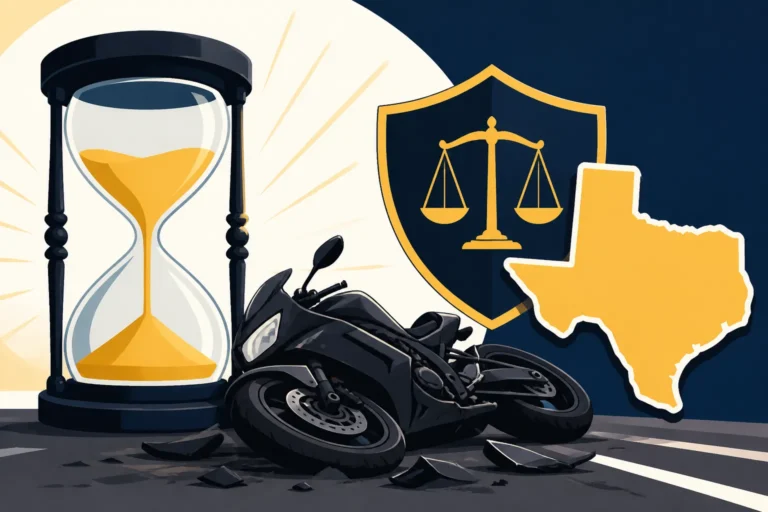
This is perhaps one of the most critical pieces of information for anyone considering a motorcycle accident claim in Virginia. A "statute of limitations" is a legal deadline by which you must file a lawsuit or forever lose your right to pursue compensation. In Virginia, the statute of limitations for most personal injury claims, including those arising from motorcycle accidents, is generally two years from the date of the accident. This might seem like a long time, but two years can fly by quickly, especially when you're focused on recovery.
Failing to file your lawsuit within this two-year window means that, with very few exceptions, a court will dismiss your case, regardless of how strong your claim might be. This hard deadline underscores the urgency of seeking legal counsel promptly after an accident. While some exceptions exist (such as for minors, or if the responsible party is a governmental entity, which often has even shorter notification periods), relying on these can be risky. An attorney will ensure all necessary paperwork is filed correctly and on time, protecting your right to seek justice. Don't delay in reaching out for legal help; it's always better to start the process early to give your attorney ample time to investigate and prepare your case. For specific details related to your state, refer to Statute of Limitations for Motorcycle Claims in Virginia.
What to Do Once You've Found Your Virginia Motorcycle Accident Lawyer
Once you've selected your attorney, the journey has truly begun. Your collaboration with them is paramount to a successful outcome.
Gathering Essential Documentation
Your lawyer will guide you through the process, but your proactive involvement in gathering documentation can significantly bolster your claim. Think of your lawyer as the conductor and you as a key musician—you both need to be in sync.
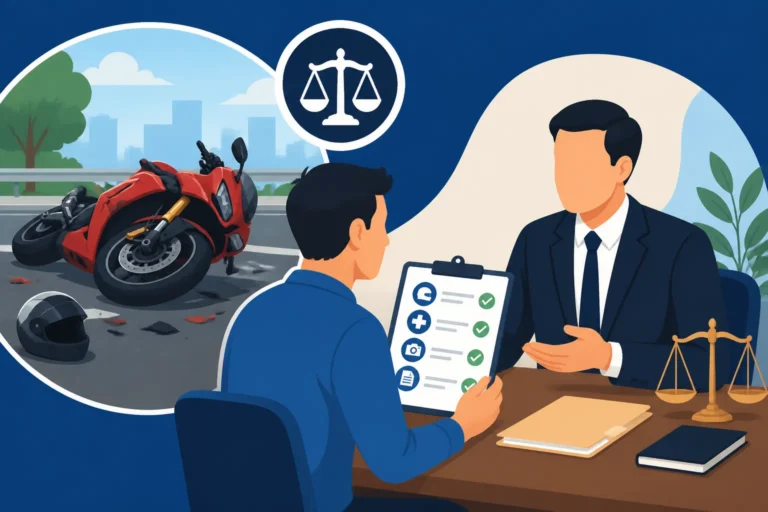
Immediately after an accident, the more information you can collect, the better. This includes, but isn't limited to:
- Police Report: This document provides an official account of the accident, including details like location, time, parties involved, and sometimes even initial fault assessment.
- Medical Records: This is perhaps the most crucial evidence. Keep meticulous records of all doctor's visits, hospital stays, prescriptions, therapy sessions, and any other medical treatment related to your injuries. These records document the severity of your injuries, the course of treatment, and the costs incurred.
- Photos and Videos: Visual evidence from the accident scene (damaged vehicles, skid marks, road conditions, traffic signs, your injuries, damaged gear) can be incredibly powerful in proving what happened.
- Witness Information: Names and contact details of anyone who saw the accident unfold.
- Insurance Information: Details for all parties involved, including policy numbers.
- Lost Wage Documentation: Pay stubs, tax returns, or a letter from your employer verifying lost income due to the accident.
- Damaged Gear: Keep your helmet, leathers, boots, and any other damaged riding gear. This can show the force of impact and the protection your gear provided (or failed to provide).
- Correspondence: Any emails, texts, or letters exchanged with insurance companies or the other driver.
Your attorney will review all this information and often request additional documents, such as your driving record or medical history, to build a comprehensive case. Remember, every piece of evidence tells a part of your story and helps to quantify your damages. A detailed guide on Motorcycle Accident Evidence for Proving Fault can give you even more insights, and understanding How to Document the Scene to Prove Fault will be invaluable.
Maintaining Open Communication and Trust
A strong attorney-client relationship is built on open and honest communication. Your lawyer needs to know everything relevant to your case, even details you might think are insignificant or embarrassing. Any pre-existing conditions, prior accidents, or even minor traffic infractions could potentially be used by the opposing side to undermine your claim. Your lawyer can't effectively defend you against these arguments if they aren't aware of them beforehand.
Establish clear lines of communication with your attorney from the outset. Discuss how you prefer to communicate (phone, email, in-person meetings) and how often you can expect updates. While lawyers are busy, a good one will ensure you are kept informed about the progress of your case, significant developments, and any decisions that need to be made. Don't hesitate to ask questions if something is unclear. It's your case, and you have every right to understand what's happening. Trusting your lawyer and being completely transparent with them will allow them to advocate most effectively on your behalf and work towards securing the best possible outcome for your motorcycle accident claim.
Disclaimer
Please remember that this article provides general information and insights into finding a motorcycle accident lawyer in Virginia. It is not legal advice. The specifics of your case are unique, and you should always consult with a qualified legal professional to discuss your individual situation and legal options. Laws can change, and their application depends heavily on the specific facts of your case.