Helmet Law Penalties and Fines
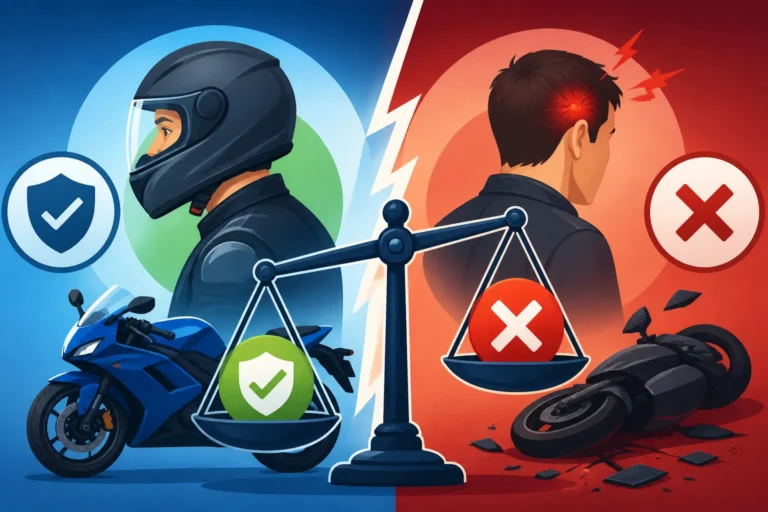
Riding your motorcycle is all about freedom, the open road, and that incredible feeling of the wind. But let's be real, that sense of liberation comes with a hefty dose of responsibility, and ignoring helmet laws can quickly turn a blissful ride into a legal and financial headache. Many riders often underestimate the consequences of a simple helmet violation, not just in terms of immediate fines but also how it can severely complicate things if you're ever involved in a crash. This comprehensive guide will meticulously break down the various penalties and fines associated with motorcycle helmet law violations, the nuances of these laws across different states, and the far-reaching implications these citations can have on your life and any potential accident claims.
Understanding the Landscape of Motorcycle Helmet Laws
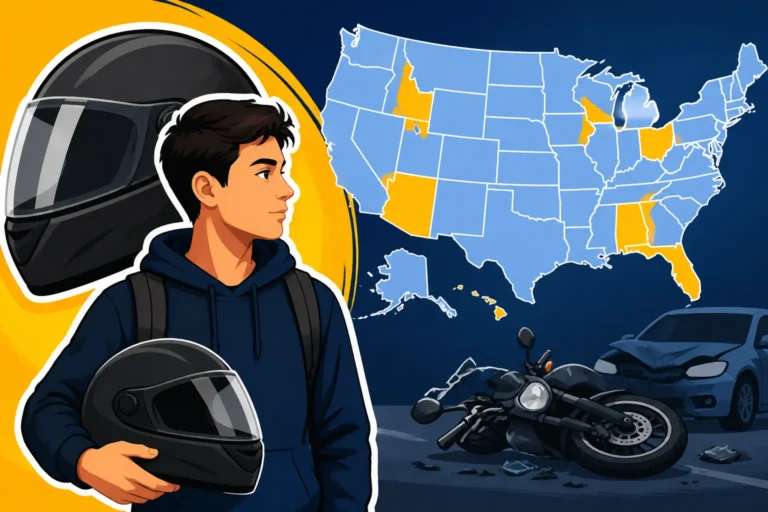
Navigating the patchwork of motorcycle helmet laws across the United States can feel like a maze, and it's a common frustration for riders who travel between states. What's perfectly legal in one state might land you a ticket the moment you cross the border into another. This inconsistency often catches riders off guard, especially those who aren't constantly checking local regulations before every trip.
Universal Helmet Laws
Some states, like California and New York, have what are known as "universal helmet laws." This means that every single person on a motorcycle – rider and passenger alike – is legally required to wear a helmet, regardless of their age or experience. There are no exceptions for age, insurance, or rider training. The rationale behind these laws is simple: helmets save lives and reduce severe injuries. When you're riding through California, for instance, you'll notice pretty much everyone is sporting head protection. These laws are typically the most stringent, reflecting a commitment to rider safety that leaves little room for individual discretion on the road.
Enforcement in these states tends to be straightforward; if an officer sees you without a helmet, it's usually an immediate stop and a citation. The police don't need to determine if you meet certain criteria; the absence of a helmet is enough to warrant intervention. It’s not just about getting caught; these laws are deeply ingrained in the state's traffic code and are strictly upheld. Understanding these rules is crucial, as the penalties can quickly add up and impact your riding privileges, not to mention your wallet. If you're planning a cross-country trip, knowing which states require helmets for all riders is your first line of defense against unexpected legal trouble. You might want to check out our in-depth guide on Motorcycle Helmet Laws by State for specific state-by-state breakdowns.
Partial Helmet Laws
Then you have states with "partial helmet laws," which introduce a bit more complexity. These laws generally require helmets for specific groups of riders, most commonly those under a certain age (often 18 or 21). Florida, for example, is a prime example of a state with partial helmet laws. Riders 21 and older can legally ride without a helmet, provided they have an insurance policy that offers at least $10,000 in medical benefits for injuries sustained in a motorcycle accident. If you're under 21 in Florida, a helmet is mandatory, no exceptions.
Other states with partial laws might tie helmet use to whether you've completed a safety course or if you have a certain level of insurance coverage. This means that an officer in a partial helmet law state might need to ask a few more questions or verify certain details before issuing a citation. For instance, in Texas, riders 21 and over are exempt from helmet requirements if they either complete an approved motorcycle operator training and safety course or are covered by a medical insurance plan that provides at least $10,000 in benefits for injuries incurred in a motorcycle accident. The nuances are important because they dictate whether you're breaking the law, and consequently, what penalties you might face. These laws can feel tricky because what applies to your riding buddy might not apply to you. It's a key reason why staying informed about Universal vs Partial Helmet Laws Explained is so important.
Common Penalties and Fines for Helmet Law Violations
So, you've been pulled over for not wearing a helmet. What actually happens next? Beyond the initial embarrassment and perhaps a lecture from the officer, there are tangible consequences that can hit your bank account and your driving record. It’s not just a slap on the wrist; these are real legal repercussions designed to encourage compliance with safety standards.
Monetary Fines and Court Costs
The most immediate and obvious penalty for a helmet law violation is a monetary fine. These fines can vary significantly from state to state and even within different jurisdictions in the same state. For instance, a first-time offense in a state like Florida might carry a fine of around $60, plus court costs. In contrast, states with universal helmet laws, like Massachusetts, might see fines closer to $100 for a first offense. Repeat offenses often come with escalating fines, making it an increasingly expensive habit.
Consider a hypothetical rider, let's call him Mark, who's cruising through Pennsylvania, which has a partial helmet law. Mark is 25, but he doesn't have the required insurance coverage that would exempt him from helmet use. An officer pulls him over. Mark might face a fine of $75 to $100, plus additional court fees. These court costs aren't trivial either; they can sometimes nearly double the base fine, depending on the municipality. For example, if the base fine is $100, with court costs, administrative fees, and state surcharges, the total could easily reach $200-$300. It's a quick way to drain your discretionary income, money that could have gone towards better gear from a place like Cycle Gear or a tank of premium fuel for your next adventure.
Points on Your Driving Record
Beyond the immediate financial hit, a helmet violation can also lead to points being assessed against your driving record. This is a big deal because accumulating too many points can result in increased insurance premiums, or even the suspension of your motorcycle endorsement or driver's license. Each state has its own point system, and while a helmet violation might not carry as many points as, say, a reckless driving charge, they still add up.
Let's revisit Mark. If his Pennsylvania helmet violation also adds 2 points to his driving record, and he already had a few points from a previous speeding ticket, he might be closer to a license suspension threshold than he realizes. Insurers view accumulated points as an indicator of higher risk, and they adjust your rates accordingly. This means you could be paying more for your motorcycle insurance for several years after a single helmet ticket. It’s a long-term financial consequence that many riders don’t factor in when they decide to forgo a helmet. This is an often-overlooked aspect of traffic violations, making Motorcycle Helmet Laws by State even more critical to understand before hitting the road.
Here's a simplified table illustrating potential fines and points for helmet violations in select states (note: actual amounts and points can vary by jurisdiction and specific circumstances):
| State/Jurisdiction | Helmet Law Type | Typical First Offense Fine (Est.) | Points on Driving Record (Est.) | Additional Consequences |
|---|---|---|---|---|
| California | Universal | $100 – $250 | 1 Point | Insurance Surcharge |
| Florida | Partial (21+ w/ $10k ins.) | $60 – $150 | No Points | License Suspension for repeated serious violations |
| Texas | Partial (21+ w/ ins/course) | $50 – $200 | No Points | Insurance Surcharge |
| New York | Universal | $50 – $100 | 2 Points | Insurance Surcharge, Higher Fines for Repeat Offenses |
| Pennsylvania | Partial (18+ w/ 2 yrs exp. & course/ins.) | $75 – $150 | 0-2 Points (varies) | Possible insurance increase |
How Helmet Law Violations Impact Your Motorcycle Accident Claim
This is where things get really serious. If you're involved in a motorcycle accident and weren't wearing a helmet – especially if it was legally required – the consequences extend far beyond a simple fine. This single fact can significantly undermine your ability to recover compensation for your injuries, even if the other driver was clearly at fault.
The Helmet Defense and Comparative Negligence
Insurance companies and opposing legal teams are always looking for ways to reduce their liability. One of their most powerful tools in motorcycle accident cases is what's known as "the helmet defense." This defense argues that your injuries, particularly head injuries, would have been less severe or perhaps even avoided entirely if you had been wearing a legally compliant helmet. Even if the other driver ran a red light and hit you, the fact that you weren't wearing a helmet can be used against you.
This ties directly into the concept of Comparative Negligence in Motorcycle Accidents. Most states operate under some form of comparative negligence, meaning that if you are found partially at fault for your injuries, your total compensation can be reduced by your percentage of fault. If a jury or insurance adjuster determines that 20% of your head injury could have been prevented by wearing a helmet, your settlement could be reduced by that 20%. So, if your total damages were assessed at $100,000, but you were deemed 20% comparatively negligent due to not wearing a helmet, you would only receive $80,000. It's a harsh reality that can feel incredibly unfair when the collision itself was someone else's fault. Our article How Helmet Laws Affect Your Accident Claim goes into even more detail on this critical issue.
Reduced Compensation for Head Injuries
The most direct and devastating impact of not wearing a helmet, both physically and legally, is on claims for head injuries. Traumatic Brain Injuries (TBIs) are tragically common in motorcycle accidents, and they often lead to astronomical medical bills, long-term care needs, and a significant loss of quality of life. If you sustain a TBI or other head injury without a helmet, the opposing side will almost certainly argue that these specific damages could have been mitigated by wearing appropriate protection.
Imagine a scenario: You're hit by a distracted driver, sustaining a severe concussion and a broken arm. You weren't wearing a helmet, even though your state has a universal helmet law. While you'll likely still be able to recover damages for your broken arm, the compensation for your concussion might be severely reduced or even denied entirely. The argument will be that a DOT-compliant helmet, readily available at any Cycle Gear store, could have prevented or lessened the severity of your head trauma. This isn't just about minor scrapes; we're talking about life-altering injuries where every dollar of compensation makes a huge difference in your ability to recover and live a normal life. This aspect alone makes understanding How Not Wearing a Helmet Affects Your Settlement incredibly vital for any rider.
Beyond Fines: Other Consequences of Riding Without a Helmet
While fines and impacts on accident claims are significant, the ripple effects of riding without a helmet can extend to other areas of your life and riding experience, creating a host of additional complications that riders rarely consider.
Insurance Premium Hikes and Coverage Issues
Even if you manage to avoid an accident, a helmet violation ticket can still come back to haunt you through your insurance rates. Insurers are all about risk assessment. A ticket for not wearing a helmet, especially if combined with other violations, signals to them that you might be a higher-risk rider. This perceived increase in risk often translates directly into higher premiums. You might find your rates going up by a noticeable percentage at your next renewal, costing you hundreds or even thousands of dollars over time.
Furthermore, in states with partial helmet laws, your helmet-less riding might be contingent on having a specific level of medical insurance coverage. If you thought you met the exemption criteria but your insurance company disputes it after an accident, or if your policy lapses, you could find yourself in a very precarious position. For example, if you live in Florida and ride without a helmet because you believe you have the $10,000 medical benefits coverage, but it turns out your policy was canceled or didn't explicitly cover motorcycle accidents to that extent, you could be deemed in violation of the law. This not only opens you up to penalties but also gives insurers another angle to deny or reduce your accident claim. It's a subtle but critical detail that emphasizes why staying on top of all Motorcycle Safety Gear and Legal Protection is paramount.
Rider Bias and Public Perception
Let's be honest, motorcyclists sometimes face an uphill battle when it comes to public perception. There's often a built-in bias against riders, with some people viewing us as reckless thrill-seekers. When you ride without a helmet, you inadvertently reinforce some of these negative stereotypes. This "rider bias" can subtly (or not so subtly) influence everything from how police officers perceive an accident scene to how a jury might view your character and credibility in court.
In the context of a personal injury claim, if you're trying to convince a jury that the other driver was solely responsible for your injuries, but you weren't wearing a helmet, it can be an uphill battle. The opposing attorney will likely highlight your decision not to wear a helmet, even if it had no direct bearing on the cause of the accident itself. They might try to paint a picture of you as someone who disregards safety, which can erode sympathy and trust. This isn't just about legal arguments; it's about the psychological impact on decision-makers. It’s why wearing all your gear, including a high-quality helmet from Cycle Gear, is not just smart for safety but also for presenting yourself as a responsible rider.
What to Do If You've Received a Helmet Violation Citation
Getting a ticket for not wearing a helmet can be frustrating, especially if you felt the law was unclear or unjustly applied. However, knowing how to respond appropriately is key to minimizing the negative impact on your record and finances.
Review the Citation Details Carefully
The first step, and one often overlooked in the heat of the moment, is to thoroughly review the citation itself. Check for accuracy. Is your name spelled correctly? Is the date, time, and location of the alleged offense accurate? More importantly, does the citation correctly identify the specific helmet law you're accused of violating? Sometimes, administrative errors or vague descriptions can be grounds for challenging the ticket.
For example, if you were cited in a state with a partial helmet law (e.g., Texas) and you believed you met the exemption criteria (e.g., you are over 21 and have the required insurance), the citation might misstate the reason for the violation. It's also worth noting the officer's name and badge number, which should be on the ticket. Documenting these details immediately can be crucial if you decide to contest the citation. Sometimes, a ticket might even misidentify the type of helmet law in effect, especially if the officer is less familiar with the nuances of motorcycle-specific laws.
Understand Your Options and Deadlines
Once you've reviewed the citation, you need to understand your options. Generally, you'll have three main paths: pay the fine, contest the ticket in court, or, in some cases, seek a plea bargain. Each option comes with its own set of implications and deadlines. Paying the fine is often seen as the easiest route, but it typically means admitting guilt and accepting any associated points or insurance consequences.
Contesting the ticket means you believe you weren't in violation or that the citation was issued incorrectly. This path requires more effort: you'll need to gather any evidence you have (like proof of insurance if it's relevant to a partial helmet law exemption), possibly appear in court, and present your case. This is where knowing the specifics of Helmet Laws and Insurance Requirements becomes incredibly important. You might also have the option to pursue traffic school, which in some jurisdictions can help prevent points from being added to your record, though it usually involves additional fees and time. Whatever you decide, missing deadlines for payment or court appearances can lead to additional fines, license suspension, or even a warrant for your arrest, so mark those dates on your calendar!
Protecting Yourself: Legal and Practical Steps for Riders
Ultimately, the best defense against helmet law penalties and their far-reaching consequences is proactive protection. This means not only understanding the laws but also making smart choices about your gear and how you approach your riding.
Always Wear a DOT-Compliant Helmet
This might sound obvious, but it bears repeating: the single most effective way to avoid helmet law penalties and protect yourself from severe injury is to always wear a helmet, and specifically, one that is DOT-compliant. A helmet that meets Department of Transportation (DOT) standards has undergone rigorous testing to ensure it provides a minimum level of protection. While a novelty helmet might look cool, it offers virtually no protection in a crash and is often not considered legal headwear, even in states with partial helmet laws.
When you're shopping for a helmet, look for the DOT certification sticker on the back. It’s a small detail that makes a huge difference. Helmets meeting these standards are designed to absorb impact energy, reducing the risk of a Motorcycle Traumatic Brain Injury. Places like Cycle Gear stock a wide range of DOT-compliant helmets from reputable brands, ensuring you have access to both safety and style. Investing in a good helmet is an investment in your future, both on and off the road. You can learn more about What Is a DOT-Compliant Helmet to ensure you're making an informed choice.
Stay Informed on State-Specific Laws
Given the varying nature of helmet laws, especially Universal vs Partial Helmet Laws Explained, it is absolutely essential to stay informed about the specific regulations in the states you plan to ride through. Before embarking on a long trip that crosses state lines, take a few minutes to research the helmet requirements for each state on your route. Many state DMV websites or motorcycle safety organizations provide clear guidelines.
A simple table or checklist of helmet laws for your frequently visited states can save you a lot of grief. Even if you only ride locally, periodically checking for updates to your state's laws is a good practice. Laws can change, and what was legal last year might not be today. Being caught unaware is not a valid defense in court. Staying proactive and informed is part of being a responsible rider, and it significantly reduces your risk of facing fines, points, or complications in the event of an accident.
Document Compliance if Exempt
For riders in states with partial helmet laws who choose to ride without a helmet based on an exemption (e.g., age and insurance coverage), it is critically important to carry clear proof of your compliance. If you're pulled over, an officer will likely ask for this documentation. Having it readily available – such as an insurance card explicitly showing the required medical benefits – can prevent a citation.
Imagine you're riding through Texas, and you're over 21 with adequate medical insurance, allowing you to ride helmet-free. If an officer stops you, being able to immediately present proof of that insurance coverage will typically clear up the situation quickly. Without it, the officer might assume you're in violation, leading to a ticket and the hassle of proving your exemption in court. While you can usually contest the ticket later, carrying the proof avoids the initial headache. This small step can make a big difference in avoiding unnecessary legal trouble and demonstrating your adherence to the law.
Disclaimer
The information provided in this guide is for general informational purposes only and does not constitute legal advice. Motorcycle helmet laws and their associated penalties are complex and vary significantly by jurisdiction. It is crucial to consult with a qualified legal professional for advice regarding your specific situation and to verify the current laws in your state or any state you plan to ride in.