Does Not Wearing a Helmet Affect a Claim in Florida
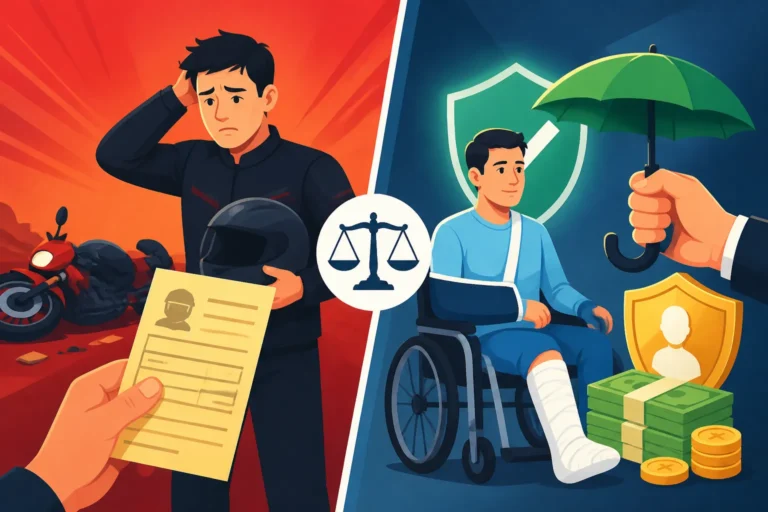
It’s a tough situation: you’ve been in a motorcycle accident, you’re hurt, and now you’re wrangling with the aftermath, including dealing with insurance companies. If you weren’t wearing a helmet at the time, a gnawing worry often creeps in: will this absolutely destroy my claim? This guide dives deep into Florida’s specific helmet laws and how not wearing a helmet might impact your motorcycle accident claim, shedding light on the complexities and common misconceptions.
Florida's Motorcycle Helmet Law: The Nuances You Need to Know
Florida's motorcycle helmet laws are not as straightforward as many people assume, and understanding the specifics is absolutely critical if you've been in a crash. It’s not a simple "always wear a helmet" or "never wear a helmet" state; there are specific conditions that dictate when a helmet is legally required.
Who Needs a Helmet and When
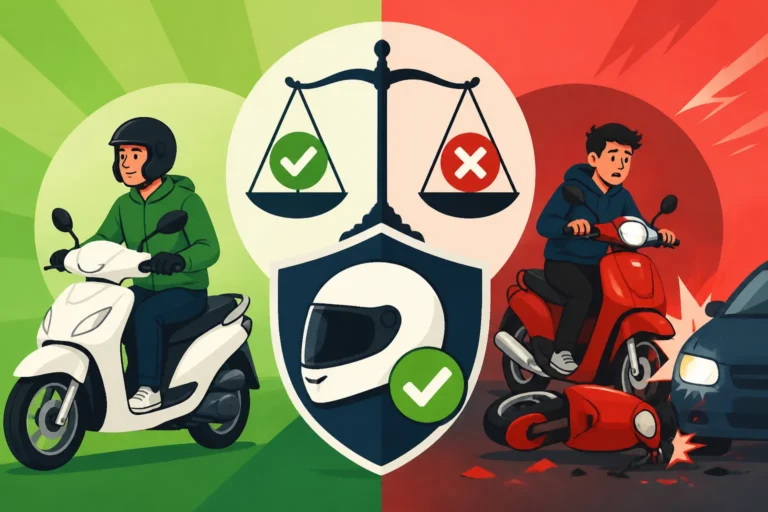
Back in 2000, Florida updated its motorcycle helmet law, making it one of the more unique statutes in the country. Essentially, if you're 21 years old or older, you can legally ride without a helmet – but there's a huge asterisk attached. That asterisk is all about insurance. To legally ride helmet-free in Florida, you must carry an insurance policy that provides at least $10,000 in medical benefits for injuries sustained in a motorcycle crash. This isn't just a suggestion; it's a legal requirement.
If you're under 21, the law is far simpler: you must wear a DOT-compliant helmet, no exceptions. There's no insurance workaround for younger riders. This universal requirement for younger riders, and the insurance requirement for older riders, is designed to ensure some level of financial protection against the severe injuries common in motorcycle accidents. So, while you might see plenty of riders cruising down A1A or through the Everglades without helmets, it's crucial to remember that they are legally doing so only if they meet that strict insurance provision.
Penalties for Non-Compliance
So, what happens if you're pulled over by the Florida Highway Patrol and you're not wearing a helmet, and you don't have the required $10,000 in medical insurance? You're looking at a traffic citation. This typically means a fine and points on your driver's license. It’s a civil infraction, not a criminal one, but it's still a headache and an expense.
Beyond the immediate legal ramifications, there's a more subtle but potentially devastating consequence: the impact on your accident claim. While a ticket for not wearing a helmet might seem minor in the grand scheme of things after a serious crash, it can become a significant point of contention when dealing with insurance adjusters or even in court. They will absolutely use any perceived violation of the law against you to try and reduce their payout, regardless of whether that violation actually caused your injuries.
The "Helmet Defense" and Your Claim's Value
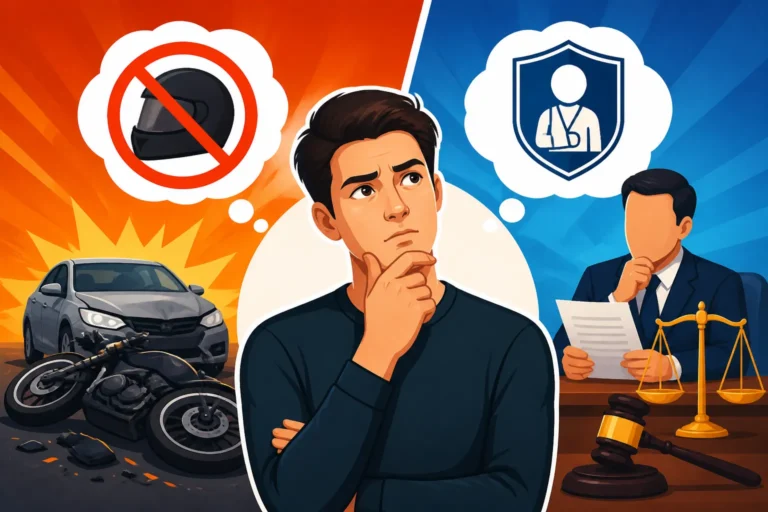
This is where things get really tricky for riders who weren't wearing a helmet. Insurance companies are not in the business of paying out large sums of money easily. They look for every possible angle to reduce what they owe, and a rider’s non-compliance with helmet laws – or even just a choice not to wear one when legally allowed but still arguably safer – often becomes a primary target. This tactic is widely known as the "helmet defense." To learn more about how insurers assign blame, you might find our guide on How Insurance Companies Assign Blame to Riders helpful.
Understanding Comparative Negligence in Florida
Florida operates under a modified comparative negligence rule, specifically the 51% bar. What does this mean? It's pretty important. Prior to March 24, 2023, Florida was a "pure comparative negligence" state, meaning you could recover damages even if you were mostly at fault, just reduced by your percentage of fault. However, the law changed. Now, if you are found to be 51% or more at fault for an accident, you are legally barred from recovering any damages from the other party. If you are 50% or less at fault, your damages are reduced by your percentage of fault.
This change is a game-changer for motorcycle accident claims. If an insurance company can successfully argue that your decision not to wear a helmet contributed significantly to the severity of your injuries, they might try to push your fault percentage higher. For example, if you weren't wearing a helmet and suffered a severe traumatic brain injury, they could argue that your "fault" for that injury (not necessarily the accident itself) elevates your overall percentage of fault to 51% or more, thus eliminating your entire claim. Understanding this distinction, and how modified comparative negligence operates, is crucial.
How Insurers Use Helmet Non-Use Against You
Insurance adjusters are trained negotiators, and they'll often jump on the fact that you weren't wearing a helmet with incredible enthusiasm. Their argument usually follows this line: "Even if our insured driver was at fault for the crash, your injuries, especially to your head, would have been significantly less severe if you had been wearing a DOT-compliant helmet."
They will present this argument in several ways:
- Reducing Pain and Suffering: They'll contend that your "pain and suffering" damages for a head injury should be reduced because you voluntarily put yourself at greater risk.
- Lowering Medical Costs: While they can't erase your actual medical bills, they might argue that the extent of those bills, particularly for head trauma, could have been avoided.
- Increasing Your Apportioned Fault: As mentioned with comparative negligence, this is their biggest hammer. If they can convince a jury (or you, in negotiations) that your failure to wear a helmet makes you partially responsible for the severity of your injuries, they can argue to reduce your overall payout, or even eliminate it entirely if they push your fault above 50%.
- Leveraging Rider Stereotypes: Unfortunately, motorcyclists sometimes face biases. Insurers might implicitly or explicitly suggest that not wearing a helmet is another sign of "reckless" behavior, even if the law allowed it in your case. This is a subtle but powerful tactic, and something you should be aware of when considering helmet use in your claim.
The Burden of Proof: Causation
Here’s the critical point that often gets overlooked: the burden of proof is on the defense (the at-fault driver's insurance company) to prove that your failure to wear a helmet caused or worsened your injuries. It is not automatic. Just because you weren't wearing a helmet doesn't mean your claim is instantly invalid, especially for non-head injuries.
The insurance company must demonstrate a direct causal link. For instance, if you weren't wearing a helmet and broke your leg, it's very difficult for them to argue that a helmet would have prevented a leg fracture. A helmet is designed to protect your head, not your extremities. This is a point that a skilled attorney will emphasize. They need expert medical testimony, accident reconstruction data, and often biomechanical engineers to persuasively argue that your head injuries specifically would have been avoided or minimized if you had worn a helmet. This isn't cheap or easy for them, so they often use the threat of this defense as a negotiation tactic rather than actually pursuing it vigorously in court unless the injury is undeniably head-related and severe. Our guide on How Fault Is Determined in Motorcycle Accidents delves deeper into how fault is determined in these accidents.
What Kinds of Damages Are Affected and Not Affected
When evaluating how not wearing a helmet impacts your claim, it's essential to differentiate between various types of injuries and damages. The "helmet defense" has a much stronger foothold with some injuries than others.
Head and Brain Injuries
Unsurprisingly, head and brain injuries are where the "helmet defense" is most potent. If you suffered a concussion, traumatic brain injury (TBI), skull fracture, or any other head trauma while not wearing a helmet, the insurance company will almost certainly argue that your injuries would have been less severe – or even prevented entirely – had you worn one. This is especially true if you were legally required to wear one (e.g., under 21, or 21+ without the required insurance).
Even if you were legally allowed to ride without a helmet in Florida, they might still argue that you contributed to the severity of your injuries by choosing not to wear protective gear. This is where the comparative negligence aspect really comes into play. They'll try to say that even if their driver was 100% at fault for hitting you, your own decision increased the risk and severity of your head injuries, thus shifting some portion of "fault" for the damages onto you. This can significantly reduce potential compensation for things like future medical costs, pain and suffering, and lost earning capacity related to a TBI. You can learn more about helmet laws and claims for head injuries.
Other Injuries
For injuries that are not directly head-related, the impact of not wearing a helmet is considerably weaker, if not entirely irrelevant. If you sustained:
- Road Rash: While protective gear like jackets and riding pants from a reputable vendor such as Cycle Gear would certainly mitigate road rash, a helmet does not prevent it on other parts of your body.
- Broken Bones: A broken arm, leg, collarbone, or ribs is typically not influenced by helmet use.
- Spinal Cord Injuries: While sometimes linked to head trauma, a spinal injury can occur independently and may not be preventable by a helmet alone. Spinal Cord Injuries are devastating and deserve full compensation.
- Internal Injuries: Organ damage, internal bleeding, etc., are also generally unrelated to helmet use.
In these scenarios, the insurance company will have a much harder time proving a causal link between your lack of a helmet and the severity of these specific injuries. An experienced motorcycle accident attorney can vigorously fight any attempt to diminish your claim for non-head injuries based on helmet non-use.
Property Damage and Economic Losses
This is another area where not wearing a helmet typically has little to no impact on your claim.
- Motorcycle Damage: The cost to repair or replace your damaged motorcycle, regardless of its value (from a classic Harley-Davidson to a new BMW S 1000 RR), is not affected by whether you wore a helmet. The damage to your bike is a direct result of the collision itself, not your headwear choice.
- Lost Wages: If you miss work due to your injuries, your lost income is a calculable economic damage. Unless the insurance company can prove that your entire inability to work stems solely from a head injury that would have been prevented by a helmet (a very high bar), your claim for lost wages shouldn't be significantly impacted for other injuries.
- Other Economic Losses: This includes things like the cost of emergency services, transportation to medical appointments, and other out-of-pocket expenses. These are direct financial hits incurred due to the accident, and your helmet choice generally has no bearing on them.
In essence, the "helmet defense" primarily targets non-economic damages and economic damages directly related to head trauma. It's much less effective for property damage or for injuries to other parts of your body.
Here's a quick overview of how Florida's helmet law can affect different aspects of your claim:
| Factor | Legally Required Helmet (Under 21 or 21+ w/o $10k Med Benefit) | Legally Not Required Helmet (21+ with $10k Med Benefit) |
|---|---|---|
| Traffic Citation | YES | NO |
| Head/Brain Injury Damages | Significantly impacted; strong "helmet defense" | Still vulnerable to "helmet defense," but causation harder to prove by defense |
| Other Bodily Injury Damages | Minimal to no impact | Minimal to no impact |
| Property Damage | No impact | No impact |
| Lost Wages | Potentially impacted if solely due to head injury | Potentially impacted if solely due to head injury |
| Pain and Suffering | Significantly impacted for head injuries | Potentially impacted for head injuries |
| Comparative Negligence | Increased risk of higher fault apportionment | Moderate risk of increased fault for head injuries |
Steps to Protect Your Claim Even Without a Helmet
Even if you weren't wearing a helmet, and especially if you sustained head injuries, all hope is not lost for your motorcycle accident claim. There are crucial steps you can take to strengthen your position and ensure you receive fair compensation.
Documenting Everything Meticulously
From the moment the accident happens, every detail can become a piece of evidence. This means:
- At the Scene: Take photographs and videos of everything – the position of the vehicles, road conditions, traffic signs, skid marks, damage to your bike, and any visible injuries you or others have. Don't forget to get contact information from witnesses. Our article on What to Do Immediately After a Motorcycle Accident offers a detailed checklist.
- Medical Records: This is paramount. Seek immediate medical attention, even if you feel "fine" or think your injuries are minor. Adrenaline can mask pain. Follow all doctor’s orders, attend every follow-up appointment, and keep a meticulous record of all treatments, medications, and therapy sessions. Gaps in medical treatment can be used by insurance companies to argue that your injuries weren't serious or weren't caused by the accident. Make sure your doctors document all your symptoms, especially any neurological or cognitive issues if you hit your head.
- Injury Journal: Keep a daily journal detailing your pain levels, limitations, emotional distress, and how your injuries affect your daily life. This helps document your non-economic damages like pain and suffering.
- Damage to Gear: Even if you weren't wearing a helmet, any other protective gear you were wearing (jacket, gloves, boots from somewhere like Cycle Gear) that shows damage can corroborate the severity of the impact.
Focusing on the Other Driver's Fault
The primary focus of your claim should always be on proving the other driver's negligence and how their actions directly caused the accident. This is fundamental, regardless of your helmet use.
- Evidence Collection: Gather all evidence that points to the other driver's fault. This includes the police report, witness statements, traffic camera footage, dashcam footage from nearby vehicles, and any citations issued to the other driver. For example, if they made an illegal turn, that's crucial evidence. We have a comprehensive guide on Motorcycle Accident Evidence for Proving Fault that can walk you through the process.
- Traffic Violations: If the other driver was speeding, distracted (e.g., texting while driving), ran a red light, or failed to yield, these are all strong indicators of their negligence. Such violations establish a clear link to the cause of the crash itself. Our post on How Traffic Violations Affect Fault is highly relevant here.
- Expert Analysis: In complex cases, an accident reconstruction expert can analyze the scene, vehicle damage, and other data to conclusively determine how the accident occurred and who was at fault. This kind of expert testimony can be invaluable in countering any attempts by the defense to shift blame entirely to you.
Remember, the insurance company will try to conflate your helmet choice with the cause of the accident. It's vital to separate these two issues: the other driver's actions caused the collision, while your helmet choice (or lack thereof) might have influenced the severity of certain injuries.
Getting Expert Legal Advice
Perhaps the most important step you can take is to consult with a qualified motorcycle accident attorney who is well-versed in Florida law. Seriously, don't try to navigate this alone. Insurance companies have vast resources and experienced legal teams; you need someone on your side who understands the intricacies of personal injury law and the specific challenges faced by motorcyclists.
- Understanding the Law: An attorney will know Florida's specific helmet laws inside and out, as well as the nuances of comparative negligence in the state. They can assess whether the "helmet defense" is even legally viable in your particular situation and how to counter it effectively.
- Negotiation Power: They will handle all communications and negotiations with the insurance adjusters, protecting you from common tactics used to devalue claims or trick you into saying something that harms your case. They can also advise on how helmet use can impact your overall compensation.
- Proving Damages: A good attorney will know how to gather and present evidence to maximize your claim for all damages, including medical expenses, lost wages, pain and suffering, and property damage. They can connect you with medical experts who can testify about the severity of your injuries and how they would not have been prevented by a helmet if that's the case.
- Trial Experience: If a fair settlement can't be reached, an attorney can prepare your case for trial and represent you in court, ensuring your rights are protected every step of the way. When trial becomes a possibility, having a seasoned attorney is invaluable.
Even if you were legally allowed to ride without a helmet and simply chose not to, or if you were under 21 and made a mistake, a lawyer can still help you pursue compensation for the other driver's negligence. Don't let the fear of the "helmet defense" discourage you from seeking justice.
Disclaimer
Please remember that this information is for educational purposes only and not legal advice. Laws can change, and every accident case is unique. If you've been involved in a motorcycle accident in Florida, it is highly recommended to consult with a qualified personal injury attorney to discuss the specific details of your situation.