Affirmative Defense and the Burden of Proof
It’s a truly frustrating experience to be involved in a motorcycle accident that wasn't your fault, only to have the other driver’s insurance company try to shift blame back onto you. Suddenly, you're not just recovering from injuries, but also battling accusations that you somehow contributed to the crash. This guide aims to demystify the legal concepts of affirmative defense and the burden of proof, giving you the knowledge to fight back effectively when your safety is questioned.
Understanding Affirmative Defenses in Motorcycle Accident Claims
When you’re involved in a motorcycle accident, and you file a claim or lawsuit, you become the plaintiff – the one asserting that someone else's negligence caused your harm. The other party, typically the driver who hit you, is the defendant. While you, as the plaintiff, have the initial responsibility to prove your case, the defendant isn't just sitting there denying everything. They might raise what's known as an "affirmative defense."
An affirmative defense is essentially the defendant saying, "Even if everything the plaintiff says is true, there's another reason why I shouldn't be held fully liable, or why the plaintiff shouldn't recover damages." It's a way for the defense to introduce new facts or legal arguments that, if proven, could entirely defeat your claim or at least significantly reduce the compensation you're entitled to receive. They’re not simply saying, "I didn't do it"; they're saying, "I did it, but…" or "Something else happened that changes the outcome."
What an Affirmative Defense Means for the Defendant
For the defendant, an affirmative defense is a powerful tool. It allows them to introduce a narrative that goes beyond merely refuting your claims. They are introducing a new element into the case, one that they believe absolves them of some or all responsibility. Think of it like this: you present your side of the story, backed by evidence, explaining how their actions led to your injuries. Then, the defendant steps up and says, "Yes, but what about this?" and presents their own set of facts or legal arguments.
The crucial aspect here is that the defendant bears the responsibility to prove these new facts. This isn't just about casting doubt on your case; it's about establishing their own version of events or their own legal justification. For instance, if a driver claims you were speeding, they can't just say it; they have to present evidence, like witness testimony, accident reconstruction, or even traffic camera footage, to support that assertion. This shift in the onus of proof is what makes an affirmative defense so distinct and impactful.
Common Examples in Motorcycle Accident Cases
Motorcyclists, unfortunately, often face a unique set of challenges and stereotypes in accident claims. This frequently translates into defendants raising specific affirmative defenses designed to diminish a rider's credibility or claim value. Understanding these common defenses can prepare you for what might be thrown your way.
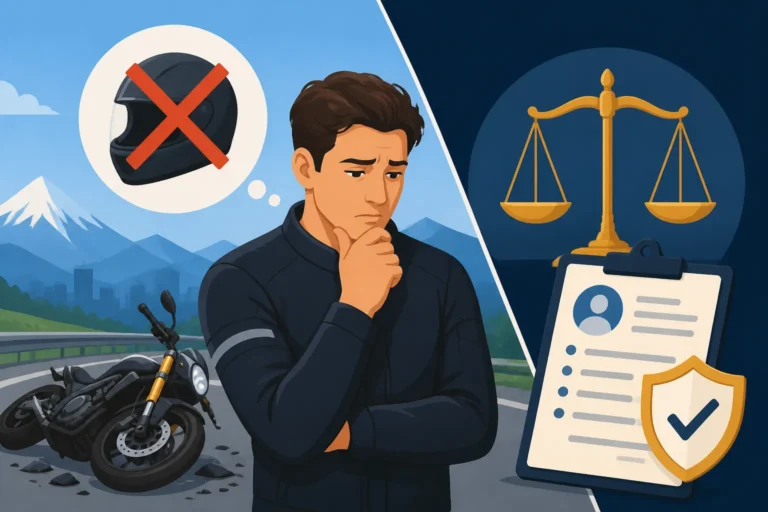
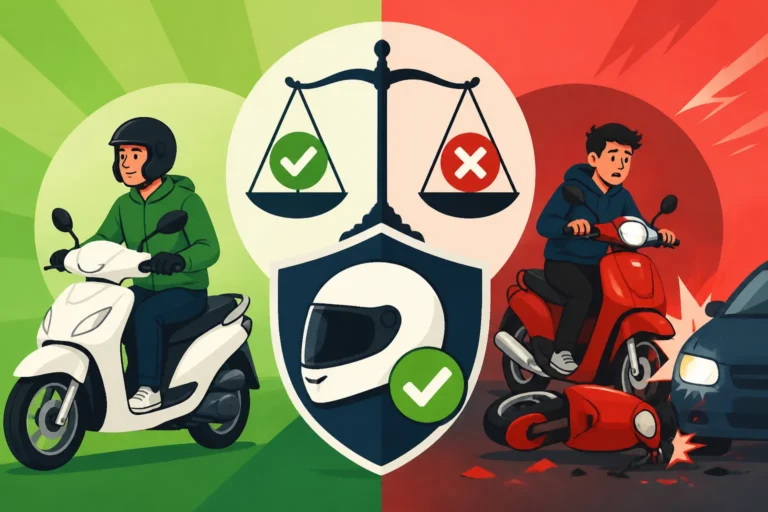
One of the most frequent affirmative defenses you’ll encounter is related to comparative negligence or contributory negligence, depending on your state's laws. This is where the defense argues that you, the motorcyclist, were at least partially at fault for the accident or your injuries. For example, if you were involved in a collision and suffered a head injury, the other driver’s legal team might argue that you weren’t wearing a DOT-compliant helmet, or perhaps no helmet at all, which directly contributed to the severity of your injury. This is often referred to as The Helmet Defense Explained. Similarly, they might claim you were speeding, weaving through traffic, or otherwise riding recklessly.
Another common affirmative defense is the "failure to mitigate damages." This means the defendant claims you didn't take reasonable steps to minimize the severity of your injuries or financial losses after the accident. Perhaps you delayed seeking medical treatment, missed follow-up appointments, or didn't follow your doctor's recommendations. The defense could argue that if you had taken these steps, your injuries wouldn't be as severe, or your recovery wouldn't be as prolonged, thus reducing the amount of compensation they should pay.
The Burden of Proof and Its Shifting Nature
In any legal proceeding, the "burden of proof" is a fundamental concept that dictates which party is responsible for proving certain facts. It's not just a fancy legal term; it's the very foundation upon which justice is sought. Understanding who carries this burden, and when it shifts, is paramount for anyone navigating a motorcycle accident claim.
Who Generally Holds the Burden of Proof
Initially, in a civil lawsuit like a motorcycle accident claim, the burden of proof rests squarely on the plaintiff – that's you, the injured rider. You are the one initiating the legal action, asserting that the defendant’s negligence caused your injuries and damages. Therefore, it is your responsibility to present enough evidence to convince the judge or jury that your claims are more likely true than not.
This means you need to establish several key elements:
- Duty of Care: The defendant owed you a legal duty to act reasonably (e.g., following traffic laws, paying attention while driving).
- Breach of Duty: The defendant failed to uphold that duty (e.g., ran a red light, made an unsafe lane change).
- Causation: The defendant's breach directly caused your accident and injuries.
- Damages: You suffered actual harm or losses as a result (e.g., medical bills, lost wages, pain and suffering).
For example, if another driver made an abrupt left turn in front of you, you would need to provide evidence like police reports, witness statements, and traffic camera footage to show that they violated their duty to yield and that this action directly led to your crash and injuries. This process is critical in Proving Fault in a Motorcycle Accident. Without sufficient evidence for each of these elements, your claim simply won't stand up.
How the Burden Shifts with an Affirmative Defense
Here's where it gets interesting: once the plaintiff has met their initial burden of proving their case, and the defendant raises an affirmative defense, the burden of proof shifts to the defendant for that specific defense. This is a crucial distinction. The defendant isn't just saying, "You haven't proven your case well enough." Instead, they are introducing a new factual or legal argument and must now provide evidence to support their argument.
Let's revisit the helmet defense. If you were in an accident and suffered a head injury, and the defendant argues that you weren't wearing a helmet, or that your helmet was non-compliant, it's their job to prove that. They would need to gather evidence like photographs of the scene, witness testimony, or perhaps even expert testimony regarding helmet standards (such as DOT compliance) and how the lack of a proper helmet exacerbated your injuries. It’s not your responsibility to prove you were wearing a helmet; it’s their responsibility to prove you weren't, and that it mattered. This is a key aspect of How the Helmet Defense Reduces Settlements.
Standards of Proof in Civil Cases
In civil motorcycle accident cases, the standard of proof is typically the "preponderance of the evidence." This is a lower standard than "beyond a reasonable doubt" used in criminal cases. Preponderance of the evidence essentially means that it is more likely than not (greater than 50%) that the facts asserted are true.
Imagine a scale of justice. If you're the plaintiff, you need to tip that scale ever so slightly in your favor with your evidence. If the defendant raises an affirmative defense, they then need to tip the scale in their favor for that specific defense. For example, if the defendant claims you were speeding, they need to show that it is more probable than not that you were exceeding the speed limit and that this contributed to the accident. This isn't about absolute certainty; it's about probability. The party with the slightly heavier weight of evidence prevails on that particular point.
Specific Affirmative Defenses in Motorcycle Claims
Motorcyclists often face an uphill battle against biases, and this can be exploited by defendants through various affirmative defenses. Knowing these specific defenses can help you anticipate the challenges and prepare your counterarguments effectively.
Contributory Negligence and Comparative Negligence
This is, by far, the most common type of affirmative defense raised in motorcycle accident cases. It centers on the idea that the injured rider contributed to their own injuries or the cause of the accident. The specifics of how this impacts a claim depend heavily on the state's laws, which typically fall into two categories:
The Helmet Defense
This is a potent and frequently used defense, especially when head injuries are involved. The defendant will argue that even if they were at fault for the accident, your decision not to wear a helmet, or to wear an improper one, directly contributed to the severity of your head injuries. For instance, in states with partial helmet laws, like Florida, riders over 21 aren't always required to wear a helmet if they have certain insurance coverage. However, if an accident occurs and a head injury results, the defense might use this fact to argue that your injuries would have been less severe had you worn a proper helmet. This can significantly reduce your compensation, as discussed in How Not Wearing a Helmet Affects Your Settlement.
The burden here is on the defense to prove two things: first, that you were not wearing an appropriate helmet (or no helmet at all), and second, that this non-use causally contributed to your specific head injuries. They'll often bring in medical experts or accident reconstructionists to make this case. Conversely, if you were wearing a DOT-compliant helmet from a reputable retailer like Cycle Gear, and it shows impact damage, that serves as powerful evidence that you took reasonable safety precautions, and your gear performed as intended.
Lack of Proper Gear Defense
Beyond helmets, defendants might also argue that a rider's lack of other protective gear contributed to their injuries. This could include not wearing sturdy jackets, gloves, boots, or protective pants. For example, if you suffer severe road rash, the defense might contend that had you been wearing a heavy leather jacket and protective pants (available at places like Cycle Gear, which emphasizes rider safety), your road rash would have been less severe, or perhaps avoided entirely. While states don't typically mandate other gear as strictly as helmets, demonstrating a lack of appropriate attire can still be used to argue you didn't mitigate your potential injuries.
The legal strategy here is similar to the helmet defense: the defendant must prove that the absence of specific gear caused or worsened particular injuries. If you regularly ride with full protective gear, not only are you safer, but you also build a strong case against such accusations, highlighting your commitment to safety.
Speeding, Lane Splitting, and Other Allegations
Beyond gear, defendants often try to paint the motorcyclist as a reckless driver. They might claim you were speeding, performing Lane Splitting and Motorcycle Accident Liability in states where it's illegal or done unsafely, or making unsafe maneuvers. For example, in an Motorcycle Accidents Caused by Left-Turn Collisions, where the car driver is usually at fault, the defense might allege you were speeding excessively, making it impossible for their client to see you or judge your approach.
Each of these allegations becomes an affirmative defense that the defendant must prove. They might present witness statements, traffic camera footage, or accident reconstruction analysis to argue that your actions contributed to the collision. This is why accurately documenting the scene after a crash and gathering Motorcycle Accident Evidence for Proving Fault is so crucial, as it provides a factual basis to refute such claims.
Assumption of Risk
This affirmative defense argues that you knowingly and voluntarily exposed yourself to a particular danger, and therefore, you cannot hold another party liable for injuries sustained as a result of that danger. For motorcyclists, this can be a tricky defense, as some might argue that riding a motorcycle inherently carries a higher risk than driving a car.
However, the "assumption of risk" defense is quite narrow in its legal application. It typically requires the defendant to prove that you not only knew about a specific risk but also voluntarily accepted it. This isn't just about the general risks of motorcycling. For example, if you rode your motorcycle onto a clearly marked private property with a sign warning of "dangerous road conditions – enter at your own risk," and then suffered an accident due to those conditions, the property owner might raise this defense. The key is the specific, known risk, not just the general risks of life. It’s rarely successful when simply applied to the act of riding a motorcycle on public roads because other drivers still owe motorcyclists a duty of care.
Failure to Mitigate Damages
This defense comes into play after the accident has occurred. It argues that even if the defendant was entirely at fault, your damages should be reduced because you failed to take reasonable steps to minimize your injuries or financial losses.
Common examples include:
- Delaying Medical Treatment: If you wait weeks or months to see a doctor after a crash, the defense might argue that your injuries worsened during that delay, or that the delay makes it hard to prove your injuries were directly caused by the accident.
- Not Following Medical Advice: If your doctor prescribed physical therapy or specific medications, and you didn't comply, the defense could claim your recovery was hampered by your non-compliance.
- Not Seeking Available Work: If you were advised by a doctor that you could return to a light-duty job but chose not to, the defense might argue you failed to mitigate your lost wages.
To counter this, it's essential to seek immediate medical attention after a motorcycle accident, diligently follow all doctor's orders, and keep detailed records of all your treatments, appointments, and any efforts to return to work.
How Insurers Use Affirmative Defenses to Their Advantage
Understanding the legal framework is one thing, but knowing how insurance companies wield these defenses in the real world is another. Insurers are businesses, and their primary goal is to minimize payouts. Affirmative defenses are powerful tools in their arsenal to achieve this, often creating significant hurdles for injured motorcyclists.
Tactics Employed by Insurance Companies
Insurance adjusters are well-versed in personal injury law and the various ways to challenge a claim. When dealing with a motorcycle accident, they often enter negotiations with a bias against riders, perceiving them as inherently more reckless. This stereotype is frequently exploited to lay the groundwork for affirmative defenses.
One common tactic is to immediately highlight any perceived fault on your part, no matter how minor. This could be questioning your speed, your position on the road, or even your choice of riding gear. For example, if you're in a Motorcycle Accidents Caused by Unsafe Lane Changes by another driver, the adjuster might try to pivot and ask if you were "splitting lanes" at the time, even if it's legal in your state, to suggest you were taking unnecessary risks. They’re looking for any shred of evidence to support a comparative negligence argument, hoping to reduce their liability.
Another tactic is to request extensive medical records, not just related to the accident, but your entire medical history. They're searching for pre-existing conditions that they can argue caused or exacerbated your current injuries, rather than the accident itself. This is a common way to try and implement a "failure to mitigate" argument, claiming your current health issues aren't entirely due to their insured's negligence. They might also pressure you to give recorded statements early on, hoping you'll inadvertently say something they can later use against you to support an affirmative defense.
Impact on Settlement Negotiations
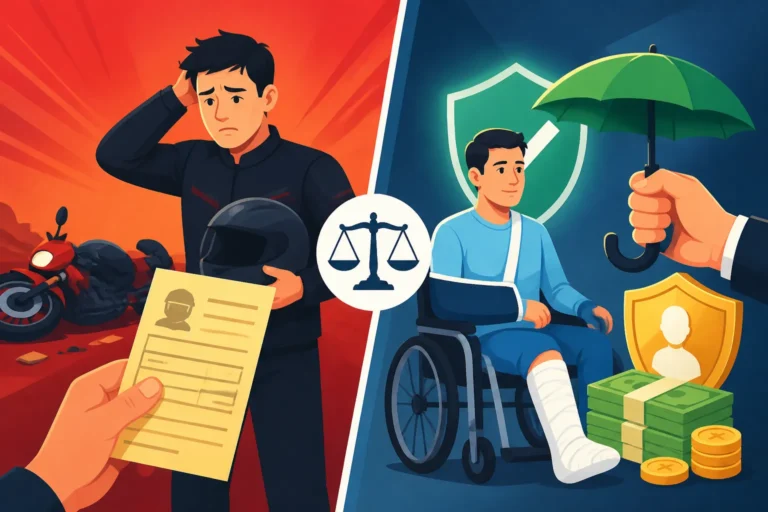
The presence of an affirmative defense, or even the threat of one, can drastically impact settlement negotiations. Insurance companies know that if they can successfully argue that you were partially at fault, or that your actions worsened your injuries, your potential settlement amount will decrease.
Consider a situation where you've sustained severe injuries and your claim is valued at $100,000. If the insurance company can convince a jury (or even just convince you and your legal team) that you were 25% at fault due to, say, not wearing proper gear or a slightly excessive speed, then under many comparative negligence laws, your settlement could be reduced by 25% to $75,000. In states with modified comparative negligence (like Texas, where the 51% rule applies), if your fault is determined to be 51% or more, you could be barred from recovering any damages.
This potential reduction gives insurers significant leverage. They might offer a lowball settlement, knowing that the cost and risk of going to trial to fight an affirmative defense could be prohibitive for many riders. They'll emphasize the strength of their defense and the uncertainty of a jury verdict, pushing you to accept a lesser amount just to avoid the protracted legal battle. This is part of How Insurers Lowball Motorcycle Riders. It’s important to understand these dynamics and not be intimidated into accepting an unfair offer.
Countering Affirmative Defenses Effectively
Facing an affirmative defense can feel overwhelming, but it's not a death knell for your claim. With the right strategy and evidence, you can effectively counter these arguments and protect your right to fair compensation.
Strategies Riders Can Use
The best defense is often a good offense, and that means being proactive from the moment an accident occurs. Your actions immediately following a crash are critical.
Firstly, never admit fault at the scene of an accident, even if you think you might have made a mistake. Emotions run high, and you might not have all the facts. Let the official investigation unfold. Your words can and will be used against you by the insurance company to build an affirmative defense.
Secondly, document everything. Take extensive photographs and videos of the accident scene, including vehicle positions, road conditions, traffic signs, skid marks, and any debris. Capture your injuries clearly and consistently. If you were wearing a helmet or other protective gear (like a riding jacket or gloves from Cycle Gear), take photos of the gear, especially if it shows damage, as this can prove you were protected and that your gear functioned as intended. This evidence is crucial for How to Document the Scene to Prove Fault.
Thirdly, seek immediate medical attention and follow all treatment plans diligently. Gaps in treatment or non-compliance with doctor's orders are prime targets for a "failure to mitigate damages" defense. Keep meticulous records of all medical appointments, diagnoses, treatments, and prescriptions. An injury journal detailing your pain levels, limitations, and how your injuries impact your daily life can also be incredibly powerful evidence.
Importance of Evidence
Evidence is the bedrock of any successful motorcycle accident claim, and it's your primary weapon against affirmative defenses. Without concrete evidence, even the most compelling story can falter.
- Police Reports: While not always definitive on fault, a well-documented police report can provide an objective overview of the accident scene and initial observations.
- Witness Statements: Independent witnesses can corroborate your version of events and refute claims of your negligence.
- Traffic Camera/Dashcam Footage: This is often the most objective evidence, definitively showing who did what and when. If the other driver had a dashcam, or if there were surveillance cameras nearby, acquiring this footage is paramount. For example, if the defendant claims you were speeding, dashcam footage showing you maintaining a safe speed can instantly dismantle that defense.
- Medical Records & Expert Testimony: For the helmet defense or lack of gear defense, your medical records, along with expert testimony from medical professionals or accident reconstructionists, can demonstrate that your injuries were a direct result of the collision and not exacerbated by a lack of gear. If you received head injuries, an expert can explain how a proper helmet, even if damaged, mitigated what could have been far worse trauma, rather than caused it.
- Proof of Compliance: If the defense claims you weren't wearing a DOT-approved helmet, having the helmet itself with its DOT sticker, along with receipts or packaging, can be vital. Similarly, showing you purchased and regularly wore high-quality protective gear from trusted brands demonstrates a commitment to safety.
Gathering, organizing, and presenting this evidence effectively is crucial for countering any affirmative defense that attempts to shift blame or reduce your rightful compensation.
The Role of Legal Counsel
Navigating the complexities of affirmative defenses and the burden of proof is incredibly challenging, especially while you're recovering from injuries. This is where an experienced motorcycle accident lawyer becomes indispensable.
A skilled attorney understands the nuances of personal injury law in your state, including specific helmet laws, comparative negligence rules, and how insurance companies operate. They can:
- Investigate Thoroughly: Your lawyer will conduct an independent investigation, gathering all necessary evidence, including accident reports, witness statements, medical records, and potentially accident reconstruction data. This detailed investigation helps build a strong case and anticipate potential affirmative defenses.
- Challenge Defenses: They will know how to directly counter each affirmative defense raised by the other side. For example, they can bring in experts to show that even if you weren't wearing a helmet (in a state where it's not universally required), your head injury was still primarily caused by the impact force, not solely by the absence of a helmet.
- Negotiate with Insurers: Lawyers are adept at negotiating with aggressive insurance adjusters, who often use affirmative defenses as leverage to offer lower settlements. Your attorney can present your case powerfully, backed by evidence, demonstrating why the affirmative defenses are weak or inapplicable, thus maximizing your How to Maximize Your Motorcycle Accident Settlement.
- Represent You in Court: If negotiations fail, and the case proceeds to trial, your lawyer will be your advocate, presenting your evidence, cross-examining defense witnesses, and arguing forcefully on your behalf. They know the procedural rules and legal arguments necessary to overcome an affirmative defense in front of a judge or jury.
Attempting to handle these legal battles alone can leave you vulnerable to the sophisticated tactics of insurance companies and their legal teams. With legal counsel, you have an expert in your corner, dedicated to protecting your rights and ensuring you receive the compensation you deserve.
Summary Table: Burden of Proof in Motorcycle Accident Claims
To help visualize how the burden of proof works with common affirmative defenses, here’s a quick overview:
| Aspect of Claim | Party with Initial Burden of Proof | What They Must Prove |
|---|---|---|
| Plaintiff's Case (Negligence) | Plaintiff (Injured Rider) | Defendant owed duty, breached duty, caused accident & injuries, resulting in damages. |
| Affirmative Defense (General) | Defendant (At-Fault Driver) | A new set of facts or legal argument exists that lessens or removes their liability. |
| Comparative/Contributory Negligence | Defendant (At-Fault Driver) | Rider's own actions (e.g., speeding, unsafe lane change, impaired driving) contributed to the accident/injuries. |
| Helmet Defense | Defendant (At-Fault Driver) | Rider wasn't wearing an appropriate helmet, and this caused or worsened the head injury. |
| Lack of Proper Gear | Defendant (At-Fault Driver) | Rider wasn't wearing adequate protective gear, and this caused or worsened specific injuries (e.g., road rash). |
| Assumption of Risk | Defendant (At-Fault Driver) | Rider knowingly and voluntarily accepted a specific risk that led to their injury. |
| Failure to Mitigate Damages | Defendant (At-Fault Driver) | Rider failed to take reasonable steps post-accident to minimize injuries or financial losses. |
Disclaimer
Please remember that this article provides general information and insights into legal concepts. It is not intended as legal advice. Laws regarding motorcycle accidents, fault, and specific affirmative defenses can vary significantly by state and jurisdiction. For personalized guidance on your specific situation, it is crucial to consult with a qualified motorcycle accident attorney in your area.