Motorcycle Accidents Caused by Unsafe Lane Changes
One of the most heart-stopping moments a rider can experience on the road is when a driver in another vehicle suddenly, unpredictably, decides to change lanes right into their space. It's not just a close call; it’s a terrifying reality that often leads to devastating motorcycle accidents. This guide is here to shed light on why these unsafe lane changes happen, how they impact motorcyclists, and what you need to understand about fault and recovery should you ever face such a harrowing incident.
Understanding Unsafe Lane Changes and Motorcycle Vulnerability
Riding a motorcycle comes with an incredible sense of freedom, but it also means being constantly aware of your surroundings, especially the vehicles around you. Drivers changing lanes unsafely are a perpetual threat, and the consequences for a motorcyclist are almost always far more severe than for someone in a car. It's a frustrating and often preventable type of collision that far too many riders experience.
What Constitutes an Unsafe Lane Change?
An unsafe lane change isn't just about a driver forgetting to signal. It's a much broader issue encompassing any maneuver where a vehicle moves from one lane to another without ensuring it can be done safely and without impeding other traffic. The rules of the road are pretty clear: before moving over, a driver has a legal obligation to check their mirrors, look over their shoulder to check blind spots, and signal their intention. When they fail in any of these duties, especially when a motorcycle is present, it can turn into a critical, life-altering event.
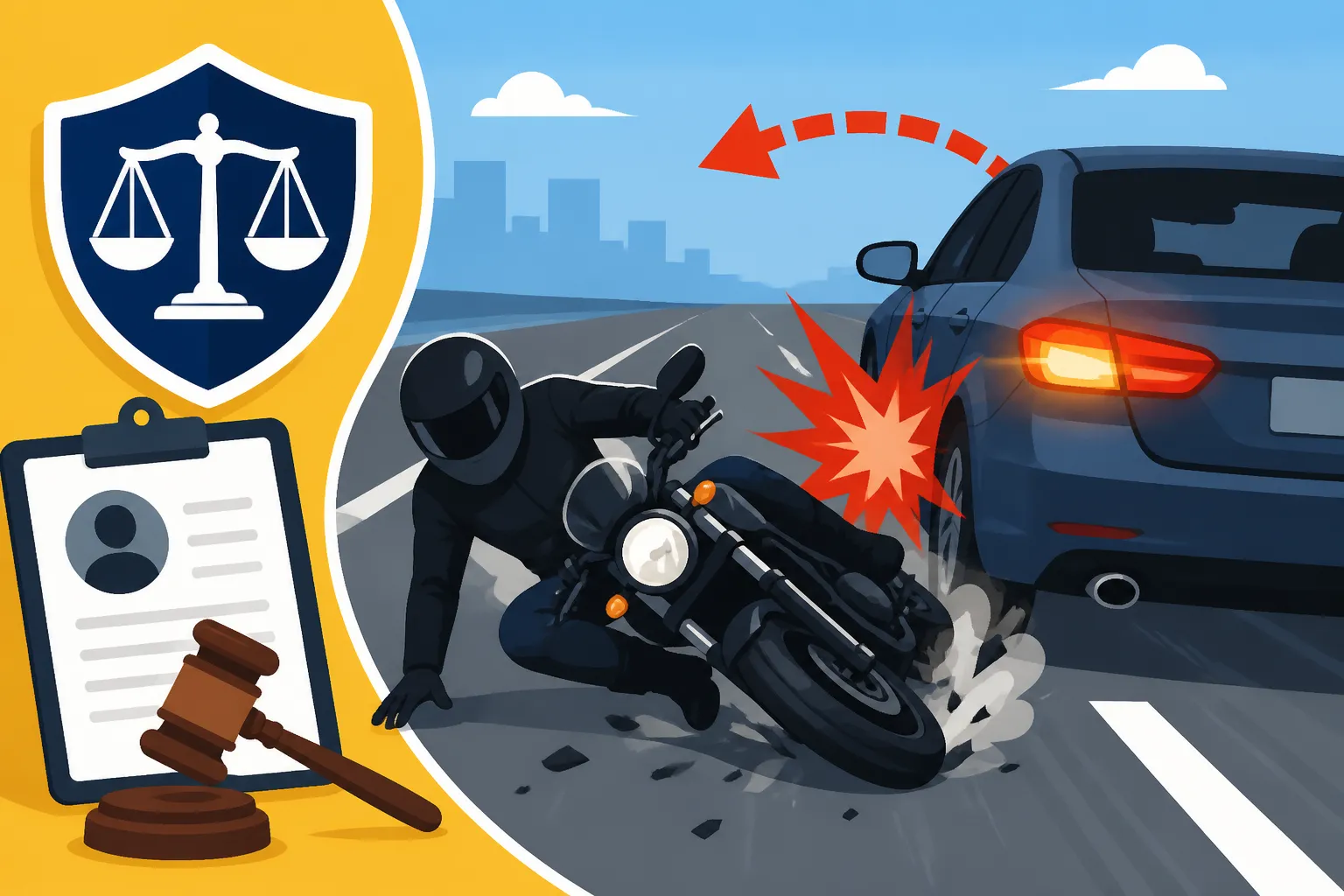
Think about it: you're cruising along on the interstate, maintaining a safe distance, when suddenly the car in the next lane veers directly into your path without a flicker of a turn signal. Or perhaps they signal at the exact moment they start to drift over, giving you no time to react. These aren't just rude driving habits; they are dangerous violations of traffic law. They force riders to take evasive action, which on two wheels, can be incredibly risky and often leads to a loss of control, even if direct contact with the other vehicle is avoided. This kind of sudden, unexpected movement is exactly what we mean by an unsafe lane change – it puts everyone else, particularly the more vulnerable motorcyclist, in immediate peril.
Why Motorcycles Are Particularly at Risk
Motorcycles, by their very nature, are smaller and less visible than cars, trucks, or SUVs. This isn't breaking news to any rider, but it's a fundamental truth that underpins why unsafe lane changes disproportionately affect us. Drivers often fail to see motorcycles, a phenomenon sometimes referred to as 'I Didn't See the Motorcycle' Defense Explained'. This isn't always intentional malice; sometimes, it's a genuine oversight, but it's an oversight with catastrophic implications. Our smaller profile means we can easily be hidden in a vehicle's blind spot, or even overlooked in peripheral vision if a driver isn't actively and meticulously checking.
When a driver decides to change lanes without properly checking, they're essentially playing a game of chance with a motorcyclist's life. The kinetic energy difference between a 400-pound motorcycle and a 4,000-pound sedan means that even a minor bump can send a rider sprawling, leading to severe injuries like road rash, broken bones, or even traumatic brain injuries. We don't have airbags, seatbelts, or a steel cage to protect us. Our only "crumple zone" is often our own body, or our Motorcycle Safety Gear and Legal Protection. This inherent vulnerability means that drivers have an even greater responsibility to exercise extreme caution when changing lanes, especially in areas where motorcycles are likely to be present. The stakes are simply too high for anything less than complete attention and adherence to safe driving practices.
Common Scenarios of Unsafe Lane Change Accidents
It often feels like these incidents happen in a flash, but when you break them down, there are typically clear contributing factors. Understanding these common scenarios can not only help you identify potential dangers on the road but also strengthen your position if you ever need to Proving Fault in a Motorcycle Accident.
The Blind Spot Hazard
This is probably one of the most frustrating and common causes of motorcycle accidents stemming from unsafe lane changes. You're riding along, minding your own business, perfectly within the lane, and suddenly a car next to you starts drifting into your space. The driver then typically shouts, "I didn't see you!" or looks genuinely surprised to find a motorcycle where they thought was an empty lane. While modern vehicles come with increasingly sophisticated blind spot monitoring systems, many older cars don't, and even those with technology still rely on the driver to pay attention to the warnings. A quick glance in the mirror isn't enough; a thorough head check is essential for drivers to ensure the lane is clear, particularly of smaller vehicles like motorcycles.
The physics of blind spots mean that a motorcycle can disappear from a driver's rear-view and side mirrors for critical seconds, especially when traveling at similar speeds. Add in a driver who is rushing, distracted, or simply complacent, and a blind spot becomes a death trap for a motorcyclist. Many times, the driver assumes the lane is clear because their mirrors don't show anything, neglecting the crucial step of turning their head. For riders, it means we're often riding with the awareness that we might be invisible, always anticipating that a car might move over without warning. It's an exhausting reality to constantly navigate, and it's a prime example of why drivers need to be so much more diligent.
Driver Inattention and Distraction
Beyond blind spots, simple driver inattention and distraction play an enormous role in unsafe lane change motorcycle accidents. We live in a world where phones, elaborate infotainment systems, and even just daydreaming can pull a driver's focus away from the road for crucial moments. A driver checking their phone, adjusting their GPS, talking to passengers, or even just looking at something off to the side of the road can easily miss a motorcycle in an adjacent lane. This brief lapse in attention can be all it takes for them to initiate a lane change without truly verifying the safety of the maneuver. This ties into the broader issue of Motorcycle Accidents Caused by Distracted Driving.
The consequences for a motorcyclist are immediate and severe. Unlike a car, where a driver might get away with a minor fender bender after a moment of distraction, a motorcycle has no such luxury. A distracted driver who drifts into a motorcycle's lane can cause a direct collision, forcing the rider off the road, or causing them to lay down the bike to avoid impact. The frustrating part is that these distractions are entirely preventable. If drivers would simply keep their eyes and minds on the road, actively scanning their environment before every maneuver, many of these devastating accidents could be avoided.
Aggressive or Impatient Driving
Another common scenario involves aggressive or impatient drivers who prioritize their speed or convenience over safety. These are the drivers who weave through traffic, cut off other vehicles, or execute sudden lane changes without adequate signaling or warning. They might change lanes abruptly to pass a slower vehicle, to catch an exit they almost missed, or simply because they're in a hurry and not paying attention to the flow of traffic around them. This kind of driving behavior shows a blatant disregard for traffic laws and the safety of others on the road, especially motorcyclists who are harder to spot and more vulnerable.
When a driver makes an aggressive lane change, they often do so at higher speeds, reducing the reaction time for a motorcyclist even further. Imagine you're riding through city traffic in Phoenix, Arizona, and a large pickup truck suddenly cuts across three lanes to make an exit, nearly collecting you in the process. This isn't just poor judgment; it's dangerous, reckless behavior that directly contributes to Common Causes of Motorcycle Accidents. These drivers often fail to check their mirrors or signal properly, relying instead on the assumption that other vehicles will simply get out of their way. For a motorcyclist, this can lead to being boxed in, having to brake sharply, or being forced into another lane or off the road entirely, all of which carry significant risks for serious injury.
Establishing Fault in Unsafe Lane Change Accidents
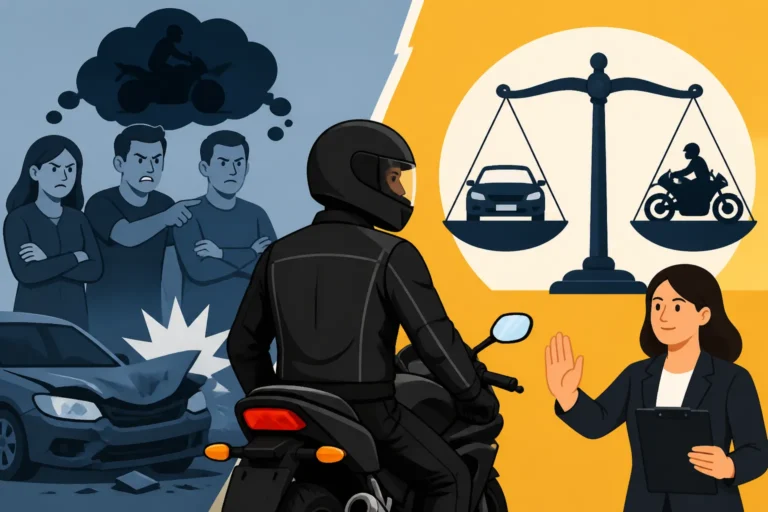
Determining who is at fault after an unsafe lane change motorcycle accident is crucial for your claim, but it's rarely as straightforward as it seems. Insurance companies, true to form, will look for any reason to shift blame, even partially, to the motorcyclist. That's why understanding the legal standards and how to gather evidence is so important.
The Legal Standard for Lane Changes
Every state, including bustling California or the open roads of Texas, has specific traffic laws governing lane changes. Generally, these laws require a driver to ensure that a lane change can be made safely and without interfering with other traffic. This means:
- Signaling: Using turn signals continuously for a reasonable distance before making the maneuver.
- Checking Mirrors: Looking in rear-view and side mirrors.
- Head Checks: Physically turning to look over their shoulder to check blind spots.
- Clearance: Ensuring there is sufficient space and no approaching vehicles in the target lane.
When a driver fails to meet these standards and causes an accident, they are typically considered at fault. For example, if a driver in New York signals for a mere half-second before swerving into your lane, that's a clear violation of safe lane change protocols. The legal standard isn't just about avoiding a collision; it's about executing the maneuver in a way that is predictable and safe for everyone on the road. The burden of safety largely rests on the driver initiating the lane change. However, insurance companies will often try to argue that the motorcyclist was speeding, riding in a blind spot for too long, or otherwise contributed to the accident, which leads us to the complexities of How Fault Is Determined in Motorcycle Accidents.
Gathering Critical Evidence
Proving that another driver made an unsafe lane change requires solid evidence. Without it, you're often left fighting against an insurance company that's already biased against riders. Right after an accident, if you are physically able, documenting the scene is paramount. This includes:
- Photographs and Videos: Take pictures of the accident scene from multiple angles, showing vehicle positions, road conditions, traffic signs, and any skid marks. Crucially, try to get photos that illustrate how the other vehicle encroached on your lane.
- Witness Statements: Independent witnesses are invaluable. If anyone saw the driver make the unsafe lane change, get their contact information. Their testimony can directly counter the "I didn't see him" defense.
- Dashcam Footage: If you or the other driver had a dashcam, that footage is gold. It provides an objective, real-time account of how the accident unfolded. More and more riders are investing in helmet cams or bike-mounted cameras for this very reason.
- Police Report: While not always definitive on fault, a police report will document the officer's initial observations, statements from drivers and witnesses, and any citations issued. If the other driver was ticketed for an unsafe lane change or failure to yield, it significantly strengthens your case.
- Traffic Camera Footage: Many intersections and busy highways have traffic cameras. Obtaining this footage can be challenging but might offer crucial evidence if available.
Every piece of Motorcycle Accident Evidence for Proving Fault you collect helps to paint a clearer picture for adjusters and, if necessary, for a court. It moves the narrative away from conjecture and toward concrete facts, which is essential when the other side is trying to minimize their liability.
When the Rider Shares Some Blame
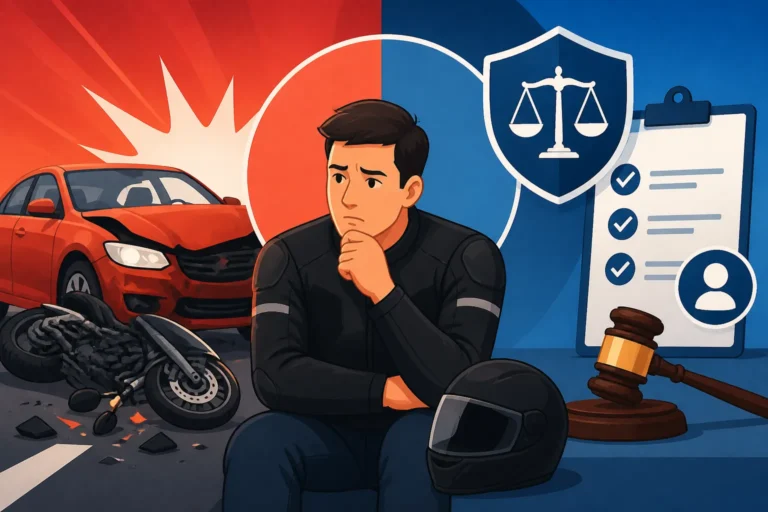
It’s an unfortunate truth that even when another driver makes an unsafe lane change, you might find yourself facing accusations of partial fault. This is where Comparative Negligence in Motorcycle Accidents comes into play. For instance, an insurance adjuster might argue that while their insured did change lanes unsafely, you were speeding, or How Speeding Affects Motorcycle Accident Fault. Or perhaps they claim you were "lane splitting" (even if legal in your state like California, it can still be used to argue some negligence) or riding too long in their blind spot.
Even if the other driver was the primary cause, if you're found to be, say, 10% at fault, your total settlement could be reduced by that percentage. For example, if your damages are assessed at $100,000, and you're found 10% at fault, your payout might be reduced to $90,000. It’s a bitter pill to swallow when you feel like the victim, but this is a common tactic by How Insurance Companies Assign Blame to Riders. This is also why having an experienced motorcycle accident attorney on your side is critical. They can anticipate these arguments and work to mitigate any claims of shared fault, ensuring you receive the maximum compensation possible. Always remember, just because an insurance company says you share fault doesn't make it true. It's a negotiation, and a skilled advocate can make all the difference.
Impact on Your Motorcycle Accident Claim
When you're involved in a motorcycle accident due to an unsafe lane change, the physical and emotional toll is immense. Beyond that, the financial repercussions can be staggering. Understanding how these incidents affect your accident claim is crucial for navigating the path to recovery and fair compensation.
Proving Damages and Injuries
The severity of injuries sustained in a motorcycle accident caused by an unsafe lane change is often profound. Unlike drivers in enclosed vehicles, motorcyclists lack external protection, making them highly susceptible to direct impact injuries, road rash, fractures, traumatic brain injuries, and spinal cord damage. When pursuing a claim, documenting these injuries and the resulting damages is paramount. This isn't just about showing up with a list of bills; it's about painting a comprehensive picture of how the accident has affected your life.
Your claim will seek compensation for various Types of Damages in a Motorcycle Accident Claim, including:
- Medical Expenses: This covers everything from emergency room visits and ambulance rides to surgeries, physical therapy, prescription medications, and long-term care. It’s vital to keep meticulous records of all medical bills and receipts, no matter how small.
- Lost Wages: If your injuries prevent you from working, you can claim compensation for lost income. This includes not only the wages you've already missed but also any future loss of earning capacity if your injuries cause a permanent disability or significantly alter your ability to perform your job.
- Pain and Suffering: This is a non-economic damage that accounts for the physical pain, emotional distress, mental anguish, and loss of enjoyment of life you experience due to the accident. While harder to quantify, it's a significant component of many motorcycle accident settlements, especially given the typically severe nature of rider injuries. Keeping a detailed journal of your daily pain levels, emotional struggles, and activities you can no longer enjoy can be incredibly helpful in demonstrating these losses.
- Property Damage: This includes the cost to repair or replace your motorcycle, helmet, riding gear, and any other personal property damaged in the crash. Get detailed repair estimates or fair market value assessments for your bike.
Each element of your damages must be clearly documented and linked directly to the accident. This is where comprehensive medical records, employment records, and even personal testimonies become critical. Insurance companies are notorious for scrutinizing these claims, so thoroughness is your best defense.
The Role of Insurance Companies
Dealing with insurance companies after an unsafe lane change accident can feel like an uphill battle. Their primary goal is to minimize payouts, not to ensure your full recovery. They often employ tactics designed to undervalue your claim or even deny it outright. They might try to argue that your injuries were pre-existing, that you contributed more to the accident than you did, or that your medical treatment was excessive.
You might receive an early, lowball settlement offer for your Average Motorcycle Accident Settlement Amounts, especially if you're still recovering and feeling overwhelmed. It's crucial not to accept any offer or sign any documents without fully understanding their implications and ideally, without legal counsel. Insurance adjusters are trained negotiators, and they know how to elicit statements that could harm your claim. For instance, if you tell them you're "fine" a day or two after the accident, that statement could later be used to argue that your subsequent injuries weren't that serious.
An attorney can act as a shield, handling all communications with the insurance company. They understand the tactics used by major insurers like Geico or Progressive and can effectively counter their arguments. They will gather and present all necessary evidence, negotiate on your behalf, and fight to ensure that all your damages, both economic and non-economic, are fully recognized and compensated. Their expertise is invaluable in leveling the playing field and protecting your rights against powerful insurance entities.
Preventative Measures for Riders and Drivers
While we can't control every driver on the road, both motorcyclists and other vehicle drivers can take proactive steps to reduce the risk of unsafe lane change accidents. This isn't just about staying safe; it's about fostering a culture of mutual respect and awareness on our roads.
Defensive Riding Strategies
As motorcyclists, we learn early on that we are largely responsible for our own safety. This means adopting a robust set of defensive riding strategies, especially when navigating multi-lane traffic where unsafe lane changes are a constant threat.
- Maintain an Escape Route: Always ride with an "out." This means constantly scanning your environment – front, back, and sides – to identify potential escape paths should another vehicle suddenly encroach on your lane. Don't box yourself in between two cars.
- Vary Lane Position: Don't just ride in the middle of a lane. Adjust your lane position within your lane to maximize visibility and create more space for yourself. Riding to the left or right side of your lane (while still staying within it) can place you out of a vehicle's blind spot and give you more room to maneuver if a driver starts to drift.
- Assume Invisibility: It's a harsh truth, but it's safer to ride as if no one sees you. This mindset keeps you hyper-alert and prepared to react to sudden, unexpected movements from other vehicles.
- Be Strategic with Blind Spots: Understand where other vehicles' blind spots are. Try to avoid lingering in them. If you need to pass, do so quickly and safely, ensuring you have enough acceleration to clear the blind spot promptly. If you must be in a blind spot, try to make eye contact with the driver through their side mirror if possible.
- Use High-Visibility Gear: Brightly colored helmets and gear can significantly increase your visibility. While not a guaranteed solution, every little bit helps in catching a driver's attention.
- Look for Cues: Pay attention to drivers' head movements, tire angles, and brake lights. These subtle cues can often provide an early warning that a driver might be preparing to change lanes, even before they signal.
By consistently applying these defensive riding techniques, you significantly enhance your ability to anticipate and react to the unpredictable actions of other drivers. It's an active, engaged way of riding that puts your safety first.
Driver Awareness Campaigns
Ultimately, preventing these accidents requires a fundamental shift in driver behavior and awareness. Many of the Motorcycle Accidents Caused by Unsafe Lane Changes could be avoided if car and truck drivers simply paid more attention and understood the unique vulnerabilities of motorcyclists. This is where targeted public awareness campaigns and improved driver education can make a huge difference.
- "Look Twice, Save a Life" Campaigns: These campaigns, often seen on billboards or public service announcements, aim to remind drivers to perform thorough checks before changing lanes or making turns. Emphasizing the "look twice" message specifically for motorcycles can reinforce the need for extra diligence.
- Blind Spot Education: Driver education programs should place a stronger emphasis on understanding blind spots, not just for cars, but also for larger vehicles like trucks and SUVs, and how these blind spots can completely obscure a motorcycle. Practical demonstrations, even in simulators, could help drivers grasp the reality of a motorcyclist disappearing from view.
- Distracted Driving Enforcement: Stricter enforcement of distracted driving laws, coupled with public education on the dangers of texting or phone use while driving, can indirectly reduce unsafe lane changes. A driver focused on the road is less likely to miss a motorcycle in their periphery or blind spot.
- Promoting Mutual Respect: General campaigns promoting respectful sharing of the road, recognizing that motorcycles have an equal right to be there, can help reduce aggressive driving behaviors that contribute to unsafe lane changes. Education should highlight that motorcycles are not "weaving" or "darting" – they are simply occupying a lane, just like any other vehicle.
By consistently promoting these messages and fostering a greater understanding among all road users, we can hopefully reduce the number of preventable accidents caused by unsafe lane changes, making the roads safer for everyone, especially those of us on two wheels.
Table: Types of Unsafe Lane Changes and Associated Evidence
| Type of Unsafe Lane Change | Description | Key Evidence for Your Claim |
|---|---|---|
| No Signal or Late Signal | Driver changes lanes without activating their turn signal at all, or activates it only milliseconds before initiating the lane change, giving no warning to other drivers, particularly motorcyclists. | Witness statements, dashcam/helmet cam footage, police report (if cited for signal violation), debris/skid marks showing sudden impact. |
| Failure to Check Blind Spot | Driver checks mirrors but fails to perform a physical head check, resulting in them not seeing a motorcycle that is in their vehicle's blind spot. Often accompanied by the driver's statement: "I didn't see you." | Witness statements (e.g., "The driver never looked over their shoulder"), vehicle damage consistent with a side-impact, How Police Reports Establish Fault for failure to yield or unsafe lane change, accident reconstruction expert analysis. |
| Aggressive / Impatient Lane Change | Driver quickly swerves into another lane, often cutting off a motorcycle or forcing them to take evasive action, to pass a slower vehicle, make an exit, or simply due to impatience. This often involves excessive speed for the maneuver. | Witness statements describing erratic driving, dashcam/helmet cam footage showing rapid maneuver, How Traffic Violations Affect Fault if cited for reckless driving or speeding, vehicle damage showing a scrape or side-swipe. |
| Distracted Lane Change | Driver is distracted by a phone, infotainment system, passengers, or external events, causing them to drift or steer into another lane without proper awareness or control. This can be subtle or sudden. | Witness statements (e.g., "The driver was on their phone"), dashcam footage showing driver behavior (if available), cell phone records (may require subpoena), How to Prove the Other Driver Was Distracted documentation, police report details. |
| Lane Change into a Vehicle Already Partially in that Lane | Driver attempts a lane change while a motorcycle (or other vehicle) is already partially occupying or moving into the same lane, often leading to a side-swipe or collision. This highlights poor judgment and spatial awareness. | Witness statements, paint transfer/scrape marks on both vehicles, Shared Fault in Motorcycle Accidents discussion, police report documenting vehicle positions, Motorcycle Accident Evidence for Proving Fault like photos of final resting positions. |
Disclaimer
The information provided in this guide is intended for informational purposes only and does not constitute legal advice. Motorcycle accident claims are complex and highly dependent on the specific facts and laws of your jurisdiction. It is always recommended to consult with a qualified legal professional to discuss your individual situation and legal options.